
Best Local Kitchen Designers in Washington, D.C.
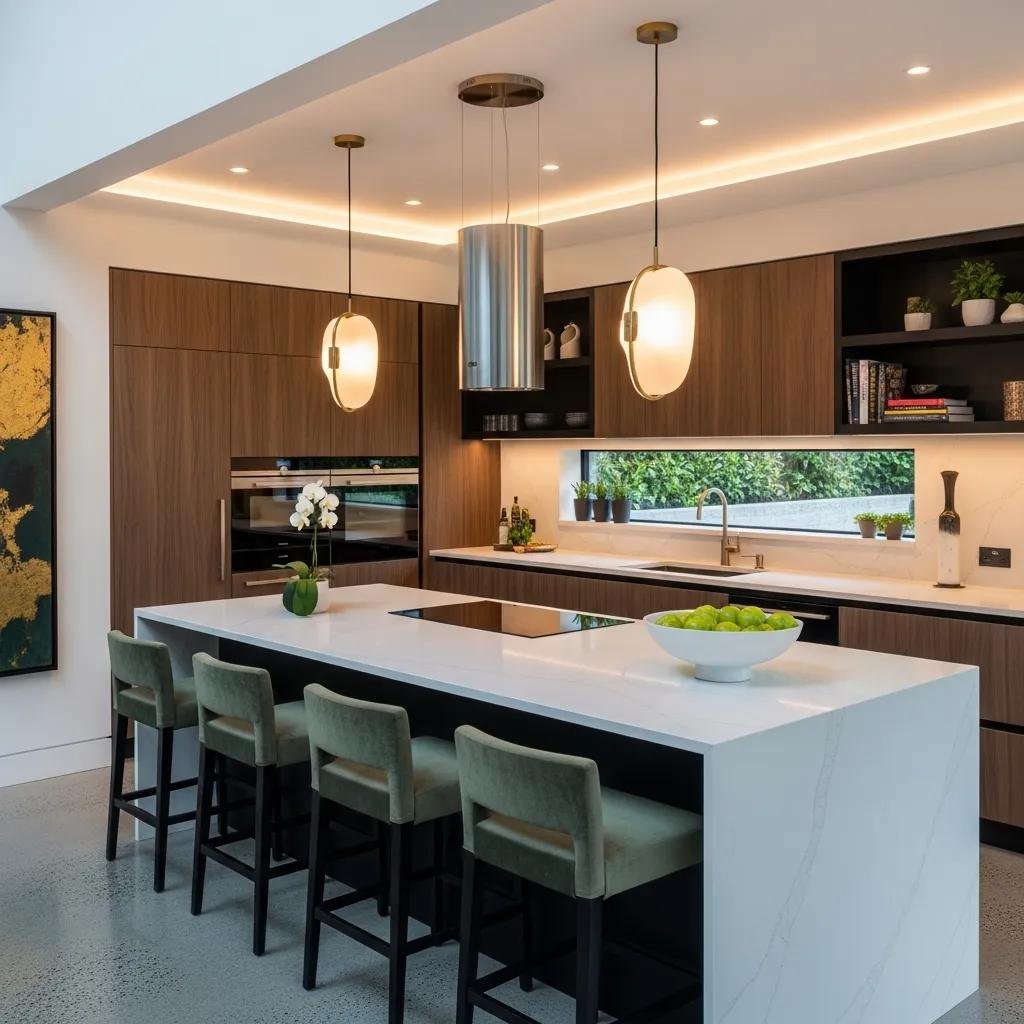
Best Local Kitchen Designers in Washington, D.C.: Luxury Kitchen Design and Remodeling in the Washington, D.C. Metro Area
If you’re a Washington D.C. metro homeowner planning a luxury kitchen renovation, this guide walks through how top local designers deliver beautiful, highly functional, long-lasting kitchens — and how to book a consultation with a design-build partner. You’ll learn what makes a kitchen “luxury” in the DC–Maryland–Virginia market, which materials and styles offer the best long-term value, and the practical steps to move from concept to completion. Homeowners commonly wrestle with layout trade-offs, cabinetry quality, countertop performance, and appliance integration; we break those decisions into clear, expert-driven criteria to simplify planning. We map regional style tendencies, compare materials by maintenance and durability, and show how an integrated design-build approach reduces risk and shortens timelines. Read on for checklists, side-by-side comparisons, and step-by-step guidance that tie luxury design principles to local permitting, supply chains, and contractor coordination across the Washington D.C. metro area.
What Defines Luxury Kitchen Design in the Washington D.C. Metro Area?
In this market, a luxury kitchen pairs high-performance materials and custom cabinetry with integrated appliances and a layout optimized for both entertaining and everyday life. Those elements combine for durability, visual cohesion, and strong resale appeal while addressing regional challenges like narrow urban footprints and historic-home restrictions. Locally, homeowners tend to prefer a mix of modern function and timeless finishes that work in Georgetown rowhouses and in suburban homes in Bethesda or McLean. Below are the core features that set high-end kitchens apart and help homeowners prioritize investments by lifestyle and ongoing upkeep.
Luxury kitchen core features in this market include:
- Custom cabinetry built for durability and fit: precisely made to maximize storage and work around layout constraints.
- Premium countertops such as quartz or natural stone: striking visuals with proven performance and longevity.
- Integrated, high-end appliances and smart kitchen systems: streamlined work zones and improved energy efficiency.
- Professional tilework and durable LVT flooring: installed to high standards to withstand heavy daily use.
These elements set the baseline for subsequent choices. Knowing each material’s trade-offs helps homeowners make selections that align with local taste and manageable maintenance.
Countertops and surface materials behave differently under daily wear. The table below compares common high-end options by performance and upkeep to help you decide.
This comparison shows quartz often delivers the best balance of low maintenance and durability for busy households, while natural stone and marble offer one‑of‑a‑kind looks with higher care needs. Understanding porosity, scratch resistance, and sealing requirements naturally informs your cabinetry, tile, and flooring decisions so the overall design performs as intended.
Scanbuild LLC’s integrated design‑and‑build expertise across the Washington D.C. metro area supports homeowners who prefer a single point of responsibility for luxury kitchen projects.
Serving Rockville, Bethesda, Potomac, Vienna, McLean, Alexandria, Georgetown, and Friendship Heights, Scanbuild LLC bundles project management, premium tile installations, LVT flooring, and luxury kitchen remodels under one licensed, bonded, and insured contract to minimize scheduling friction.
Our local presence streamlines material sourcing and coordinates permit-driven workflows — especially valuable for jobs that require close interaction with municipal building departments.
The sections that follow outline the practical steps Scanbuild and similar design-build teams use to turn luxury concepts into finished kitchens while keeping homeowners in control of design intent.
Which Key Features Make a Kitchen Design High-End and Custom?
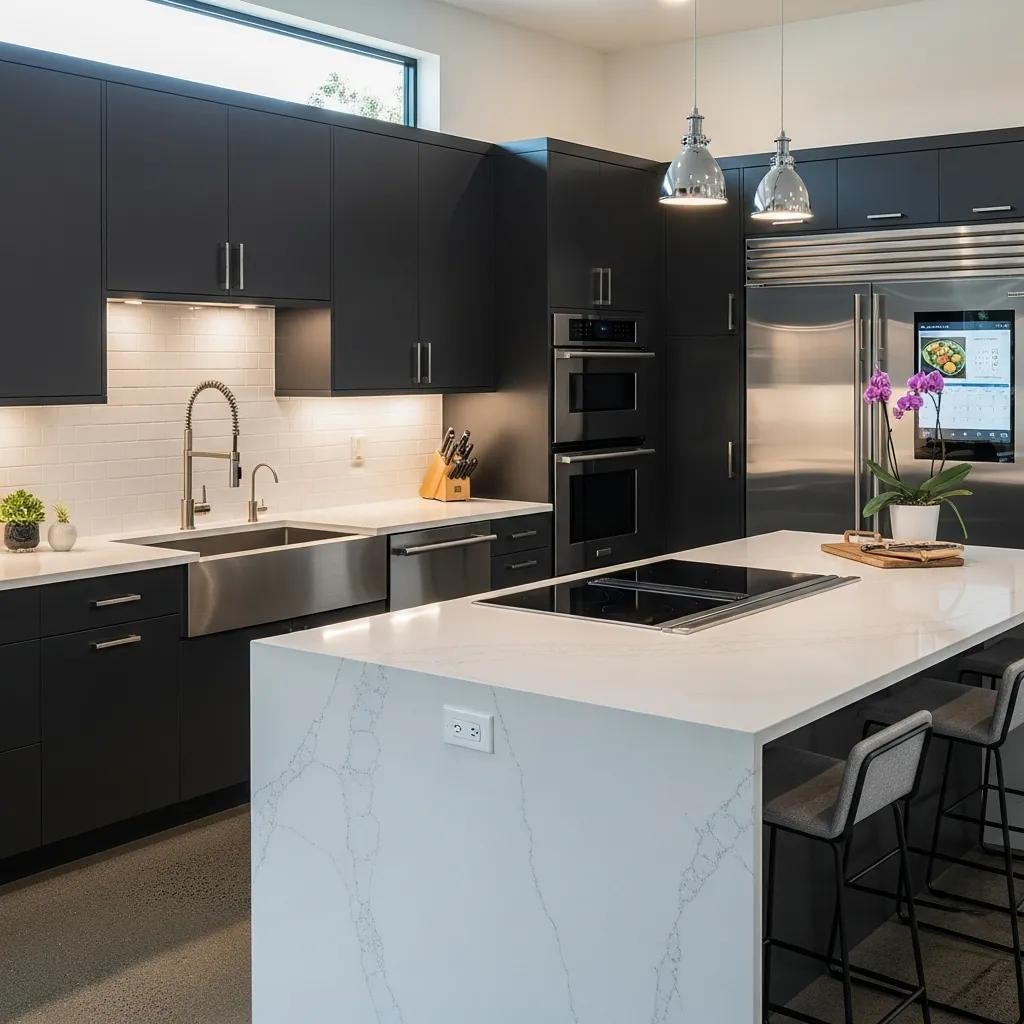
High‑end kitchens focus on solid construction and thoughtful system integration to support both everyday routines and entertaining. Custom cabinetry is built to fit with full‑extension drawers, soft‑close hardware, and durable joinery so the user experience feels effortless. Countertops favor non‑porous materials like quartz for durability and easier maintenance, while backsplashes and premium tile protect wet zones and become design focal points. Integrated appliances and smart kitchen tech consolidate controls and reduce visual clutter, and layered lighting—task, ambient, and accent—ensures every activity is well lit. Considering cabinetry, countertops, backsplash, flooring, and appliances together creates a cohesive luxury result tailored to how a homeowner actually cooks and entertains.
What Are Popular Luxury Kitchen Styles in DC, Maryland, and Virginia?
Style preferences across the Washington D.C. metro reflect a balance of urban refinement and suburban warmth. In city condos and Georgetown townhouses, contemporary kitchens with minimalist cabinetry and integrated appliances are common because they maximize space and present a clean look. In suburbs like Bethesda and Potomac, transitional and modern farmhouse influences appear more often—shaker cabinetry or painted finishes paired with brass hardware and warm wood tones for a layered, lived‑in feel. Choices like matte versus gloss cabinetry, honed versus polished stone, and LVT color palettes anchor each style while meeting durability needs. These snapshots help homeowners narrow a direction before finalizing material palettes and fixture selections.
How Does Scanbuild LLC’s Design-Build Process Elevate Kitchen Remodeling?
An integrated design‑build model reduces client risk by combining design, permitting, procurement, and construction under one accountable team, which shortens schedules and clarifies deliverables. Because design decisions are made with construction realities in mind, the approach limits rework and unforeseen costs and keeps communication consistent throughout the project.
- Initial consultation and site assessment: Define goals, budget range, and constraints to create a clear project brief.
- Design and material selection: Produce concept drawings and finalize cabinetry, countertops, and finishes to reduce change orders.
- Permitting and procurement: Secure permits and order long‑lead items so schedules stay aligned and delays are minimized.
- Construction and project management: Coordinate subcontractors, enforce quality standards, and provide regular status updates.
- Final walkthrough and handover: Confirm the finished scope and review maintenance and warranty details with the homeowner.
Below is an EAV‑style table outlining core process phases, typical deliverables, and usual durations so homeowners can set realistic expectations.
This timeline shows where time is typically invested and how integrated teams manage dependencies. Homeowners benefit from a single contract that aligns design selections, procurement, and construction milestones. When you’re ready, Scanbuild LLC offers a complimentary consultation to review goals and site specifics and deliver an initial plan with next steps and estimated timelines.
What Are the Steps in Scanbuild’s Seamless Kitchen Design and Build Approach?
The process begins with a focused site assessment that documents existing conditions, measures constraints, and flags code or HOA considerations; that foundation informs layout options and budget targets.
Designers then produce schematic plans and mood boards while coordinating material samples and appliance specs; early ordering of long‑lead items like custom cabinetry reduces schedule risk.
During permitting, the design‑build team liaises with local authorities to secure approvals — an important step in historic or tightly regulated neighborhoods.
Construction follows in phases: demolition, mechanical and electrical rough‑ins, cabinetry installation, tiling, countertop templating and fabrication, plus final finishes. Project managers maintain daily oversight and quality checks to limit rework and keep the project aligned with the design intent.
Which Premium Materials and Craftsmanship Define Scanbuild’s Luxury Kitchens?
Premium tile and stonework are installed to tight tolerances so grout lines, pattern alignment, and substrate preparation ensure long‑term performance; proper substrate prep and waterproofing are essential in wet areas.
Countertop selections often favor quartz for its durability and low maintenance, while carefully chosen natural stones are specified where unique veining or heat resistance is a priority.
Custom cabinetry uses durable substrates, dovetail drawer joinery, and quality hardware to provide years of reliable operation; finishes and fit are tailored to each project’s aesthetic.
Luxury vinyl tile (LVT) is frequently chosen for high‑traffic zones for its dimensional stability, water resistance, and realistic look—an enduring flooring option that complements premium cabinetry and stone without sacrificing resilience.
Why Choose a Local Kitchen Designer in Washington, D.C. for Your Luxury Remodel?
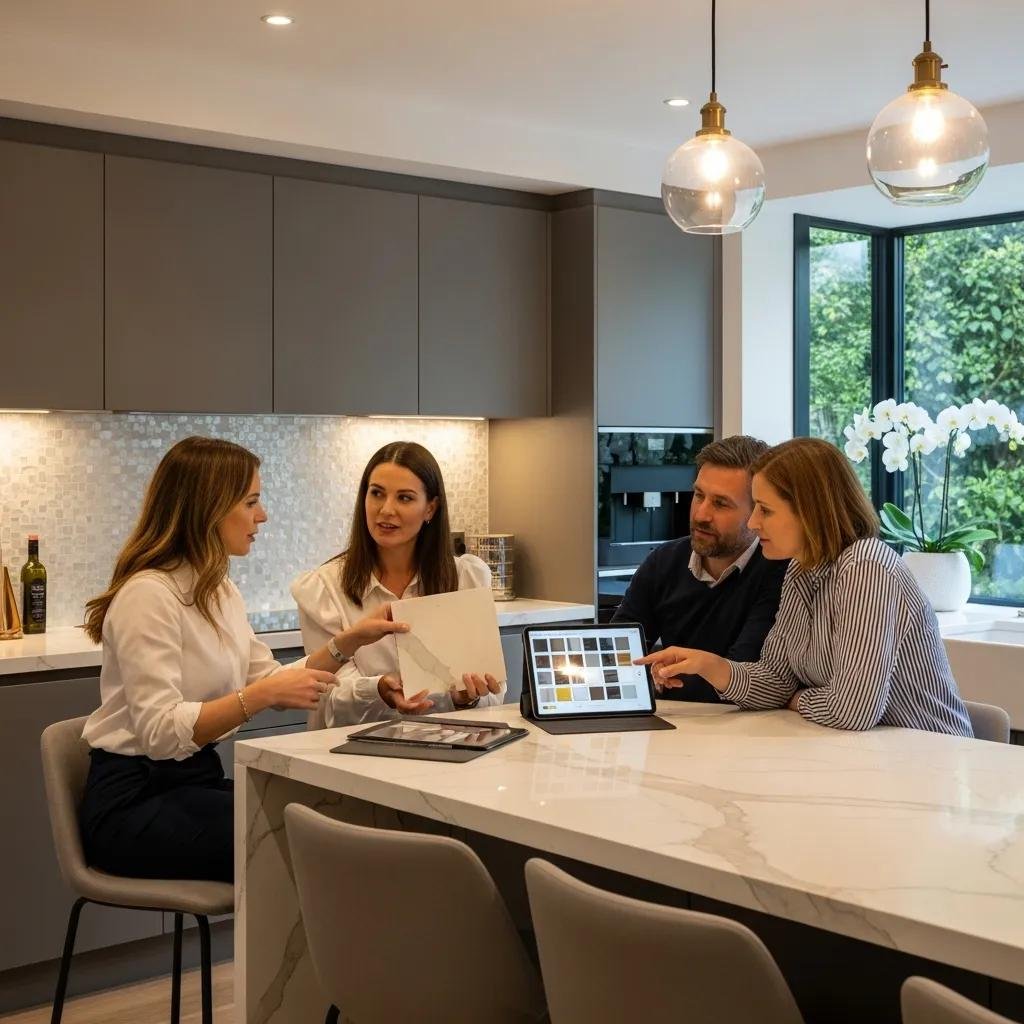
Hiring a local kitchen designer or design‑build firm gives clear advantages in permitting, supply‑chain logistics, and post‑installation support that remote providers can’t match. Local professionals know municipal code nuances, historic‑district rules, and typical inspection timelines across DC, Maryland, and Virginia, and they keep strong relationships with regional suppliers and trade partners.
- Expertise with local permits and inspections to speed approvals and reduce surprises.
- Established supplier relationships that improve access to premium materials and appliances when you need them.
- On‑the‑ground project management and warranty support for smoother post‑completion service.
Those local advantages translate to better schedule reliability, clearer cost predictability, and greater peace of mind — reasons many homeowners choose nearby design‑build teams for high‑end renovations.
How Does Local Expertise Benefit Kitchen Remodeling in DC, Maryland, and Virginia?
Local knowledge shortens procurement lead times because area suppliers and fabricators often prioritize repeat clients, especially during busy seasons; this reduces downtime waiting for custom cabinetry or stone fabrication.
Familiarity with jurisdictional differences — ventilation rules, structural requirements, or electrical specifics — lowers the risk of plan rejections and costly redesigns during permitting.
Local firms also maintain networks of vetted subcontractors skilled in premium tile, LVT installation, and finish carpentry, ensuring workmanship meets luxury expectations.
These operational efficiencies help preserve the design vision while keeping projects on schedule and within the agreed scope.
What Do Client Testimonials Reveal About Scanbuild’s Kitchen Design Services?
Client feedback for top local design‑build teams frequently highlights clear communication, attention to finish details, and reliable adherence to timelines — strong trust signals for new clients.
Common testimonial themes also emphasize proactive problem solving during construction, thorough final walkthroughs, and transparent information about warranty and follow‑up support — characteristics of licensed, bonded, and insured providers.
These recurring points show that craftsmanship matters as much as design and reflect the systems — project management, quality control, and consistent subcontractor oversight — that separate high‑performing remodelers from less coordinated competitors.
How Can You Start Your Luxury Kitchen Renovation with the Best Local Designers?
Begin with a clear brief, a realistic budget range, and an understanding of how material choices and permitting affect your timeline. Gather photos of the existing space, list must‑have features, and set a preliminary budget so designers can prepare accurate proposals and phased options.
- Gather inspiration and set priorities: Identify must‑haves versus nice‑to‑haves.
- Compile documentation: Photos, measurements, and any HOA or plan constraints.
- Schedule initial consultations: Review scope, timeline, and budget with prospective designers.
- Review proposals and timelines: Compare deliverables and procurement plans before choosing a partner.
Following these steps prepares you for efficient consultations and helps designers deliver realistic proposals that reflect local conditions and supply realities. Discuss financing and payment schedules early so the plan aligns with both design goals and financial practicalities.
What Is the Process to Schedule a Free Consultation with Scanbuild LLC?
To request a free consultation with Scanbuild LLC, prepare the project brief described above and contact the company through its public channels to outline scope, timing, and goals; local office reference: Rockville, MD.
The initial consult usually includes an on‑site assessment or virtual review, a conversation about design priorities and budget, and an overview of next steps covering permitting and expected timelines.
Homeowners receive guidance on which materials and long‑lead items to prioritize, plus a preliminary schedule to align procurement and construction phases.
Bringing photos, appliance preferences, and any HOA or permit constraints to the consult accelerates the process and yields a more accurate initial plan.
Which Financing Options Are Available for Luxury Kitchen Remodeling?
Common financing routes for luxury renovations include home equity loans or lines of credit, personal renovation loans, and third‑party contractor financing programs that spread payments over time; each comes with trade‑offs in interest, term, and qualification requirements.
Home equity products often offer lower rates for homeowners with adequate equity, while personal loans can be faster to access for smaller projects but typically carry higher rates.
Contractor or lender partner programs can offer phased payments tied to project milestones, which helps with cash‑flow management.
Discuss financing during your initial consultation so the project scope and timeline reflect available funding strategies and payment expectations.
Frequently Asked Questions
What are the benefits of using a design-build approach for kitchen remodeling?
The design‑build model streamlines remodeling by placing design, permitting, and construction under one team. That single point of responsibility reduces miscommunication and ensures design choices consider construction realities. Homeowners get one primary contact, simpler project management, and stronger accountability. The approach typically leads to faster completion and fewer surprise costs because the team coordinates all aspects of the renovation.
How can I ensure my luxury kitchen design reflects my personal style?
Start by collecting inspiration from magazines, websites, and social platforms and create a mood board showing colors, materials, and layouts you like. Share that with your designer and clearly communicate must‑haves versus nice‑to‑haves. A collaborative process lets designers tailor the plan to your aesthetic while integrating functional solutions that improve daily use.
What should I consider when selecting materials for my kitchen renovation?
When choosing materials, weigh durability, maintenance, and the visual effect. Quartz offers low maintenance and lasting performance; natural stones provide unique character but usually need more care. Also consider how surfaces interact visually and practically—how countertops pair with backsplashes and cabinetry—and account for local climate and household habits that affect longevity.
How do local building codes affect my kitchen remodeling project?
Local codes set safety, structural, and material requirements that can influence design and scope. Knowing those rules up front avoids redesigns and permit delays. Local designers and contractors understand jurisdictional differences and can prepare compliant plans to streamline approvals and ensure the finished kitchen is safe and up to code.
What are the typical timelines for a luxury kitchen renovation?
Timelines vary by scope, complexity, and material availability. Generally, projects run 8–20 weeks from start to finish, including consultation, design, permitting, and construction. Early phases often take 3–6 weeks, permitting can add 2–6 weeks, and construction typically ranges from 4–12 weeks depending on scale. Discuss timelines with your design‑build team to set realistic expectations.
What financing options are available for luxury kitchen renovations?
Financing choices include home equity loans, personal loans, and contractor financing programs. Home equity solutions usually offer lower rates when you have sufficient equity; personal loans suit smaller budgets but may carry higher rates. Contractor financing can provide milestone‑based payment plans to help manage cash flow. Bring financing questions to your initial consultation so the project plan matches what’s financially feasible.
Conclusion
Turning your kitchen into a luxurious, functional space is achievable with the right local design‑build team guiding the process from concept to completion. By combining material knowledge, thoughtful design, and local permitting experience, you can create a kitchen that reflects your taste while delivering lasting performance and value. Take the first step toward your dream kitchen by scheduling a free consultation with Scanbuild LLC — discover the difference local expertise makes in a luxury renovation.
Recent Comments