
Enhance Your Home with Patio & Deck Upgrades
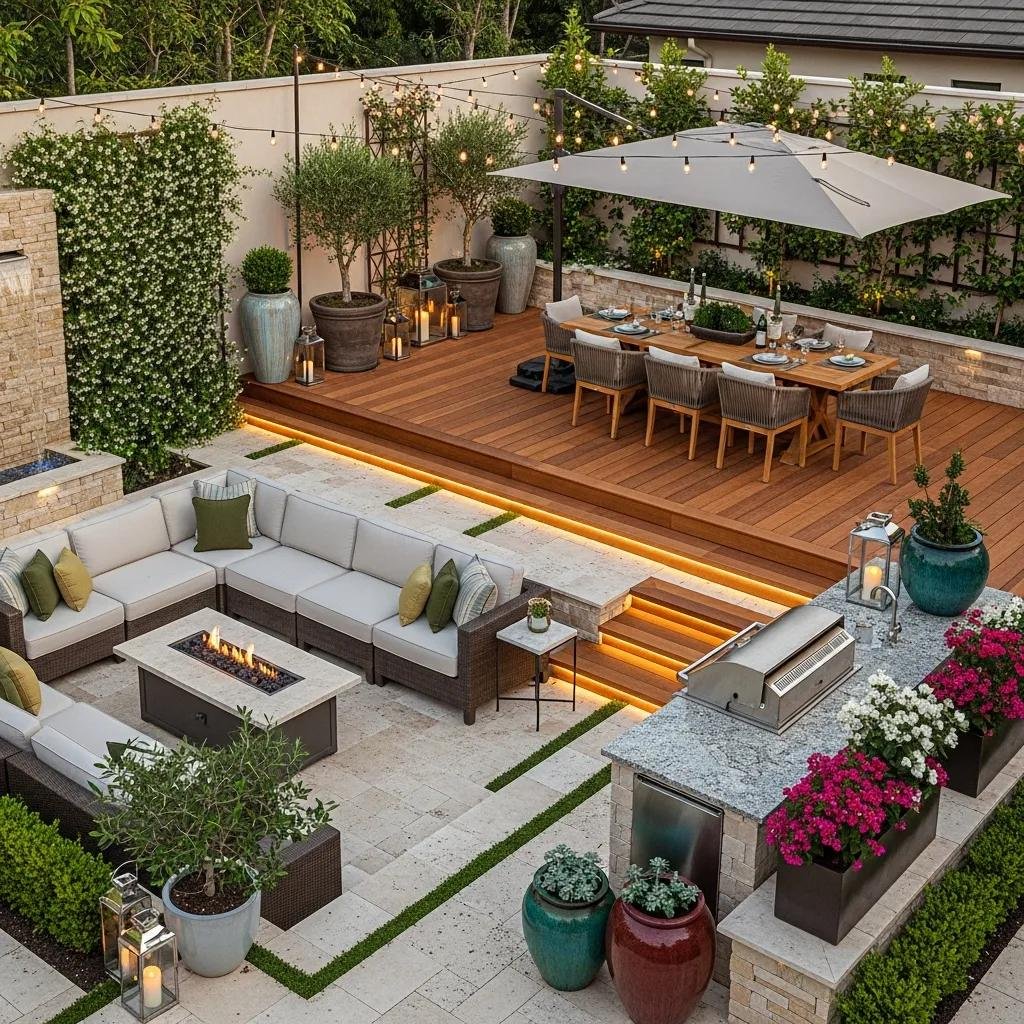
Elevate Your Home with Luxury Patio & Deck Upgrades: Design, Materials, and Value
Thoughtful outdoor living transforms a house into a complete home — a seamless extension of interior spaces that boosts enjoyment and resale value. This guide breaks down targeted patio and deck upgrades — from premium composite decking and exotic hardwoods to refined paver patios and integrated outdoor kitchens — and shows how they improve durability, curb appeal, and year‑round usability. Many properties lack a cohesive outdoor plan; the right upgrades fix circulation, entertaining flow, and visual continuity while delivering measurable value. Read on for clear material comparisons, multi‑level and transition design strategies, and practical advice on lighting, kitchens, and wellness features so you can plan a confident, long‑term investment for a high‑end property.
Top Luxury Deck Upgrade Options for Your Home
A luxury deck is more than a surface — it’s an outdoor living room built with premium materials, considered layout, and thoughtful built‑ins that perform across seasons. High‑end upgrades favor low‑maintenance decking, integrated lighting, custom rail systems, and architectural details like wide steps and built‑in seating to increase comfort and curb appeal. Choosing the right material requires balancing lifespan, upkeep, and the look you want; the correct selection lowers lifetime costs and strengthens resale appeal. Below are concise comparisons of leading decking choices to help you decide which performs best in a luxury installation.
Each decking material brings specific benefits depending on climate, maintenance tolerance, and the design you’re after.
This quick comparison highlights trade‑offs so you can prioritize longevity, maintenance, and aesthetic character before finalizing material choices. The next section examines durability and visual differences in more detail.
Materials That Best Balance Durability and Style for Luxury Decks
For luxury decks, composite and exotic hardwoods are common because they pair long life with an upscale look. Composite boards resist rot and fading, avoiding sanding or sealing, while exotic hardwoods such as IPE offer exceptional density and a deep, textured grain that reads as premium. PVC is an alternative when color retention and minimal upkeep are priorities, and pressure‑treated wood remains a budget option that needs consistent maintenance. Understanding these trade‑offs helps you pick materials that fit your lifestyle, maintenance expectations, and the overall design direction — which then informs zoning and layout choices like multi‑level decks.
Your choice of composite or hardwood will shape both upkeep plans and the visual character of the entire outdoor living scheme.
How Multi‑Level Deck Designs Improve Outdoor Living
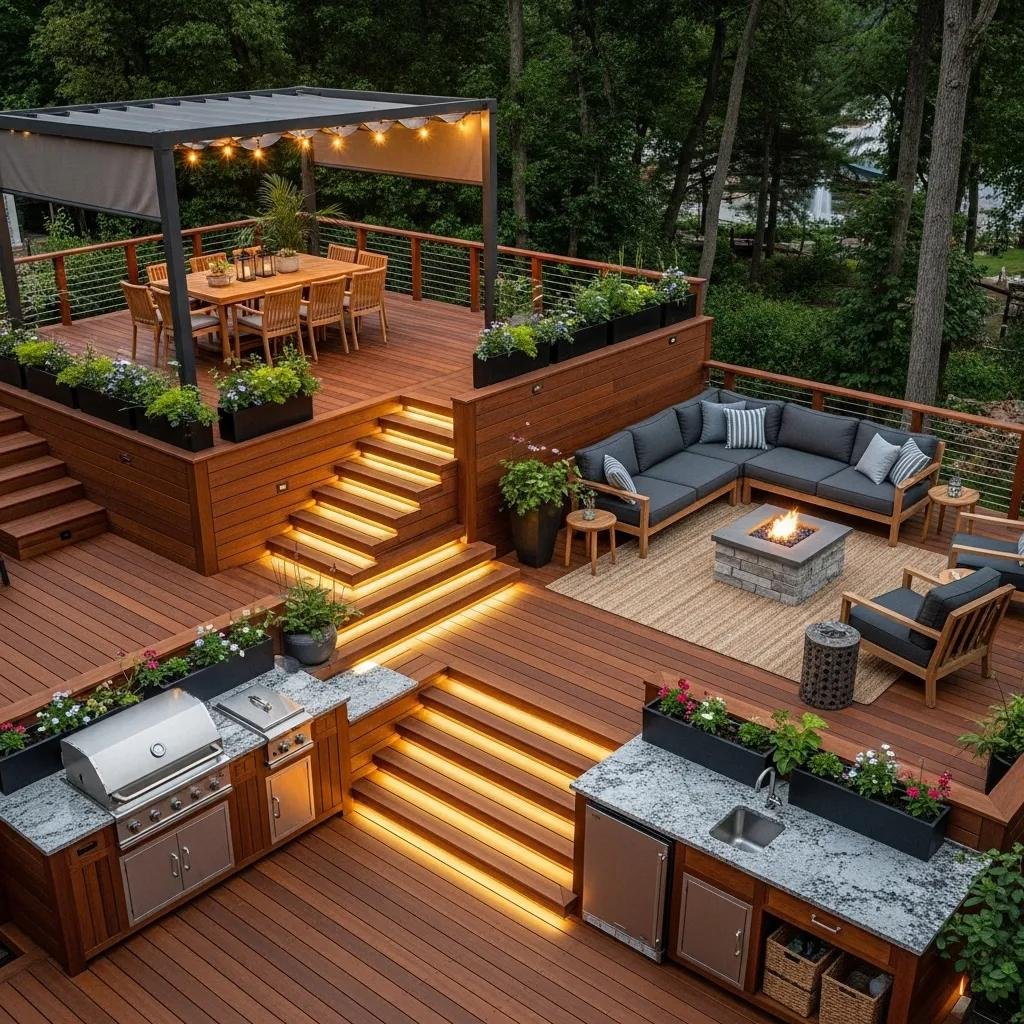
Multi‑level decks create separate outdoor “rooms” for cooking, dining, and relaxing while maintaining sightlines and circulation. Zoning lets different activities happen at once without crowding — an upper dining terrace, a lower lounge with a fire feature, and wide transition steps that double as seating. Level changes can also solve tricky site grades and reduce the need for extensive retaining work, though they must be designed with railings and code requirements in mind. Good flow, privacy, and integrated lighting make multi‑level plans work for everyday living and entertaining.
These layout principles flow naturally into patio renovations that complement deck work and extend usable outdoor space.
Scanbuild LLC supports homeowners who want custom deck solutions grounded in interior design thinking to achieve cohesive indoor‑outdoor living. Serving the Washington, D.C. metro area, we focus on design‑driven deck builds and offer consultations to evaluate materials, zoning, and integrated features like lighting or built‑in seating. A site visit lets us review samples and propose concepts tailored to your property’s style and topography — turning material choices into a practical plan that matches luxury finishes.
How Elegant Patio Renovations Transform Your Outdoor Area
A carefully renovated patio becomes the outdoor living anchor: durable hardscapes that support dining, entertaining, and planting schemes. Upgrading to premium pavers or natural stone improves longevity and allows custom patterns and textures that ground the landscape, while refined concrete finishes achieve a clean, modern look. Patios also host outdoor kitchens, fire features, and pergolas, turning a simple yard into an organized, usable extension of the home with intentional circulation and focal points. The section below reviews common patio surfaces and style pairings to guide a cohesive renovation.
High‑end patio materials shift both function and aesthetic, creating continuity with your home’s architecture.
Popular Patio Materials and Styles for High‑End Renovations
High‑end patios typically use pavers or natural stone for texture, longevity, and custom layouts such as herringbone or modular patterns that add bespoke character. Stone slabs create an elegant, organic palette that pairs with lush planting and simple furnishings, while large‑format finished concrete suits contemporary homes that favor smooth transitions. Maintenance ranges from occasional joint care for pavers and stone to periodic sealing for finished concrete. Choosing materials that complement both the landscape and interior finishes ensures continuity and strengthens daily use and resale appeal.
Those material choices point directly to features that raise both function and ambiance.
Features That Add Function and Atmosphere to Luxury Patios
The right features turn a patio into an engaging, year‑round living area. Fire pits or linear fireplaces add warmth and a visual focal point; pergolas with retractable shades control sun and create comfort; integrated planters and built‑in seating keep areas tidy while defining space. Low‑voltage layered lighting and discreet audio systems support evening use, and durable outdoor fabrics plus thoughtful storage keep the space feeling curated. Every amenity should be selected with maintenance and movement in mind to preserve the patio’s luxury character over time.
- Fire features extend seasonality: Provide warmth and a central gathering point.
- Built‑in seating reduces clutter: Integrated elements improve circulation and longevity.
- Layered lighting enhances usability: Ambient, task, and accent layers define zones after dark.
These patio elements naturally segue into outdoor kitchens and dining areas that further increase living capacity.
Scanbuild LLC delivers design‑driven patio renovations that combine hardscaping, lighting, and custom features into cohesive outdoor living plans. In the Washington, D.C. metro area, we offer site evaluations to align materials and feature priorities with your home’s architecture and landscape. A short consultation helps define scope, recommend material pairings, and pinpoint where pergolas, fire elements, or built‑ins will have the most impact — translating ideas into a build‑ready plan.
Benefits of Custom Outdoor Kitchens and Dining Areas
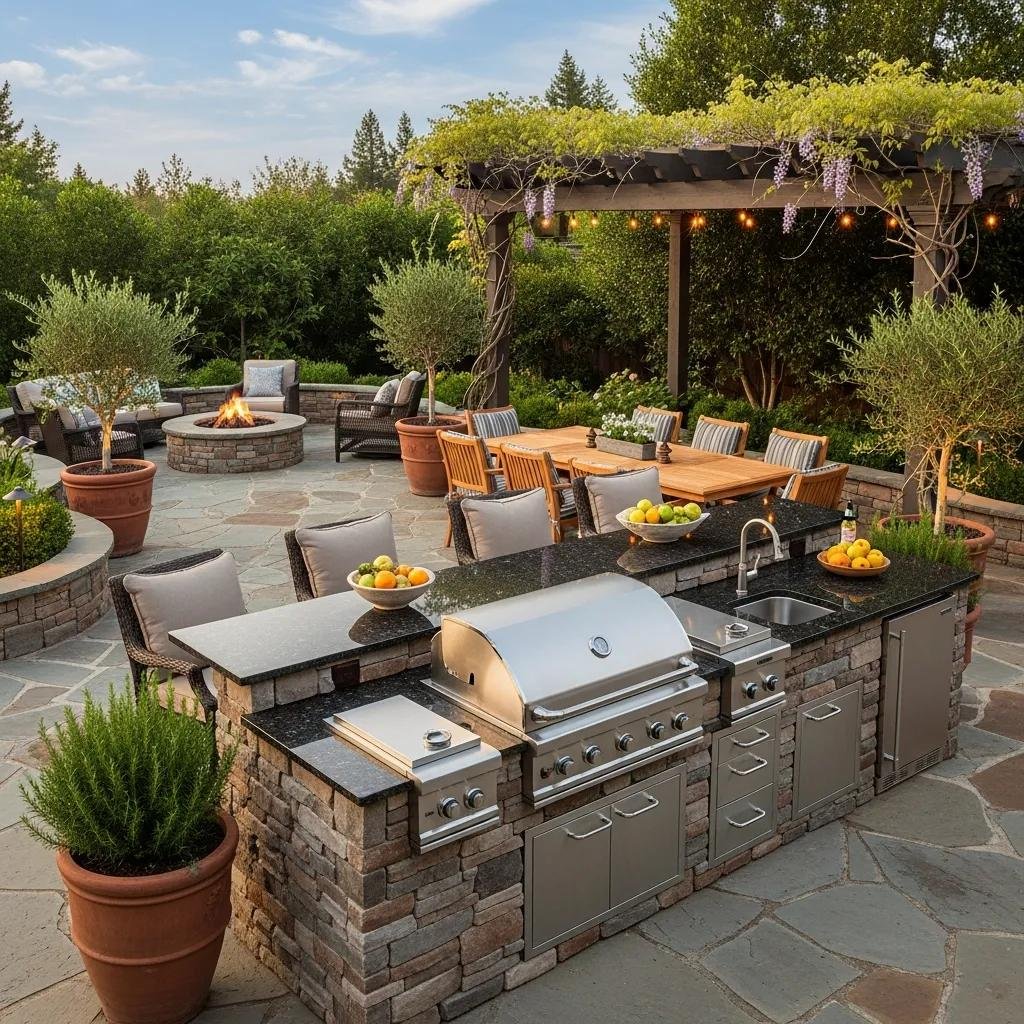
Custom outdoor kitchens expand entertaining possibilities, create memorable gathering places, and often raise perceived property value by extending functional living outdoors. A well‑designed outdoor kitchen pairs weather‑rated appliances, durable counters, and an efficient workflow — placing prep, refrigeration, and cooking surfaces to support both service and social interaction. Quality components and covered dining spaces let families use outdoor dining for more months of the year, and in markets that prize outdoor living, these installations can yield strong returns. Below is a concise component comparison to clarify typical choices and their installation implications.
Components for outdoor kitchens vary in complexity and affect both upfront cost and ongoing maintenance.
How Built‑In Grills and Entertainment Zones Raise Outdoor Living
Built‑in grills and integrated entertainment spaces create focal areas that center social activity and support varied cooking styles, from grilling to wood‑fired pizza. Appliance placement should support efficient service flow: prep counters beside the grill, refrigeration within reach, and seating arranged to keep the cook engaged with guests. Choosing exterior‑rated appliances and proper weatherproofing reduces corrosion risk, and covered structures protect electronics and guests during light weather — ensuring the outdoor kitchen operates smoothly with adjacent patio and deck zones.
Smart appliance placement improves utility and guest experience and sets the stage for consistent materials and threshold design with interior spaces.
Design Elements That Create Seamless Indoor‑Outdoor Flow
Seamless transitions depend on material continuity, low‑profile thresholds, and generous openings that blur the line between inside and outside. Matching or complementary floors, sliding or folding doors, and aligned thresholds create visual flow and let furnishings read across the boundary. Repeating architectural cues — trim, lighting styles, and color palettes — reinforces cohesion so both spaces feel like one. These tactics maximize usability and invite frequent movement between interior and exterior living areas.
Scanbuild LLC provides integrated design‑build services for outdoor kitchens that tie interior layouts and mechanical systems to exterior appliances and counters. Our focus on material continuity and workflow planning helps outdoor kitchens function as true extensions of the home, not afterthoughts. Request a custom quote to review appliance selections, utility routing, and finish options that meet luxury standards while addressing local permitting and site conditions.
How Outdoor Features and Smart Tech Enhance Wellness and Ambience
Smart outdoor systems and wellness features improve comfort, lengthen the season, and make exterior spaces easier to manage. Scene‑based lighting, app‑controlled audio, and centralized control hubs let homeowners set mood quickly, while low‑voltage LEDs save energy. Wellness additions like hot tubs, saunas, and well‑placed fire features expand usable months and offer restorative benefits that encourage relaxation and social connection. The table below summarizes common smart and wellness options along with their primary benefits and practical considerations.
This comparison highlights trade‑offs so you can prioritize systems that match your lifestyle, site, and maintenance tolerance. The sections that follow outline current trends and practical integration strategies.
Latest Trends in Outdoor Lighting and Smart Integration
Designers now favor layered, scene‑based control: low‑voltage LED fixtures combined with app and voice control to create flexible ambiance and automated schedules. A thoughtful scheme uses ambient path lighting, task illumination for cooking zones, and accents to highlight architecture and planting — all coordinated through intuitive control hubs. Connecting landscape, patio, and deck lighting to a scalable automation platform supports future upgrades and keeps system management simple across outdoor zones.
Layered lighting and smart controls pair naturally with wellness elements that invite year‑round use.
How Wellness Features Like Hot Tubs and Fire Pits Support Relaxation
Wellness features add thermal comfort, social focal points, and calm sensory experiences that support stress relief and togetherness. Hot tubs deliver hydrotherapy benefits and can be integrated into decking or patio layouts for privacy and access; fire pits create warmth and draw people into centered gatherings. Safety, ventilation, and permitting must guide placement — respect clearances, drainage, and code requirements, and coordinate electrical or gas work with qualified professionals. Integrate seating and lighting to make these features part of a cohesive, restorative outdoor plan.
Scanbuild LLC applies local project management experience to coordinate smart systems, wellness installations, and finish selections for luxury outdoor projects in the Washington, D.C. area. Our design‑build approach aligns interior finishes with outdoor materials, handles permitting, and delivers craftsmanship geared for long‑term enjoyment. If you’d like a portfolio review or consultation, contact Scanbuild LLC to explore site‑specific options and next steps for your luxury outdoor renovation.
Frequently Asked Questions
What should I consider when planning a luxury outdoor renovation?
Start with budget, desired uses, and the aesthetic you want to achieve. Evaluate your existing landscape and architecture so the design complements the home. Factor in material durability and maintenance needs, and consider how the space will be used throughout the year. Working with a design professional helps coordinate all elements so they perform and look cohesive together.
How can I make my outdoor space usable year‑round?
To extend usability, add heating sources such as fire pits or outdoor fireplaces, include covered areas like pergolas, and choose weather‑resistant furniture and finishes. Smart lighting and climate control simplify comfort management, and well‑planned drainage and sheltering strategies protect investments from weather extremes. These choices make outdoor living enjoyable in more seasons.
What maintenance should I expect for luxury patio and deck materials?
Maintenance varies by material: composite decking generally needs only periodic cleaning; exotic hardwoods require regular oiling to maintain color; natural stone and pavers may need occasional joint work; and finished concrete benefits from periodic sealing. Understanding maintenance upfront helps you pick materials that suit your lifestyle and how much time you want to spend on upkeep.
How do I choose the right lighting for my outdoor area?
Think in layers: combine ambient, task, and accent lighting to cover safety, cooking, and mood. Pathway lights improve navigation; spotlights can showcase architecture or planting; and scene controls let you switch moods easily. Select weatherproof fixtures that match the design language of your home for a cohesive look.
What are the benefits of adding smart technology outdoors?
Smart tech adds convenience, energy savings, and better ambiance control. You can set scenes for entertaining or security, automate schedules, and operate lighting, audio, and climate elements from a phone or voice hub. Properly spec’d systems also simplify future upgrades and improve overall manageability.
How can I create a cohesive flow between indoor and outdoor spaces?
Use material continuity, complementary color palettes, and aligned architectural details to blur the boundary between inside and out. Large sliding or folding doors, consistent trim, and matching or complementary flooring help furniture and sightlines flow naturally between spaces — making both areas feel like parts of one, unified home.
Conclusion
Luxury patio and deck upgrades deliver immediate lifestyle benefits and lasting property value when they’re guided by thoughtful material choices and design. Prioritize high‑quality materials, functional layouts, and integrated features like lighting and kitchens to create outdoor spaces you’ll use every day. If you’re ready to translate ideas into a tailored plan, consult a design professional — or reach out to Scanbuild LLC to explore services and next steps for a refined outdoor renovation.
Recent Comments