
Small Kitchen Remodel Specialists in Washington, D.C.
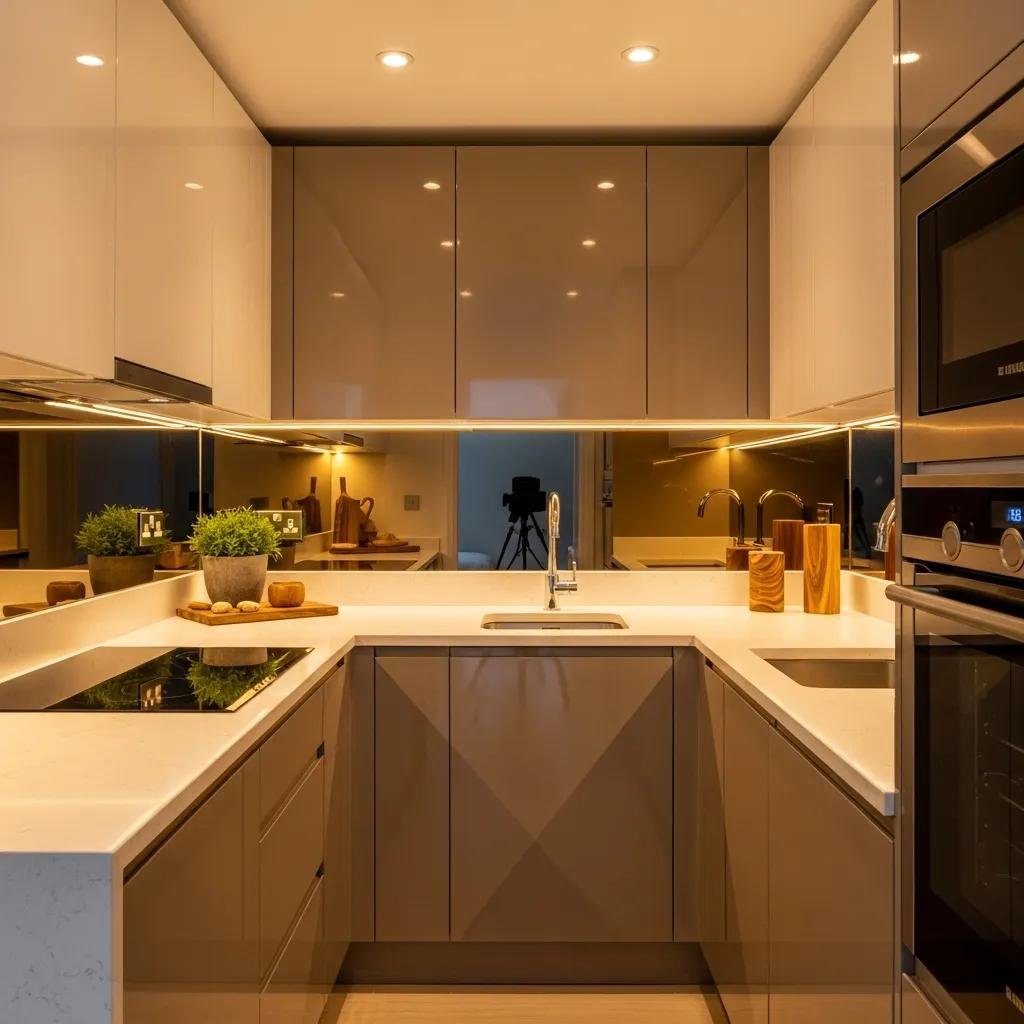
Small Kitchen Remodel Specialists in Washington D.C. — Compact Luxury Renovations with Practical Expertise
In Washington D.C., a small kitchen remodel is about squeezing maximum performance and a refined look into the tight footprints typical of condos and row homes. This guide walks homeowners through layouts that work, finish choices that lift perceived space, storage solutions that reclaim cubic footage, and realistic budgeting for compact, high-end projects. You’ll learn which layouts suit different D.C. property types, how luxury materials make small rooms feel larger, storage systems that improve daily life, and the local cost drivers that influence value. We also show how a design-and-build approach shortens timelines and where design choices most affect resale. Keywords such as small kitchen remodel Washington D.C., compact kitchen storage Washington D.C., and luxury small kitchen design D.C. are used naturally to help local searches and practical planning.
What Are the Best Design Ideas for Small Kitchen Remodels in Washington D.C.?
Successful small kitchen remodels in D.C. combine efficient layouts, light‑reflecting finishes, and multi‑purpose elements so the kitchen works harder and reads larger. Galley and L‑shaped plans tighten the work triangle and improve circulation; reflective backsplashes and integrated appliances reduce visual clutter and boost brightness. A slim peninsula or a movable island can add prep surface and storage without blocking sightlines, and layered lighting—task, ambient, and accent—gives depth and usable light where you need it most.
Top design ideas for compact D.C. kitchens:
- Choose a galley or one‑wall layout in narrow circulation paths to keep clear, efficient work zones.
- Specify full‑height cabinetry and reflective backsplash materials to visually raise the room.
- Add a narrow peninsula or a movable island that doubles as storage and seating.
- Panel‑integrate appliances to preserve continuous surfaces and minimize visual noise.
- Use slim, deep drawers for pots and tailored organizers for easier access.
- Layer lighting to define task areas and introduce perceived depth.
These tactics prioritize everyday usability and the visual cues that make compact kitchens feel roomier; next we break down which layouts best fit common D.C. property types.
Which Compact Kitchen Layouts Maximize Space and Style?
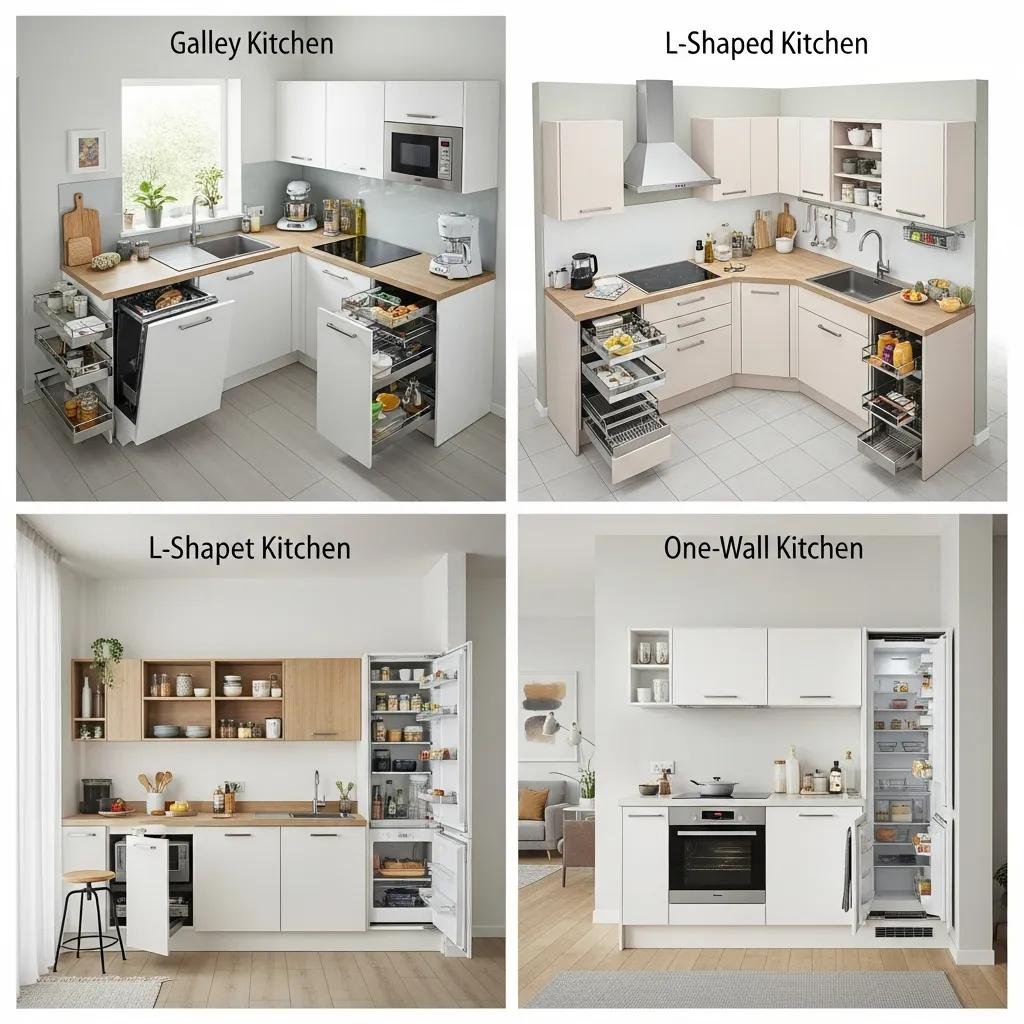
Layout choice depends on property type, traffic patterns, and how you want to use the space. Galley kitchens are ideal for narrow footprints—typical in row homes—because parallel work zones minimize steps between sink and cooktop. L‑shaped plans open naturally to living areas in many condos, offering flexible seating and sightlines while preserving corner storage. One‑wall kitchens suit micro‑units when paired with tall storage walls and integrated appliances to keep sightlines clean. Whatever the plan, prioritize unobstructed circulation and place fridge, sink, and cooktop to form the shortest practical work triangle to reduce fatigue and improve efficiency.
Those layout decisions feed directly into storage choices—smart cabinetry and organizers make any compact plan perform better while keeping the look cohesive.
How Do Luxury Finishes Enhance Small Kitchen Designs?
Luxury finishes elevate a compact kitchen by adding depth, texture, and perceived space without scaling up the footprint. Quartz countertops with subtle veining, large‑format porcelain tiles, and satin‑metal hardware create a cohesive, high‑end look that reads expansive when used thoughtfully. Matte cabinet faces offset reflective glass or metallic accents to balance warmth and brightness, while integrated, panel‑ready appliances maintain uninterrupted planes that visually enlarge the room. Choosing durable, low‑maintenance materials also lowers upkeep and supports resale in the D.C. market.
A short comparison of common luxury finish choices clarifies trade‑offs before you commit.
Intro to finish comparison table: The table below compares common finish choices by durability, visual impact, maintenance, and typical cost per square foot to help prioritize selections for compact luxury kitchens.
Choosing one or two high‑impact materials goes a long way in making a small kitchen feel elevated and durable; next we look at storage strategies that materially increase usable space.
After outlining these design ideas, Scanbuild LLC’s design‑and‑build process has helped homeowners combine luxury finishes and efficient layouts into cohesive small kitchen projects—reach out to discuss a tailored plan for your space.
How Can Smart Storage Solutions Transform Your Small Kitchen Remodel?

Smart storage makes the most of every cubic foot by prioritizing vertical space, specialized pull‑outs, and concealed organizers that preserve a clean look. Full‑height cabinets recover unused upper volumes, toe‑kick drawers and appliance garages reclaim underused lower zones, and pull‑out pantries or narrow spice towers organize items without widening aisles. Modular inserts convert deep drawers into efficient systems for pots and plates. These strategies cut counter clutter and improve day‑to‑day usability—essential in D.C. condos and row homes where space truly matters.
Key storage strategies to consider:
- Full‑height cabinetry with adjustable shelves to exploit vertical volume.
- Pull‑out pantry systems and narrow vertical cabinets for tidy, easy access.
- Deep drawers with internal organizers to replace inefficient base shelves.
These approaches perform best when paired with custom cabinetry and hardware sized to the kitchen’s scale; the table below compares common storage options by space saved, cost, and usability.
This comparison highlights which storage investments deliver the best practical returns; the next section outlines cabinetry options that make these strategies work in real homes.
Scanbuild LLC provides custom cabinetry solutions designed for compact Washington D.C. kitchens, coordinating storage systems with finishes and construction sequencing through our design‑and‑build workflow.
What Custom Cabinetry Options Optimize Space in D.C. Kitchens?
Custom cabinetry adapts storage to irregular walls, stair returns, and service runs common in D.C. homes. Options such as shallow uppers, corner carousel units, and integrated appliance panels preserve clean lines while improving access. Shallow uppers with open shelving lighten the visual field, and deep, full‑extension drawers replace inefficient base shelves for easier reach and better organization. Bi‑fold doors and appliance garages tuck away small appliances, and panel‑ready fridge fronts create a seamless, elevated look. Investing in tailored cabinetry pays off in daily convenience and perceived space quality.
These cabinetry decisions dovetail with pull‑out and vertical systems to increase storage density in tight footprints.
How Do Pull-Out Pantries and Vertical Storage Improve Functionality?
Pull‑out pantries and vertical systems turn narrow voids into highly productive storage, improving visibility and access to pantry items, spices, and cookware. A pull‑out pantry near the cooking zone cuts unnecessary steps and keeps frequently used items within reach, while tall cabinets use floor‑to‑ceiling height for seasonal or infrequently used appliances. Vertical slotted organizers and back‑of‑door racks add organization without sacrificing floor space, and retractable systems preserve aisle width in tight corridors. Combined with labeled zones, these features keep kitchens orderly over time.
These vertical strategies reduce countertop clutter and help dense plans feel organized and larger, which ties directly into cost and value considerations covered next.
What Are the Typical Costs and Value-Adding Features of Small Kitchen Remodels in Washington D.C.?
Costs for compact luxury kitchen remodels in the Washington D.C. area depend on finish level, scope, and site access. Budgeting should focus on cabinetry, labor, countertops, and permitting. High‑impact items—quartz surfaces, integrated appliances, and custom storage—tend to deliver strong resale appeal even in small footprints, while labor and specialty tiling can drive costs on constrained urban jobs. Homeowners should reserve contingency funds for unforeseen structural or mechanical work common in older D.C. buildings. The table below summarizes major cost components and their typical budget shares and resale impact.
Intro to cost comparison table: The following table breaks down common cost components and their typical allocation and resale impact to help prioritize spending.
This breakdown helps homeowners decide where to invest for the best long‑term return; next is a concise budgeting framework you can use.
How to Budget for a Luxury Small Kitchen Renovation in D.C.?
A clear budget framework for a compact luxury remodel allocates roughly 25–35% to labor, 25–30% to cabinetry and storage, 10–15% to countertops and tile, 10–15% to appliances, and reserves 10–15% for contingency. Phasing—such as updating surfaces first and planning cabinetry later—can spread costs while keeping a cohesive design. Get multiple contractor scopes that address access, permits, and timeline to avoid surprises; know where to invest in durable surfaces and where to save on purely aesthetic elements to align the project with resale goals.
This budgeting approach shows which features typically deliver the strongest resale lift, discussed next.
Which Features Increase Resale Value in Compact Kitchen Remodels?
Resale value in compact D.C. kitchens comes from durability, perceived space, and modern efficiency. Integrated, panel‑ready appliances; quartz or large‑format porcelain surfaces; and custom storage that expands usable square footage all appeal to urban buyers. Energy‑efficient compact appliances and high‑quality finishes signal low maintenance, while thoughtful lighting, durable flooring (like luxury vinyl that reads upscale), and clear sightlines to living areas improve buyer perception and can shorten time on market.
Key resale‑boosting features include:
- Integrated appliances and efficient layouts that maximize usable space.
- Durable quartz or porcelain surfaces that require low maintenance.
- Custom storage systems that increase functional square footage.
These value‑adding choices guide spending and shape the design‑build sequence outlined below.
Why Choose Scanbuild LLC as Your Small Kitchen Remodel Specialist in Washington D.C.?
Scanbuild LLC is a luxury design‑and‑build firm serving the Washington D.C. metro area, focused on high‑end kitchen and bath remodels, precision tiling, and premium vinyl flooring. As a single‑source provider we coordinate design, material selection, permitting, and construction to keep communication tight and schedules predictable. Our value lies in thoughtful design, skilled craftsmanship, and a service model that aligns finishes, storage systems, and construction sequencing so design intent survives the build in compact spaces. If you want a coordinated partner experienced with high‑end tiling, custom cabinetry integration, and luxury finishes, our approach simplifies decisions and execution.
Scanbuild’s design‑build process typically follows these client‑focused steps:
- Initial consultation and site assessment to define goals and constraints.
- Design iterations and material selection to balance aesthetics and function.
- Construction scheduling, permit coordination, and single‑point project management.
- Final walkthrough and handover to ensure quality and client satisfaction.
Clients often highlight the benefit of a single point of contact and coordinated teams—fewer delays, clearer expectations, and finishes installed as intended. If you’re planning a small kitchen remodel in Washington D.C., partnering with a design‑and‑build specialist helps align budget, schedule, and luxury finishes within a compact footprint.
Frequently Asked Questions
What are the key considerations when planning a small kitchen remodel in Washington D.C.?
Start by measuring the space and studying traffic patterns—layout, storage, and material choices are the foundations of a successful remodel. Factor in the home’s overall style and local permitting or code requirements. Finally, plan for high‑quality materials and skilled labor: these choices affect daily use and long‑term resale.
How can I ensure my small kitchen remodel stays within budget?
Set a realistic budget up front including materials, labor, permits, and a contingency. Prioritize investments that improve function and resale—cabinetry and countertops—and consider phasing work to spread cost. Get multiple detailed quotes and clarify access and timeline to avoid surprise expenses.
What are some eco-friendly options for small kitchen remodels?
Choose sustainable materials, energy‑efficient appliances, and low‑VOC finishes. Recycled or responsibly sourced countertop and cabinet materials, LED lighting, and efficient appliances reduce environmental impact and operating costs. Durable choices that require less maintenance also support sustainability over time.
How can I make my small kitchen feel larger without expanding the space?
Use light or coordinated color palettes, reflective surfaces like glass backsplashes, and open shelving to create airiness. Keep sightlines clear with integrated appliances and compact multi‑use furniture. Well‑planned lighting and clutter‑reducing storage make the room feel more spacious.
What are the benefits of hiring a design-and-build firm for my kitchen remodel?
A design‑and‑build firm delivers a cohesive vision from initial concept through construction, reducing miscommunication between designer and contractor. With a single point of contact you’ll see streamlined decisions, coordinated schedules, and typically faster, more predictable outcomes. Established supplier relationships can also provide access to better pricing and materials.
What trends are currently popular in small kitchen designs?
Popular trends include integrated appliances for seamless looks, smart kitchen tech for added functionality, and natural materials such as wood and stone for warmth. Bold accents, creative use of color, and inventive storage—pull‑outs and vertical shelving—remain essential for maximizing small footprints.
Conclusion
Turning a small kitchen in Washington D.C. into a luxurious, functional space is entirely achievable with focused design choices. Prioritize efficient layouts, smart storage, and select high‑impact finishes to maximize usability and appeal. Working with a design‑and‑build partner like Scanbuild LLC helps keep budget, timeline, and quality aligned. Ready to start? Contact us today to discuss your project.
Recent Comments