
Achieve the Modern Farmhouse Look in Your Home
Bring the Modern Farmhouse Home: Luxury Kitchen, Bathroom, and Flooring Remodels in Washington, D.C.
Modern farmhouse design pairs clean, contemporary lines with warm, tactile materials to create rooms that feel fresh and comfortably lived-in. This guide shows how to bring that look into luxury kitchen, bathroom, and flooring remodels without sacrificing everyday performance. You’ll find the signature elements of an upscale modern farmhouse kitchen, high-impact bathroom strategies, premium flooring options that keep a cohesive flow, and how Washington, D.C. preferences shape a refined rustic-chic result. We address common pain points—balancing durability with authentic materials, choosing finishes that age well, and coordinating neutral palettes—offering clear, actionable comparisons to simplify decisions. The guide closes with local design cues and practical notes on working with a design‑build partner in the D.C. metro area to turn these ideas into well-crafted results with transparent communication.
Scanbuild LLC serves homeowners across the Washington, D.C. metro area with a single-source design‑and‑build approach that moves projects cleanly from concept to construction. For kitchen remodels, our integrated process streamlines selections, scheduling, and installation while emphasizing high-end tile work and wide-plank LVT flooring. If you’d like a consultation about modern farmhouse priorities and feasibility, we can review layout, finishes, and budget in one conversation. This local, client-focused method eliminates the friction many homeowners face when juggling separate designers, contractors, and specialty trades.
What Are the Key Features of a Luxury Modern Farmhouse Kitchen Remodel?
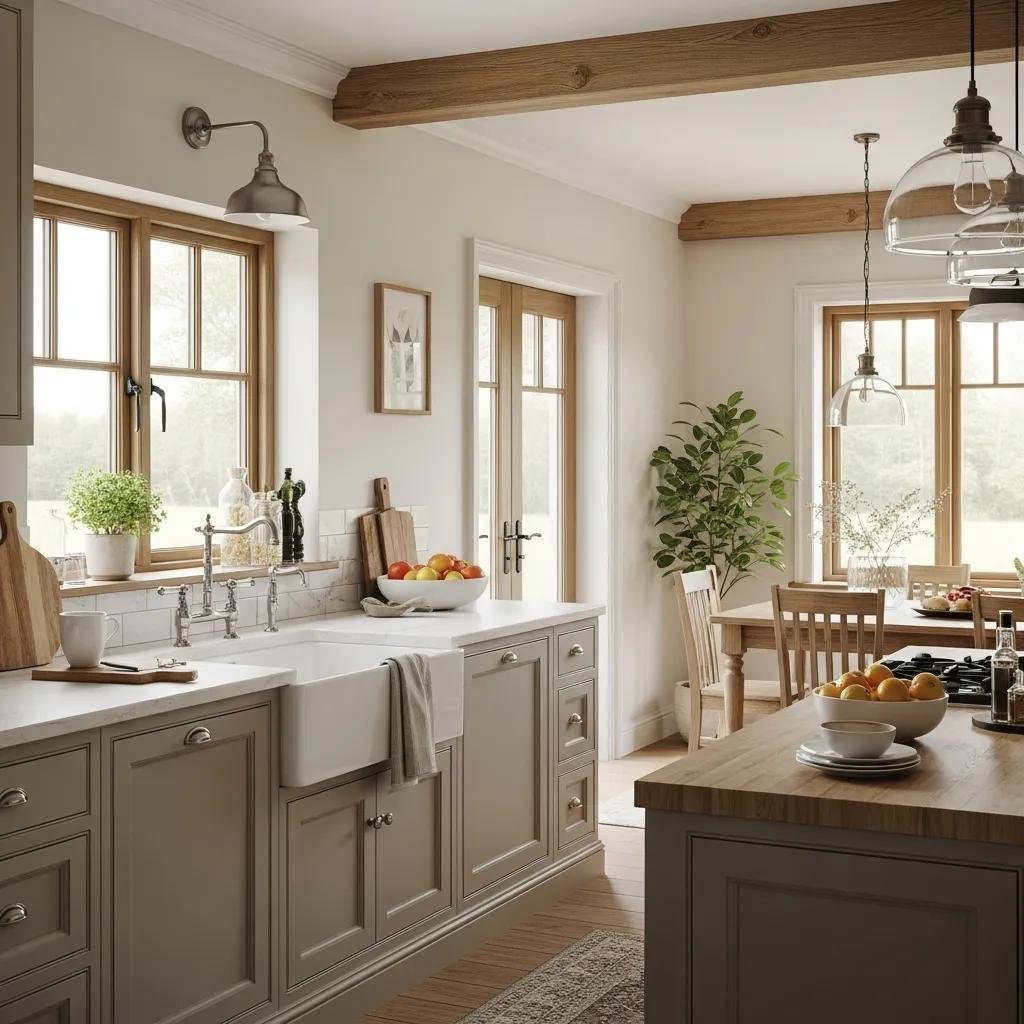
An upscale modern farmhouse kitchen blends classic farmhouse details—like an apron‑front sink and shaker cabinetry—with contemporary finishes and high-performance materials so the space feels both warm and refined. The look comes from pairing tactile surfaces (wood, butcher block, textured tile) with refined hardware and efficient storage, delivering a kitchen that works hard for daily life and reads as a curated centerpiece for family and entertaining. Below are the signature features that steer material and layout decisions for an elevated farmhouse kitchen.
Modern farmhouse kitchens typically include these defining features:
- An apron‑front farmhouse sink that anchors the work area and reads as a handcrafted focal point.
- Shaker-style cabinets in painted neutrals or warm stains, paired with streamlined hardware for subtle contrast.
- Mixed countertop and backsplash materials that balance warmth and durability—quartz, butcher block, or porcelain are common choices.
The table below compares common countertop and backsplash choices so homeowners can weigh looks, durability, and maintenance before locking in finishes.
This side‑by‑side makes the tradeoffs between visual warmth and upkeep clear, helping you prioritize based on lifestyle. That clarity also makes it easier to choose complementary backsplashes—subway tile for restraint, patterned tile for a focal area, or shiplap for added texture.
How Do Farmhouse Sinks and Shaker Cabinets Define the Kitchen Style?
The apron‑front sink signals heritage and craftsmanship and comes in materials like fireclay, stainless steel, or composite, chosen for performance needs. Shaker cabinets provide clean, understated detail; painted whites or warm greiges brighten a space and let hardware read as a deliberate accent. Fireclay gives a period‑authentic matte finish, stainless steel offers heavy‑use durability, and composite options resist stains—each affects maintenance and visual weight. Cabinet construction choices (inset vs. overlay) and hardware selections further refine the balance between rustic and refined.
Which Countertops and Backsplashes Complement Modern Farmhouse Kitchens?
Countertops and backsplashes set the kitchen’s tactile tone. Pairing a warm butcher block island with a quartz perimeter delivers a lived‑in yet resilient composition. Subway tile in a soft grout keeps the look classic; patterned cement tile on a cook wall or floor creates an artisanal focal point without overpowering neutral cabinets. Think about scale—large slab backsplashes feel contemporary, while smaller tiles emphasize texture and shadow. Let maintenance requirements guide pairings so the aesthetic stands up to everyday use.
How Can You Transform Your Bathroom with Modern Farmhouse Renovation Ideas?
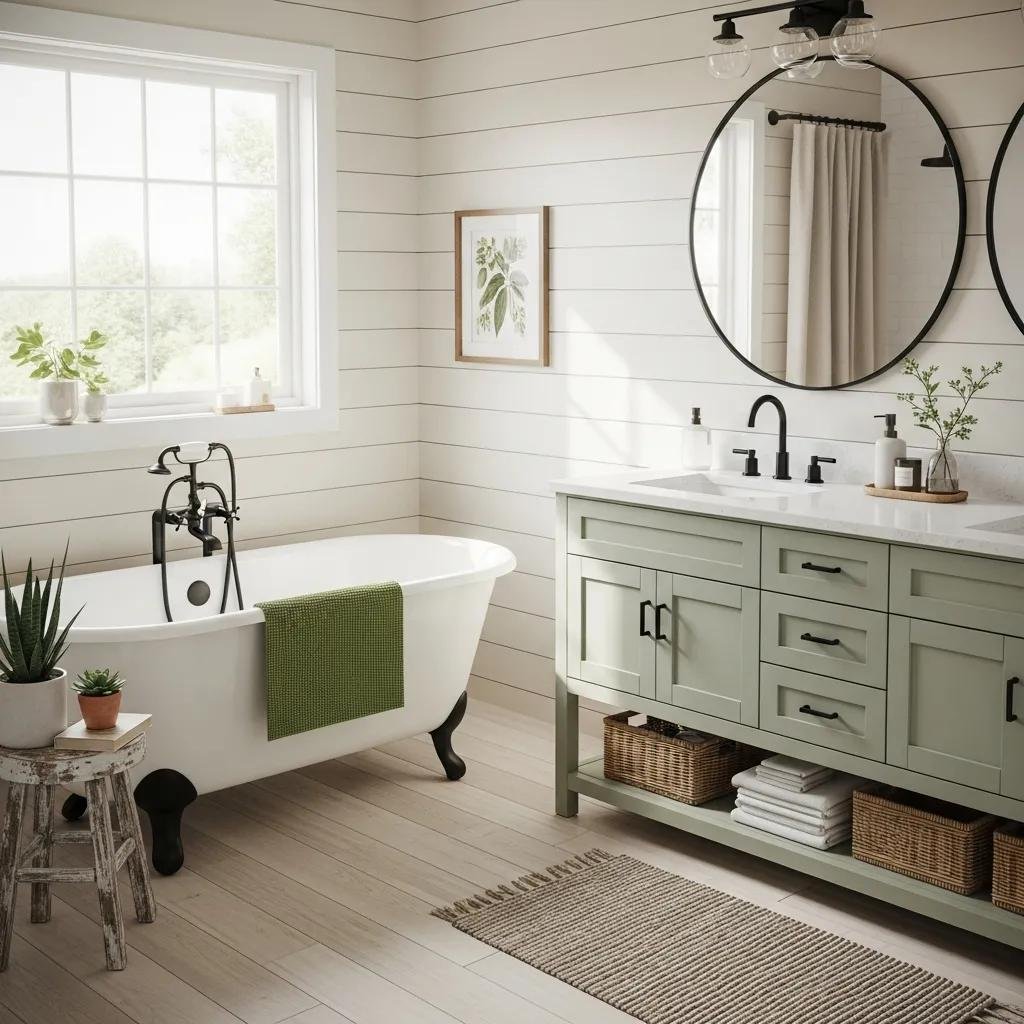
A modern farmhouse bathroom focuses on a calm, textured palette, generous fixtures like freestanding tubs, and layered storage that blends charm with function. The approach pairs moisture‑safe wall treatments, durable tile patterns, and matte black or brushed hardware to create a refined rustic‑chic bath built for daily use. The goal is a restorative, cohesive space that connects visually with the rest of the home. Below are high‑impact features that deliver this experience in luxury renovations.
- A freestanding tub to serve as a sculptural focal point and a place to unwind.
- Shiplap or moisture‑resistant alternatives that add horizontal texture without compromising durability.
- Vanities with shaker styling, ample storage, and water‑resistant countertop materials.
Before choosing fixtures, use the table below to compare finishes and maintenance so your selections hold up visually and practically.
This comparison helps you prioritize fixtures by upkeep and visual impact, simplifying plumbing and layout decisions. Thoughtful fixture selection supports both the farmhouse look and long‑term performance in wet environments.
At Scanbuild LLC, we bring bathroom remodel experience to modern farmhouse conversions and can show portfolio examples that clarify material coordination and layout optimization. Our design‑build process helps homeowners align style goals with plumbing needs, moisture management, and realistic schedules—reach out to request a consultation.
What Role Do Freestanding Tubs and Shiplap Walls Play in Bathroom Design?
Freestanding tubs perform as both bathing fixtures and sculptural anchors that shape circulation and sightlines. Shiplap provides horizontal texture; in wet zones, consider engineered panels or tile that mimic shiplap for better moisture resistance. Plan for tub clearance, plumbing access, and sightlines to create a relaxed, practical bathing area. Coordinate finishes between vanities and accent tile for a cohesive, elevated farmhouse bath.
Which Fixtures and Tile Patterns Enhance the Rustic Chic Bathroom Look?
Tile patterns—hex, subway, or small mosaics—control texture and scale: hex feels contemporary, subway reads classic. Matte black fixtures add crisp contrast to warm whites and soft greiges, while brushed nickel offers a subtler metallic complement. Use patterned cement tile in a shower niche or entry and pair it with wide‑plank floors to balance interest and continuity. Thoughtful pattern placement ensures durability and reinforces the rustic‑chic story.
What Are High-End Farmhouse Flooring Installation Options for a Cohesive Home Design?

Premium flooring unifies a modern farmhouse by providing consistent tone, durability, and thoughtful transitions between rooms to preserve flow.
Choices range from wide‑plank luxury vinyl tile (LVT) that convincingly mimics wood, to wood‑look porcelain and patterned cement tile for accent areas—each has different resilience and maintenance characteristics.
Choosing a primary floor for living spaces and saving patterned tile for entries or bath transitions creates cohesion while allowing personality in targeted spots.
The table below summarizes common flooring types to clarify performance tradeoffs and suggested locations.
This side‑by‑side helps map flooring to traffic patterns and moisture exposure so your material choices support the desired look. Anchor most rooms with a dominant floor material and reserve patterned tile for defined accents to maintain visual harmony.
How Does Luxury Vinyl Flooring Mimic Wood and Stone in Modern Farmhouse Homes?
LVT achieves realism through layered construction: a photographic wood or stone layer, a protective wear layer, and a stable core that resists moisture and swelling. That structure gives long‑term durability in kitchens and baths where hardwood would be vulnerable, while keeping convincing texture and color variation. LVT installs quickly and is repairable, making it ideal for whole‑home continuity; it pairs naturally with shaker cabinets and neutral palettes common in modern farmhouse interiors. Local D.C. installers often recommend wide‑plank LVT to create consistent flow between rooms.
What Are the Benefits of Wide Plank LVT and Patterned Cement Tiles?
Wide‑plank LVT offers visual continuity, warmth, and low maintenance—perfect for open kitchens and living areas where a unified floor enhances perceived space. Patterned cement tiles work best as intentional accents—entryways, mudrooms, or a cook wall—adding craftsmanship and pattern without overwhelming neutral surroundings. Together they balance continuity and focal interest while meeting the varied durability needs of different rooms. Use maintenance and replacement planning to decide which material anchors each space.
How Does Modern Farmhouse Interior Design Reflect Washington D.C. Homeowner Preferences?
Homeowners around Washington, D.C. often favor a refined, neutral approach that respects historic context while embracing modern conveniences, so local modern farmhouse interpretations lean toward elegant restraint. The climate and typical home sizes encourage bright, layered palettes rather than overtly rustic choices, with finishes selected to wear well in urban family life. Introducing vintage pieces and bold black accents creates contrast while maintaining a calm base palette that complements D.C. architecture. The next sections outline palettes and integration strategies commonly used by area designers.
Which neutral palettes and natural materials define the style locally:
- Warm whites and soft greiges that increase perceived light without harshness.
- Engineered wood or wide‑plank LVT in medium tones to bridge traditional and modern interiors.
- Layered textiles—linen and wool—to add tactile warmth without visual clutter.
Designers balance these neutrals with reclaimed wood accents and matte black hardware to create a polished rustic‑chic look that reads modern and grounded. Thoughtful finish selection ensures durability and harmony with local architectural constraints.
Which Neutral Color Palettes and Natural Materials Define the Style Locally?
Locally favored palettes trend toward warm whites, soft greiges, and muted greige‑blues that complement historic masonry and contemporary additions alike. Wood tones are chosen to bridge rooms—engineered or LVT wide planks in oak or walnut provide dependable warmth without overwhelming smaller spaces. Stone and porcelain tile in neutral shades deliver durable, low‑maintenance surfaces that still feel natural and handcrafted. These coordinated choices let homeowners layer vintage finds and black accents for contrast while keeping an overall calm farmhouse aesthetic.
How Do Rustic Chic Remodeling Services Integrate Vintage Finds and Black Accents?
Experienced remodelers add reclaimed or vintage elements—like a salvaged mantel or antique light—selectively so they act as curated focal points rather than clutter. Black hardware and matte fixtures are used sparingly to punctuate neutrals and lift rustic elements into a cohesive modern composition. Providers typically recommend sourcing a few high‑impact vintage pieces for focal zones while pairing them with new, durable materials for everyday performance. This mix of old and new produces a refined rustic‑chic interior that meets the expectations of discerning D.C. homeowners.
Frequently Asked Questions
What are the best materials for achieving a modern farmhouse look?
Mix natural materials—reclaimed wood, stone, and metal accents—to achieve a modern farmhouse aesthetic. Shaker‑style cabinetry in warm neutrals or soft greys is a reliable choice. Countertops that combine butcher block for warmth with quartz for durability strike a smart balance. Add textiles like linen and wool to introduce texture and comfort while keeping the overall composition contemporary.
How can I ensure my modern farmhouse remodel is energy-efficient?
Make energy efficiency part of the plan: upgrade insulation, install energy‑efficient windows, and choose ENERGY STAR appliances. Use LED lighting and consider smart home systems to monitor consumption. Selecting sustainable materials—reclaimed wood or low‑VOC paints—also improves indoor air quality. A design‑build partner can help fold these measures into your renovation without compromising the aesthetic.
What are some common mistakes to avoid when designing a modern farmhouse?
Avoid overloading the space with too many rustic elements, which can feel cluttered. Balance charm with clean, contemporary lines and prioritize layered lighting—ambient, task, and accent—to preserve warmth. Don’t let mismatched materials or colors compete; cohesion is key to a polished outcome.
How do I choose the right color palette for my modern farmhouse?
Start with a base of warm whites or greiges, then layer in accents through textiles, cabinetry, and decor. Consider how natural light affects color in each room and use vintage pieces to inspire accent tones. Aim for a curated, cohesive palette that flows through the home.
What are the benefits of hiring a design-build firm for my remodel?
Hiring a design‑build firm streamlines the renovation by housing design and construction together. This improves communication, shortens timelines, and reduces the chance of misalignment between design intent and execution. A single team also helps with material choices, budgeting, and scheduling, ensuring your modern farmhouse vision is realized efficiently and to a high standard of craftsmanship.
How can I incorporate vintage elements without overwhelming my modern farmhouse design?
Choose a few high‑impact vintage pieces—like a reclaimed mantel or an antique lighting fixture—and use them as focal points. Balance those items with contemporary finishes and durable materials for everyday use. Limiting vintage elements to well‑considered accents keeps the space curated rather than cluttered.
Conclusion
Updating your home with a modern farmhouse aesthetic creates a warm, welcoming environment that balances rustic character with contemporary refinement. By choosing quality materials and thoughtful details, you can achieve a cohesive look that endures. If you’re ready to explore luxury kitchen, bathroom, or flooring remodels in the Washington, D.C. area, partner with Scanbuild LLC for experienced guidance and hands‑on execution. Let our design‑build team help bring your vision to life.
Recent Comments