
Affordable Home Remodeling Options in Your City
Affordable Luxury Home Remodeling in Washington, D.C.: Smart Investments and Value-Driven Solutions
Many D.C.-area homeowners want a high-end look without an oversized budget. “Affordable luxury” is about creating a premium feel through smarter design, material choices, and tight execution—not unchecked spending. This guide shows how cost-effective remodels work in the Washington, D.C. market, where permitting timelines, resale expectations, and local material costs influence decisions. You’ll find practical strategies for kitchens, bathrooms, flooring, and tile; learn how to prioritize upgrades for the best return on investment (ROI); and get checklists, comparison tables, and straightforward steps to plan projects within realistic D.C. cost ranges. Throughout, we call out regional considerations—DMV permitting, neighborhood buyer preferences—and keep the focus on durable, attractive, resale-friendly solutions for affordable remodeling in Washington, D.C.
What Affordable Luxury Means for D.C. Home Remodeling
Affordable luxury delivers a refined, long-lasting result by combining selective material upgrades, intentional design, and efficient delivery—not simply expanding scope. The practical tool is value engineering: spend where people notice first (countertops, cabinet faces, tile patterns) and use cost-effective substitutes where performance is comparable. The outcome is a home that reads as high-end to occupants and buyers while controlling upfront and lifecycle costs. Local factors—permit timing, labor rates, and resale expectations—guide where to invest for the strongest ROI in Washington, D.C. Below are core principles homeowners can apply when planning a budget-minded luxury remodel.
- Prioritize high-visibility surfaces: allocate budget to countertops, cabinet fronts, and hardware to lift perceived quality immediately.
- Choose durable, low-maintenance materials: pick finishes that balance appearance with lifecycle cost for urban buyers.
- Use a design-build approach: consolidate design and construction oversight to reduce change orders and schedule risk.
How Scanbuild LLC Blends High-End Design with Cost Control
At Scanbuild LLC, we use a design-build workflow and value-engineering to deliver luxury results within budget. A single-provider project team reduces scope drift and simplifies vendor coordination. Our regional experience across the Washington, D.C. metro—serving Maryland and Virginia suburbs—lets us anticipate permitting hurdles and buyer preferences that affect ROI. Practically, we build early budgets, set prioritized finish schedules, and leverage vendor relationships for efficient high-end tiling, LVT, and custom cabinetry. The integrated process gives homeowners consistent craftsmanship without excessive contractor handoffs. If you’re ready to talk goals, we offer consultations through our business channels to review design-build options and project feasibility. By focusing scope on high-impact elements, projects achieve a luxury look while staying cost-effective.
Smart Material Choices That Read Like Luxury—Without the Price Tag

The right materials give a premium appearance without runaway costs. Engineered quartz offers stone-like visuals with lower upkeep and stable pricing. Luxury vinyl tile (LVT) convincingly mimics wood or stone while adding water resistance and durability for busy D.C. homes. Large-format porcelain with rectified edges creates seamless floors and walls at a fraction of natural stone’s cost. Small touches—better hardware or layered paint techniques on cabinet doors—can raise perceived value affordably. Compared with structural changes, these substitutions deliver immediate visual impact and better lifecycle value for homeowners focused on ROI.
How to Get a Cost-Effective Luxury Kitchen Remodel in Washington, D.C.
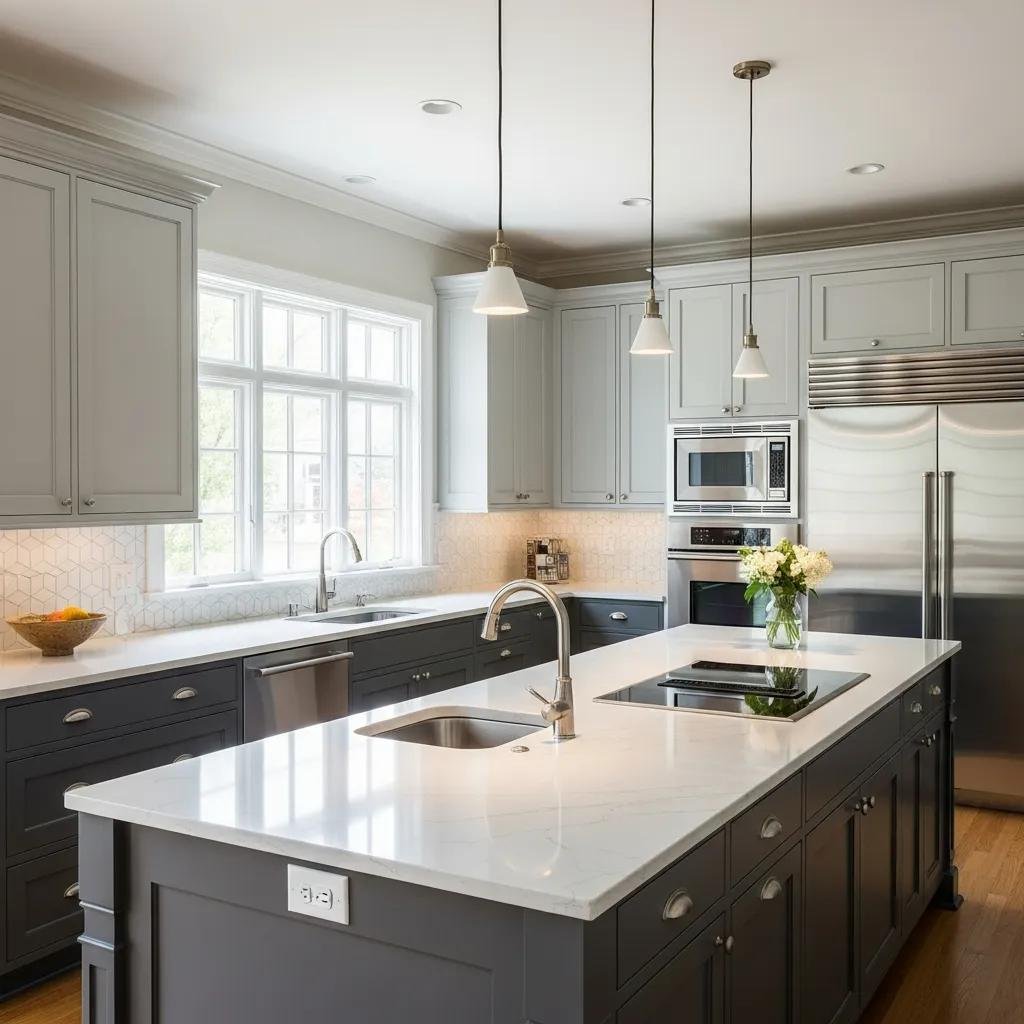
A cost-effective luxury kitchen remodel pairs smart layout decisions, high-impact cosmetic upgrades, and selective material investments to boost both daily use and resale value. Confirm the functional layout and permitting needs first, then direct budget to visible elements—cabinet faces, countertops, backsplash, lighting, and appliance finishes—that shape perception. Use the checklist below to focus limited funds on the highest-return items.
- Confirm layout and workflow: preserve or improve the work triangle before cosmetic work begins.
- Reface or selectively replace cabinetry: swapping door fronts and hardware gives a major style lift at a lower cost.
- Choose engineered quartz countertops: they’re durable, attractive, and more predictable in price than natural stone.
- Invest in layered lighting and refined hardware: these details convey quality without structural expense.
This prioritized approach supports a disciplined budget. The table below compares common upgrade paths so you can weigh cost, perceived luxury, and maintenance trade-offs.
Budget-Friendly Upgrades That Read Like High-End
Small, visible changes often deliver the biggest perception shift. Refacing cabinets or replacing doors while keeping the existing casework refreshes the room at a fraction of replacement cost. Engineered quartz gives the look of stone with simpler upkeep. Upgrading layered lighting—task, accent, and under-cabinet—plus coordinated hardware and a statement backsplash adds depth and polish. Choosing energy-efficient appliances in a unified finish improves performance and curb appeal without reworking plumbing or layout, preserving both everyday enjoyment and resale attractiveness.
Planning Your Kitchen Remodel for Maximum ROI
Start with a clear scope, a realistic budget, and a timeline that accounts for local permitting and market timing in Washington, D.C. Define must-haves versus nice-to-haves, sequence work to minimize downtime, and consult regional Cost vs. Value data to prioritize buyer-valued features—durable surfaces and updated cabinetry consistently score highly. Build a contingency into your budget and file permits early to avoid schedule-driven cost increases. Disciplined planning reduces surprises and helps ensure the finished kitchen returns both daily utility and market value.
Value-Driven, High-End Bathroom Renovation Options for the DMV
Value-driven bathroom remodels focus on durable finishes, efficient layouts, and spa-like details that read as premium without large structural changes. The strategy centers on sensory impact—tile scale, lighting, water delivery, and clean lines—while avoiding costly moves unless they unlock meaningful function. Investing in large-format tile, quality fixtures, and well-designed lighting typically delivers high perceived luxury per dollar. Below are practical strategies and a comparison table to help prioritize fixtures and finishes for durable, attractive bathrooms in the DMV.
- Quality tile and efficient layouts: large-format tiles and minimal grout lines make spaces feel larger and cleaner.
- Prefabricated premium components: luxury-looking modular shower bases or vanities reduce custom labor costs.
- Targeted fixture upgrades: thermostatic valves, rainfall heads, and midrange branded faucets create a spa feel for modest spend.
Compare common bathroom fixtures and finishes to decide where to invest for durability and luxury:
How to Create a Spa-Like Bathroom Without Overspending
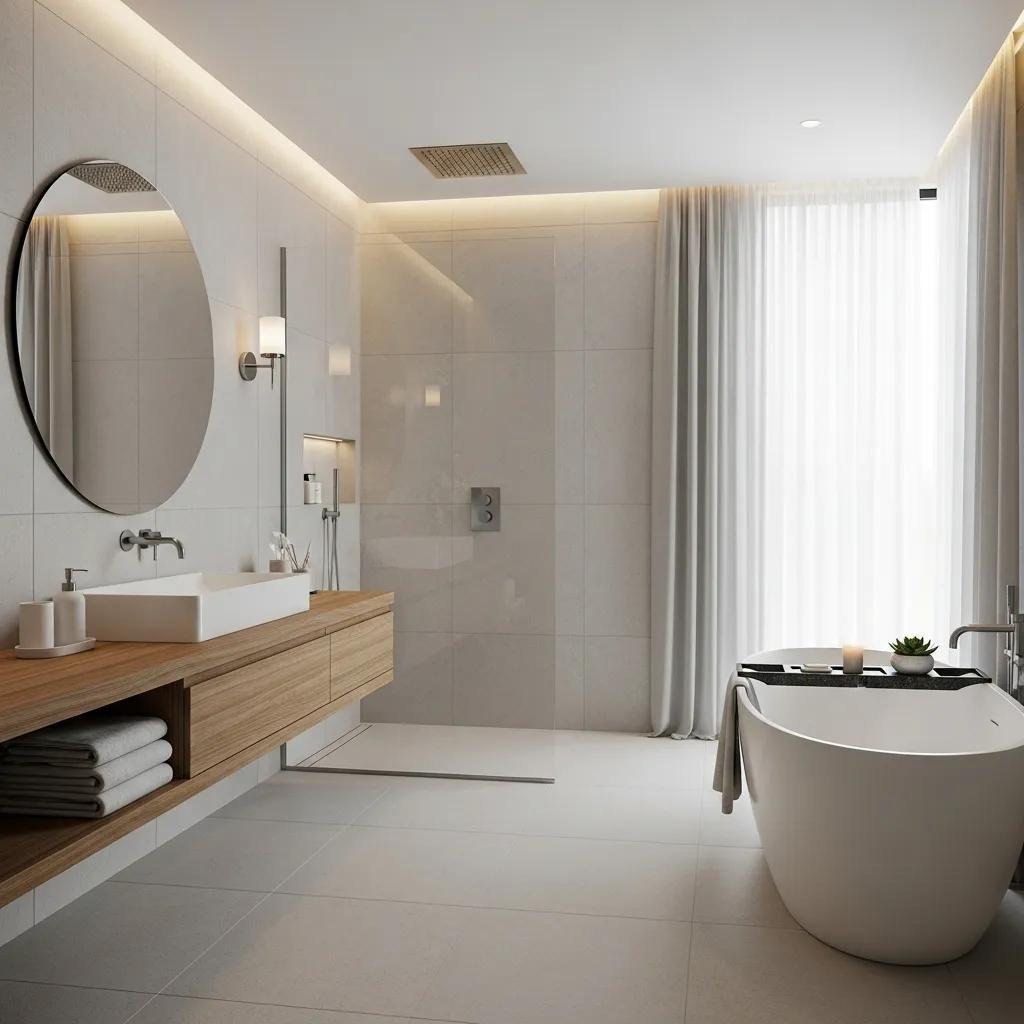
A spa-like bathroom comes from texture, lighting, and water experience more than expensive finishes. Use a neutral palette, large-format tile, and tight grout lines for a calm, continuous look that reads upscale. Add plumbing upgrades like a thermostatic valve and a rainfall head to emulate luxury systems affordably. Layered lighting—recessed, task, and accent—improves both function and perceived quality. Small comfort items such as heated towel rails or underfloor-capable substrates create a premium feel with targeted spend. These choices deliver a relaxing, high-end atmosphere while keeping costs under control.
Which Bathroom Fixtures and Finishes Give the Best Value?
Midrange, well-reviewed fixtures typically hit the sweet spot of cost, reliability, and style for DMV remodels. Branded midtier faucets and shower systems offer refined finishes and warranty support without the premium markup. Porcelain and glazed ceramic tiles mimic natural stone’s look with easier care and lower price. Simple-profile vanities with upgraded hardware create visible refinement buyers notice. Prioritizing these visible elements while saving on hidden systems usually delivers the strongest perceived value per dollar.
Why Luxury Flooring and Tile Are Smart Investments in Washington, D.C.
High-quality flooring and tile give durable surfaces, low maintenance, and strong resale appeal—key advantages in the Washington, D.C. market where buyers expect thoughtful finishes. The main benefits are durability, easy upkeep, and the ability to unify a home visually with coherent materials that signal care and modern design. Cost-effective material choices—LVT in wet or high-traffic areas and porcelain in entryways—deliver a luxury look with favorable lifecycle costs. The compact comparison below helps guide material selection for D.C. remodels.
- Durability and low maintenance: fewer repairs and easier care in urban homes.
- Resale appeal: consistent finishes across living spaces raise perceived overall quality.
- Versatility: modern materials reproduce premium looks while offering water resistance and stability.
Material comparison for D.C. 2024–2025 remodels:
Durable, Affordable Luxury Vinyl Flooring Options
Luxury vinyl (LVT/LVP) gives a water-resistant, realistic wood or stone appearance at a lower installed cost than many natural materials—ideal for urban kitchens, mudrooms, and basements. Compare wear-layer thickness, core type (rigid core vs. flexible), and finish texture; thicker wear layers and rigid cores last longer in high-traffic D.C. homes. Installation method—click-lock floating or glued—affects repairability and moisture performance. Proper underlayment and routine maintenance will extend the product’s life and keep the premium look without the vulnerability of true hardwood in moisture-prone areas.
Selecting High-End Tile Without the High Labor Bill
Choose tile strategies that boost perceived luxury while controlling labor costs: large-format porcelain, rectified edges, and limited, restrained patterns. Larger tiles reduce grout lines for a seamless look but require a flat substrate to avoid lippage; rectified edges allow tighter joints for a continuous surface. If you want natural stone, reserve it for accents or focal points and use porcelain that convincingly emulates stone elsewhere. Simplify layout patterns to cut complex cuts and labor—thoughtful sizing and placement often deliver more perceived luxury than premium material alone.
Frequently Asked Questions
What are the key benefits of affordable luxury home remodeling?
Affordable luxury remodels increase aesthetic appeal, improve functionality, and raise property value—without overspending. By focusing on high-impact design elements and cost-effective materials, homeowners achieve a premium look that still attracts buyers. These projects emphasize durability and low maintenance, so upgrades stay attractive over time. In short: you get a refined living space and a smart financial investment.
How can I determine the best ROI for my remodeling project?
Start by researching local market trends and buyer preferences in Washington, D.C. Focus on projects that traditionally yield strong returns—kitchens and bathrooms top the list. Use resources like the Cost vs. Value report to compare upgrade costs against expected resale value, and prioritize visible, functional improvements that improve daily life and marketability. Consulting local agents or appraisers can sharpen your investment priorities.
What are some common mistakes to avoid during a luxury remodel?
Common pitfalls include overspending on low-impact features, underestimating permitting and timing, and neglecting layout and workflow. Skipping realistic budgeting or contingency is another frequent source of delays and extra cost. The best defense: plan clearly, prioritize high-impact areas, and sequence work to minimize surprises.
How can I ensure my remodel aligns with local buyer preferences?
Research the local market—talk to real estate agents, review recent sales, and visit nearby open houses to see what buyers expect. Prioritize modern finishes, energy-efficient appliances, and functional layouts that match neighborhood norms. When in doubt, choose durable, neutral materials that appeal to a wide range of buyers.
What financing options are available for home remodeling projects?
Common options include home equity loans, personal loans, and cash-out refinancing. Home equity loans often offer lower rates because they use your home as collateral. Personal loans are quicker but may carry higher interest. Cash-out refinancing replaces your existing mortgage with a larger one to free up renovation funds. Compare terms, rates, and repayment timelines to find the best fit for your situation.
How can I maintain the value of my remodeled home over time?
Keep up with regular maintenance and timely updates. Address leaks, cracks, and worn finishes promptly. Routine cleaning and care of high-impact areas—kitchens and bathrooms—will preserve appeal. Periodic refreshes aligned with evolving design trends help too. Proactive upkeep ensures your investment continues to deliver value.
Conclusion
Affordable luxury remodeling in Washington, D.C. lets homeowners achieve a high-end look while maximizing value and function. By focusing on strategic upgrades, durable materials, and design-forward decisions, you can create spaces that serve your lifestyle and attract future buyers. Use value engineering to guide choices, prioritize visible, high-impact elements, and plan with local permitting and market timing in mind. Ready to plan your renovation? Explore our resources and services to get started.
Recent Comments