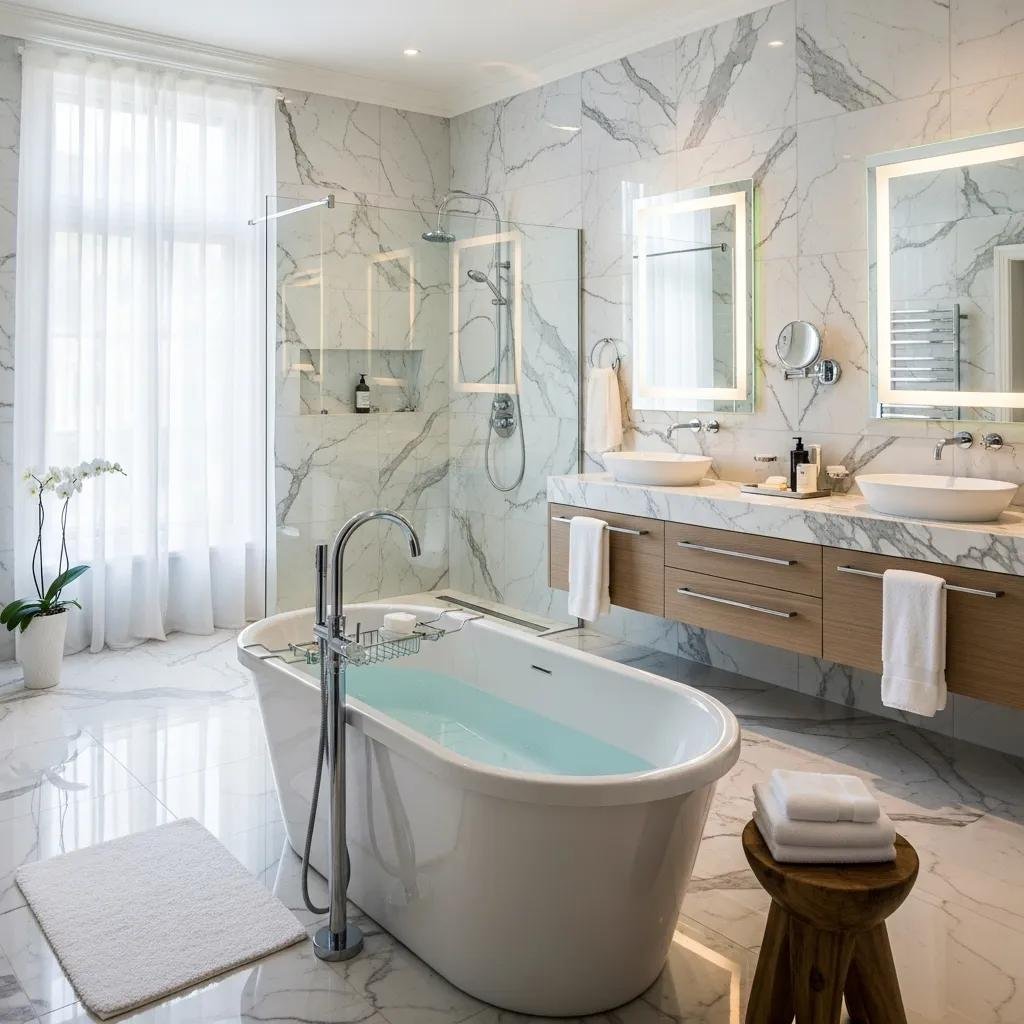
Luxurious bathroom interior featuring a freestanding tub, marble finishes, double sinks, and modern fixtures, ideal for high-end remodeling in Washington D.C.

Top Local Bathroom Designers in Your City
Top Local Bathroom Designers in Your City

Luxurious bathroom interior featuring a freestanding tub, marble finishes, double sinks, and modern fixtures, ideal for high-end remodeling in Washington D.C.

Top Bathroom Designers in Washington, D.C. — Expert Luxury Remodeling Services

Washington, D.C. homeowners planning a high-end bathroom remodel need a clear, practical guide to local designers who deliver lasting luxury, smart function, and strong resale value. This piece walks through the leading designers and design‑build firms across the D.C. metro area, defines what a luxury bathroom remodel includes, summarizes typical cost ranges, and shows how to choose the right professional for your project. Translating a style idea into a buildable plan that meets code, budget, and schedule is one of the most common homeowner challenges — this guide explains how designers, contractors, and suppliers coordinate to resolve those issues. You’ll get an overview of the market, the materials and smart features worth prioritizing, realistic pricing brackets, and practical selection criteria to vet professionals. Read on for comparison tables, checklists, and next steps to evaluate portfolios and get an accurate estimate for a bespoke D.C. bathroom remodel.

Who Are the Leading Bathroom Designers in Washington D.C.?

The area’s top bathroom designers blend interior sensibility with construction experience to create cohesive luxury remodels. Providers include independent design studios, specialists focused on bathrooms, and full design‑build contractors who handle permits, trades, and finishes. A “leading” designer typically shows a consistent portfolio of high‑end work, strong client reviews, reliable material sourcing, and the ability to coordinate plumbing, electrical, and tile work for complex primary‑bath projects. Use the short checklist below to compare local talent before you review firm profiles and vendor partnerships.

  1. Portfolio Depth: Seek varied luxury projects with clear before/after photography.
  2. Technical Coordination: The team should manage MEP coordination and permitting.
  3. Materials Sourcing: Top designers have access to premium tile, stone, and fixtures.
  4. Client Communication: Expect clear timelines, a change‑order process, and regular updates.

These points set the stage for the firm profiles and for how a design‑build contractor integrates design and construction, which we cover next.

What Makes Scanbuild LLC a Premier Bathroom Remodeling Contractor?

Designer and contractor collaborating over luxury bathroom remodeling plans, surrounded by materials and samples in a modern workspace.

Scanbuild LLC serves as a lead and information hub for design‑build remodeling across the Washington, D.C. metro area, including Rockville, Bethesda, Potomac (MD), Vienna, McLean, Alexandria (VA), and Georgetown and Friendship Heights (DC). Our model prioritizes coordinated design‑build workflows to reduce handoffs between designer and contractor — smoothing permit approvals, tightening schedules, and simplifying material sourcing for premium finishes like high‑end tile and luxury vinyl. We also partner with suppliers such as Mosaic Tile Co. to curate material options and offer bathroom packages that run from basic refreshes to fully custom, premium transformations. Homeowners can request an estimate or review package options by phone or email.

Service PackageIncludesTypical Positioning
BasicDesign guidance and standard finishesEntry‑level remodels and ensuite refreshes
StandardFull design + installation with upgraded tile optionsMid‑range remodels with premium touches
PremiumDesign‑build, high‑end materials, project managementPrimary bath and luxury transformations

This package snapshot shows Scanbuild’s structured offerings while keeping the focus on the broader market comparison that follows.

How Do Local Designers Like Maryam Tavosi and Ruth Gorland Enhance Bathroom Designs?

Independent designers such as Maryam Tavosi and Ruth Gorland (representative examples of local talent) emphasize custom detailing, tailored millwork, and layered lighting to create bathrooms that reflect a client’s lifestyle and the constraints of the space. Their process typically prioritizes spatial planning — improving circulation, sightlines, and natural light — and choosing fixtures or tile patterns that act as focal points. These designers work alongside contractors and suppliers: they specify materials, produce drawings, and oversee selections while the design‑build partner handles structural and MEP implementation. Recognizing a designer’s signature — whether layered texture, integrated storage, or bespoke vanities — helps homeowners match aesthetic goals to functional needs before budgeting and contracting.

Enhancing Bathroom Spaces: A Comprehensive Guide to Remodeling

Luxury bathroom featuring a freestanding tub, curbless walk-in shower with rainfall showerhead, custom cabinetry, marble tile walls, and modern dual sinks, emphasizing high-end design elements and spa-like amenities.

Luxury bathrooms in Washington, D.C. combine high‑quality materials, spa‑level amenities, and smart controls that enhance daily comfort and long‑term value. Features that typically mark a project as “luxury” include freestanding tubs, curbless walk‑in showers with multiple heads, heated floors, custom millwork, and high‑performance ventilation and lighting. Material choices such as marble, large‑format porcelain, and engineered quartz paired with premium fixtures and thermostatic valves provide both visual impact and durability. The table below helps homeowners weigh durability, cost, and aesthetic effect when planning finishes.

  • The primary luxury features to consider include:
  1. Freestanding or soaking tubs: Establish a focal point and support relaxation.
  2. Curbless showers with multiple showerheads: Enhance accessibility and deliver a spa feel.
  3. Heated floors and towel systems: Add everyday comfort and perceived luxury.
  4. Ambient and layered lighting: Combine task, accent, and dimmable layers for flexible mood control.

These features inform material selections and system integration, which we discuss next.

Which High-End Materials and Fixtures Define Luxury Bathroom Renovations?

Choosing materials and fixtures requires balancing look, upkeep, and budget to achieve lasting luxury. Marble provides classic richness but needs more maintenance and sealing; large‑format porcelain mimics stone with higher stain resistance and lower upkeep. Quartz and engineered surfaces give durable, non‑porous countertops for vanities, and luxury vinyl tile (LVT) offers a warm, water‑resistant flooring alternative where natural stone isn’t practical. Scanbuild’s supplier partnerships, including Mosaic Tile Co., make premium tile selections and installation guidance more accessible so finishes meet both design intent and performance needs.

Material/FixtureDurabilityCostVisual Impact
Marble tileMedium (requires maintenance)$$$Luxurious, classic
Large-format porcelainHigh$$Seamless, contemporary
Quartz vanity topsHigh$$$Clean, uniform
LVT flooringHigh$-$$Warm, practical

This comparison clarifies trade‑offs so you can prioritize low‑maintenance performance or high visual drama when selecting finishes.

How Do Spa-Like Amenities and Smart Technologies Elevate Bathroom Designs?

Spa amenities and smart systems turn daily routines into restorative experiences while adding real resale appeal. Consider steam showers, programmable thermostats for radiant floors, smart mirrors with integrated lighting and defogging, and touchless faucets — all of which increase comfort and can reduce energy use when tied to smart controllers. Practical examples include thermostatic shower valves for steady water temperature and scene‑based lighting controls to set mood and improve safety. These investments improve daily life and help your property stand out in the D.C. market, where buyers increasingly expect modern, well‑specified homes.

How Much Does a Luxury Bathroom Remodel Cost in Washington D.C.?

Costs for luxury bathroom remodels in Washington, D.C. vary by scope, materials, and structural work. Typical high‑end projects start in the mid five‑figure range and can reach six figures for full primary‑bath transformations. As a quick guideline: smaller luxury remodels often begin around $20,000–$40,000; many primary‑bath projects fall between $40,000 and $90,000; and large, highly customized primary baths can exceed those amounts. The table below gives example scopes and ranges to help with early budgeting — keep in mind a precise quote requires an on‑site assessment and permitting review.

  • Quick price breakdown for clarity:
  1. Small ensuite refreshes: lower‑end luxury upgrades and material refreshes.
  2. Primary‑bath remodels: layout changes, premium tile and fixtures, MEP work.
  3. High‑end custom projects: structural changes, bespoke millwork, and top‑tier finishes.

This pricing overview leads into the detailed example table below.

Project ScopeTypical ScopeEstimated Range (USD)
Small Ensuite RefreshFixture update, new tile, cosmetics$20,000–$40,000
Full Primary Bath RemodelLayout changes, premium materials, new MEP$40,000–$90,000
High-End Custom BathStructural work, bespoke millwork, top-tier finishes$90,000–$150,000+

This example pricing provides a transparent starting point; remember that a site visit is required for an accurate estimate. Scanbuild offers consultations and package options to refine costs based on scope and finish level.

What Are Typical Price Ranges for High-End Bathroom Renovations?

Price brackets depend on scope and finish choices: an ensuite refresh with upgraded tile and fixtures sits at the lower end of the luxury spectrum, while a complete primary‑bath overhaul with custom details occupies the higher range. Key cost drivers include plumbing relocation or structural changes, choice of stone or custom millwork, luxury fixtures and hardware, and specialized tile installation. Budget for contingencies and permit fees, which are common in older D.C. homes. For tailored pricing and to explore Scanbuild’s basic‑to‑premium packages, request a consultation and estimate.

What Financing Options Are Available for Bathroom Remodeling Projects?

Financing a remodel depends on your timeline, interest rates, and available equity. Typical options include personal loans with predictable monthly payments, home equity loans or lines of credit (HELOCs) that often carry lower rates when you have sufficient equity, and contractor‑offered financing that may provide staged payments tied to milestones. Each option has trade‑offs around interest, repayment terms, and impact on home equity — compare offers and consult a financial advisor. Scanbuild can discuss financing pathways during your consultation to align scope with a feasible payment plan.

  • Common financing options include:
  1. Personal loans: Fast approval and fixed payments.
  2. Home equity loans/HELOCs: Often lower interest when equity is available.
  3. Contractor financing: Project‑specific plans and staged payment schedules.

These financing choices lead naturally into the selection criteria for choosing the right local designer and contractor.

How Can Homeowners Choose the Right Bathroom Designer in Washington D.C.?

Selecting the right bathroom designer in Washington, D.C. means evaluating relevant experience, portfolio fit, communication style, and warranty or insurance coverage. Follow a structured selection process: request detailed portfolios with project scopes, verify licensing and insurance, ask for references or neighborhood‑specific examples, and confirm a transparent change‑order and payment policy. The section below outlines the typical design‑build workflow so you know what to expect and how to coordinate decisions and approvals.

  1. Experience with similar scopes: Prioritize designers who’ve completed comparable primary‑bath projects.
  2. Clear process and timeline: Make sure the firm provides milestones and a communication plan.
  3. Verified references and photos: Review before/after images and client feedback.
  4. Licensing and insurance: Confirm contractor licensing and insurance coverage.

These decision factors lead into the detailed design‑build process below.

What Is the Bathroom Remodeling Design Process with Local Experts?

A typical design‑build workflow in the Washington, D.C. area follows these phases: initial consultation and site assessment; schematic and final design with finish selections; permitting and scheduling; construction with regular progress reviews; and final punch‑list and commissioning. Timeframes depend on scope — small refreshes may take a few weeks, while full luxury primary‑bath remodels often run several months when permitting is included. Homeowners are usually responsible for timely finish decisions; the design‑build team coordinates subcontractors, inspections, and quality checks. Understanding the process reduces surprises and helps keep the project on budget and on schedule.

How Do Client Testimonials and Project Portfolios Inform Your Decision?

Client testimonials and portfolios are strong trust signals: they show consistent quality, problem‑solving, and delivery on schedule. When reviewing portfolios, look for before/after photos, clear descriptions of scope and challenges, notes about building or neighborhood type, and client comments on communication and project management. Ask for references or, when possible, visit completed projects to inspect workmanship and finishes. Scanbuild maintains project portfolios and local presence — call or email to request portfolio materials, schedule a consultation, or find our Google Business Profile to read reviews and confirm service area coverage.

  1. Portfolio clarity: Projects should list scope, materials, and outcomes.
  2. Testimonial substance: Look for specifics about timelines, budgets, and responsiveness.
  3. Relevance: Prioritize examples in similar neighborhoods or building types.

Use these portfolio signals to shortlist designers and arrange site visits to finalize your selection.

Frequently Asked Questions

What should I consider when budgeting for a luxury bathroom remodel?

When budgeting, account for scope, finish level, and any structural or plumbing work. Typical costs range from about $20,000 for smaller luxury upgrades to more than $150,000 for bespoke, high‑end renovations. Include contingencies for unforeseen issues, especially in older homes, and factor permit fees, labor, and necessary electrical or plumbing upgrades. A design consultation will help clarify realistic budget targets based on your priorities.

How long does a luxury bathroom remodel typically take?

Duration varies by scope. Small renovations can take a few weeks; comprehensive primary‑bath remodels often require several months, particularly when permitting is involved. The process includes consultation, design finalization, permitting, and construction — each phase affects the overall timeline. Keep communication open with your design‑build team to manage expectations and any potential delays.

What are the benefits of hiring a design-build contractor for my bathroom remodel?

Hiring a design‑build contractor streamlines the process by combining design and construction under one team. That reduces communication gaps, shortens timelines, and increases accountability for delivering the design intent. Design‑build firms manage permits, subcontractors, and scheduling and generally have established supplier relationships to secure quality materials and fixtures aligned with your goals.

How can I ensure my bathroom design reflects my personal style?

Start by collecting inspiration — photos, magazine clippings, and Pinterest boards help clarify your preferences. Build a mood board with colors, materials, and fixtures you like, then share it with your designer. Open, specific communication about layout, aesthetics, and daily habits lets a designer translate your vision into a functional plan that fits your budget.

What are some common mistakes to avoid during a bathroom remodel?

Common mistakes include underestimating cost, skimping on storage, and overlooking lighting and ventilation. Poor planning can create a beautiful but impractical space. Avoid these pitfalls by working with a designer, setting a realistic budget with contingencies, and prioritizing functionality alongside aesthetics.

Are there eco-friendly options available for bathroom renovations?

Yes. Sustainable choices include bamboo or responsibly sourced flooring, recycled glass tiles, and low‑VOC paints. Water‑saving fixtures such as low‑flow toilets and aerating faucets reduce consumption, and energy‑efficient lighting or smart controls lower energy use. Discuss green options with a designer experienced in sustainable practices to find the right balance of performance and aesthetics.

Conclusion

Turning your bathroom into a luxurious, functional retreat is achievable with the right team and materials. By understanding key features, reliable cost ranges, and the design‑build process, you can make informed choices that boost comfort and property value. Take the next step by exploring our curated list of top local designers and contractors — contact Scanbuild today to schedule a consultation and begin your remodel.
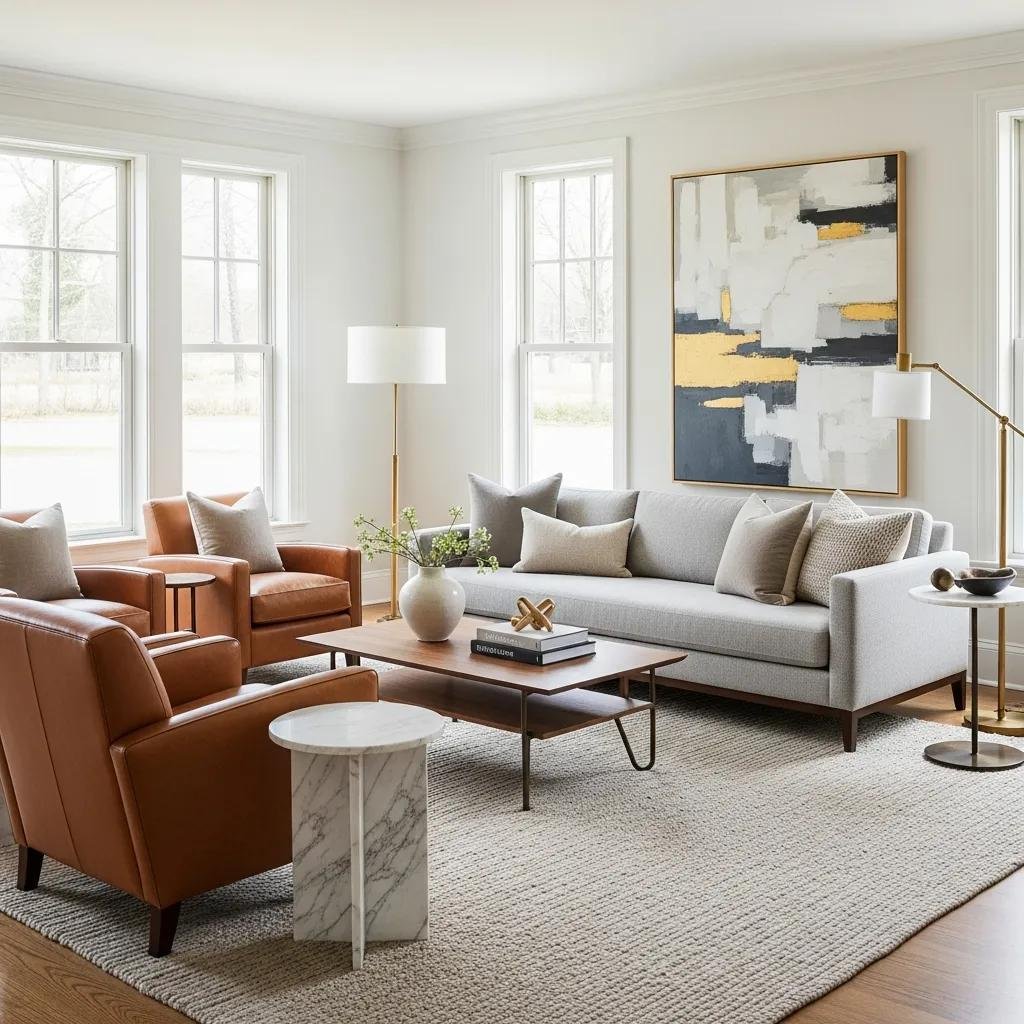
Transitional living room design featuring a neutral color palette, mixed textures, modern furniture, and elegant decor elements, emphasizing comfort and style in luxury interior spaces.

Blending Old & New: Transitional Home Design

Blending Old & New: Transitional Home Design

Transitional living room design featuring a neutral color palette, mixed textures, modern furniture, and elegant decor elements, emphasizing comfort and style in luxury interior spaces.

Luxury Transitional Home Design: Blending Classic Character and Modern Ease for Timeless Interiors

Transitional design marries traditional warmth with contemporary restraint to create spaces that are both elegant and livable. This guide shows how a neutral palette, layered textures, and clean lines combine to form classic‑modern interiors that stay relevant over time and work for everyday life. Many homeowners struggle to mix shaker cabinetry, marble or quartz counters, and modern fixtures without the result feeling mismatched or dated; transitional design resolves that by balancing scale, proportion, and material choices. Below you’ll find a clear definition of the style, essential principles, practical kitchen and bathroom ideas, a comparison of luxury vinyl versus premium tile, step‑by‑step implementation guidance, an element‑by‑attribute decision table, and a brief note about local renovation expertise in the Washington, D.C. metro. Throughout we reference terms like timeless interior design, transitional decor ideas, and luxury transitional kitchen remodel Washington D.C. to help you plan an enduring renovation.

What Defines Transitional Home Design? Key Elements and Style Principles

Transitional design intentionally blends traditional forms with contemporary finishes to create balance, comfort, and lasting appeal. It pairs familiar silhouettes—paneled cabinets, crown molding—with simplified details and modern hardware so spaces feel layered instead of conflicting. This approach produces timeless interiors that support resale value and everyday function through restrained ornament, neutral palettes, and careful attention to proportion. Below is a concise visual vocabulary you can use as a quick reference.

Transitional interiors center on a few consistent elements:

  • Neutral Color Palette: Soft whites, warm greiges, and muted charcoals that provide a calm backdrop.
  • Mixed Textures: Linen, leather, matte metals, and wood grain layered for tactile interest.
  • Clean Lines: Simplified moldings, streamlined furniture, and unobtrusive lighting.
  • Balanced Silhouettes: Traditional shapes rendered at modern scale to avoid visual heaviness.

These elements form a foundation that supports both classic and contemporary accents. The next section explains concrete tactics for pairing old and new components.

How Does Transitional Design Blend Traditional and Modern Aesthetics?

The blend happens one element at a time: replace ornate details with simplified equivalents, and match scale rather than copying style. For example, shaker cabinetry keeps a traditional silhouette but reads fresh when paired with satin‑brass or matte‑black minimalist hardware. Classic millwork combined with a modern pendant over an island creates a clear focal contrast without visual conflict. This element‑by‑element exchange—ornate to simplified, heavy to airy—establishes visual balance and guides material and color choices throughout the home.

Which Neutral Color Palettes and Textures Are Essential in Transitional Interiors?

Favor warm neutrals with a single deeper anchor tone to avoid monotony and let furnishings stand out. Warm greiges, soft whites, and deep charcoals work across kitchens and living areas; textures like natural linen, leather seating, and matte metals add tactility. Introduce subtle accent colors—muted blues or sage greens—sparingly to update traditional tones while keeping a neutral foundation. Thoughtful texture layering prevents a neutral scheme from feeling flat and sets the stage for focal elements like countertops, tile, or statement lighting.

How to Achieve Timeless Transitional Interior Design in Your Home

Turn transitional principles into a project by following a clear sequence: assess your existing architecture, build a mood board, choose materials guided by palette and texture rules, and execute with careful attention to proportion and craftsmanship. This stepwise approach creates cohesive results and reduces costly rework because decisions are validated against the style’s core principles before construction begins.

Follow these practical steps to implement transitional design:

  1. Audit and Prioritize: Identify architectural strengths and functional pain points to preserve or improve.
  2. Build a Mood Board: Collect images for color, cabinet profiles, hardware finishes, and tile patterns.
  3. Select Materials: Pick a neutral base floor, mid‑tone cabinetry, and one accent finish for continuity.
  4. Execute with Scale: Confirm proportions for islands, lighting, and trim to keep rooms balanced.

These steps move homeowners from inspiration to a build‑ready plan. The table below is a quick element‑by‑attribute comparison to guide room‑by‑room choices.

This table compares core transitional elements and how to apply them:

ElementAttributeRecommended Use/Value
ColorToneWarm whites and greige bases for walls and major surfaces
TextureTactile layerLinen upholstery and matte metals to add depth
Furniture SilhouetteScaleMix classic forms with streamlined proportions
LightingFinishUse contemporary finishes on classic fixtures for contrast

Keep this comparison handy during material selection to make sure each choice supports your overall transitional goals. The next sections offer room‑specific ideas and tips for balancing texture and line.

What Are Effective Transitional Design Ideas for Kitchens and Bathrooms?

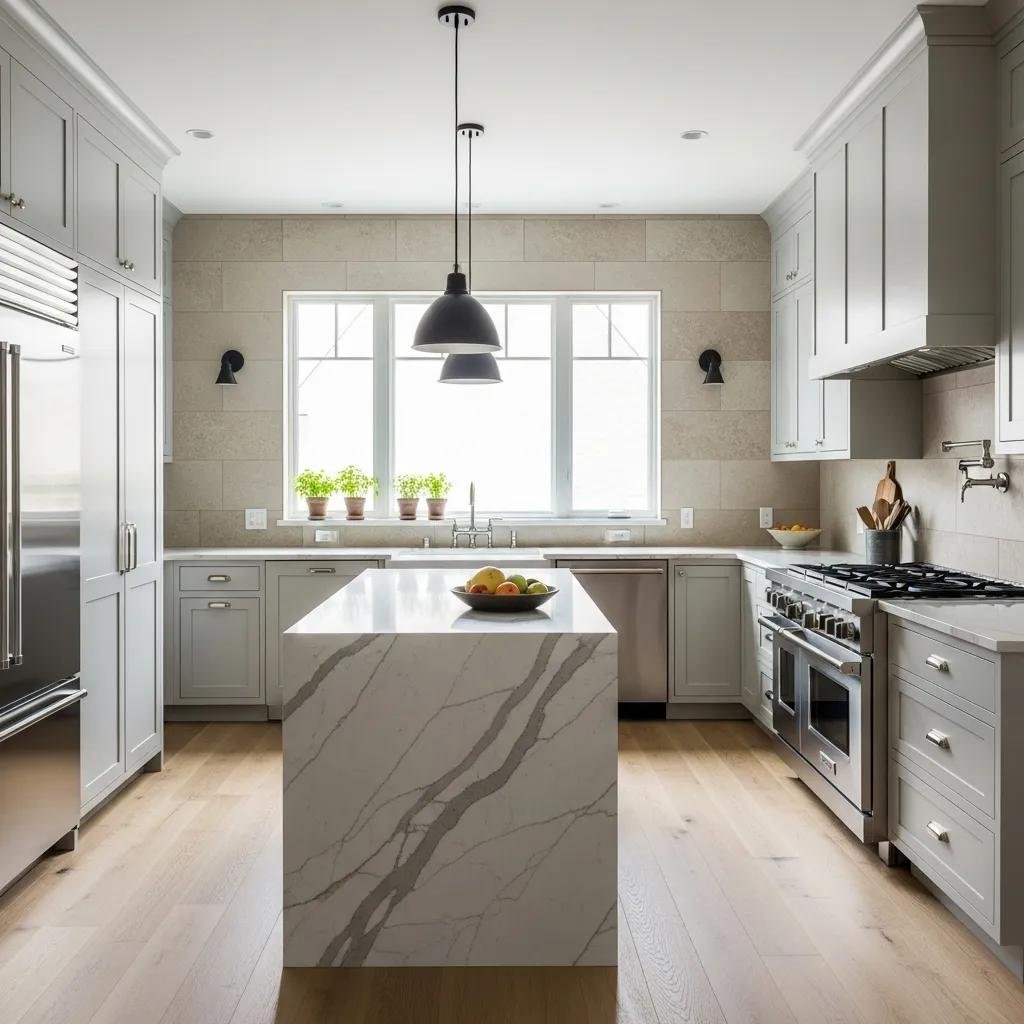
Modern kitchen featuring shaker cabinetry, a minimalist design with a marble-look island, pendant lighting, and natural light from large windows, reflecting transitional design principles.

In kitchens, pair shaker or inset cabinetry with a streamlined island and subdued pendant lighting so the room feels grounded but uncluttered. Choose marble‑look quartz or honed stone counters for classic appeal with better performance in a busy household, and opt for subway or large‑format tile in matte or soft gloss so backsplashes remain timeless. In bathrooms, combine a classic vanity with a frameless glass shower, premium tile, and matte metal fixtures to bridge eras while improving durability and upkeep. These material and layout choices support both beauty and daily function in transitional remodels.

Quick kitchen and bathroom tactics:

  • Cabinetry: Classic profiles updated with modern hardware for subtle contrast.
  • Countertops: Marble‑look engineered stone for lasting beauty and low maintenance.
  • Tile: Neutral large‑format or 3″x6″ subway in matte or soft gloss.
  • Fixtures: Warm metal finishes paired with streamlined shapes.

These selections ensure each room reads intentionally transitional and ready for long‑term appeal.

How Do Clean Lines and Mixed Textures Create Balance in Transitional Spaces?

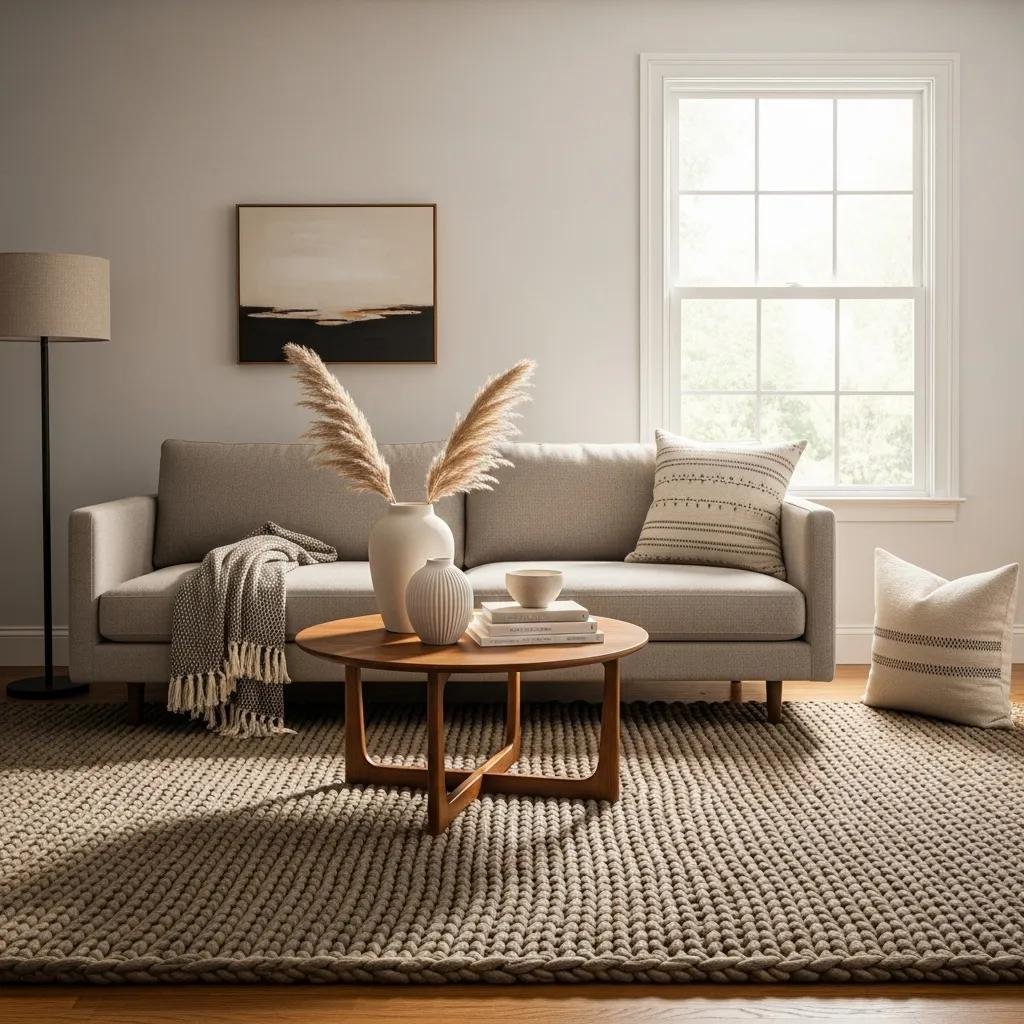
Cozy living space featuring a streamlined sofa with mixed textures, a round wooden coffee table, decorative vases, and a braided rug, emphasizing clean lines and transitional design elements.

Clean lines give the space a calm framework so textures can add character without competing. Use a three‑layer approach—base (floor), mid (upholstery), accent (pillows, small décor)—to build depth while keeping things simple. Scale matters: a streamlined sofa with a substantial textured rug and modest trim reads balanced; oversized trim or too many ornate pieces will push the look back toward traditional. In small rooms keep contrasts subtle; in larger rooms increase tactile scale to retain proportion and visual interest.

Why Choose Scanbuild LLC for Classic Modern Home Renovations in Washington D.C.

Scanbuild LLC provides full design‑build services focused on luxury transitional kitchen and bathroom remodels across the Washington, D.C. metro—serving Rockville, Bethesda, Potomac, Vienna, McLean, Alexandria, Georgetown, and Friendship Heights. Our client‑first approach coordinates design, permitting, and construction under one contract to reduce project complexity and keep quality consistent. Core advantages include luxury craftsmanship, access to premium materials, and deep local knowledge; Scanbuild is licensed, bonded, and insured to deliver high‑end residential renovations. Below is a snapshot of why homeowners choose a local design‑build partner for transitional projects.

Reasons homeowners choose Scanbuild LLC:

  • Design‑Build Simplicity: One point of accountability from concept through completion.
  • Local Expertise: Familiarity with D.C.‑area architecture, codes, and permitting nuances.
  • Premium Materials: Relationships with trusted suppliers for high‑quality finishes.
  • Client‑Focused Process: Clear communication, proactive oversight, and efficient scheduling.

This approach simplifies complex remodels while keeping the transitional design goals front and center. The following sections outline our process and recent project examples.

How Does Scanbuild’s Design-Build Approach Simplify Luxury Transitional Remodels?

Our process starts with an in‑home consultation and design phase that resolves spatial and aesthetic decisions before construction begins, which minimizes surprises on site. With design and construction coordinated, selections, scheduling, and permitting run as an integrated sequence that reduces delays and cost variability. We maintain continuous quality oversight—subcontractor work, tile installations, and finish carpentry are supervised to ensure the final result matches the intended transitional look. This single‑contract model makes decisions clearer and timelines more predictable for homeowners.

What Are Recent Examples of Scanbuild’s Luxury Transitional Kitchen and Bathroom Projects?

Recent projects demonstrate typical outcomes: a Bethesda kitchen that combined inset cabinetry, a matte quartz island, and warm‑brass pendants to create a classic‑modern centerpiece; and a Georgetown bathroom that paired a framed vanity, large‑format porcelain tile, and frameless glass to modernize a historic layout while preserving period proportion. Each project prioritized durable, low‑maintenance materials and balanced composition, resulting in timeless interiors that improved function and homeowner satisfaction. Scanbuild’s portfolios and project galleries showcase these approaches for clients considering similar luxury transitional remodels.

What Are the Benefits of Luxury Vinyl Flooring and High-End Tiling in Transitional Homes?

Luxury vinyl flooring (LVT) and premium tile both serve transitional kitchens and bathrooms well, but they offer different strengths. LVT provides warm, wood‑like visuals with strong durability and simple maintenance; high‑end porcelain or natural stone delivers authentic stone or ceramic aesthetics with excellent longevity. Both support neutral palettes and layered textures that define timeless interiors, and professional installation ensures seams, grout, and transitions reinforce the room’s balance and proportion. Below are concise benefits to help you choose by room and priority.

  • Durability: LVT resists moisture and wear in high‑traffic kitchens; porcelain tile tolerates heavy wet use in bathrooms.
  • Aesthetics: Tile offers authentic stone and pattern options; LVT convincingly mimics wood and smooths transitions in open plans.
  • Maintenance: LVT is low‑maintenance and resilient; high‑end tile lasts for decades with routine grout care.

This comparison helps homeowners prioritize based on room use, visual goals, and upkeep expectations. The table below outlines attributes and best applications.

MaterialAttribute (durability/maintenance/look)Best Room Applications
Luxury Vinyl Flooring (LVT)Water‑resistant, low‑maintenance, wood‑look optionsKitchens, mudrooms, open living‑kitchen spaces
High‑End Porcelain TileVery durable, easy to sanitize, wide range of finishesBathrooms, wet areas, backsplashes and feature walls
Natural Stone (sealed)Luxurious, unique veining, higher maintenanceAccent floors, high‑end bathroom floors and entries

Choosing the right flooring and tile preserves a transitional scheme’s neutral foundation while delivering the practical performance modern life requires. For homeowners who want professional sourcing and installation, Scanbuild LLC coordinates selections and ensures meticulous installation by experienced craftsmen.

Frequently Asked Questions

What are the key benefits of using a neutral color palette in transitional design?

A neutral palette creates a calm backdrop that lets architectural details and furnishings take center stage. Warm greiges, soft whites, and muted charcoals are versatile and age well, making it easier to layer textures and swap accents without overhauling the entire room. In short, neutrals help the space feel cohesive, adaptable, and timeless.

How can I effectively mix textures in a transitional home?

Start with three layers: a base (floor), a mid layer (upholstery), and accents (pillows, small décor). Keep the color story consistent while varying tactile materials—linen, leather, wood, and matte metal—to add depth. The goal is contrast without clutter: let texture provide interest, not chaos.

What are some common mistakes to avoid in transitional home design?

Avoid overloading a space with too many competing styles or colors, which creates visual confusion. Also watch scale—oversized furniture in a small room or too many ornate pieces can upset balance. Finally, resist trendy elements that overpower the core neutral scheme; aim for durable, classic choices that adapt over time.

How do I choose the right materials for a transitional kitchen remodel?

Choose materials that balance traditional looks with modern performance. Classic cabinet profiles (shaker or inset) paired with contemporary hardware work well; marble‑look quartz offers timeless style with easy upkeep. Select neutral tiles and durable flooring that complement the overall palette and support daily use.

What role does lighting play in transitional design?

Lighting shapes mood and highlights texture and architecture. Use layered lighting—ambient, task, and accent—to create depth. Fixtures that combine familiar shapes with modern finishes (for example, a classic silhouette in matte brass) reinforce the transitional balance between old and new.

Can transitional design work in smaller spaces?

Yes. Keep lines clean, stick to a neutral palette to open the space visually, and choose furniture with appropriate scale. Incorporate multifunctional pieces and mirrors to increase light and perceived depth. Thoughtful proportion and restraint make transitional design effective in smaller rooms.

How can I ensure my transitional design remains timeless?

Prioritize quality materials and classic pieces that can adapt to changing tastes. Maintain a cohesive color palette and avoid overly trendy finishes as primary elements. Update accessories seasonally if you want fresh touches without compromising the design’s longevity.

Conclusion

Transitional design is a practical way to combine traditional warmth with modern simplicity, producing homes that feel both stylish and comfortable for years to come. By prioritizing neutral palettes, layered textures, and clean lines—and by working with a disciplined process—you’ll achieve interiors that balance beauty and function. When you’re ready to move from idea to build, a local design‑build partner can streamline the path to a high‑quality result. Discover how Scanbuild LLC can help bring your luxury transitional remodel to life.

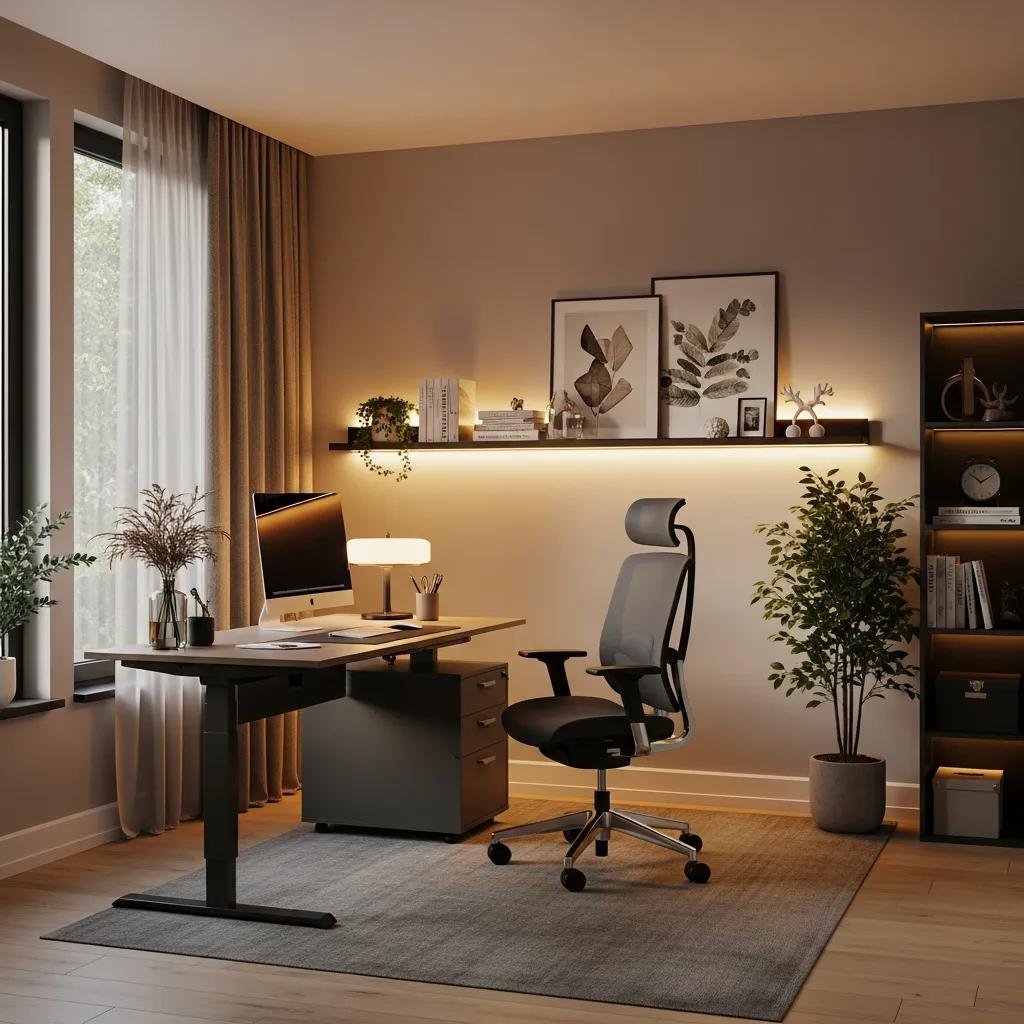
Modern luxury home office featuring ergonomic furniture, layered lighting, and greenery, designed for productivity and comfort.

Modern Home Office Design Trends for Productivity

Modern Home Office Design Trends for Productivity

Modern luxury home office featuring ergonomic furniture, layered lighting, and greenery, designed for productivity and comfort.

Modern Luxury Home Office Design Trends for Productivity in Washington D.C.

A contemporary luxury home office combines refined materials, intentional ergonomics, layered lighting, and acoustic control to create a workspace that supports long stretches of focused work and professional routines. This guide breaks down the design elements that most reliably boost productivity for remote work, explains how they function, and offers practical approaches Washington D.C. area homeowners can adopt. You’ll get clear recommendations for ergonomic furniture, smart lighting, integrated storage, sound control, premium finishes, and connected technology—plus layout, material, and systems guidance that lowers cognitive load and improves daily comfort. We also address common problems—clutter, fatigue, glare, and background noise—with solutions that balance refined aesthetics and real-world performance. Later sections map cabinetry strategies, current wellness-focused trends, and acoustic and lighting tactics suited to high-end residential remodels.

Scanbuild LLC is a local design-build firm and resource for luxury remodels in the Washington D.C. metro area. We translate modern home-office trends into high-end kitchens, baths, and custom cabinetry for homeowners across Rockville, Bethesda, Potomac, Vienna, McLean, Alexandria, and Washington D.C. neighborhoods. If you’re considering a project that blends ergonomics, premium tile, and bespoke storage, Scanbuild LLC provides consultations and hands-on project guidance.

What Are the Key Elements of a Modern Productive Home Office?

A productive home office is a careful combination of ergonomics, layered smart lighting, purposeful storage, acoustic treatments, durable premium materials, and dependable connectivity. Each element targets a specific productivity barrier—ergonomic furniture eases physical strain, lighting supports visual comfort and circadian cues, storage removes visual clutter, acoustics limit distractions, materials provide lasting tactile quality, and technology keeps systems reliable. Below is a concise checklist of the core levers to prioritize when planning a luxury home office.

Prioritize these design levers to get the biggest day-to-day impact:

  • Ergonomic furniture to reduce musculoskeletal strain and enable longer, more comfortable work sessions.
  • Layered smart lighting to reach the right task lux levels and create adaptable ambiance for video calls.
  • Integrated storage that hides clutter and keeps frequently used items organized and within reach.
  • Acoustic treatments and soundproofing to cut background noise and protect concentration.
  • Premium, durable materials (hardwoods, quartz, LVT) that elevate appearance and stand up to daily use.
  • Reliable connectivity and thoughtful cable management to keep your setup uninterrupted and tidy.

These priorities produce measurable improvements in comfort and focus. The sections below explain how to choose ergonomic furniture and smart lighting that fit a luxury remodel.

How Does Ergonomic Furniture Enhance Comfort and Efficiency?

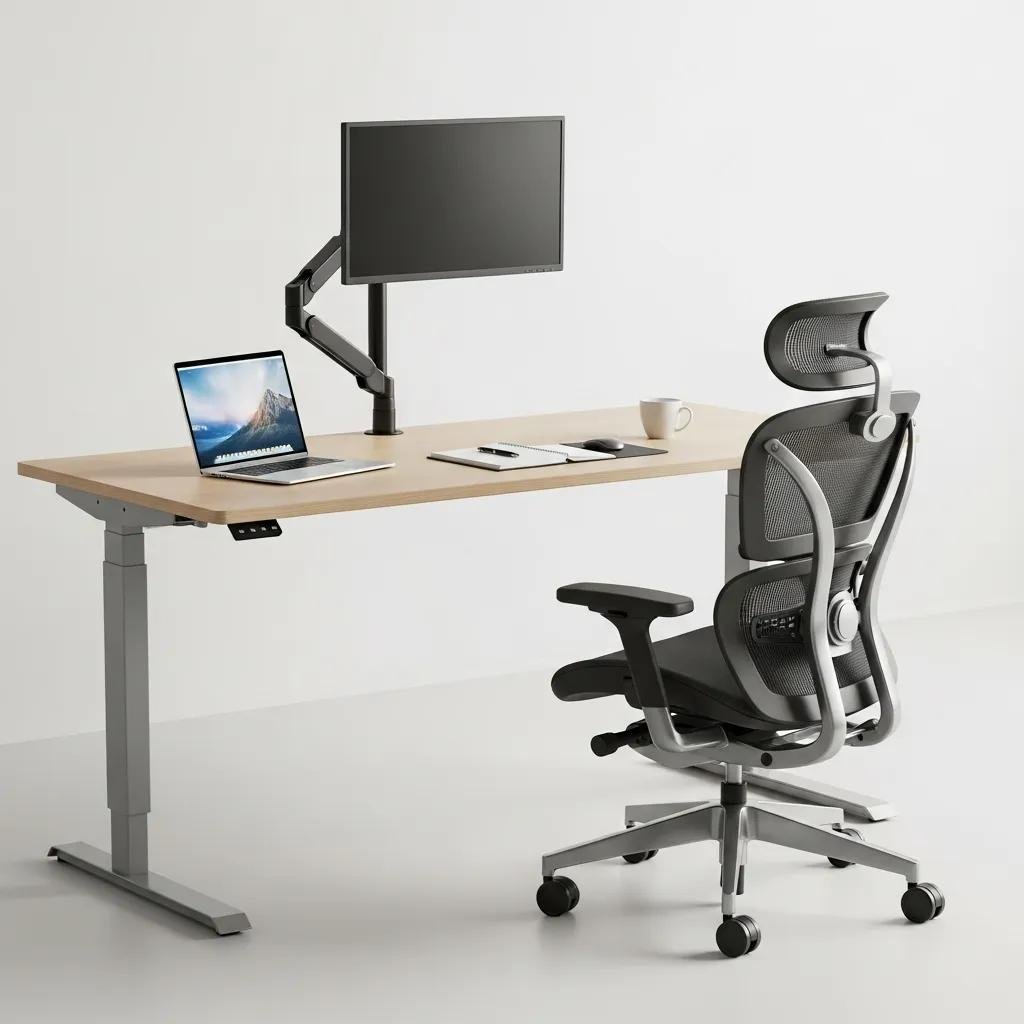
Ergonomic office setup featuring an adjustable desk, task chair with lumbar support, and monitor arm, designed for comfort and efficiency in luxury interiors.

Ergonomic furniture supports neutral posture and minimizes repetitive strain through adjustability, proper lumbar support, and correct screen positioning. Sit–stand desks, task chairs with precision lumbar and tilt, and monitor arms that set screens at eye level reduce fatigue and improve circulation—fewer breaks and steadier focus follow. High-end ergonomic products pair durable construction and refined finishes, so they feel at home in luxury interiors while performing under heavy daily use. In a remodel, ergonomics inform spatial decisions—desk heights, circulation paths, and storage are specified to match the user’s measurements and workflow.

Specifying ergonomics early also influences other choices—flooring underlayment, under-desk power, and cable routing are selected to preserve comfort and system reliability around the chosen furniture.

Why Is Smart Lighting Essential for Focus and Ambiance?

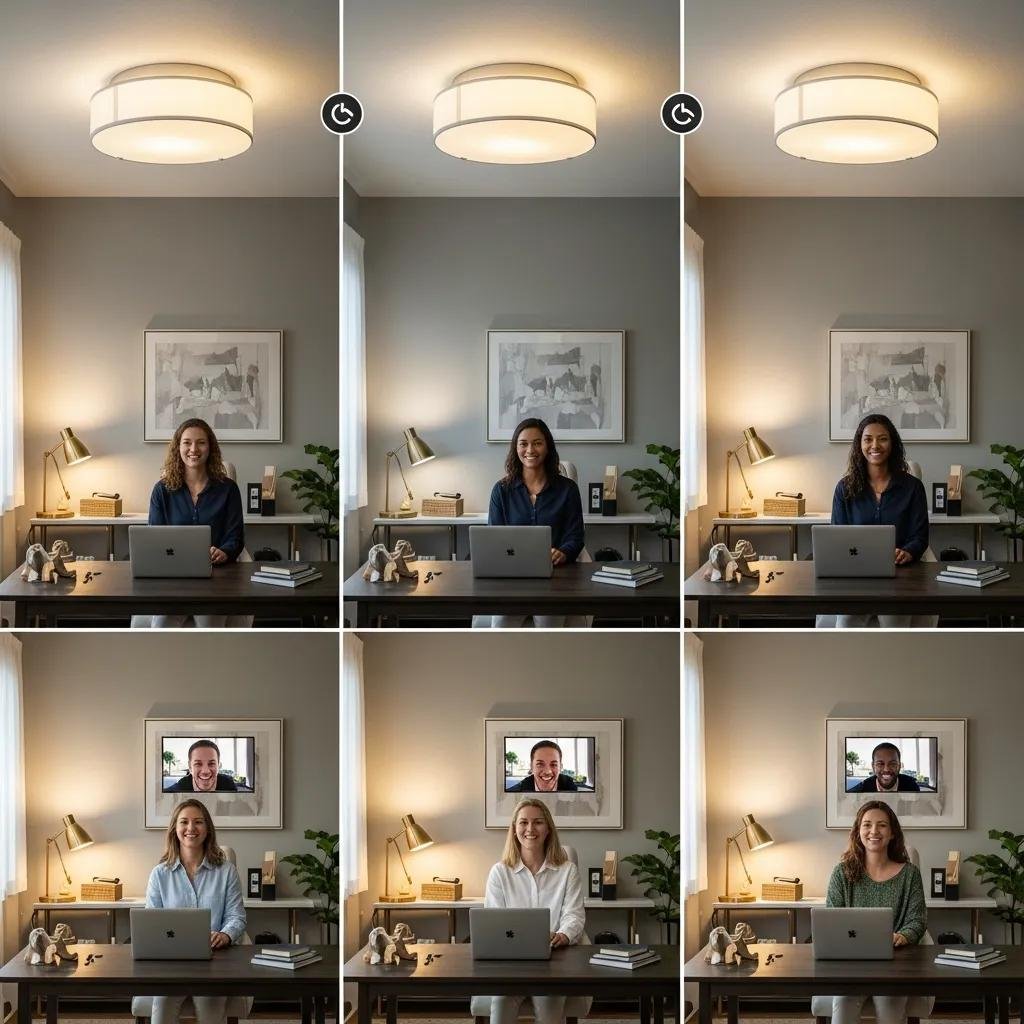
Modern home office featuring smart lighting, ergonomic desk setup, and a woman at a laptop, illustrating focus and ambiance in a luxury interior design context.

Smart lighting uses layered fixtures—ambient, task, and accent—plus controls to create scenes that support concentration, reduce eye strain, and manage circadian cues through the day. A task plane at roughly 300–500 lux improves detail work and cuts glare; ambient lighting evens illumination across the room and accent fixtures add depth for a sophisticated interior. Dimmers, timers, and circadian presets let users move quickly between focused work, video calls, and winding-down scenes, saving energy while sustaining performance. Select high-CRI LEDs and matte finishes for consistent, refined light that renders materials and skin tones accurately.

Integrating smart lighting in a remodel requires coordinating fixture placement with window treatments, reflective surfaces, and control locations so scenes behave predictably as daylight changes.

ElementCharacteristicProductivity Benefit
Ergonomic ChairAdjustable lumbar, tilt lockReduces back strain and supports longer focus
Layered LightingAmbient, task, accent + controlsReduces eye strain and supports circadian rhythm
Integrated StorageBuilt-in drawers, cable channelsMinimizes visual clutter and speeds workflow

This side-by-side shows how pairing core elements translates directly into daily performance gains and guides material and hardware choices during design.

How Can Custom Cabinetry and Storage Improve Your Home Office?

Custom cabinetry and integrated storage turn underused walls and alcoves into purposeful work zones that conceal equipment, route power, and preserve a clean visual field—exactly what high-end remote work requires. Thoughtful built-ins deliver tailored ergonomics, hide printers and routers, and include soft-close hardware and wire management to maintain the room’s refined aesthetic while boosting usability. Material selection—solid woods, premium laminates, or quartz accents—shapes maintenance needs, tactile quality, and perceived value; durable finishes resist wear from daily use. Below is a short comparison of common cabinetry approaches and what they provide for a luxury home office.

Custom cabinetry produces tangible benefits for productivity and resale value:

  1. Space Efficiency: Built-ins use vertical storage to expand desk area while keeping essentials within reach.
  2. Workflow Support: Integrated charging stations and concealed filing reduce interruptions and keep tasks moving.
  3. Aesthetic Cohesion: Coordinated materials link the office to the rest of a remodel, raising perceived quality.
Cabinetry SolutionFeatureValue for Office
Built-in DeskCustom dimensions, cable portsTailored ergonomics and clean power routing
Wall CabinetsAdjustable shelving, doorsConceals clutter and stores reference materials
Integrated Drawer UnitsSoft-close hardwareProtects items and enables quiet operation

These cabinetry options show how design decisions streamline daily routines and keep the workspace calm and composed.

If you’re ready to add bespoke storage, Scanbuild LLC offers design-build services that include built-in desks, integrated power management, and luxury finishes—tailored for Washington D.C. area remodels—with consultations to align storage solutions to your workflow and material preferences.

What Modern Design Trends Boost Productivity and Well-being?

Current trends—biophilic design, restrained minimalism, smart-home integration, and multifunctional planning—deliver measurable benefits for productivity and well-being by lowering stressors and optimizing the environment for cognitive work. Biophilic elements increase daylight, plant presence, and natural materials that help restore attention. Minimalist design reduces decision fatigue by limiting visual clutter. Smart integration links lighting, HVAC, and AV systems into presets that adapt the room to specific work modes. Flexible furnishings let a single room move between focused work and video calls without losing its formality. These trends matter especially in high-end residences where owners expect both elegance and measurable performance gains.

  • Biophilic design: introduces natural materials and plants to improve mood and aid cognitive recovery.
  • Minimalist palettes: simplify the visual field and reduce distractions for sustained focus.
  • Smart integration: automates scenes for focus, calls, and rest—saving time and mental effort.
  • Flexible furnishings: adapt to changing remote-work needs and household use without compromising style.

Designers and remodelers across the Washington D.C. area increasingly combine these approaches to produce offices that feel calm, considered, and technically capable. Scanbuild LLC has applied biophilic, minimalist, and smart-technology solutions in local luxury projects and can advise on material pairings, plant choices, and systems integration to meet client goals.

How Does Biophilic Design Influence Health and Focus?

Biophilic design reconnects occupants with natural elements—daylight, plants, wood, and stone—which research links to reduced stress and better attention recovery during short breaks. Implementation ranges from potted plants and living walls to maximizing daylight through window placement and selecting tactile materials like oak or quartz. In compact urban offices, compact planters, green shelving, and targeted botanical lighting deliver similar benefits without requiring extra floor area. Choose low‑VOC soils and plant species suited to indoor light levels to minimize maintenance while maximizing physiological benefit.

Adding natural elements encourages brief restorative pauses and improves perceived air quality—small changes that support more resilient focus across long workdays.

What Role Does Minimalism Play in a Productive Workspace?

Minimalism reduces visual clutter and the number of daily choices, which lowers decision fatigue and preserves cognitive bandwidth for deep work. To keep a minimalist scheme feeling warm, layer textures—wood grain, soft textiles, and matte metal accents—so the room reads inviting rather than clinical. Storage that hides items out of sight is essential: the fewer things on the desktop, the fewer temptations to task-switch. Thoughtful curation and a restrained palette streamline routines and support sustained attention.

A minimalist approach combined with high-quality tactile materials maintains an air of luxury while maximizing the cognitive benefits of a simplified visual environment.

How Do Soundproofing and Acoustic Solutions Create a Quiet Sanctuary?

Sound control solves two related issues: blocking outside noise (soundproofing) and improving the room’s internal acoustics (absorption and diffusion). Effective home-office strategies pair insulation and airtight seals for walls, ceilings, and doors to limit transmission with interior absorbers—acoustic panels, rugs, and soft finishes—to reduce reverberation and improve speech clarity. In many residential remodels, targeted upgrades—additional cavity insulation, acoustic door seals, and well-placed fabric-wrapped panels—deliver large reductions in distraction without harming aesthetics. For severe problems, a professional assessment will locate structural gaps and recommend insulation R-values and panel NRC targets for predictable outcomes.

Practical problem-solution recommendations:

  1. Blocking traffic or neighborhood noise: Add cavity insulation and improve seals at doors and windows to reduce intrusion.
  2. Reducing reverberation: Install fabric-wrapped acoustic panels and area rugs to absorb mid‑high frequencies and sharpen speech clarity.
  3. Isolating equipment noise: Enclose noisy devices in ventilated cabinetry with sound-damping liners to keep background hum out of calls.
Acoustic OptionPerformance CueUse-case
Fabric-wrapped PanelNRC 0.6–0.9Absorbs speech reflections in the mid–high range
Insulation UpgradeIncreased R-valueBlocks airborne noise between rooms
Door Seals & ThresholdsAir-tighteningReduces flanking noise through gaps

Combining these treatments addresses both external intrusion and internal reverberation. For major remodels that touch walls or ceilings, a professional acoustic assessment integrated with cabinetry and lighting plans ensures sound control fits neatly into the luxury finish palette.

Which Acoustic Panels and Insulation Techniques Are Most Effective?

Fabric-wrapped panels, wood-slat absorbers, and engineered foam each have distinct acoustic signatures and visual possibilities; NRC (noise‑reduction coefficient) ratings help match materials to priorities—speech clarity versus low‑frequency control. Insulation upgrades in wall cavities and decoupling techniques (resilient channels, isolated framing) help block transmission, while resilient mounts reduce structure-borne sound. Luxury installations often pair high-performance acoustic materials with decorative finishes—wood slats, textile wraps, or integrated shelving—so the room performs quietly without sacrificing style.

Choose materials based on the room’s dominant noise sources and desired finish; a diagnostic measurement best informs the right trade-offs between performance and appearance.

How Can Layered and Smart Lighting Enhance Work Environment?

Layered lighting—ambient ceilings, task lamps, and accent fixtures—paired with smart controls creates scenes tuned to different activities: focused work, long video calls, or creative review. Smart presets can offer a bright, cool task scene for deep focus, a neutral balanced scene for on-camera meetings, and a warmer, dimmed scene for end-of-day transitions that support circadian rhythm. Voice and app control, occupancy sensors, and scheduling make switching modes effortless while saving energy. Specify fixtures with high CRI and consistent color temperatures so materials and skin tones look natural on camera.

Program scene presets tied to calendar events or daily schedules to remove small decisions and maintain consistent visual conditions that support productive work.

How Do Layered and Smart Lighting Enhance Work Environment?

Lighting scenes mapped to work modes remove the small daily choices—what brightness or color temperature to use—and let users concentrate on tasks instead. Smart lighting also coordinates with HVAC and motorized shades so the workspace responds smoothly to time of day and activity, reinforcing a predictable, productive environment.

Frequently Asked Questions

What are the benefits of incorporating biophilic design in a home office?

Biophilic design brings natural elements—plants, daylight, and organic materials—into the workspace. This connection to nature can reduce stress, improve mood, and aid attention restoration during short breaks. Features like well-placed windows, compact living walls, or curated plant groupings also enhance perceived air quality and make the room more inviting for sustained work.

How can I effectively manage clutter in my home office?

Manage clutter with strategic storage and regular habits. Custom cabinetry and integrated storage hide less-used items, while desk organizers and labeled bins keep daily tools accessible. Adopt a minimalist surface strategy—only the essentials on your desktop—and schedule short weekly declutter sessions to keep systems running smoothly.

What types of technology should I consider for a luxury home office?

Invest in smart systems that improve comfort and reliability: a layered lighting system with circadian presets, automated shades, robust Wi‑Fi and wired Ethernet where needed, and high-quality AV for video conferencing. Centralized control via an app or voice assistant simplifies operation and ties systems into seamless scenes.

How can I ensure my home office is ergonomically designed?

Prioritize adjustable furniture: a chair with calibrated lumbar support, a sit–stand desk, and monitor arms that place screens at eye level. Set keyboard and mouse heights to keep wrists neutral, and plan circulation so frequently used items are within easy reach. A short ergonomic assessment or fitting session ensures dimensions match the primary user.

What are some effective soundproofing techniques for a home office?

Effective techniques include adding wall cavity insulation, sealing gaps around doors and windows, and using acoustic panels to control reverberation. Soft furnishings—rugs, curtains, upholstered furniture—also help. For persistent problems, consider acoustic doors, resilient mounting, or cabinet enclosures for noisy equipment.

How can I incorporate smart lighting into my home office design?

Choose fixtures and bulbs that support app or voice control. Combine ambient, task, and accent lighting, and use smart bulbs that adjust color temperature and brightness. Link lighting presets to routines or calendar events and integrate them with other smart systems to streamline transitions between work modes.

Conclusion

Designing a modern luxury home office in Washington D.C. improves productivity when you combine thoughtful ergonomics, layered smart lighting, and integrated storage. These elements raise comfort and focus while elevating the room’s overall aesthetic. With the right materials and systems, your home office becomes a reliable, beautiful workspace. Contact Scanbuild LLC to explore tailored design-build solutions that bring your ideal office to life.

Luxurious bathroom featuring a freestanding white tub, natural stone tiles, dual sinks, modern fixtures, and elegant lighting, showcasing high-end renovation design.

Explore Our Bathroom Renovation Packages

Explore Our Bathroom Renovation Packages

Luxurious bathroom featuring a freestanding white tub, natural stone tiles, dual sinks, modern fixtures, and elegant lighting, showcasing high-end renovation design.

Explore our luxury bathroom renovation packages in Washington, D.C.

Our luxury bathroom packages take the guesswork out of remodeling by bundling design-and-build services, premium materials, and project management into clear tiers. This guide explains how tiered options—Premium, Standard, and Basic/Primary—help Washington D.C. homeowners set realistic budgets, choose finishes that fit their lifestyle, and get faster, more accurate quotes. Many projects slow down because of scope creep, confusing product choices, or unclear timelines; tiered packages tackle those issues by grouping high-impact inclusions and straightforward upgrade paths. Below you’ll find package details, transparent cost ranges, the top 2024 bathroom design trends, and what to expect when remodeling in the D.C. area. Ready to discuss a plan tailored to your home? Schedule a free consultation with Scanbuild LLC, a Rockville-based design-and-build resource specializing in luxury bathroom remodeling for the Washington D.C. metro area.

What luxury bathroom renovation packages does Scanbuild LLC offer in Washington D.C.?

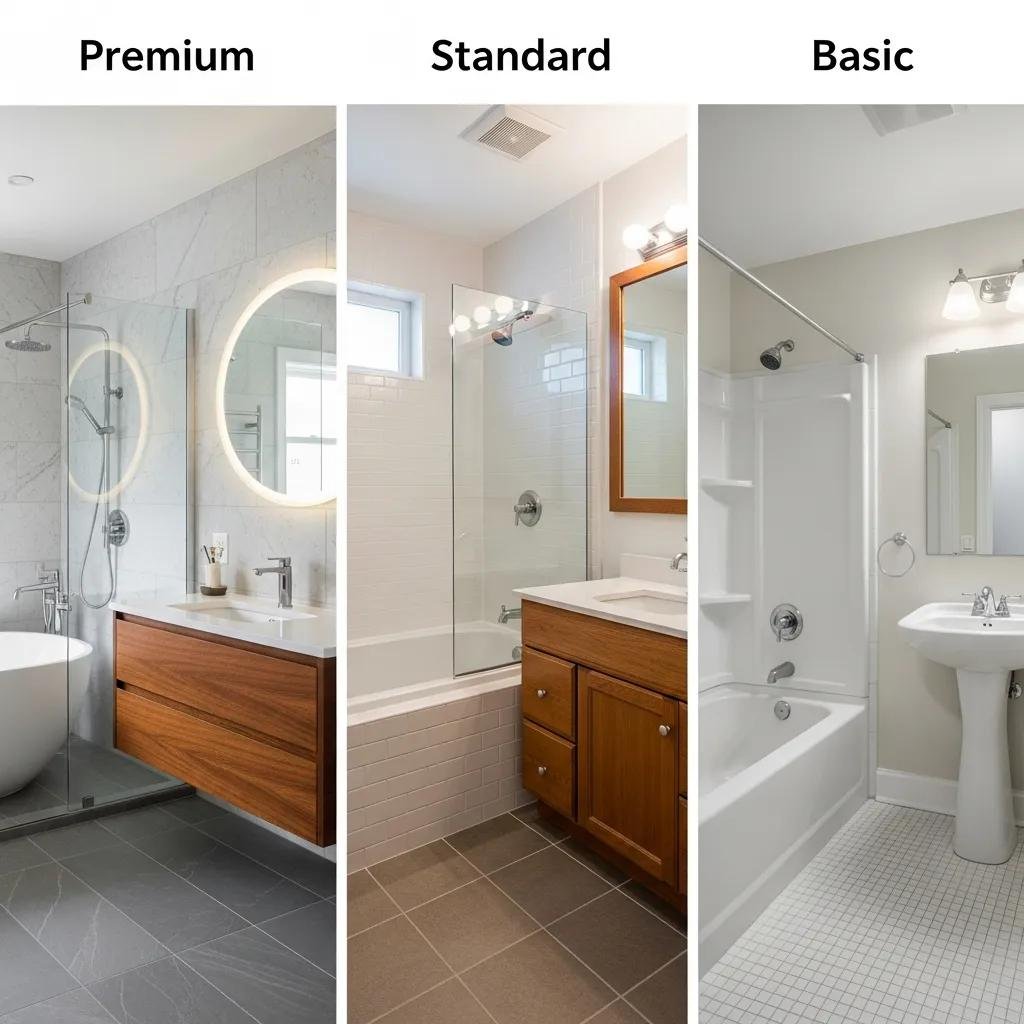
Comparison of three bathroom styles: Premium with modern fixtures and natural materials, Standard featuring a blend of functionality and style, and Basic showcasing essential amenities in a simple layout.

We organize renovations into clear tiers so scope, finishes, and technology align with your goals and budget. The three common tiers are: Premium Bathroom Renovation Package for whole-master upgrades; Standard Bathroom Remodel Package for well-appointed secondary or guest baths; and Basic/Primary Bathroom Refresh for targeted updates. Each tier spells out materials, fixtures, and services to reduce uncertainty, speed quoting, and keep the design intent intact. Below is a concise breakdown of typical inclusions and material notes to help you compare options quickly.

Package TierIncluded FeaturesTypical Materials / Notes
Premium Bathroom Renovation PackageFull design-and-build, custom cabinetry, freestanding tub, natural stone tile, smart fixturesNatural stone, custom millwork, integrated smart controls; ideal for master bath remodels
Standard Bathroom Remodel PackageFixture replacement, tile work, updated vanity, walk-in shower conversion optionsPorcelain or high-quality ceramic tile, pre-fab cabinetry, efficient layout upgrades
Basic/Primary Bathroom Refresh PackageCosmetic upgrades, lighting, hardware swaps, minor waterproofingLuxury vinyl flooring, modern fixtures, targeted waterproofing for wet zones

This table clarifies what each package includes and the typical materials used. If you’d like package-specific pricing or to customize inclusions for your home, request a consultation with Scanbuild LLC and we’ll prepare a personalized package overview and next steps.

What features are included in the Premium Bathroom Renovation Package?

The Premium package focuses on refined finishes, bespoke design, and integrated technology to create a true master-bath retreat. Typical premium inclusions are natural stone or large-format tile, custom vanities with soft-close drawers, freestanding tubs, frameless walk-in showers with premium glass, and smart mirrors or sensor faucets. Our supplier partnerships — for example, with Mosaic Tile Co. — give access to artisanal tiles and distinctive stone that lift the overall look. These premium elements provide long-term durability and a polished aesthetic, making the investment worthwhile for homeowners who prioritize luxury and resale value.

  • Key premium features include:
    Custom cabinetry and premium hardware for tailored storage and longevity.Natural stone and specialty tiles for a high-end visual impact.Smart fixtures (sensor faucets, integrated lighting) to simplify daily routines.

These features define the Premium baseline and set the stage for how the Standard package differs in scope and cost.

How does the Standard Bathroom Remodel Package compare?

The Standard package delivers a high-end look and improved function while keeping costs in check with targeted material choices and efficient layouts. Typical inclusions are quality ceramic or porcelain tile, pre-fab vanities with upgraded countertops, walk-in shower installations where practical, and energy-efficient lighting. This tier suits secondary bathrooms or homeowners seeking major impact without a fully custom build, and it includes clear upgrade paths to Premium finishes if you choose to stage improvements later. Standard balances durability, aesthetics, and schedule efficiency to create refreshed bathrooms that align with resale expectations.

  • Standard vs. Premium comparison:

    Materials: Standard uses high-quality, cost-effective tiles and fittings.
    Customization: Standard favors pre-fab cabinetry; Premium includes custom millwork.
    Upgrades: Standard supports staged upgrades to premium finishes as budgets allow.

This comparison helps you anticipate cost implications and the main drivers behind final budgets.

How much do bathroom renovation packages cost in Washington D.C.?

Clear cost ranges help you set realistic budgets before choosing a package or starting design. Pricing in the Washington D.C. metro area varies by tier, bathroom size, materials, and work scope; the ranges below serve as an early planning guide. Primary cost drivers are bathroom size, material and fixture selections, structural or plumbing changes, and permit or code requirements. Use the quick cost table for reference; a precise quote always requires a site-specific assessment.

PackageTypical Price RangeNotes
Premium Bathroom Renovation Package$40,000 – $90,000Includes custom cabinetry, natural stone, high-end fixtures, and tech integrations
Standard Bathroom Remodel Package$18,000 – $40,000Quality fixtures, durable tiles, efficient layout updates, suitable for guest baths
Basic/Primary Bathroom Refresh Package$6,000 – $18,000Cosmetic upgrades, new fixtures, targeted repairs

This cost table is a starting point for budgeting and clarifies what each price band typically covers. For an accurate, personalized estimate that reflects your layout and permit needs, schedule a consultation with Scanbuild LLC.

What are typical cost ranges for luxury and standard remodels?

Luxury master-bath remodels sit at the higher end because of larger footprints, custom elements, and premium materials; standard remodels emphasize efficient upgrades and value-driven selections. For example, a large master bath with custom cabinetry and natural stone tiling will fall into the Premium range, while a compact 5×7 secondary bathroom refresh matches the Basic to Standard bands. Material choices like natural stone, specialty tile, and designer plumbing fixtures produce the biggest cost variance. Knowing these differences helps you match aesthetic goals to realistic budgets.

  • Typical examples by scope:
    Small full refresh (5×7): Basic/Primary band.Mid-size ensuite with shower swap: Standard band.Large master with freestanding tub and custom millwork: Premium band.

These examples show how scope and finishes map to price ranges and lead into how tiers affect your overall budget.

How do package pricing tiers affect your budget?

Tiers organize incremental upgrade costs, optional add-ons, and timelines so you can manage expenditure and prioritize ROI. Upgrades like custom cabinetry, natural stone, and smart bathroom tech add clear, itemized costs that you can include mid-project or phase over time. Consider financing options and the resale uplift from high-end finishes when evaluating ROI; premium materials and craftsmanship often improve market appeal. Transparent communication about upgrade costs and schedule impacts helps you weigh trade-offs between budget, timeline, and finish quality.

  • Primary budget considerations:
    Size and scope increase labor and material needs.High-end materials and custom millwork are the biggest incremental costs.Structural changes, plumbing relocation, and permits extend timelines and budgets.

Understanding these trade-offs helps you choose a package that balances immediate needs with long-term value.

What are the latest modern bathroom design trends in Washington D.C. for 2024?

Contemporary bathroom design featuring biophilic elements with natural wood and greenery, smart technology mirror displaying time and temperature, sleek floating vanity with marble top, and glass shower enclosure, emphasizing wellness and sustainability trends for 2024.

In 2024, bathroom design emphasizes wellness, sustainability, and discreet technology to create restorative spaces. Leading trends include biophilic elements that introduce natural materials and plant-friendly niches, smart tech like voice-enabled mirrors and sensor faucets, floating vanities that open the visual floor area, and large-format tile or natural stone to minimize grout lines for a spa-like feel. These choices favor sensory comfort, low-maintenance materials, and energy efficiency—well suited to modern urban homes. The table below links trends to practical implementations so you can picture them in finished spaces.

Trend FeatureHow Scanbuild Implements ItPractical Benefit
Biophilic designPlant niches, natural stone, wood-look elementsImproves perceived wellness and adds visual warmth
Smart bathroom techSensor faucets, smart mirrors, integrated lighting controlsIncreases convenience and saves energy
Floating vanitiesWall-mounted cabinetry with concealed plumbingMaximizes visible floor space and creates a modern look
Walk-in showers & curbless designSeamless thresholds, upgraded waterproofingAccessibility with contemporary styling

This trend overview shows practical ways to bring 2024 aesthetics and function into our package offerings. The next section explains smart tech and biophilic choices in more detail.

How does Scanbuild incorporate smart bathroom technology and biophilic design?

We combine smart tech and biophilic touches to make bathrooms that feel both intuitive and calming. Examples include voice-enabled mirrors with adjustable color temperature, sensor faucets that reduce water use, and plant-friendly niches or natural stone accents for texture and a stronger connection to nature. Smart integrations typically appear in Premium packages, while biophilic elements scale across tiers. The result is a bathroom that supports daily routines and promotes wellness through thoughtful materials and technology.

  • Smart and biophilic benefits:

    Greater daily convenience through automation.
    Water and energy savings from efficient fixtures.
    Improved mood and perceived space using natural materials.

These benefits explain why modern trends prioritize both function and well-being, and they lead into popular features like floating vanities.

What are popular features like floating vanities and walk-in showers?

Floating vanities and walk-in showers remain popular because they pair clean, minimal aesthetics with practical benefits for cleaning and accessibility. Floating vanities open the visual floor area, simplify cleaning, and conceal plumbing for a streamlined look; they require strong wall framing and precise plumbing work. Walk-in and curbless showers improve usability across ages but demand rigorous waterproofing and proper slope drainage to avoid leaks. These features are commonly included in Premium packages, offered as upgrades in Standard bundles, and can be adapted in Basic refreshes when footprint and budget allow.

  • Installation considerations:
    Structural reinforcement and concealed plumbing are essential for floating vanities.Waterproof membranes and correct drainage slopes are critical for curbless showers.Material choices affect longevity and maintenance needs.

Knowing these considerations helps homeowners choose features that match their design priorities and budget.

Why choose Scanbuild LLC for high-end bathroom renovations in Washington D.C.?

Selecting the right remodel partner comes down to credentials, local knowledge, and reliable supplier relationships that produce predictable results. Scanbuild LLC is a Rockville-based lead generation and information hub for luxury home remodeling across the Washington D.C. metro area, focused on design-and-build services, premium materials, and workmanship delivered by licensed, bonded, and insured teams. Our partnerships with suppliers like Mosaic Tile Co. provide access to curated tile collections and distinctive materials that elevate high-end outcomes. If you want a process-driven team that blends design vision with practical build planning, request a consultation with Scanbuild LLC to review project scope and next steps.

DifferentiatorWhat It MeansClient Benefit
Design-and-build servicesIntegrated design and construction managementSingle-source accountability and streamlined timelines
Supplier partnershipsAccess to premium tile and material selectionsDistinctive finishes and faster procurement
Licensed/bonded/insuredCompliance and professional accountabilityReduced risk and reliable workmanship

This summary shows how Scanbuild’s approach supports luxury remodel goals while staying aligned with local permitting and premium sourcing.

How does Scanbuild ensure premium craftsmanship and customer satisfaction?

We maintain quality through consistent communication, on-site supervision, and structured final walkthroughs to confirm workmanship meets the design intent. Project oversight includes staged inspections, regular progress updates, and a post-completion review to resolve punch-list items and ensure client satisfaction. These practices minimize delays and keep homeowners informed from concept to closeout. We also provide aftercare guidance and refer trusted suppliers for ongoing maintenance so your investment performs over time.

  • Quality assurance steps:

    Regular site supervision and milestone inspections.
    Clear scheduling and timely communication with clients.
    Final walkthroughs with documented punch-list resolution.

These processes support consistent outcomes and build confidence for homeowners considering a luxury remodel.

What partnerships and local expertise differentiate Scanbuild?

Local market knowledge and supplier relationships are key advantages for high-end projects in the D.C. area. Scanbuild’s connections to premium suppliers like Mosaic Tile Co. give access to curated materials, while our familiarity with local permitting and code requirements helps streamline approvals and reduce rework. Experience across Washington D.C., Maryland, and Virginia enables us to advise on design choices that balance aesthetics, durability, and resale value. Homeowners seeking tailored guidance grounded in local experience can schedule a consultation to align design goals with regulatory realities and material availability.

  • Local expertise advantages:

    Efficient permitting and code compliance across the DC metro region.
    Supplier relationships that broaden design possibilities.
    Practical advice on resale value and neighborhood expectations.

These advantages make it easier to achieve a high-end bathroom remodel that performs beautifully and endures over time.

Frequently Asked Questions

What is the typical timeline for a luxury bathroom renovation in Washington D.C.?

Timelines vary by scope, but most luxury bathroom projects take roughly 6 to 12 weeks from design through final inspection. That timeframe covers design, permitting, demolition, construction, and finishing. Complex designs, material lead times, and contractor schedules can shift that window, so discuss your project specifics with your contractor to set realistic expectations.

Are there financing options available for bathroom renovations?

Yes. Homeowners commonly use home equity loans, personal loans, or renovation-focused financing to spread renovation costs. Some contractors also offer payment plans or partner with lenders to simplify financing. Review your financial options and speak with your contractor about available programs to find a solution that fits your budget and timeline.

How can I choose the right materials for my bathroom renovation?

Material selection hinges on durability, maintenance, aesthetics, and budget. Natural stone offers a high-end look but may need more upkeep; porcelain is durable and low-maintenance. Start with your design goals and daily needs, then consult with your contractor or designer to balance style and performance for your space.

What should I consider when planning a bathroom layout?

Think about function, flow, and how you use the space. Prioritize must-haves—shower, tub, double vanity—and ensure there’s comfortable movement around fixtures. Plumbing and electrical needs affect layout options, so involve your contractor or designer early to optimize both aesthetics and practicality.

What are the benefits of using a design-and-build service for renovations?

Design-and-build streamlines the process—one team handles concept, design, and construction, which reduces miscommunication and speeds decision-making. This single-source approach often keeps projects on schedule and aligned with the original design intent, producing a smoother renovation experience and a cohesive final result.

How can I ensure my renovation stays within budget?

Start with a clear budget and share it with your contractor. Prioritize must-haves and be open to cost-effective alternatives. Track expenses throughout the project and communicate promptly about changes or unforeseen issues. Phased renovations are another option to spread costs while still making meaningful improvements.

Conclusion

Choosing a luxury bathroom package turns your bathroom into a restorative, functional space while simplifying decision-making. Tiered options help you match style and budget without sacrificing quality. Partnering with Scanbuild LLC gives you access to experienced design-and-build teams, premium materials, and a process-driven approach. Ready to get started? Schedule a free consultation and let’s create a bathroom that fits your home and lifestyle.

Luxurious kitchen featuring high-end finishes, elegant design, marble countertops, and modern appliances, ideal for upscale home renovations in the Washington D.C. area.

Essential Steps to Prepare for Your Home Renovation

Essential Steps to Prepare for Your Home Renovation

Luxurious kitchen featuring high-end finishes, elegant design, marble countertops, and modern appliances, ideal for upscale home renovations in the Washington D.C. area.

Preparing for a Luxury Renovation: Practical Steps to Plan with Confidence

A successful luxury renovation is more than choosing beautiful finishes — it starts with a clear vision, a realistic budget, and practical preparation so construction causes fewer surprises and your daily life stays comfortable. This guide walks you through defining goals, prioritizing high-end features, building contingency into your budget, and readying your home for safe, efficient construction in the Washington, D.C. metro area. Homeowners who plan up front see fewer delays, cleaner contractor communication, and closer alignment between design intent and the finished space. We break the process into four core areas: clarifying vision and budget, selecting the right contractor for DC/MD/VA luxury work, preparing your home for construction, and managing permits, communication, and stress. Each section includes actionable checklists, comparison tables, and practical tips so you can move from planning to confident execution.

How Do You Define Your Renovation Vision and Set a Realistic Budget?

Start with a concise design brief that ties your lifestyle goals to measurable project outcomes and realistic cost expectations. That brief makes it easy to decide whether you prioritize function, aesthetic impact, resale value, or a mix of those priorities — and it helps translate luxury material choices into sensible budget ranges and timelines. For luxury projects, plan a contingency of about 10–20% of hard costs to cover hidden conditions and long-lead items. Then break the scope into line items and sequence decisions so early choices (appliances, custom cabinetry, specialty stone) prevent costly late changes.

Use this quick checklist to capture the vision-to-budget steps and provide a clear, searchable answer for budgeting.

  1. Identify your top three priorities: function, appearance, or long-term value.
  2. Choose finish-level examples (for example, marble vs. engineered stone) to frame cost expectations.
  3. Get early design estimates and set a 10–20% contingency.
  4. Schedule long‑lead decisions early to limit schedule and cost overruns.

This checklist frames the first decisions you’ll make and leads into the detailed elements of a luxury renovation plan that clarify materials, systems, and permit needs.

What Are the Key Elements of a Luxury Home Renovation Plan?

A clear renovation plan organizes the project into six core elements: a design brief, material and fixture selections, system upgrades (HVAC, electrical, plumbing), a realistic timeline, thoughtful phasing, and a permit strategy. The design brief sets style direction and performance goals while material selections balance beauty with durability and upkeep — for example, comparing the look and maintenance of marble vs. engineered stone. Timeline and phasing show when occupants must adapt and when trades need access, which reduces overlap and rework. Knowing these elements early helps you prioritize spending and weigh initial cost against long‑term maintenance.

How to Create a Budget with Contingency for Unexpected Costs?

Designer reviewing renovation plans and budget documents in a stylish workspace, featuring architectural blueprints, a laptop displaying cost analysis, and a calculator, emphasizing luxury remodeling and project organization.

Build contingency by line‑iteming costs into design fees, materials, labor, permits, and a contingency fund sized at roughly 10–20% for luxury work, where hidden conditions and custom elements are common. Typical surprises include concealed structural repairs, delayed deliveries of bespoke fixtures, and scope changes discovered on‑site. Lock in long‑lead items early (appliances, custom stone, tile) to avoid schedule-driven substitutions; use staged allowances to track selections against budget. Effective budgeting pairs conservative allowances with strict decision windows to limit change orders and preserve contingency for true surprises.

Budget categories clarified for homeowner planning and contingency sizing:

Cost CategoryTypical RoleTypical Range / Note
Design FeesDefining scope, producing drawings and specs6–12% of project, depending on service level
Materials & FixturesLuxury finishes and long‑lead itemsWide range — establish examples early to narrow costs
Labor & TradesInstallation and specialty servicesRegionally variable; usually the largest portion of hard costs
Permits & InspectionsRegulatory compliance and approvalsProject-dependent; factor in local fees and timelines
ContingencyBuffer for unforeseen issuesRecommend 10–20% for luxury projects

This table translates budget categories into planning practice and prepares you to compare early estimates to final proposals. If you’d like professional help turning vision into a refined budget, Scanbuild LLC offers design consultations that align scope, finishes, and contingency with local cost expectations.

How Do You Choose the Right Renovation Contractor in the DC Metro Area?

Homeowner discussing renovation plans with a contractor in a modern office, surrounded by design samples and blueprints, emphasizing luxury remodeling and collaboration in the Washington D.C. area.

Selecting the right contractor combines objective vetting with a feel for how a team works. For luxury kitchens, baths, and high‑end finishes you’ll want local experience and proven quality. Key vetting items include valid licensing, bonding and insurance, a portfolio of similar luxury projects, clear communication protocols, realistic timelines, and contracts that spell out change‑order processes and warranties. Many homeowners prefer an integrated design‑build team when they want a single point of responsibility — that model reduces coordination friction and often improves schedule control. Use the checklist below when interviewing remodelers.

  1. Confirm licensing, bonding, and insurance; request documentation.
  2. Review portfolios and call references for recent luxury projects.
  3. Agree on communication cadence, a single point of contact, and contract clarity.
  4. Compare proposals for scope, allowances, exclusions, and timelines.

After those steps, compare firm types to find the model that best fits your project’s complexity and your preference for oversight.

Firm TypeServices IncludedTypical Advantages
Design‑Build FirmEnd‑to‑end design and construction coordinationStreamlined communication, one contract, better schedule control
Design‑Only / Builder SeparatelyDesign delivered, construction bid to multiple buildersPotentially competitive bids, but higher coordination effort
General Contractor with SubcontractorsConstruction management and trade coordinationFlexible trade selection; depends on owner-supplied design

For complex finishes and tight schedules, many luxury homeowners choose an integrated approach. Below is a closer look at why a local design‑build option can simplify your project.

Why Select a Design-Build Firm Like Scanbuild LLC?

We are an integrated design‑build firm specializing in luxury kitchens, bathrooms, and flooring, with particular expertise in high‑end tiling. Serving the Washington, D.C. metro area — including Rockville, Bethesda, Potomac, Vienna, McLean, Alexandria, and Georgetown — we manage projects from initial sketches through final construction. Scanbuild LLC is licensed, bonded, and insured; we focus on craft, clear communication, and attentive service so your project reflects both design intent and build quality. If you prefer a single team to align vision, scope, budget, and permitting, contact us for a consultation.

What Questions Should You Ask Before Hiring a Luxury Remodeler?

Ask targeted questions that reveal process, risk allocation, and how the team communicates. Request portfolio examples and references for similar luxury projects, confirm licenses and insurance, and clarify the change‑order process and warranty terms. Ask who will be your single point of contact, which project manager will oversee the schedule, and which subcontractors handle critical finishes. Finally, require a written timeline and a payment schedule tied to clear milestones to avoid ambiguity during construction.

What Are the Essential Steps to Prepare Your Home for Construction?

Preparing your home protects belongings, controls dust, and creates functional temporary spaces so daily life continues with minimal disruption. Immediate actions include decluttering work areas, moving valuables to secure storage, installing protective coverings on floors and doorways, and defining protected pathways for trades. Planning a temporary kitchen or staging area preserves routines on long projects; phasing work and storing essentials in labeled containers speeds recovery. Below is a prioritized checklist for quick reference, followed by a protection‑methods table to guide material choices.

  1. Declutter and inventory valuables room‑by‑room; move fragile items off‑site or into secure storage.
  2. Install dust barriers and protected walkways to isolate work zones.
  3. Protect floors and secure cabinetry/fixtures not under renovation.
  4. Set up a temporary kitchen or service area and clearly label essentials for easy access.

These steps establish immediate protections and lead into selecting protection materials and methods suited to the surfaces and project duration.

Protection TargetMaterial / MethodWhen / Why Used
Floor ProtectionRamboard, rosin paper, plywoodHigh‑traffic routes and long‑duration projects
Dust ControlZip walls, sealed HVAC ventsTo protect finishes and indoor air quality
Cabinet & Fixture ProtectionFoam board, cardboard, shrink‑wrapPreserve installed items adjacent to work zones
Entry & Pathway GuardsProtective runners, exterior matsPrevent tracked dirt and damage through frequent access points

This table helps you choose mitigation measures based on scope and site conditions and decide whether to hire professional pack‑and‑protect services. After protection is in place, choose whether to stay in the home, partially relocate, or move out temporarily depending on disruption level.

How to Declutter and Protect Valuables During Renovation?

Start with a room‑by‑room inventory that tags high‑value items and determines if on‑site protection or off‑site storage is best. Get quotes from professional movers for specialty items. Use protective coverings matched to the surface — hardboard for floors, padded covers for banisters, breathable wraps for antiques — to limit physical and dust damage. Label boxes and keep an accessible list of essentials to avoid unnecessary unpacking. Coordinating protection with your contractor’s schedule reduces rework and helps trades respect protected zones.

What Temporary Living Arrangements Should You Consider?

Choose temporary living arrangements based on project duration, noise, and health concerns like dust exposure for vulnerable occupants and pets. Short projects may only need a temporary kitchen and noise mitigation; multi‑room or structural work often makes partial or full relocation more comfortable and speeds trade access. Weigh cost, convenience, and timeline impacts, and prepare an essentials kit if you remain on‑site. Agree on site access and quiet hours with your contractor to manage expectations.

How Can You Navigate Permits, Communication, and Manage Renovation Stress?

Clear permit planning and steady communication are fundamental to minimizing delays and stress. Successful projects pair a permit strategy with a disciplined communication rhythm and contingency planning. Common permits include building, electrical, plumbing, and mechanical; historic or neighborhood approvals may apply in some DC/MD/VA locations. Designate a single point of contact, request weekly progress updates and site logs, and document all decisions in writing. Use simple stress‑reduction tactics — fixed decision windows, an assigned purchaser for selections, and a reserved contingency fund — to reduce decision fatigue and keep the project moving.

Below are typical permit types and where to begin your search, followed by a short protocol to manage stress and communication.

  • Building permits for structural work.
  • Electrical permits for rewiring or major load changes.
  • Plumbing and mechanical permits for system alterations.
  • Historic approvals where applicable in designated neighborhoods.

This jurisdiction‑aware list points you to initial permit needs and leads into a practical plan for communication and stress management during construction.

What Permits Are Required in Washington D.C., Maryland, and Virginia?

Permit requirements vary by scope and municipality but commonly include building, electrical, plumbing, and mechanical permits; historic district approvals can add steps in older neighborhoods. Confirm exact needs with your local building department and be ready to submit drawings, specs, and contractor credentials. For projects spanning multiple jurisdictions in the DC metro area, allow extra lead time for permitting cycles and inspections to avoid compressed schedules. Clarify permit ownership up front — whether the contractor or owner submits — to reduce delays and assign responsibility.

How to Maintain Effective Communication and Reduce Stress During Renovation?

Set a predictable communication plan: weekly written updates, a single point of contact for day‑to‑day questions, and documented decisions and change orders to minimize misunderstandings. Use short decision windows for selections and limit on‑the‑fly changes to protect schedule and budget; document any agreed changes with updated timeline and cost impacts. Keep a compact essentials kit and a contingency fund to absorb minor disruptions without escalating stress. These practices build trust with your contractor and create a calmer, more predictable renovation experience.

If you’re ready to discuss a luxury renovation plan, Scanbuild LLC offers consultations and project planning support — contact us to explore design‑build services and align your scope with local permitting and construction realities.

Frequently Asked Questions

What should I consider when selecting materials for my luxury renovation?

Choose materials that balance beauty, durability, and maintenance. High‑end options like marble or custom millwork deliver impact but may require more care; engineered stone and specialty laminates can offer similar looks with lower upkeep. Also consider environmental sourcing and long‑term performance — sustainable choices can add resale value and reduce ongoing costs.

How can I ensure my renovation stays on schedule?

Agree a realistic timeline with your contractor, break the project into clear milestones, and hold weekly check‑ins to address issues early. Make selections within agreed decision windows and prioritize long‑lead items so deliveries don’t slow the schedule. Finally, plan for common setbacks with a contingency buffer so minor surprises don’t derail the overall plan.

What are the benefits of hiring a design-build firm for my renovation?

Design‑build offers one team responsible for both design and construction, which reduces handoffs and miscommunication. That single point of accountability typically improves coordination, speeds decision‑making, and simplifies scheduling. For luxury projects with complex finishes, design‑build often delivers smoother execution and clearer cost control.

How do I handle unexpected issues that arise during renovation?

Start with a contingency budget (typically 10–20%) and communicate immediately with your contractor to evaluate options. Document scope changes and cost impacts in writing before proceeding. Staying flexible while relying on your contractor’s recommendations will help you resolve issues quickly and keep the project moving.

What are some common mistakes to avoid during a luxury renovation?

Common mistakes include underestimating the budget, skipping contingency planning, and poor communication. Rushed material decisions and unclear contracts also cause cost and timeline problems. Avoid these by planning thoroughly, setting realistic contingencies, and insisting on written agreements for scope, schedule, and payments.

How can I prepare my family for the disruption of a renovation?

Prepare everyone by sharing the project timeline and expectations about noise and restricted access. Create a temporary living area or kitchen to reduce inconvenience, set routines to maintain normalcy, and involve family members in planning so they feel part of the process. Clear communication and a little advance organization go a long way toward easing the transition.

Conclusion

Thoughtful preparation makes luxury renovations less stressful and more predictable. By clarifying vision and budget, choosing the right team, protecting your home, and managing permits and communication, you’ll improve outcomes and protect your lifestyle through the build. When you’re ready, our Scanbuild LLC team can help turn your plan into a detailed roadmap and deliver the craftsmanship your project deserves. Reach out to begin the conversation and take the next step toward your dream home.