
Blending Old & New: Transitional Home Design
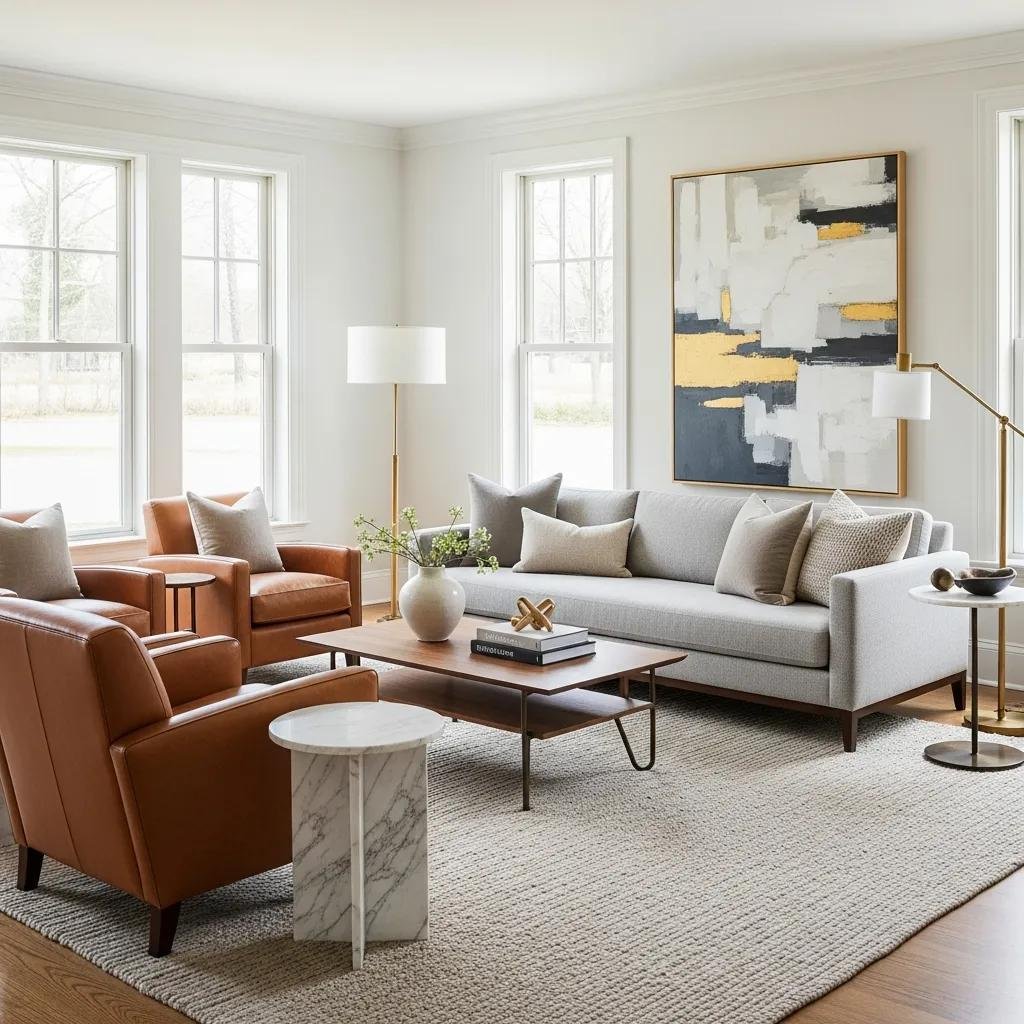
Luxury Transitional Home Design: Blending Classic Character and Modern Ease for Timeless Interiors
Transitional design marries traditional warmth with contemporary restraint to create spaces that are both elegant and livable. This guide shows how a neutral palette, layered textures, and clean lines combine to form classic‑modern interiors that stay relevant over time and work for everyday life. Many homeowners struggle to mix shaker cabinetry, marble or quartz counters, and modern fixtures without the result feeling mismatched or dated; transitional design resolves that by balancing scale, proportion, and material choices. Below you’ll find a clear definition of the style, essential principles, practical kitchen and bathroom ideas, a comparison of luxury vinyl versus premium tile, step‑by‑step implementation guidance, an element‑by‑attribute decision table, and a brief note about local renovation expertise in the Washington, D.C. metro. Throughout we reference terms like timeless interior design, transitional decor ideas, and luxury transitional kitchen remodel Washington D.C. to help you plan an enduring renovation.
What Defines Transitional Home Design? Key Elements and Style Principles
Transitional design intentionally blends traditional forms with contemporary finishes to create balance, comfort, and lasting appeal. It pairs familiar silhouettes—paneled cabinets, crown molding—with simplified details and modern hardware so spaces feel layered instead of conflicting. This approach produces timeless interiors that support resale value and everyday function through restrained ornament, neutral palettes, and careful attention to proportion. Below is a concise visual vocabulary you can use as a quick reference.
Transitional interiors center on a few consistent elements:
- Neutral Color Palette: Soft whites, warm greiges, and muted charcoals that provide a calm backdrop.
- Mixed Textures: Linen, leather, matte metals, and wood grain layered for tactile interest.
- Clean Lines: Simplified moldings, streamlined furniture, and unobtrusive lighting.
- Balanced Silhouettes: Traditional shapes rendered at modern scale to avoid visual heaviness.
These elements form a foundation that supports both classic and contemporary accents. The next section explains concrete tactics for pairing old and new components.
How Does Transitional Design Blend Traditional and Modern Aesthetics?
The blend happens one element at a time: replace ornate details with simplified equivalents, and match scale rather than copying style. For example, shaker cabinetry keeps a traditional silhouette but reads fresh when paired with satin‑brass or matte‑black minimalist hardware. Classic millwork combined with a modern pendant over an island creates a clear focal contrast without visual conflict. This element‑by‑element exchange—ornate to simplified, heavy to airy—establishes visual balance and guides material and color choices throughout the home.
Which Neutral Color Palettes and Textures Are Essential in Transitional Interiors?
Favor warm neutrals with a single deeper anchor tone to avoid monotony and let furnishings stand out. Warm greiges, soft whites, and deep charcoals work across kitchens and living areas; textures like natural linen, leather seating, and matte metals add tactility. Introduce subtle accent colors—muted blues or sage greens—sparingly to update traditional tones while keeping a neutral foundation. Thoughtful texture layering prevents a neutral scheme from feeling flat and sets the stage for focal elements like countertops, tile, or statement lighting.
How to Achieve Timeless Transitional Interior Design in Your Home
Turn transitional principles into a project by following a clear sequence: assess your existing architecture, build a mood board, choose materials guided by palette and texture rules, and execute with careful attention to proportion and craftsmanship. This stepwise approach creates cohesive results and reduces costly rework because decisions are validated against the style’s core principles before construction begins.
Follow these practical steps to implement transitional design:
- Audit and Prioritize: Identify architectural strengths and functional pain points to preserve or improve.
- Build a Mood Board: Collect images for color, cabinet profiles, hardware finishes, and tile patterns.
- Select Materials: Pick a neutral base floor, mid‑tone cabinetry, and one accent finish for continuity.
- Execute with Scale: Confirm proportions for islands, lighting, and trim to keep rooms balanced.
These steps move homeowners from inspiration to a build‑ready plan. The table below is a quick element‑by‑attribute comparison to guide room‑by‑room choices.
This table compares core transitional elements and how to apply them:
Keep this comparison handy during material selection to make sure each choice supports your overall transitional goals. The next sections offer room‑specific ideas and tips for balancing texture and line.
What Are Effective Transitional Design Ideas for Kitchens and Bathrooms?
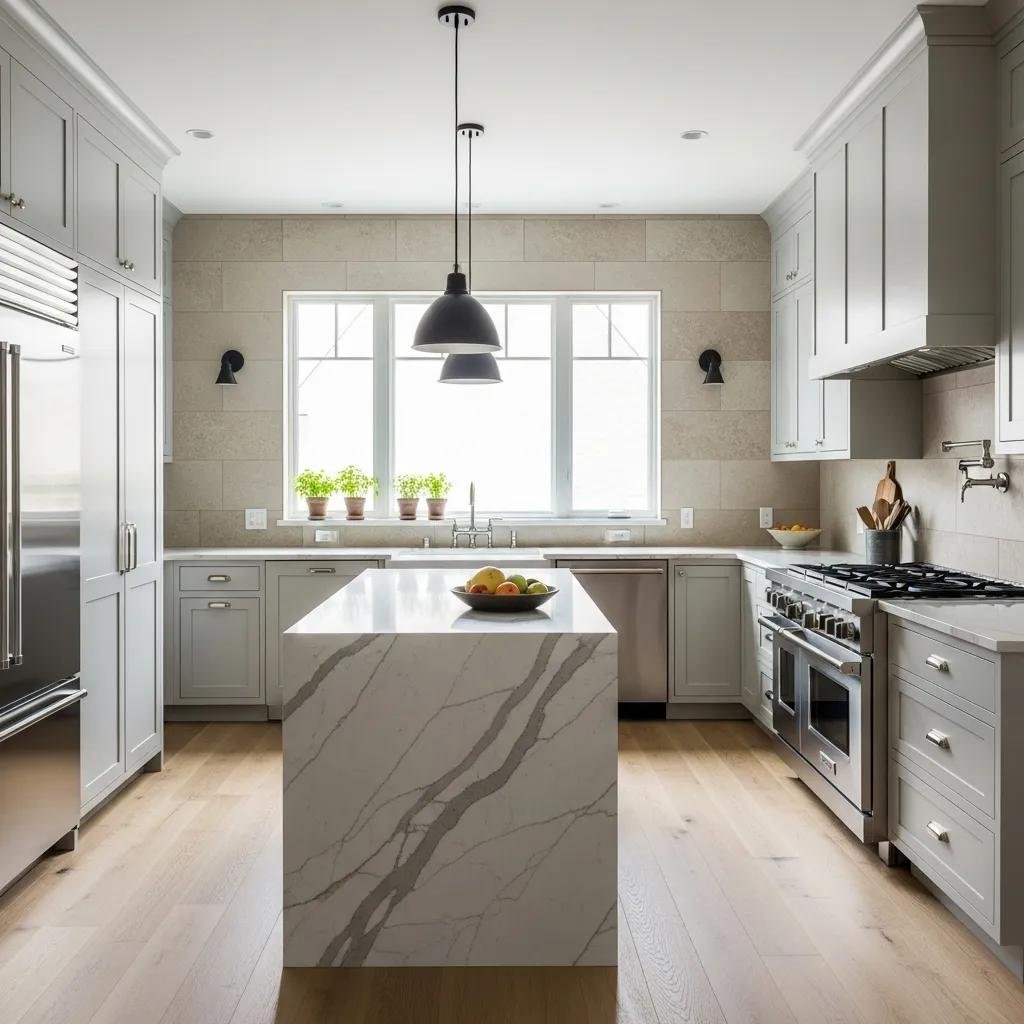
In kitchens, pair shaker or inset cabinetry with a streamlined island and subdued pendant lighting so the room feels grounded but uncluttered. Choose marble‑look quartz or honed stone counters for classic appeal with better performance in a busy household, and opt for subway or large‑format tile in matte or soft gloss so backsplashes remain timeless. In bathrooms, combine a classic vanity with a frameless glass shower, premium tile, and matte metal fixtures to bridge eras while improving durability and upkeep. These material and layout choices support both beauty and daily function in transitional remodels.
Quick kitchen and bathroom tactics:
- Cabinetry: Classic profiles updated with modern hardware for subtle contrast.
- Countertops: Marble‑look engineered stone for lasting beauty and low maintenance.
- Tile: Neutral large‑format or 3″x6″ subway in matte or soft gloss.
- Fixtures: Warm metal finishes paired with streamlined shapes.
These selections ensure each room reads intentionally transitional and ready for long‑term appeal.
How Do Clean Lines and Mixed Textures Create Balance in Transitional Spaces?
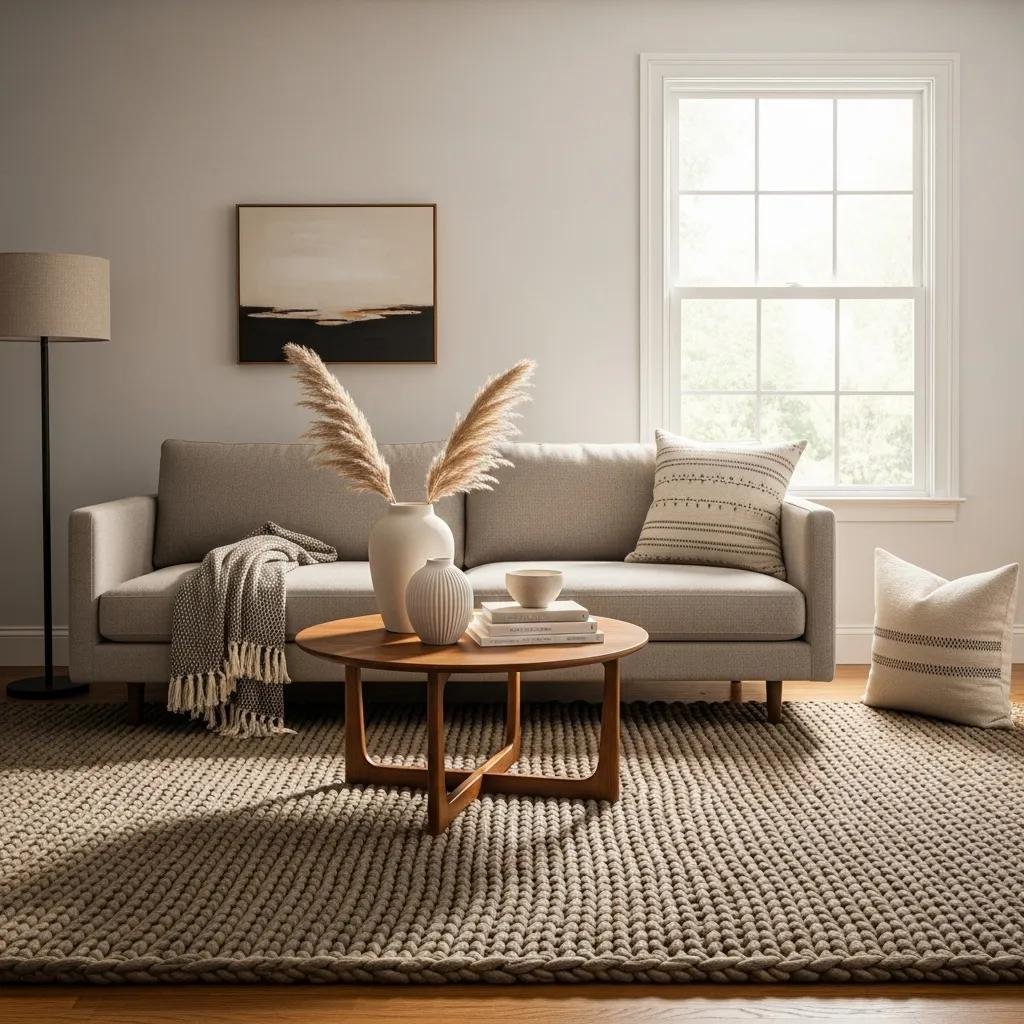
Clean lines give the space a calm framework so textures can add character without competing. Use a three‑layer approach—base (floor), mid (upholstery), accent (pillows, small décor)—to build depth while keeping things simple. Scale matters: a streamlined sofa with a substantial textured rug and modest trim reads balanced; oversized trim or too many ornate pieces will push the look back toward traditional. In small rooms keep contrasts subtle; in larger rooms increase tactile scale to retain proportion and visual interest.
Why Choose Scanbuild LLC for Classic Modern Home Renovations in Washington D.C.
Scanbuild LLC provides full design‑build services focused on luxury transitional kitchen and bathroom remodels across the Washington, D.C. metro—serving Rockville, Bethesda, Potomac, Vienna, McLean, Alexandria, Georgetown, and Friendship Heights. Our client‑first approach coordinates design, permitting, and construction under one contract to reduce project complexity and keep quality consistent. Core advantages include luxury craftsmanship, access to premium materials, and deep local knowledge; Scanbuild is licensed, bonded, and insured to deliver high‑end residential renovations. Below is a snapshot of why homeowners choose a local design‑build partner for transitional projects.
Reasons homeowners choose Scanbuild LLC:
- Design‑Build Simplicity: One point of accountability from concept through completion.
- Local Expertise: Familiarity with D.C.‑area architecture, codes, and permitting nuances.
- Premium Materials: Relationships with trusted suppliers for high‑quality finishes.
- Client‑Focused Process: Clear communication, proactive oversight, and efficient scheduling.
This approach simplifies complex remodels while keeping the transitional design goals front and center. The following sections outline our process and recent project examples.
How Does Scanbuild’s Design-Build Approach Simplify Luxury Transitional Remodels?
Our process starts with an in‑home consultation and design phase that resolves spatial and aesthetic decisions before construction begins, which minimizes surprises on site. With design and construction coordinated, selections, scheduling, and permitting run as an integrated sequence that reduces delays and cost variability. We maintain continuous quality oversight—subcontractor work, tile installations, and finish carpentry are supervised to ensure the final result matches the intended transitional look. This single‑contract model makes decisions clearer and timelines more predictable for homeowners.
What Are Recent Examples of Scanbuild’s Luxury Transitional Kitchen and Bathroom Projects?
Recent projects demonstrate typical outcomes: a Bethesda kitchen that combined inset cabinetry, a matte quartz island, and warm‑brass pendants to create a classic‑modern centerpiece; and a Georgetown bathroom that paired a framed vanity, large‑format porcelain tile, and frameless glass to modernize a historic layout while preserving period proportion. Each project prioritized durable, low‑maintenance materials and balanced composition, resulting in timeless interiors that improved function and homeowner satisfaction. Scanbuild’s portfolios and project galleries showcase these approaches for clients considering similar luxury transitional remodels.
What Are the Benefits of Luxury Vinyl Flooring and High-End Tiling in Transitional Homes?
Luxury vinyl flooring (LVT) and premium tile both serve transitional kitchens and bathrooms well, but they offer different strengths. LVT provides warm, wood‑like visuals with strong durability and simple maintenance; high‑end porcelain or natural stone delivers authentic stone or ceramic aesthetics with excellent longevity. Both support neutral palettes and layered textures that define timeless interiors, and professional installation ensures seams, grout, and transitions reinforce the room’s balance and proportion. Below are concise benefits to help you choose by room and priority.
- Durability: LVT resists moisture and wear in high‑traffic kitchens; porcelain tile tolerates heavy wet use in bathrooms.
- Aesthetics: Tile offers authentic stone and pattern options; LVT convincingly mimics wood and smooths transitions in open plans.
- Maintenance: LVT is low‑maintenance and resilient; high‑end tile lasts for decades with routine grout care.
This comparison helps homeowners prioritize based on room use, visual goals, and upkeep expectations. The table below outlines attributes and best applications.
Choosing the right flooring and tile preserves a transitional scheme’s neutral foundation while delivering the practical performance modern life requires. For homeowners who want professional sourcing and installation, Scanbuild LLC coordinates selections and ensures meticulous installation by experienced craftsmen.
Frequently Asked Questions
What are the key benefits of using a neutral color palette in transitional design?
A neutral palette creates a calm backdrop that lets architectural details and furnishings take center stage. Warm greiges, soft whites, and muted charcoals are versatile and age well, making it easier to layer textures and swap accents without overhauling the entire room. In short, neutrals help the space feel cohesive, adaptable, and timeless.
How can I effectively mix textures in a transitional home?
Start with three layers: a base (floor), a mid layer (upholstery), and accents (pillows, small décor). Keep the color story consistent while varying tactile materials—linen, leather, wood, and matte metal—to add depth. The goal is contrast without clutter: let texture provide interest, not chaos.
What are some common mistakes to avoid in transitional home design?
Avoid overloading a space with too many competing styles or colors, which creates visual confusion. Also watch scale—oversized furniture in a small room or too many ornate pieces can upset balance. Finally, resist trendy elements that overpower the core neutral scheme; aim for durable, classic choices that adapt over time.
How do I choose the right materials for a transitional kitchen remodel?
Choose materials that balance traditional looks with modern performance. Classic cabinet profiles (shaker or inset) paired with contemporary hardware work well; marble‑look quartz offers timeless style with easy upkeep. Select neutral tiles and durable flooring that complement the overall palette and support daily use.
What role does lighting play in transitional design?
Lighting shapes mood and highlights texture and architecture. Use layered lighting—ambient, task, and accent—to create depth. Fixtures that combine familiar shapes with modern finishes (for example, a classic silhouette in matte brass) reinforce the transitional balance between old and new.
Can transitional design work in smaller spaces?
Yes. Keep lines clean, stick to a neutral palette to open the space visually, and choose furniture with appropriate scale. Incorporate multifunctional pieces and mirrors to increase light and perceived depth. Thoughtful proportion and restraint make transitional design effective in smaller rooms.
How can I ensure my transitional design remains timeless?
Prioritize quality materials and classic pieces that can adapt to changing tastes. Maintain a cohesive color palette and avoid overly trendy finishes as primary elements. Update accessories seasonally if you want fresh touches without compromising the design’s longevity.
Conclusion
Transitional design is a practical way to combine traditional warmth with modern simplicity, producing homes that feel both stylish and comfortable for years to come. By prioritizing neutral palettes, layered textures, and clean lines—and by working with a disciplined process—you’ll achieve interiors that balance beauty and function. When you’re ready to move from idea to build, a local design‑build partner can streamline the path to a high‑quality result. Discover how Scanbuild LLC can help bring your luxury transitional remodel to life.
Recent Comments