
Bring the Beach Home: Coastal Design Ideas
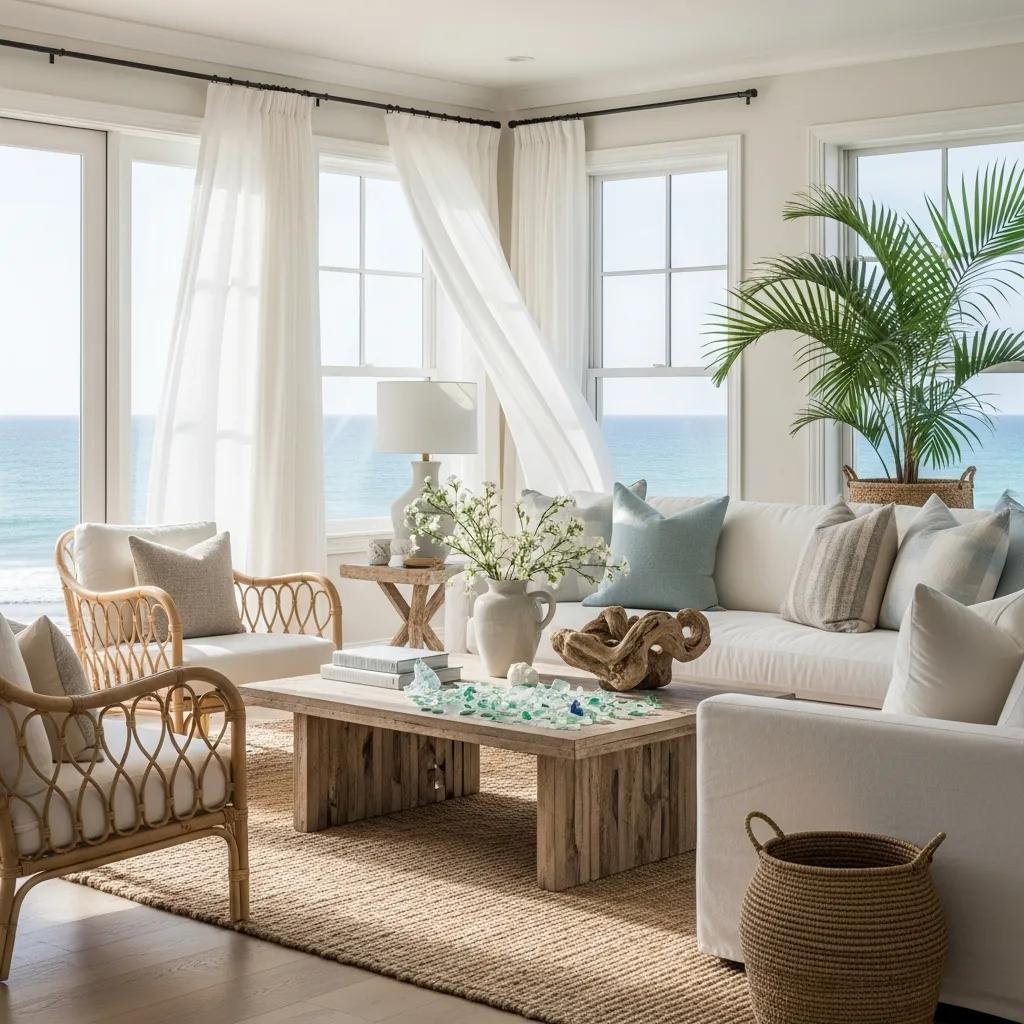
Bring the Beach Home — Luxury Coastal Design Ideas for Inspired Remodeling
Modern luxury coastal interiors combine the calm, restorative feel of the shore with carefully chosen materials and smart remodeling decisions. The result is a home that feels relaxed and refined. This guide explains how to translate beach-house inspiration into high-end, practical renovations for kitchens, bathrooms, and living areas. You’ll get guidance on palettes, material tradeoffs, layout strategies, and styling ideas that homeowners can use when planning a remodel. Many clients want the serenity of coastal design without clichés; achieving that balance comes down to color, texture, natural light, and durable finishes that stand up to everyday life. We’ll outline the core elements of modern coastal design, walk through a step-by-step approach to a luxury coastal kitchen, detail spa-ready bathroom features, and share nautical decor tactics that finish the look. Along the way you’ll find quick-reference comparison tables and checklists to help with material choices and contractor conversations.
What Are the Core Elements of Modern Coastal Home Design?
At its heart, modern coastal design emphasizes openness, generous natural light, a soft neutral palette, layered textures, and materials that feel organic yet refined. Together these elements evoke shoreline calm while meeting practical goals for luxury remodels—durability, low maintenance, and visual cohesion.
Reference these essentials during design planning:
- Soft neutrals with sea-toned accents to create an airy base for furniture and finishes.
- Natural materials and tactile textures that introduce warmth and a lived-in luxury.
- Plentiful daylight and thoughtfully placed fixtures to enhance openness and mood.
- Layouts that promote indoor–outdoor flow and flexible, open-plan living for relaxed entertaining.
Think of each element as a design lever: color sets mood, materials deliver tactile luxury, light sculpts space, and layout determines how you live. Considering them together will help you choose cabinetry, countertops, flooring, and fixtures that result in a cohesive modern coastal home.
At Scanbuild LLC we apply these principles across luxury remodels throughout the Washington, D.C. metro area, pairing design know‑how with construction experience to turn coastal inspiration into durable, finished projects. Homeowners can consult with our team to align design intent with practical, buildable solutions.
Which Color Palettes Define Luxury Coastal Interiors?
A luxury coastal palette usually starts with soft whites and sandy neutrals, layered with sea‑glass greens and deeper navy or charcoal for contrast. White or off‑white walls create a luminous backdrop while trim or cabinetry in soft blue‑gray anchors the scheme without feeling themed. Accent tones—sea‑glass greens and misty grays—work well on textiles and backsplashes to echo coastal hues subtly. Reserve stronger accents, like a navy island base or charcoal hardware, to add sophistication without disturbing the serene base.
Create contrast through texture and finish: matte plaster, satin cabinetry, and polished stone bring depth while keeping the color story restrained. In kitchens, white quartz paired with a light wood island balances brightness and warmth; in bathrooms, soft gray tiles with white grout maintain clarity and a spa‑like calm. Thoughtful contrast keeps the mood tranquil while signaling quality.
What Natural Materials Enhance the Coastal Aesthetic?
Materials such as white oak, rattan, jute, linen, and reclaimed wood provide the tactile richness of modern coastal interiors and offer practical benefits. White oak cabinetry reads warm and upscale and is stable when engineered; rattan and woven elements add organic texture in lighting and seating. Stone or shell‑inspired tile offers a refined beachfront reference for vanities and showers, while quartz gives a low‑maintenance alternative that mimics that look.
Choose performance where it matters: water‑resistant sealants on wood vanities, performance linen blends for upholstery, and Luxury Vinyl Tile (LVT) for wet or high‑traffic areas that still need a coastal aesthetic. Prioritizing both beauty and resilience keeps materials looking and performing well over time.
How Can You Achieve a Luxury Coastal Kitchen Remodel?
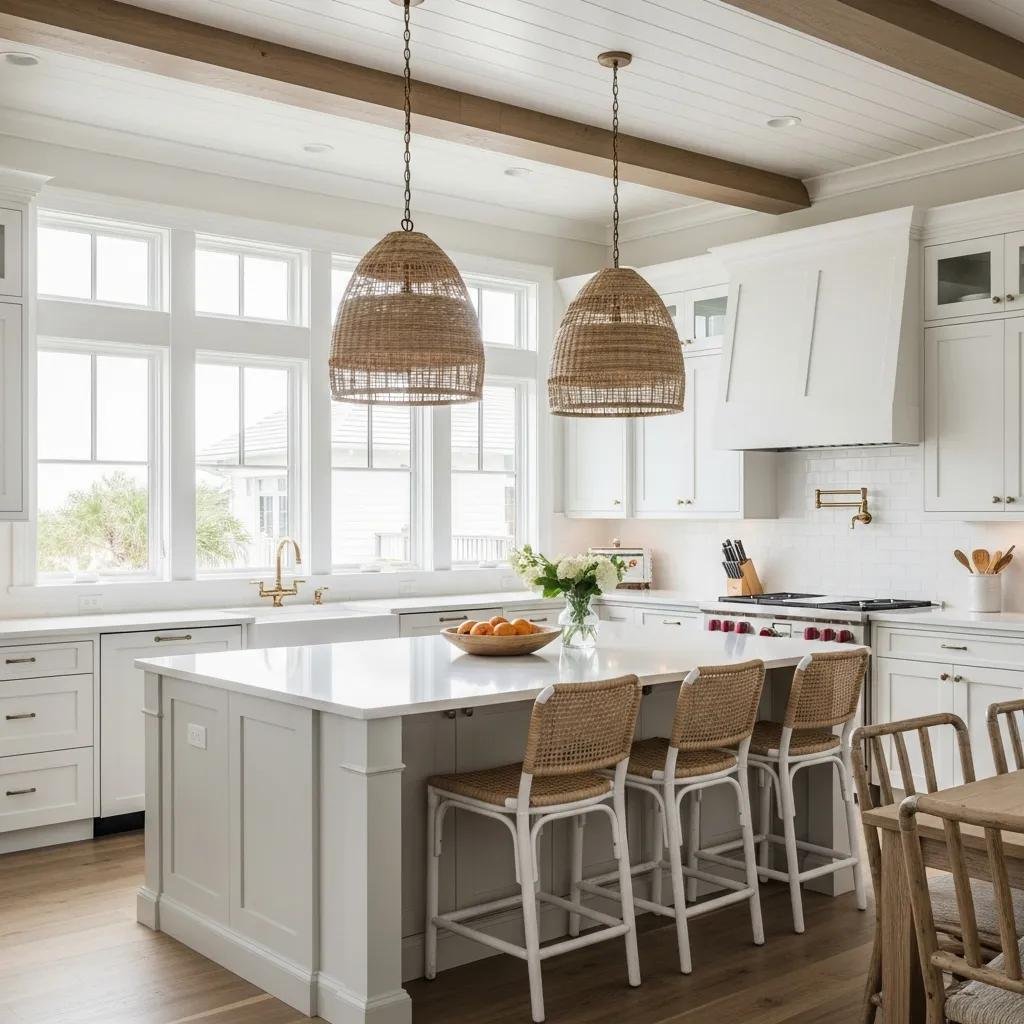
A luxury coastal kitchen balances light, natural texture, and functional decisions—cabinetry, countertops, flooring, lighting, and layout—that together create an open, durable, and elegant cooking space. Start with a cabinetry style that nods to the shore—white shaker, soft blue‑gray, or light wood—then pair with bright counters and open shelving to keep the room feeling airy. Flooring should match coastal tones while standing up to use; LVT, engineered hardwood, or sand‑toned porcelain tile are strong choices. Maximize daylight and layer with woven pendants or maritime‑inspired fixtures for tactile interest.
Use this practical checklist when planning:
- Define the palette: Establish a soft neutral base and one accent color for longevity.
- Select cabinetry: Favor moisture‑resistant finishes and consider open shelving for display.
- Pick countertops: Balance look and maintenance—quartz or light marble are common choices.
- Choose flooring: Prioritize LVT or engineered wood for coastal durability.
- Plan lighting and layout: Maximize daylight; add layered task and ambient lighting for functionality and mood.
Quick material comparison to weigh tradeoffs for a coastal kitchen remodel:
Cabinet choice shapes both the kitchen’s character and upkeep. When you’re ready to move from concept to construction, Scanbuild LLC provides end‑to‑end kitchen remodel services and material guidance—request a consultation to align design direction with build logistics and premium finishes.
What Cabinetry and Countertop Options Suit Coastal Kitchens?
Coastal kitchen cabinetry typically ranges from painted white shaker to stained light wood, and each option balances aesthetics and maintenance differently. White shaker cabinets brighten a space and pair well with quartz for low upkeep. White oak or light wood brings organic warmth and pairs attractively with honed marble or quartz for a softer, natural look. For countertops, quartz offers stain resistance and consistent veining that mimics marble; real marble delivers unique veining and luxury but requires more maintenance.
Recommended pairings: white shaker with white quartz for a crisp, low‑maintenance kitchen, or white oak with soft gray marble for a tactile, upscale finish. Choose hardware like brushed nickel or aged brass to nod to nautical influences without literal theming. Practical note: seal natural stone regularly and opt for performance surfaces where heavy cooking or family life is expected.
Which Flooring and Lighting Choices Elevate Coastal Kitchen Design?
Flooring and lighting steer both function and atmosphere. LVT reproduces wood or stone looks while providing waterproof performance—ideal for busy households. Engineered hardwood offers authentic grain with greater dimensional stability than solid wood, fitting open‑plan kitchen‑living areas. Porcelain tile in sand tones gives durable, easy‑care flooring in wet zones.
For lighting, prioritize large windows and skylights to capture daylight, then layer with woven pendants over islands and recessed under‑cabinet task lighting. Thoughtful placement improves workflow and highlights coastal textures as rooms transition into living areas.
What Are the Key Features of Beach House Bathroom Renovations?
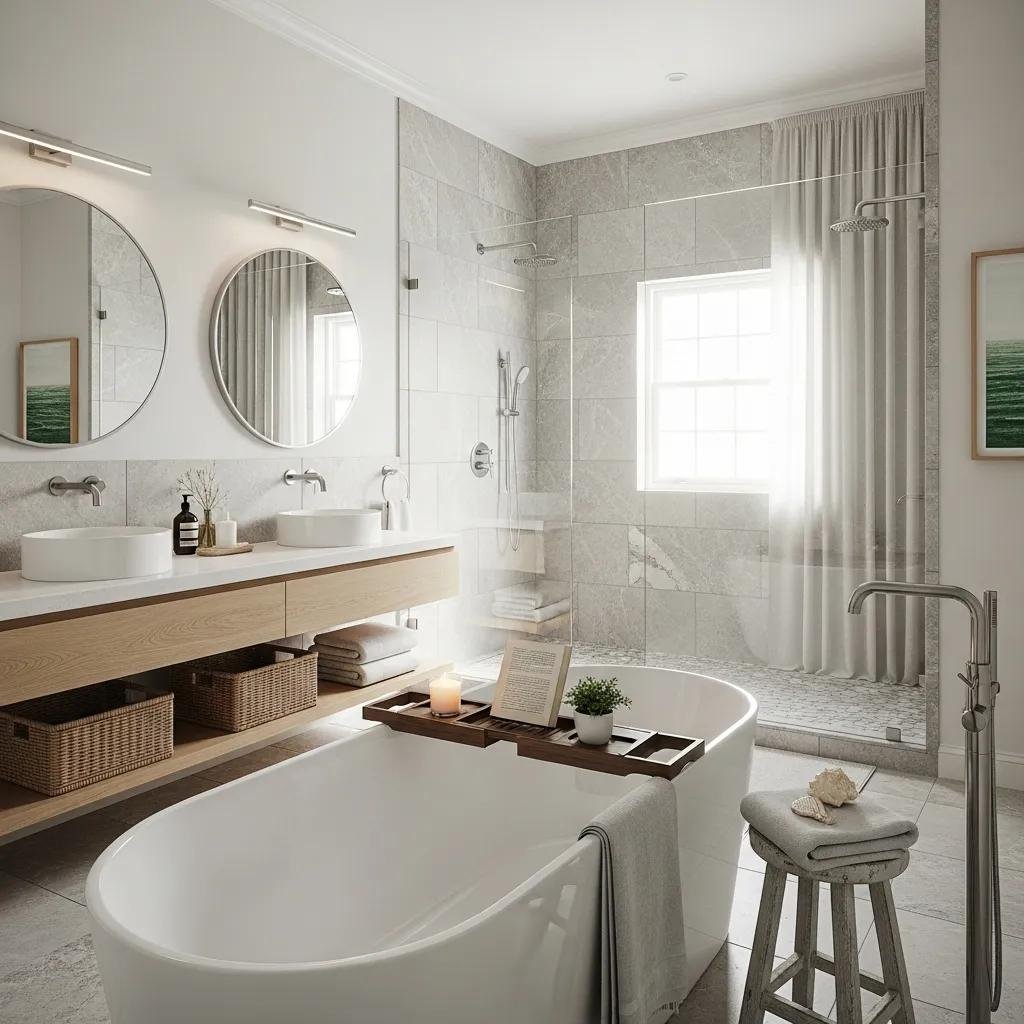
Spa‑inspired coastal bathrooms focus on calm layouts, natural materials, abundant light, and fixtures that feel like a seaside retreat while remaining practical and refined.
Signature features include freestanding tubs or walk‑in showers with glass enclosures, stone or marble tile that evokes shoreline textures, and vanities that balance durable finishes with natural accents such as rattan or white oak. Plumbing fixtures in brushed nickel or matte black provide contemporary contrast while preserving a coastal mood. Prioritize waterproofing and long‑term material performance so the spa ambience endures.
Consider these spa elements when planning:
- Freestanding tub or walk‑in shower to create open, spa‑like zones.
- Textured stone or tile for floors and surrounds to recall shoreline textures.
- Water‑resistant, wood‑look vanities with sealed finishes to add warmth safely.
Comparison table to weigh common fixture and tile choices for coastal bathrooms:
This comparison helps weigh aesthetics against upkeep when choosing tiles and fixtures for a spa‑inspired coastal bathroom. Scanbuild LLC offers bathroom packages and tiling expertise to deliver luxury finishes while managing waterproofing and installation for lasting results.
How Do Spa-Inspired Coastal Bathrooms Incorporate Natural Materials?
Natural materials create a tactile, calming environment: stone tile, wood vanities, and linen textiles work together to evoke seaside tranquility. Stone or marble in showers and on floors gives a cool, luxurious surface; white oak or engineered wood vanities add warmth when finished for moisture resistance. Linen and woven rugs introduce softness and absorbency to complement tile and stone. Durability measures—sealed wood, anti‑slip tile finishes, and proper ventilation—ensure these materials perform well in wet areas.
Pair materials with purpose: reserve delicate stone for low‑traffic areas or choose engineered alternatives where maintenance is a concern. That approach yields a spa‑like retreat that balances sensory calm with practical longevity.
What Fixtures and Tile Designs Define Nautical Bathroom Style?
Nautical character comes from restrained tile patterns, refined fixture finishes, and subtle detailing that suggest the coast without resorting to literal motifs. Penny tiles, elongated subway tile with softened bullnose, and large shell‑inspired slabs provide gentle seaside texture. Fixtures in brushed nickel or soft matte brass offer a polished maritime nod without kitsch. Grout color and tile orientation (horizontal subway to widen, vertical stack to heighten) also shape how a space feels and should be chosen to enhance light and calm.
Choose understated patterns and high‑quality materials so the result reads as curated and timeless: a penny‑tile floor paired with a sleek freestanding tub feels intentional and luxe rather than themed. Thoughtful tile layout and grout choices complete a nautical bathroom that endures stylistically.
Which Nautical Home Decor Elements Complete a Coastal Interior?
Decor accents finish coastal interiors by layering natural textures, curated artifacts, and textiles that reference the shore without overwhelming the design. Sea glass, driftwood, and rattan act as measured accents that introduce organic shapes and color; linen and jute ground seating areas with tactile warmth. The rule of restraint applies—choose one or two natural statement pieces per room and balance neutrals with a single deeper accent color. Lighting, rugs, and artwork should support materials and palette rather than compete with them.
Practical styling tips:
- Use driftwood as sculptural art above a mantel or console.
- Position rattan pendants over islands or dining nooks for layered texture.
- Layer linen cushions and jute rugs to anchor seating groups.
Quick reference for decor placement and care:
This guide clarifies where to place accents for maximum effect without creating a themed room. When you’re ready to turn these ideas into a full remodel, Scanbuild LLC provides design‑to‑build services and project management—request a consultation to explore tailored solutions and view recent project examples.
Frequently Asked Questions
What are some budget-friendly tips for achieving a coastal design?
Focus on high‑impact, low‑cost moves: paint walls in a soft neutral, refresh large furniture pieces with slipcovers or paint, and add texture with affordable jute rugs or wicker baskets. Small swaps—new cushions, framed prints, or a DIY driftwood display—go a long way. Prioritize permanent items you’ll use often and layer inexpensive accessories to achieve the coastal feel without overspending.
How can I incorporate coastal design elements in a small space?
Maximize light and keep the palette light to make small rooms feel open. Choose multi‑functional furniture—storage ottomans, foldable tables—and use mirrors to reflect light and expand sightlines. Introduce coastal touches through a few well‑placed accents (a single driftwood piece, a small sea‑glass display) and keep the overall look minimal to avoid clutter.
What maintenance tips should I consider for coastal materials?
Protect wood with water‑resistant sealants and choose performance fabrics that resist fading and stains. Clean natural stone with pH‑balanced products and reseal as recommended. Ensure good ventilation in bathrooms and kitchens to prevent moisture buildup, and opt for waterproof flooring options like LVT in areas prone to dampness.
How do I choose the right lighting for a coastal interior?
Start with daylight—big windows or skylights—and layer with ambient, task, and accent lighting. Select fixtures made from natural materials like rattan or woven fibers to reinforce the aesthetic. Use warm, soft bulbs to preserve a relaxed atmosphere and avoid overly harsh lighting that can break the calm.
What are some common mistakes to avoid in coastal design?
Avoid literal nautical kitsch and overuse of dark colors that weigh a room down. Keep scale in mind—oversized decor can overwhelm a space. Maintain cohesion by balancing textures and materials rather than piling on competing elements. Subtlety and restraint will keep a coastal design feeling sophisticated.
Can coastal design work in urban settings?
Absolutely. Create a serene urban retreat by using light colors, natural materials, and textured accents that evoke the coast. Add plants for a touch of nature and choose furniture that fits the scale of your space. Keep coastal references subtle—artwork or a single statement piece—so the look feels intentional and suited to city living.
Conclusion
Luxury coastal design transforms a home into a calm, inviting retreat. By combining natural materials, soft palettes, and thoughtful layouts, you can create a sophisticated space that reflects the shore without feeling literal. When you’re ready to begin, Scanbuild LLC offers expert guidance and customized solutions to bring your vision to life. Explore our services and take the first step toward your dream coastal home.
Recent Comments