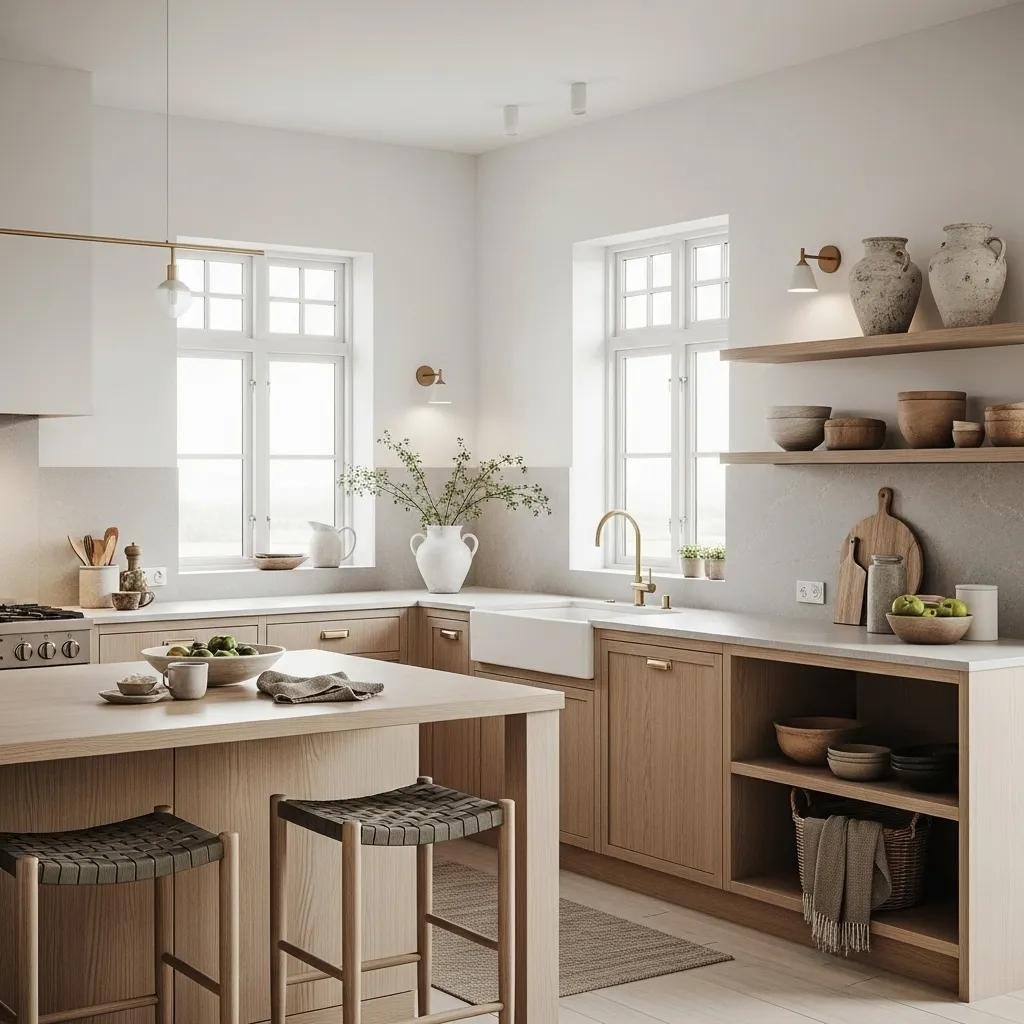
Bright Scandinavian kitchen featuring minimalist design, light wood cabinetry, natural materials, and functional layout with integrated storage and daylight.

Simplicity & Functionality: Scandinavian Design
Simplicity & Functionality: Scandinavian Design

Bright Scandinavian kitchen featuring minimalist design, light wood cabinetry, natural materials, and functional layout with integrated storage and daylight.

Scandinavian Kitchen Remodel — Washington, D.C.: Simple, Functional Luxury for Modern Homes

Scandinavian kitchens pair pared-back aesthetics with practical systems and natural materials to create calm, highly usable spaces that suit luxury homes across Washington, D.C. This guide walks through the core principles of Nordic layouts, material choices that balance beauty with durability, and straightforward steps for turning minimalist ideas into everyday reality. If you want a bright, uncluttered kitchen that works for both cooking and gathering, the Scandinavian approach delivers: it prioritizes efficient workflow, integrated storage and daylight. Read on to learn how clean lines improve function, which woods and surfaces stand up to an urban climate, how to choose flooring that supports the look, and how hygge and lagom shape whole-home renovations. Practical lists, comparison tables and step-by-step guidance appear throughout to help you make informed decisions, with brief notes on how a local design‑build partner can support delivery. Relevant design terms—minimalist design principles, nordic home decor, hygge home decor and sustainable scandinavian materials—are used where helpful for clarity and search relevance.

What defines a functional Scandinavian kitchen?
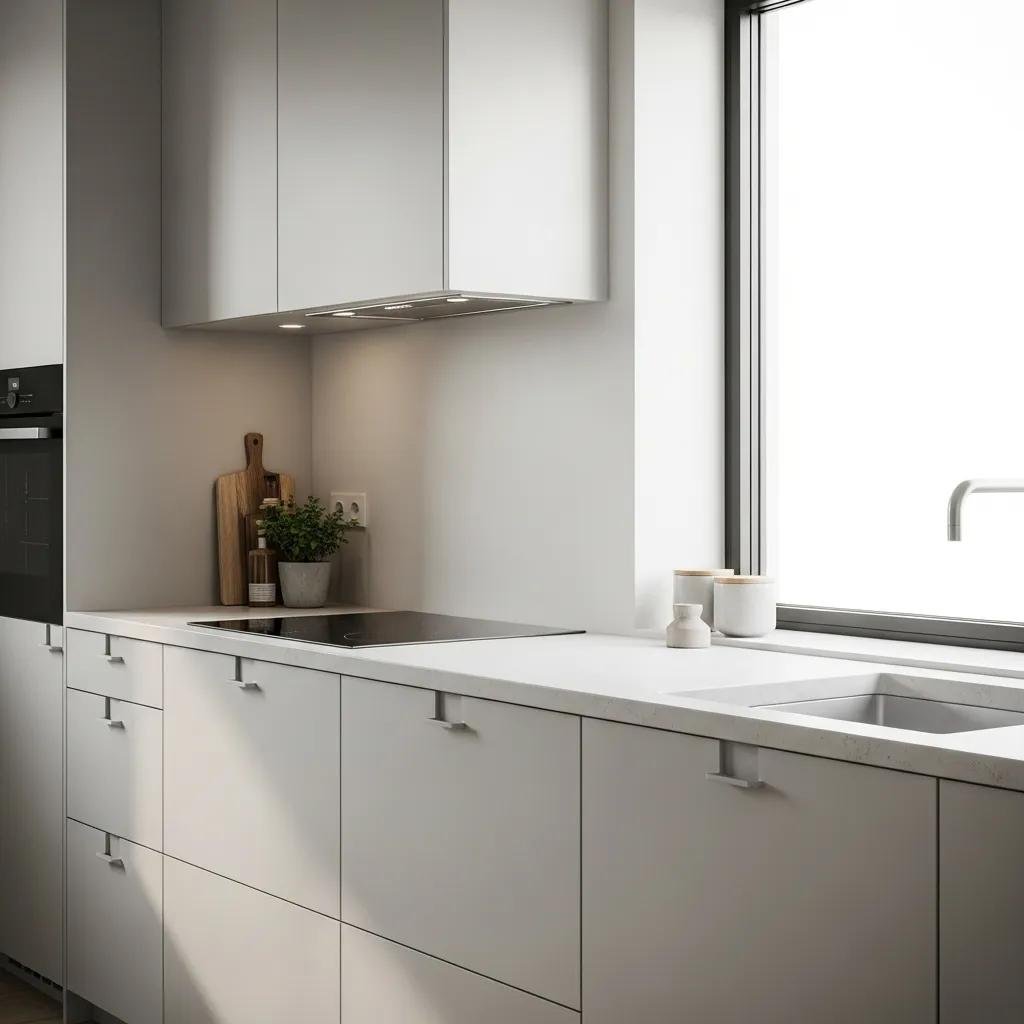
Functional Scandinavian kitchen featuring clean lines, integrated storage, pale cabinetry, and natural light, emphasizing minimalism and practicality.

A functional Scandinavian kitchen combines minimal form with purposeful systems so the room performs well every day. Simplicity trims visual clutter, intelligent zoning shortens task paths, and built-in storage keeps counters clear for prep and socializing. The style emphasizes natural light, pale wood tones and durable finishes that age gracefully while staying low-maintenance. Below are the core principles followed by a compact comparison of cabinet options and their practical benefits before we discuss materials in more detail.

Scandinavian kitchens are built on three guiding principles:

  1. Simplicity: Fewer decorative details and uncluttered surfaces create visual calm and make cleaning easier.
  2. Functionality: Clear workflow, purpose-built zones and hidden storage streamline everyday use.
  3. Natural materials: Light woods and muted stone finishes add warmth while standing up to regular wear.

These ideas steer the material and layout recommendations in the following sections.

Cabinet materials differ in feel, maintenance needs and long-term performance—factors that matter in a Nordic kitchen.

Cabinet MaterialFinishBenefit
Oak (light-stained)Matte or clear lacquerWarm appearance, visible grain and durable over time
Birch or PineNatural oil or whitewashPaler tone, low visual weight and easy to refresh
Matte Lacquered MDFMatte white or graySleek minimal look, easy to clean and cost-effective

This quick comparison shows how lighter, well-performing materials support both the Scandinavian aesthetic and lasting function.

How do clean lines and minimalism improve kitchen usability?

Clean lines and restrained detailing directly support kitchen workflows: they reduce visual interruptions and simplify upkeep. Flat-panel cabinets, integrated handles or push-to-open hardware and concealed appliance panels create continuous surfaces that keep the focus on cooking and socializing, not ornament. A limited palette also boosts natural light, making work zones feel larger and more organized while cutting down on surfaces that trap dirt or need special care. With that clarity it’s easier to pick practical systems—soft-close drawers, built-in dividers and organized pan storage—that enhance usability without undermining Nordic simplicity.

For example, pairing push-to-open drawers with deep pull-out pan storage shortens retrieval time and keeps counters clear for prep—an efficiency choice that naturally informs material selection.

Which natural materials matter most in Nordic kitchen remodels?

Scandinavian kitchens rely on a restrained palette—light woods, soft stone, matte ceramics and tactile textiles—to balance warmth with restraint. Oak and birch make durable veneers that take whitewash or clear finishes well, while engineered stone countertops offer low-maintenance surfaces that complement pale wood tones. Porcelain or ceramic tiles in muted hues work well for backsplashes where water resistance is important, and textured textiles add hygge without visual clutter. Choosing materials that age gracefully and need minimal upkeep preserves the minimalist intent and aligns with commonly recommended sustainable scandi materials.

Always weigh moisture exposure, daily wear and maintenance expectations—selecting tougher surfaces for high-use areas preserves the look over time.

(Scanbuild LLC note: For Washington, D.C. homeowners looking for a turn-key kitchen remodel, Scanbuild LLC provides a full design-build service from initial sketches through construction. We help refine your ideas, vet materials and deliver quality workmanship. A complimentary consultation can clarify feasibility and budgets before final design decisions.)

How to create a luxury Scandinavian bathroom in Washington, D.C.

Luxury Scandinavian bathroom featuring muted stone tiles, warm wood accents, freestanding tub with rose petals, layered lighting, and streamlined fixtures for a serene atmosphere.

A luxury Scandinavian bathroom favors serene materials, streamlined fixtures and layered lighting that support relaxation and everyday care. Start with a pared palette—muted stone or porcelain tile, matte fixtures and warm wood accents—then combine layered lighting and reliable ventilation to protect comfort and longevity. Sustainable, water-resistant materials and compact, efficient layouts make the most of many D.C. homes while preserving a spa-like feel. The table below compares tile and fixture types for aesthetic and water-performance trade-offs to guide quick decisions.

Tile/Fixture TypeAestheticWater Performance / Sustainability
Porcelain tile (matte)Calm, uniform backdropHighly water-resistant with low porosity
Natural stone (sealed)Textured, warmDurable long-term but requires periodic sealing
Water-efficient fixturesMinimalist silhouetteReduces water use and lowers lifecycle impact

This comparison helps you prioritize durable finishes and fixtures that match Nordic minimalism while performing well in humid bathroom environments.

A practical, step-by-step approach makes a spa-like bathroom achievable:

  1. Define mood and palette: Choose muted tones and natural textures as a calming foundation.
  2. Prioritize plumbing layout: Locate showers, drains and fixtures to simplify waterproofing and maintenance.
  3. Layer lighting and ventilation: Combine task, ambient and accent lighting with effective ventilation to prevent moisture issues.
  4. Choose sustainable, durable surfaces: Use low‑VOC finishes and water-efficient plumbing to reduce long‑term impact.

These steps create a clear roadmap from concept to installation, balancing aesthetic calm with long-term performance. The following sections go deeper on fixtures and sustainable choices.

What makes a spa-like Nordic bathroom retreat?

To craft a spa-like Nordic bathroom, make deliberate choices: a muted neutral palette, generous but simple fixtures (freestanding tub or walk-in shower), layered lighting and tactile textures for warmth. Matte or satin finishes, warm wood vanities and soft textiles add hygge without clutter, while frameless shower glass and recessed niches keep sightlines clean. Storage should be minimal and smart—concealed medicine cabinets and under-sink drawers keep essentials accessible but out of view. Good ventilation and moisture-resistant substrates ensure the tranquil look endures with low maintenance.

Together these elements turn a functional room into a restorative retreat that supports daily rituals and strengthens resale appeal.

How do sustainable materials support Scandinavian bathroom renovations?

Sustainable choices improve indoor air quality and reduce long-term costs while reinforcing the minimalist aesthetic. Low‑VOC paints and sealants, water-saving fixtures, and tiles made with recycled content lower environmental impact and ease maintenance. Picking materials that need less frequent replacement—engineered countertops, sealed porcelain tiles—matches the Scandinavian focus on longevity and responsible sourcing. Weigh lifecycle impacts when specifying finishes to preserve both the spa-like atmosphere and practical durability expected in luxury renovations.

Understanding these trade-offs helps you prioritize investments that deliver environmental benefits and everyday performance.

(Scanbuild LLC note: For homeowners exploring bathroom renovations, Scanbuild LLC offers packaged options—our “BATHROOM DEAL”—to simplify choices and budgeting. We can advise on sustainable fixtures and finishes that fit a spa-like Scandi plan.)

Best Scandinavian flooring options for D.C. homes

Flooring anchors the Scandinavian palette and must suit Washington, D.C.’s mixed‑humid climate and urban lifestyle. Top picks are light engineered wood for main living areas, luxury vinyl tile (LVT) for moisture-prone or high-traffic zones, and select porcelain tile for baths and entries. Each choice balances look, durability and upkeep; the table below summarizes durability, visual fit and maintenance to guide room-by-room selection. After the table we explain why light wood and LVT are frequently recommended.

Flooring OptionDurabilityVisual Fit & Maintenance
Engineered light oakHighAuthentic wood appearance and stable across humidity changes
Luxury Vinyl Tile (LVT)Very highWaterproof, easy to maintain and mimics wood or stone textures
Porcelain tileVery highBest for wet areas—low maintenance and cool underfoot

This comparison helps match material performance to room function while keeping a cohesive Scandinavian look.

  • Visual harmony: Pale wood tones brighten interiors and complement muted palettes.
  • Practical warmth: Engineered wood brings the feel of solid wood with greater humidity stability.
  • Moisture management: LVT offers waterproof performance where spills or humidity are concerns.

Selecting materials by room—engineered wood for living spaces, LVT for kitchens and entries, tile for baths—delivers cohesive aesthetics and sensible longevity. Proper installation and suitable underlayment further align durability with the minimalist design intent.

(Scanbuild LLC note: Scanbuild LLC installs LVT and light-engineered wood flooring as part of our remodeling services across the Washington, D.C. area. We provide consultations to match material performance and finish to each home’s needs.)

Why choose light wood and LVT for Nordic interiors?

Light wood and LVT support the Scandinavian focus on bright, tactile surfaces while offering practical upside. Engineered light wood creates visual continuity and can be repaired or refinished; modern LVT gives realistic texture with strong water resistance and easy cleaning. For homes with pets, children or heavy traffic, LVT often delivers the best lifecycle value with minimal compromise to appearance. Selecting the right underlayment and installation method ensures comfort, sound control and long-term stability in townhouses and condos.

These trade-offs guide room-specific decisions that preserve the Nordic aesthetic without sacrificing daily performance.

How does flooring durability fit Scandinavian design values?

Durability is a form of sustainability in Scandinavian design: choosing long-lasting materials reduces turnover and keeps the minimalist look intact. Prioritize scratch-resistant finishes, appropriate underlayments and professional installation to prevent premature wear and maintain clean lines. In entryways and high-traffic zones, resilient options like LVT or porcelain tile protect the scheme, while engineered wood retains warmth in living areas. Attention to installation details—moisture barriers, acclimation and proper fastenings—keeps materials performing as intended and preserves the design intent.

Durable flooring choices therefore support everyday use and the restrained, timeless look at the heart of Scandi interiors.

How functional Scandinavian interiors improve whole-home renovations

Functional Scandinavian design lifts whole-home renovations by applying kitchen and bathroom principles—simplicity, utility and quality—across living spaces. Hygge and lagom—comfort and balanced sufficiency—guide furniture scale, textiles and storage so rooms feel calm and useful. Built-in storage, multipurpose furniture and daylight optimization keep spaces intentional and uncluttered, improving circulation and perceived size. The homeowner benefits below summarize why many clients choose Scandi principles and preview practical implementation notes.

Key homeowner benefits of functional Scandinavian design:

  1. Calmer living spaces: Less visual noise promotes mental clarity and daily ease.
  2. Improved functionality: Efficient storage and layouts shorten routines and simplify upkeep.
  3. Long-term value: Timeless materials and durable systems support resale appeal and lower lifecycle costs.

These benefits explain why homeowners often prioritize Scandinavian principles for both lifestyle and investment reasons. The sections that follow unpack hygge, lagom and practical strategies for light and storage.

(Scanbuild LLC note: Scanbuild LLC uses a design-build process to integrate hygge and lagom-driven solutions—custom closets, upgraded laundry layouts and built-in storage—so renovations move smoothly from concept to completion. Our consultations align these strategies with your budget and timeline.)

What role do hygge and lagom play in creating calm, intentional homes?

Hygge and lagom work as guiding principles that shape material choices, furniture scale and sensory qualities. Hygge emphasizes tactile comfort—soft textiles, warm lighting and carefully chosen objects—while lagom encourages balance and sufficiency, steering choices toward purposeful rather than excess items. Combining both means selecting a small number of high-quality pieces and layering textures to add warmth without clutter. The result is a home that feels welcoming and deliberate, supporting daily rituals and social moments with minimal visual distraction.

Translating these ideas into renovation decisions makes abstract lifestyle goals tangible and actionable.

How can natural light and decluttering improve Scandinavian home functionality?

Maximizing natural light and using targeted decluttering strategies are practical levers to improve perceived space and everyday function. Tactics include keeping window treatments light, using reflective but muted surfaces to bounce daylight, and adding built-in storage to hide rarely used items. Regular decluttering routines paired with designated storage zones prevent buildup and preserve the clean sightlines essential to the Scandinavian look. Effective light and storage strategies reinforce kitchen and bathroom choices, ensuring a cohesive, sustainable whole-home approach.

These tactics connect directly to material and layout decisions in kitchens and bathrooms to keep the overall scheme consistent.

Frequently Asked Questions

What are the benefits of incorporating hygge and lagom into home design?

Hygge and lagom together create homes that feel comfortable and balanced. Hygge brings warmth through soft textiles and ambient lighting; lagom encourages moderation and well-considered choices. The combined effect is a calm, purposeful space that supports everyday life and social moments while reducing stress. Integrating these ideas helps you create a home that reflects your lifestyle without excess.

How can I ensure my Scandinavian kitchen remodel is sustainable?

Prioritize durable, low-impact materials and efficient systems: low‑VOC paints, responsibly sourced or reclaimed woods, energy-star appliances and engineered stone or recycled surfaces. Choose finishes that require minimal upkeep and fixtures that conserve water. Working with a design‑build specialist helps you select options that meet sustainability goals while matching your aesthetic and budget.

What lighting options work best in a Scandinavian kitchen?

Layered lighting is key: combine ambient fixtures (recessed or pendant) with targeted task lighting under cabinets and accent lighting for focal areas. Warm‑tone LEDs create a welcoming atmosphere, and maximizing natural light—by keeping window treatments minimal—does a lot of the heavy lifting. Thoughtful pendants over an island can add character without breaking the minimalist rhythm.

How do I choose the right color palette for a Scandinavian kitchen?

Stick to light, muted tones to enhance brightness and calm. Start with whites, soft grays or pale pastels as a base, then introduce natural wood accents and small color pops through textiles or accessories. This restrained palette supports the Scandinavian values of simplicity and functionality while keeping the space inviting.

What are the best storage solutions for a Scandinavian kitchen?

Smart storage focuses on accessibility and a clean look. Built-in cabinetry with integrated handles, pull-out drawers, concealed organizers and vertical storage systems keep essentials organized and out of sight. Open shelving can display curated items sparingly. Prioritizing functional, well-planned storage preserves the minimalist aesthetic and makes daily life easier.

How can I incorporate natural elements into my Scandinavian kitchen design?

Use light woods for cabinetry and accents, stone or ceramic backsplashes for texture, and plants—herbs or small succulents—to bring life into the room. Maximize daylight with minimal window coverings so natural light highlights materials and creates a strong connection to the outdoors.

Conclusion

Adopting Scandinavian design principles for your kitchen remodel creates spaces that are both functional and serene. By prioritizing natural materials, clean lines and efficient layouts, you get a timeless aesthetic that supports everyday living. If you’d like help translating these ideas into a Washington, D.C. renovation, consult a local design‑build team. Our experienced designers and builders can tailor solutions that match your vision and budget—reach out to learn how we can transform your home into a refined Scandinavian retreat.
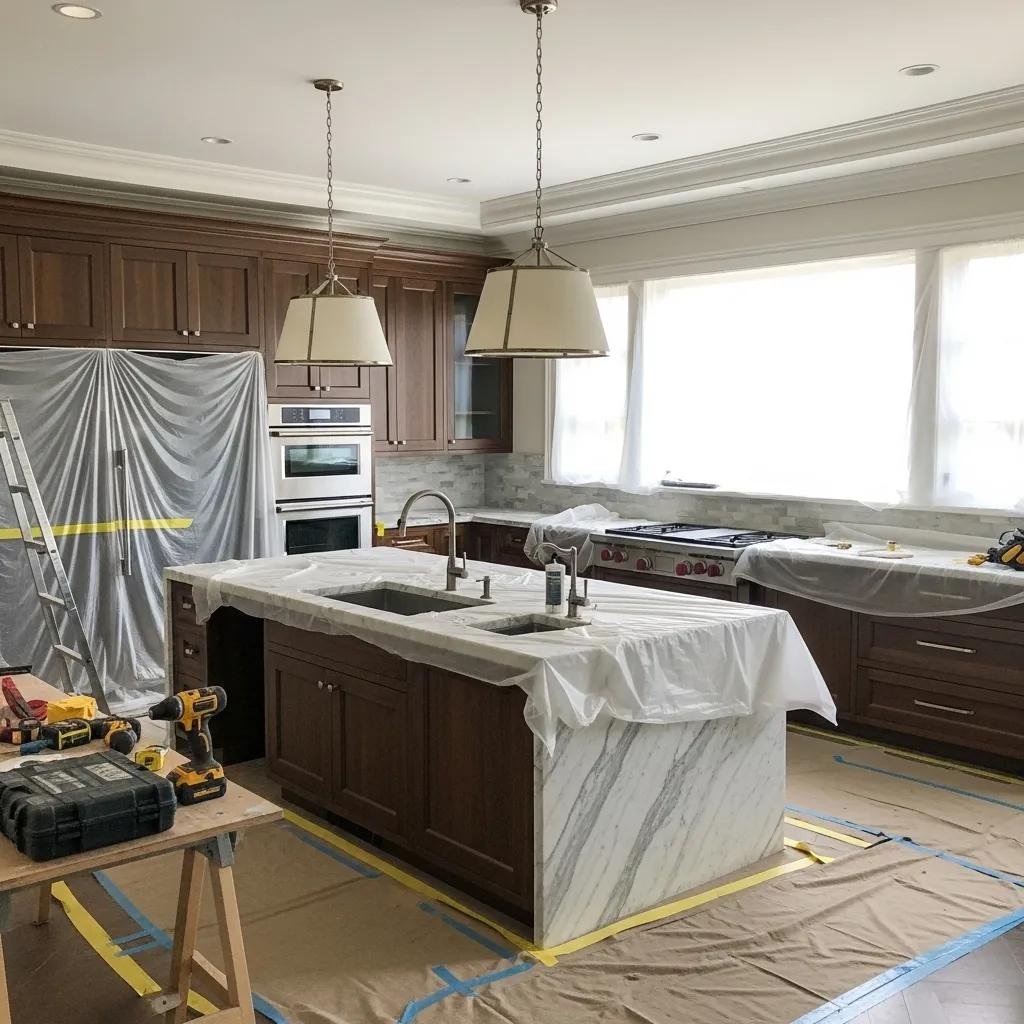
Luxury kitchen renovation scene with modern cabinetry, marble island, construction tools, and protective coverings, illustrating a home remodeling project while living in the space.

Tips for Renovating Your Home While Living There

Tips for Renovating Your Home While Living There

Luxury kitchen renovation scene with modern cabinetry, marble island, construction tools, and protective coverings, illustrating a home remodeling project while living in the space.

Living Through a Luxury Remodel: Practical Strategies to Protect Your Home and Keep Life Running

Renovating a luxury home while you live in it brings specific challenges: dust that finds its way into stone veins, noise that interrupts routines, and the constant effort to shield premium finishes without halting daily life. This guide gathers contractor-tested tactics to keep disruption low and protection high. You’ll find clear methods for managing dust and noise, intentional temporary kitchen and bathroom setups, communication practices that prevent surprises, and straightforward ways to safeguard valuables, family members, and pets. Each section breaks the issue into actionable steps, recommended tools, and compact comparison tables so you can choose solutions that fit your schedule and budget. The advice targets upscale kitchens, baths, fine tile, and premium flooring but applies to any occupied remodel. Use the checklists, quick-reference tables, and communication templates here to reduce stress and keep your home functioning through construction.

How do you minimize dust and noise during a luxury home remodel?

Controlling dust and noise combines containment, filtration, and smart scheduling so sensitive finishes remain protected and the house stays liveable. Containment uses sealed partitions and zipper doors to stop migration; filtration relies on HEPA air scrubbers and negative-air equipment to cut airborne particulates; scheduling concentrates the messiest, noisiest work into short windows to limit repeated disruption. The objective: prevent abrasive grit from reaching marble, natural stone, lacquered cabinetry, and other high-end surfaces. Use the checklist below to confirm your contractor’s plan before work starts.

  • Inspect and seal HVAC returns and vents in the work area to stop dust spreading through the system.
  • Install zip-wall or temporary framed barriers with zipper doors at every construction threshold.
  • Position HEPA air scrubbers and negative-air machines inside containment and slightly outside to establish pressure differentials.

Use this checklist when comparing proposals to ensure containment and filtration are priorities. The next section helps you evaluate specific containment approaches.

What dust-control strategies work best for occupied remodels?

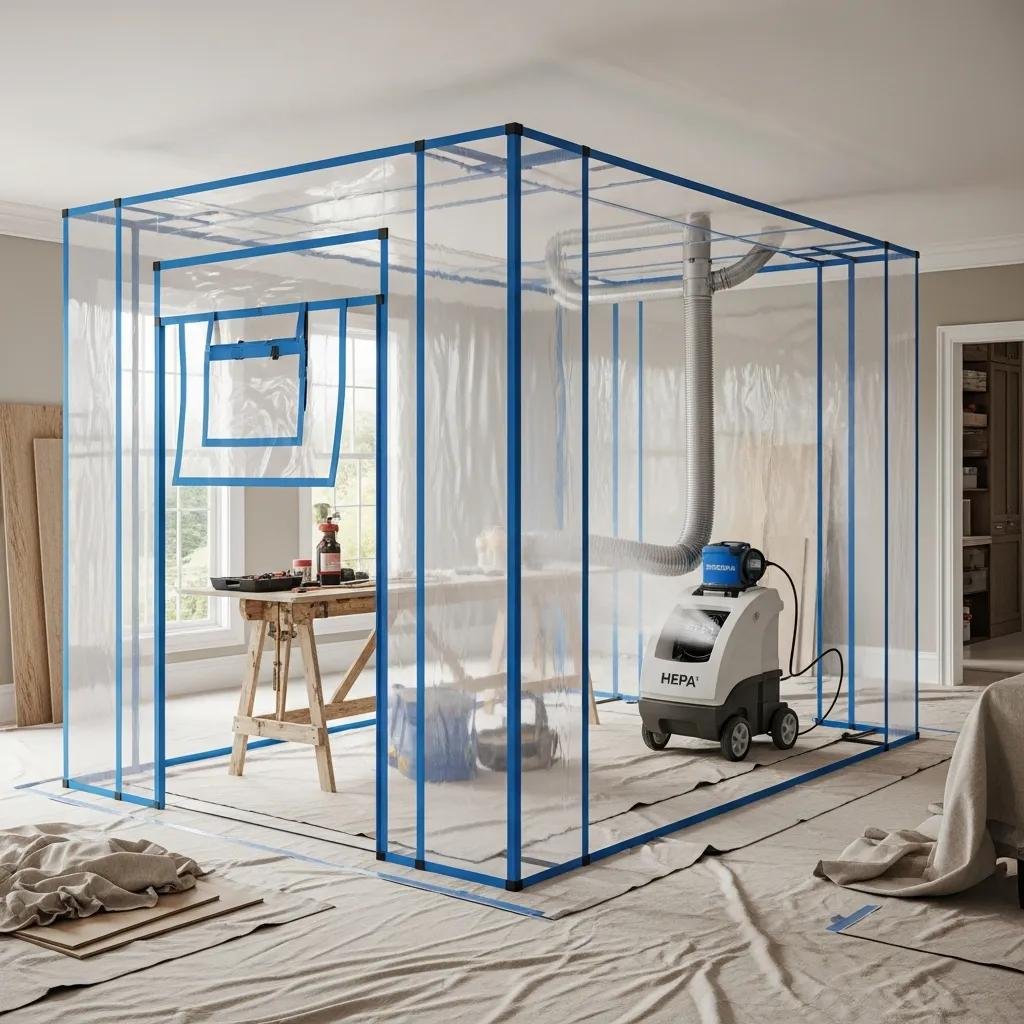
Containment system with transparent plastic barriers and HEPA air scrubber in a luxury home renovation, illustrating effective dust control strategies for occupied remodels.

Effective dust control relies on physical barriers, mechanical filtration, and disciplined cleaning routines to protect finishes and indoor air quality. Zip-wall systems create a continuous plastic partition with framed supports and zipper access; taped and sealed doors using thick polyethylene work for smaller scopes. Both limit cross-contamination and let work continue without evacuating the house. HEPA air scrubbers and negative-air machines remove fine particulates—place intake inside the containment and exhaust outdoors or through sealed ducts to maintain negative pressure. Daily wet-wiping of horizontal surfaces, microfiber vacuuming with HEPA-rated vacuums, and protective coverings over countertops and floors prevent abrasive dust from scratching marble or engineered materials.

Containment MethodCost/SetupEffectiveness
Zip-wall framed barrierModerate setup time, reusableHigh — strong seals and controlled access
Poly sheeting & taped doorsLow cost, quick to installMedium — suitable for small zones; seams require attention
Sealed HVAC ventsLow cost, requires duct sealingHigh — prevents HVAC-driven spread

Match containment and filtration to project size and finish sensitivity. Next, use scheduling to reduce noise impacts.

How should noisy work be scheduled to limit disruption?

Schedule noisy trades to reduce perceived disruption by clustering loud work and providing predictable quiet periods. Combine major-noise tasks—demolition, tile removal, primary plumbing cut-ins—into consecutive days so occupants face one concentrated disruption instead of recurring interruptions. Share a simple noise calendar listing planned noisy activities and windows, post it in common areas, and distribute it digitally. When possible, request quieter tools or phased approaches—use dust-minimizing demo tools and schedule sanding late so cleanup can occur overnight.

  1. Cluster noisy trades into short blocks to avoid repeated disturbances.
  2. Share a noise calendar with advance notice and daily windows for affected areas.
  3. Request quieter tool options or phased work to preserve household routines.

Clear scheduling cuts surprises and supports dust control—and it sets the stage for temporary living setups that keep comfort intact.

What temporary living solutions are essential during kitchen and bathroom remodels?

Temporary living solutions preserve daily routines and a sense of luxury while permanent spaces are offline. A functional temporary kitchen focuses on safe hot-food prep, dishwashing, and refrigeration without exposing premium cookware to dust. Temporary bathroom options deliver privacy, hot water, and sanitation with minimal plumbing interruption. Storage, protected access routes, and daily maintenance matter to keep family life stable and finishes safe. The checklist below outlines essentials to arrange before demolition.

  • Designate a temporary kitchen zone with a countertop, induction hotplate, microwave, mini-fridge, and a clear cleanup workflow.
  • Provide at least one full bathroom alternative or reliable portable shower/toilet and schedule water shutdowns in advance.
  • Protect valuable cookware and serveware with archival covers or store off-site if possible.

These essentials keep routines steady. The following section walks through appliance choices and layout tips for a temporary luxury kitchen.

How do you set up a functional temporary kitchen in a luxury home?

Functional temporary kitchen setup featuring a countertop induction hotplate, microwave, mini-fridge, and organized cooking utensils, designed for luxury home renovations.

A successful temporary kitchen balances convenience with protection for high-end cookware and surfaces using compact, efficient appliances and strict cleaning practices. Prioritize an induction hot plate or countertop induction unit for safe, fast cooking; add a microwave and a mini-fridge for perishables, and consider a portable dishwasher where power and hookups allow. Protect prep surfaces with heavy-duty plastic and cutting boards to prevent stains and scratches, and keep valuable items sealed or off-site to avoid dust exposure. Batch cooking and simple menus reduce appliance switching and limit cleanup, helping preserve finishes and routines.

Temporary AppliancePower NeededPros / Cons
Induction hot plate120–240V, verify circuitFast, safe, easy to clean / requires compatible cookware
Mini-fridge120VKeeps perishables safe / limited capacity
Portable dishwasher120V, water hookupCleans efficiently / may require temporary plumbing

Use this comparison to choose appliances based on space, power, and convenience. Scanbuild LLC designs temporary kitchen and bathroom plans for luxury remodels—contact us for a setup tailored to your project using the phone or email at the end of this article.

How do you maintain bathroom comfort and hygiene during remodeling?

Maintaining bathroom hygiene requires planning for reliable hot water, privacy, and sanitation so daily routines continue. Portable showers and temporary toilets can be staged in utility or guest areas with simple privacy screens and floor protection to shield adjacent finishes. Coordinate water shutdowns in advance, stage handwashing stations and supplies for comfort, and follow daily cleaning protocols for temporary fixtures to prevent odors and bacterial buildup. A clear access schedule, communicated to household members, minimizes conflict and keeps expectations aligned during disruptive phases.

  1. Provide a dedicated temporary toilet/shower location with privacy screens.
  2. Plan water-shutdown windows and notify occupants ahead of time.
  3. Maintain daily cleaning and offer hot-water handwashing stations.

These steps preserve hygiene and comfort and lead into communication practices that keep the project transparent.

How can you communicate effectively with your contractor for a smoother renovation?

Effective communication is structured, documented, and regular—so everyone stays aligned and issues are resolved quickly. Start by defining project phases, timelines, and impacted areas, then set a cadence for check-ins and designate a clear emergency contact. Combine brief daily updates for affected occupants with weekly milestone meetings that include photos and progress notes so changes and decisions are visible. A formal change-order process and an escalation path prevent scope creep and ensure requests are evaluated for cost and schedule impact before implementation.

  • Designate a single project manager as the main contact and agree on weekly milestone reviews.
  • Use photos and short videos for remote transparency and progress records.
  • Establish a formal change-order workflow and an escalation path for unresolved items.

Documented communication reduces anxiety and creates predictable project rhythm. Scanbuild LLC’s design-build approach includes project manager check-ins and digital tracking—contact us using the details below to discuss integrating this into your project.

What are best practices for setting expectations and regular check-ins?

Start with a kickoff meeting that outlines phases, access rules, and protection measures so occupants know what to expect from day one. Hold short daily check-ins for people in directly impacted areas to address immediate concerns and weekly milestone meetings to review progress, upcoming trades, and decisions. Use photo and short video logs to preserve transparency and reduce unnecessary site visits—those visuals become an audit trail. Define decision points and approval authority up front to avoid delays and confusion during construction.

This framework keeps everyone aligned and leads into how to efficiently manage changes and concerns.

How should you handle concerns and change requests during the project?

Address concerns quickly with a simple written change-request process: document the issue with photos and a timestamp, submit a change request describing scope and desired outcome, and have the contractor respond with cost and schedule impacts. Keep an escalation chain—project manager, lead contractor, owner—so unresolved items move up promptly, and set short decision windows to avoid cascading delays. When disputes arise, rely on the photo log and documented notes to clarify agreements. Prompt documentation and a formal change-order system reduce scope creep and help keep the remodel on track while you live in the home.

  1. Document concerns immediately with photos and timestamps.
  2. Use a formal change-order to record cost and time implications.
  3. Follow an escalation path for unresolved or urgent issues.

These steps clarify responsibility and protect your schedule and budget while preserving everyday life during the project.

What packing and safety measures should you use while living through a remodel?

Smart packing and safety protect valuables, keep family routines intact, and reduce risk when work zones and living areas overlap. Prioritize archival packing for artwork and climate-controlled off-site storage for sensitive pieces; use plywood overlays and protective films for finishes that remain. Designate clean zones away from work areas for children and pets, and run daily cleanup and inspection routines to remove nails and debris. Verify insurance coverage, label boxes clearly, and keep an accessible essentials kit so life stays manageable and damage risk is minimized.

  • Create secure storage for artwork and electronics with clear labels and a central essentials box.
  • Protect in-place surfaces with plywood or temporary coverings matched to the finish.
  • Designate kid- and pet-free zones and perform daily safety sweeps.

These precautions preserve value and safety and lead into targeted packing and protection recommendations.

How do you organize and protect high-value items during renovation?

Start with the right packing materials, clear labeling, and a decision about on-site protected zones versus climate-controlled off-site storage based on sensitivity. Use archival-grade wraps for artwork and consider climate-controlled storage for antiques or humidity-sensitive pieces; in-home protection for marble and counters should include foam-backed plywood, while wood floors benefit from rosin paper and reinforced runners. Build an inventory with photos and store that inventory separately so you can verify condition after the project. Keep a daily-access “survival kit” with medications, chargers, and a few dishes to avoid repeatedly opening packed storage.

Item TypeProtective MeasureRecommended Material
Marble countertopsSurface cover during workPlywood + foam underlayment
ArtworkOff-site climate storage or archival wrapAcid-free paper, bubble wrap
ElectronicsSealed bins with desiccantPlastic totes, climate control

Use this quick reference to protect common high-value items, then apply the family and pet safety measures below.

How do you keep family members and pets safe around construction zones?

Keep family and pets safe by creating physical separation, running routine safety checks, and setting clear rules to prevent accidents and dust exposure. Install temporary gates and sealed doors to block access to active zones, perform daily debris removal with a HEPA vacuum, and secure nails and small fasteners immediately after trade work. Maintain routines by providing alternate play and rest areas with clean air and predictable schedules so children and pets stay comfortable. Communicate house rules to the crew—no open food, tool storage protocols, and where cleaners should leave equipment—to maintain a consistent safety culture.

  1. Designate safe, dust-free zones for children and pets with clear barriers.
  2. Perform daily cleanup and safety sweeps to remove loose nails and debris.
  3. Provide alternate spaces and routines so family life remains predictable.

These measures round out the safety plan for living through a remodel while protecting people and prized possessions.

Scanbuild LLC — a luxury design-build resource serving the Washington, D.C. metro area — can advise on protective strategies and provide project-level planning; contact Scanbuild LLC at +1-240-374-8844 or by email at scanbuildllc@gmail.com to schedule a consultation or site assessment.

Frequently Asked Questions

What should I consider when choosing a contractor for my luxury home renovation?

Choose a contractor with proven experience on high-end projects. Review a portfolio of similar work and check client references for workmanship and communication. Confirm they understand luxury materials and complex schedules, and verify licensing, insurance, and any specialty certifications. A reliable contractor will provide a detailed proposal that clearly outlines costs, timelines, and project phases so there are no surprises.

How can I prepare my family for living through a renovation?

Prepare your family with clear, practical communication and set expectations early. Explain the timeline, likely disruptions, and safety measures. Create a dedicated safe zone away from work areas, establish a routine that accommodates the construction schedule, and plan meals and bathroom access. Involve children in age-appropriate ways so they know what to expect—this reduces stress and keeps a sense of normalcy.

What are the best ways to protect my furniture and belongings during a remodel?

Move items out of the work area when possible and use high-quality packing materials for fragile pieces. Consider climate-controlled storage for valuable items. For in-place protection, cover furniture with heavy-duty plastic or moving blankets and protect floors and countertops with plywood or protective films. Label packed boxes clearly and check stored items periodically during the project.

How can I maintain a clean environment during the renovation process?

Maintain cleanliness with proactive daily routines: HEPA vacuuming, damp-wiping surfaces, and scheduled site cleanups. Assign a cleanup crew or daily tasks so responsibility is clear. Use air purifiers with HEPA filters to improve indoor air quality and inspect the site regularly for hazards and debris. Keep communication open with your contractor about cleanliness standards and expectations.

What are some common mistakes to avoid during a home renovation?

Avoid underestimating the budget and timeline and failing to communicate clearly with your contractor—both create avoidable stress. Plan for temporary living arrangements so daily life isn’t derailed. Don’t make impulsive design changes without considering their impact on budget and schedule. Finally, ensure you understand the renovation process so surprises are minimized.

How can I ensure my renovation stays on budget?

Start with a detailed plan that outlines goals, priorities, and a realistic budget. Set aside a contingency fund of 10–20% for unforeseen items. Communicate budget limits to your contractor and request regular cost updates. Be prepared to prioritize or substitute materials if needed, and minimize changes once work begins—late changes are the most common cause of overruns.

Conclusion

Managing a luxury remodel while living on-site is achievable with thoughtful planning and clear standards. Prioritize dust and noise control, set up intentional temporary living solutions, and keep communication structured and documented. Those steps protect your high-end finishes and preserve daily life through construction. For tailored guidance on your project, reach out to Scanbuild LLC.

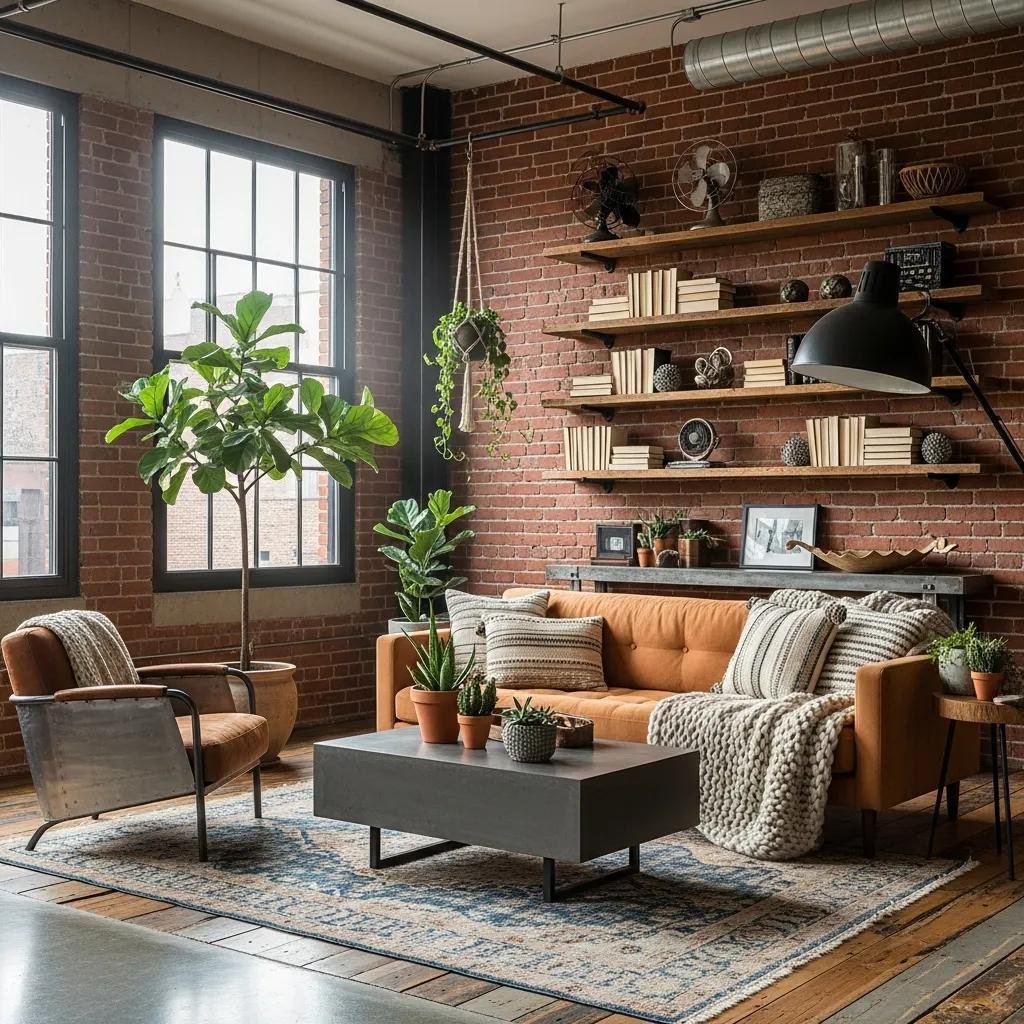
Stylish industrial chic living room featuring exposed brick walls, metal accents, reclaimed wood furniture, potted plants, and cozy textiles, illustrating modern urban loft design principles.

Creating an Industrial Chic Look in Your Home

Creating an Industrial Chic Look in Your Home

Stylish industrial chic living room featuring exposed brick walls, metal accents, reclaimed wood furniture, potted plants, and cozy textiles, illustrating modern urban loft design principles.

Create an Industrial‑Chic Home: Practical Design and Remodeling Insights

Industrial‑chic combines raw, utilitarian materials with refined touches to produce spaces that feel intentionally rugged and comfortably livable. In this guide we walk through the core characteristics of the style, kitchen and bathroom remodel ideas that preserve everyday function, and simple decor strategies to bring an urban‑loft look into your home. Many homeowners want the texture of exposed brick and metal without sacrificing comfort or durability; smart material choices—sealed concrete counters, reclaimed wood accents, durable tile, and luxury vinyl plank (LVP)—let you get that impact without the upkeep headache. Below we cover design fundamentals, step‑by‑step kitchen and bathroom approaches, and how lighting and accessories soften industrial elements. If you’re in the Washington, D.C., metro area and want hands‑on help, Scanbuild LLC offers design‑and‑build remodeling services to translate industrial styling into high‑end kitchens and baths. Read on for actionable ideas, material comparisons, and practical planning tips for an industrial‑chic renovation that’s modern and livable.

What Defines Industrial‑Chic Interior Design?

Industrial‑chic foregrounds exposed structure, honest materials, and a restrained palette that lets texture and contrast lead. Think brick, concrete, metal, and wood used alongside open plans and visible mechanical or structural details to create an authentic loftlike atmosphere. The style offers visual interest and long‑lasting materials, but it requires balance so rooms feel warm rather than cold or unfinished. Knowing where each material performs best—and what maintenance it needs—helps homeowners choose features that deliver comfort and low upkeep over the long term.

  • Exposed structural elements: Beams, ductwork, or brick walls used as tactile focal points.
  • Raw material palette: Concrete, steel accents, reclaimed wood, and matte tiles.
  • Neutral, contrast‑driven colors: Grays, blacks, whites and warm wood tones layered by texture.

These guiding features inform material selections and spatial choices for kitchens, bathrooms, and living areas. The quick comparison below helps decide where key industrial materials work best.

MaterialCommon UseBenefit / Tradeoff
Exposed brickFeature walls, backsplashesRich texture and warmth; may need sealing and occasional repair
Concrete (countertops/floors)Counters, flooringDurable and sculptural; requires sealing to resist stains
Metal (steel/iron)Fixtures, window framesStrong contrast and structure; can patina or scratch over time
Reclaimed woodShelving, furniture, trimAdds warmth and character; typically higher maintenance than LVP

How Do Raw Materials Shape the Industrial‑Chic Look?

Materials determine both the look and the performance of industrial interiors: concrete reads solid and sculptural for counters or polished floors, while reclaimed wood adds visual warmth and complexity that softens colder surfaces. Metal—black steel, iron, or brushed finishes—frames openings and fixtures and creates those crisp industrial silhouettes. Pair materials with similar maintenance profiles to keep the design practical; for example, sealed concrete paired with LVP in high‑traffic zones balances permanence with easy care.

These material decisions directly influence kitchen and bathroom selections, where moisture and wear shape long‑term performance.

What Color Palettes and Textures Work Best?

Industrial‑chic favors a limited, neutral palette—grays, blacks, whites and warm wood—to let texture carry the design. Mix smooth polished concrete, rough brick, matte metals and textured textiles to build depth without relying on bright colors. Finishes typically lean matte or low‑sheen to maintain an understated, factory‑inspired look; a few polished elements—a honed concrete countertop or a glossy tile backsplash—create deliberate contrast. Use accent colors sparingly through upholstery, plants, or artwork to enliven the base palette without diluting the industrial language.

Texture and tone choices affect perceived warmth and livability, which leads naturally into practical kitchen material and layout decisions.

How to Bring Industrial Style into Your Kitchen Remodel

Industrial-style kitchen featuring concrete countertops, brick backsplash, open shelving with white dishware, and metal accents, emphasizing a neutral palette and textured materials.

An industrial kitchen pairs efficient workflow with honest materials: open shelving, durable surfaces and metal accents give utility and character. Consider concrete counters for sculptural work surfaces, brick or industrial tile backsplashes for texture, and black steel window frames or open shelving to emphasize structure and light. Durable flooring—polished concrete where appropriate or LVP that mimics wood—keeps the look cohesive while standing up to daily wear. Layered lighting, such as pendants with exposed bulbs and targeted task lights, finishes the utility‑first aesthetic while highlighting surfaces and texture.

Practical steps to implement industrial chic in the kitchen:

  1. Prioritize workflow: Plan islands and prep zones for efficient movement and service.
  2. Choose robust surfaces: Use sealed concrete or high‑quality LVP where durability matters.
  3. Expose structure selectively: Make a brick backsplash or visible beam a focal point.
  4. Layer lighting: Combine task pendants with ambient fixtures to showcase texture and improve usability.

These steps translate the look into renovation choices that protect function while delivering an urban‑loft feel.

Which Industrial Elements Improve Kitchen Function and Style?

Key elements that make industrial kitchens functional and attractive include open shelving for easy access and display, stainless or sealed concrete counters that tolerate heavy use, and LVP flooring that offers warmth with low maintenance. Durable hardware and plumbing fixtures add longevity and visual consistency, while wall‑mounted storage and magnetic rails free counter space. Keep maintenance in mind: sealed concrete needs periodic resealing, metal finishes may show wear and require touch‑ups, and open shelving demands tidy storage. Balancing aesthetics with realistic upkeep expectations keeps the kitchen both stylish and usable.

These choices connect directly to the remodel process and to clear collaboration with your contractor.

How We Implement Industrial‑Chic Kitchens at Scanbuild LLC

At Scanbuild LLC, we use a design‑and‑build workflow that aligns material choices, skilled installation and regional knowledge of the Washington, D.C., metro market. Projects start with a focused design phase where we evaluate concrete countertop options, premium tile, metal fixtures and LVP flooring for durability and aesthetic fit. Our trades handle exposed‑brick repairs, custom metalwork and precise tiling so the industrial look reads refined—not unfinished. For clients who want a turnkey solution, we plan and execute the build to preserve kitchen function while delivering a polished industrial‑chic result, and we tailor materials and layouts to each home.

That service‑driven approach makes complex installations approachable for homeowners pursuing a loftlike kitchen aesthetic.

What Works in an Industrial‑Style Bathroom?

Modern industrial bathroom featuring large-format concrete-look tiles, matte black fixtures, a floating reclaimed wood vanity, and a round illuminated mirror, complemented by a potted plant and textured towels for a warm yet minimalist aesthetic.

Industrial bathrooms combine water‑resistant, low‑maintenance materials with minimal, purposeful fixtures to create a modern space that still feels warm. Popular approaches include large‑format concrete‑look tile for walls or floors, matte black or brushed metal fixtures for strong silhouettes, and floating reclaimed‑wood vanities to add warmth without clutter. Proper waterproofing and substrate prep are essential when using concrete‑look materials or large tiles to avoid future issues. Thoughtful accessories—textured towels, woven rugs and plants—soften the industrial edge and improve day‑to‑day comfort.

Bathroom materials and fixtures to consider:

  • Durable tile: Large‑format or subway layouts with industrial‑tone grout.
  • Metal finishes: Matte black or brushed brass for hardware and shower fittings.
  • Warm accents: Reclaimed wood vanities or shelving to balance cool materials.

These selections keep the space durable while delivering a contemporary, industrial‑influenced bathroom.

Which Materials and Fixtures Define Industrial Bathrooms?

Industrial bathrooms emphasize waterproof performance and tactile texture: concrete‑look tiles and sealed concrete fit the aesthetic and perform well when installed correctly. Metal fixtures—matte black, oil‑rubbed bronze or brushed finishes—provide architectural presence and pair cleanly with minimalist vanities. Reclaimed wood works well in floating vanities or shelving to introduce warmth, but it must be properly sealed in wet zones. Prioritizing waterproofing membranes, the right underlayment and high‑quality fixtures reduces long‑term maintenance while keeping the industrial style intact.

Choosing installation‑savvy materials makes the design both durable and beautiful in daily use.

How to Blend Minimalism with Industrial Design in Bathrooms

Blending minimalist and industrial approaches relies on restraint: limit your material palette, keep lines clean and add soft elements for comfort. Three practical techniques work well—introduce warm wood accents to offset cool concrete, use layered lighting to soften shadows, and add textiles and greenery to humanize the space. Streamlined fixtures with hidden storage keep surfaces uncluttered, while a single textured feature—matte tile, one exposed‑brick section or a woven towel—adds depth. Small, intentional interventions maintain a minimalist feel while keeping the industrial look welcoming.

If you want expert support, Scanbuild LLC’s bathroom remodeling service includes material selection, waterproofing oversight and finish integration to achieve a balanced result.

How Urban‑Loft Decor and Raw Materials Build Industrial Ambiance

Urban‑loft style creates mood by exposing structural character and pairing complementary materials—brick, metal and wood—so rooms feel cohesive, textured and open. The look leverages high ceilings, visible beams and large windows where possible, balancing harder surfaces with softer textiles and layered lighting for comfort. Thoughtful placement of feature walls, metal‑framed windows and reclaimed wood furniture creates visual focus and a curated, lived‑in quality. Those compositional choices support both dramatic moments and everyday comfort across living, kitchen and bath zones.

The table below helps match flooring choices to industrial aesthetics and everyday needs.

Flooring OptionAttributeValue
Polished concreteDurabilityLow‑maintenance with a committed industrial look
Luxury vinyl plank flooring (LVP)Aesthetic mimicryWarmer underfoot, cost‑effective and water‑resistant
Reclaimed woodWarmthHigh character; stronger maintenance needs

What Roles Do Brick, Metal, and Wood Play in Industrial Decor?

Exposed brick provides a tactile focal surface that anchors a room with warmth and history; metal offers structural accents and durable fixtures that reinforce an industrial narrative; and reclaimed wood introduces organic texture to counterbalance cooler elements. Placement is key—a single brick feature wall paired with metal‑framed shelving and a wooden table creates layered contrast without overwhelming the space. Understanding these roles helps you compose a cohesive scheme in an open plan or a compact apartment.

Those material choices set the foundation for finishing touches that humanize industrial interiors.

How Lighting and Accessories Soften Industrial Spaces?

Lighting and accessories are the quickest ways to add intimacy to raw materials. Layered lighting—ambient ceiling fixtures, task lights over work areas and accent lamps that highlight texture—reduces harshness and adds depth. Accessories like rugs, cushions, plants and curated artwork introduce color and tactile contrast while staying within an industrial palette. Choose pieces that echo the industrial language—leather, woven textiles, matte metal—but prioritize comfort so rooms feel lived‑in and welcoming.

For homeowners in the D.C. area who want hands‑on help, Scanbuild LLC offers consultations that align lighting plans and accessory choices with your overall remodel strategy.

Frequently Asked Questions

What are budget‑friendly ways to achieve an industrial‑chic look?

You can get an industrial feel without a big budget. Paint techniques can mimic exposed brick or concrete, and reclaimed wood from salvage yards makes strong shelving or furniture accents. Affordable metal touches—light fixtures, cabinet hardware or open brackets—translate the aesthetic at low cost. Shopping vintage or secondhand adds character without a premium, and layering textures with rugs and cushions enhances warmth affordably.

How do I maintain industrial materials so they last?

Maintenance is mostly about appropriate finishes and routine care. Seal concrete surfaces to reduce staining and moisture intrusion. Inspect metal fixtures for scratches or patina and apply protective coatings where needed. Reclaimed wood should be sealed in moisture‑prone areas like kitchens and baths. Use recommended cleaners for each material and follow scheduled upkeep (for example, resealing concrete as advised) to keep surfaces looking and performing their best.

Which lighting options work best in industrial spaces?

Lighting sets mood in industrial interiors. Pendant lights with exposed bulbs or metal finishes are classic choices; track lighting works well to highlight features. Use dimmable fixtures to control ambiance, and layer ambient, task and accent lighting to add depth and soften raw surfaces. Thoughtful placement will make industrial materials feel intentional instead of stark.

Can industrial‑chic be mixed with other styles?

Absolutely. Industrial elements pair well with other styles when balanced thoughtfully. Scandinavian touches—lighter colors and simple lines—soften the look, while bohemian accents add warmth through textiles and plants. The key is a cohesive color palette and balancing raw materials with softer elements so the space reads unified and comfortable.

What common mistakes should I avoid when designing an industrial space?

Common missteps include overusing hard materials so the room feels cold, neglecting layered lighting, and overcrowding with too many industrial features. Aim for a curated approach: balance hard and soft textures, layer lights to create warmth, and highlight a few key industrial elements rather than trying to apply them everywhere.

How can I add greenery to an industrial design?

Plants quickly soften raw materials and introduce life. Choose sculptural plants—succulents, snake plants or fiddle leaf figs—for architectural presence, and display them on reclaimed‑wood shelves or in concrete or metal pots to stay cohesive with the palette. Hanging planters and varying pot heights add visual interest and help plants integrate naturally into the scheme.

Conclusion

Industrial‑chic lets you mix raw materials with refined design to create spaces that are both practical and visually compelling. By focusing on exposed structure, durable surfaces and layered lighting, you can achieve a modern, inviting atmosphere that performs in daily life. When you’re ready to move from idea to build, Scanbuild LLC provides design‑and‑build services tailored to your vision. Browse our portfolio and get in touch to start planning your industrial‑chic renovation.

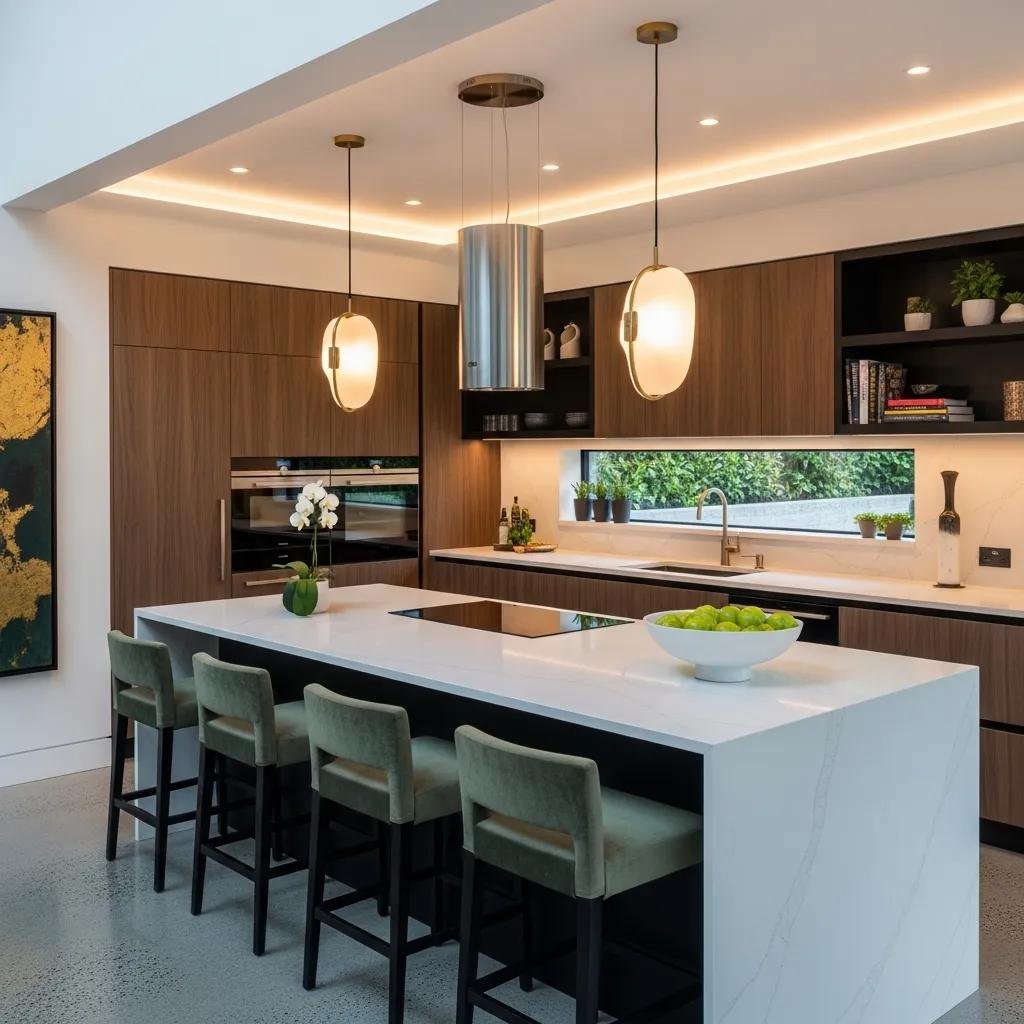
Luxury kitchen design featuring quartz countertops, custom cabinetry, and a spacious layout with modern pendant lighting and a central island, ideal for high-end renovations in the Washington D.C. metro area.

Best Local Kitchen Designers in Your City

Best Local Kitchen Designers in Your City

Luxury kitchen design featuring quartz countertops, custom cabinetry, and a spacious layout with modern pendant lighting and a central island, ideal for high-end renovations in the Washington D.C. metro area.

Best Local Kitchen Designers in Your City: Luxury Kitchen Design and Remodeling in the Washington, D.C. Metro Area

If you’re a Washington D.C. metro homeowner planning a luxury kitchen renovation, this guide walks through how top local designers deliver beautiful, highly functional, long-lasting kitchens — and how to book a consultation with a design-build partner. You’ll learn what makes a kitchen “luxury” in the DC–Maryland–Virginia market, which materials and styles offer the best long-term value, and the practical steps to move from concept to completion. Homeowners commonly wrestle with layout trade-offs, cabinetry quality, countertop performance, and appliance integration; we break those decisions into clear, expert-driven criteria to simplify planning. We map regional style tendencies, compare materials by maintenance and durability, and show how an integrated design-build approach reduces risk and shortens timelines. Read on for checklists, side-by-side comparisons, and step-by-step guidance that tie luxury design principles to local permitting, supply chains, and contractor coordination across the Washington D.C. metro area.

What Defines Luxury Kitchen Design in the Washington D.C. Metro Area?

In this market, a luxury kitchen pairs high-performance materials and custom cabinetry with integrated appliances and a layout optimized for both entertaining and everyday life. Those elements combine for durability, visual cohesion, and strong resale appeal while addressing regional challenges like narrow urban footprints and historic-home restrictions. Locally, homeowners tend to prefer a mix of modern function and timeless finishes that work in Georgetown rowhouses and in suburban homes in Bethesda or McLean. Below are the core features that set high-end kitchens apart and help homeowners prioritize investments by lifestyle and ongoing upkeep.

Luxury kitchen core features in this market include:

  • Custom cabinetry built for durability and fit: precisely made to maximize storage and work around layout constraints.
  • Premium countertops such as quartz or natural stone: striking visuals with proven performance and longevity.
  • Integrated, high-end appliances and smart kitchen systems: streamlined work zones and improved energy efficiency.
  • Professional tilework and durable LVT flooring: installed to high standards to withstand heavy daily use.

These elements set the baseline for subsequent choices. Knowing each material’s trade-offs helps homeowners make selections that align with local taste and manageable maintenance.

Countertops and surface materials behave differently under daily wear. The table below compares common high-end options by performance and upkeep to help you decide.

MaterialPerformanceMaintenance
QuartzVery durable, non‑porous, stain‑resistantLow — simple cleaning with mild detergent
Natural Stone (granite)Heat‑resistant with varied, natural characterMedium — periodic sealing advised
MarbleDistinctive veining and luxurious look; softer surfaceHigh — prone to etching and staining; requires careful care
Solid SurfaceSeamless appearance and repairable finishLow–Medium — can scratch but can be refinished

This comparison shows quartz often delivers the best balance of low maintenance and durability for busy households, while natural stone and marble offer one‑of‑a‑kind looks with higher care needs. Understanding porosity, scratch resistance, and sealing requirements naturally informs your cabinetry, tile, and flooring decisions so the overall design performs as intended.

Scanbuild LLC’s integrated design‑and‑build expertise across the Washington D.C. metro area supports homeowners who prefer a single point of responsibility for luxury kitchen projects.

Serving Rockville, Bethesda, Potomac, Vienna, McLean, Alexandria, Georgetown, and Friendship Heights, Scanbuild LLC bundles project management, premium tile installations, LVT flooring, and luxury kitchen remodels under one licensed, bonded, and insured contract to minimize scheduling friction.

Our local presence streamlines material sourcing and coordinates permit-driven workflows — especially valuable for jobs that require close interaction with municipal building departments.

The sections that follow outline the practical steps Scanbuild and similar design-build teams use to turn luxury concepts into finished kitchens while keeping homeowners in control of design intent.

Which Key Features Make a Kitchen Design High-End and Custom?

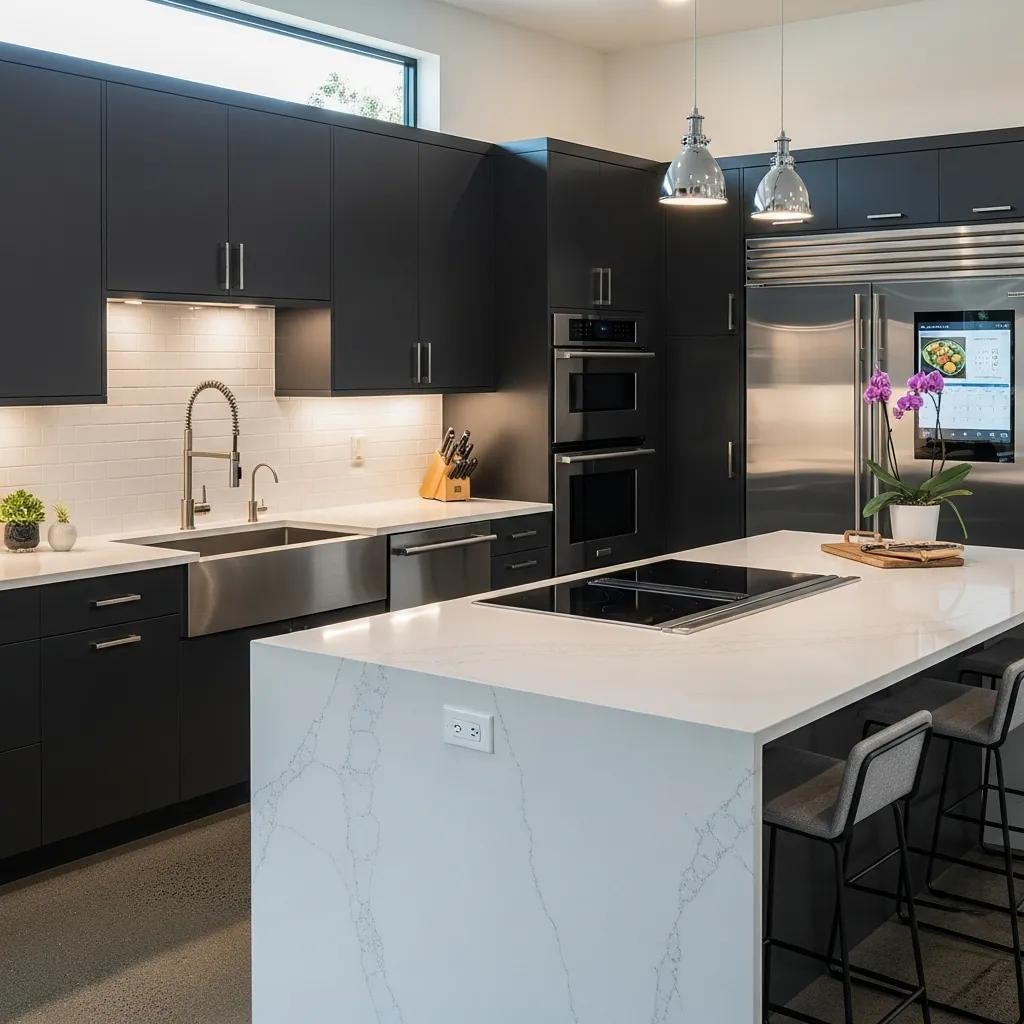
High-end kitchen featuring custom dark cabinetry, premium quartz countertops, integrated appliances, and modern lighting, emphasizing luxury design and functionality.

High‑end kitchens focus on solid construction and thoughtful system integration to support both everyday routines and entertaining. Custom cabinetry is built to fit with full‑extension drawers, soft‑close hardware, and durable joinery so the user experience feels effortless. Countertops favor non‑porous materials like quartz for durability and easier maintenance, while backsplashes and premium tile protect wet zones and become design focal points. Integrated appliances and smart kitchen tech consolidate controls and reduce visual clutter, and layered lighting—task, ambient, and accent—ensures every activity is well lit. Considering cabinetry, countertops, backsplash, flooring, and appliances together creates a cohesive luxury result tailored to how a homeowner actually cooks and entertains.

What Are Popular Luxury Kitchen Styles in DC, Maryland, and Virginia?

Style preferences across the Washington D.C. metro reflect a balance of urban refinement and suburban warmth. In city condos and Georgetown townhouses, contemporary kitchens with minimalist cabinetry and integrated appliances are common because they maximize space and present a clean look. In suburbs like Bethesda and Potomac, transitional and modern farmhouse influences appear more often—shaker cabinetry or painted finishes paired with brass hardware and warm wood tones for a layered, lived‑in feel. Choices like matte versus gloss cabinetry, honed versus polished stone, and LVT color palettes anchor each style while meeting durability needs. These snapshots help homeowners narrow a direction before finalizing material palettes and fixture selections.

How Does Scanbuild LLC’s Design-Build Process Elevate Kitchen Remodeling?

An integrated design‑build model reduces client risk by combining design, permitting, procurement, and construction under one accountable team, which shortens schedules and clarifies deliverables. Because design decisions are made with construction realities in mind, the approach limits rework and unforeseen costs and keeps communication consistent throughout the project.

  1. Initial consultation and site assessment: Define goals, budget range, and constraints to create a clear project brief.
  2. Design and material selection: Produce concept drawings and finalize cabinetry, countertops, and finishes to reduce change orders.
  3. Permitting and procurement: Secure permits and order long‑lead items so schedules stay aligned and delays are minimized.
  4. Construction and project management: Coordinate subcontractors, enforce quality standards, and provide regular status updates.
  5. Final walkthrough and handover: Confirm the finished scope and review maintenance and warranty details with the homeowner.

Below is an EAV‑style table outlining core process phases, typical deliverables, and usual durations so homeowners can set realistic expectations.

PhaseDeliverableTypical Timeline
ConsultationProject brief and scope1–2 weeks
Design & SelectionsConcept drawings and material list2–4 weeks
PermittingApproved permits and inspection schedule2–6 weeks (varies by jurisdiction)
ConstructionInstalled cabinets, countertops, and finishes4–12 weeks (project dependent)

This timeline shows where time is typically invested and how integrated teams manage dependencies. Homeowners benefit from a single contract that aligns design selections, procurement, and construction milestones. When you’re ready, Scanbuild LLC offers a complimentary consultation to review goals and site specifics and deliver an initial plan with next steps and estimated timelines.

What Are the Steps in Scanbuild’s Seamless Kitchen Design and Build Approach?

The process begins with a focused site assessment that documents existing conditions, measures constraints, and flags code or HOA considerations; that foundation informs layout options and budget targets.

Designers then produce schematic plans and mood boards while coordinating material samples and appliance specs; early ordering of long‑lead items like custom cabinetry reduces schedule risk.

During permitting, the design‑build team liaises with local authorities to secure approvals — an important step in historic or tightly regulated neighborhoods.

Construction follows in phases: demolition, mechanical and electrical rough‑ins, cabinetry installation, tiling, countertop templating and fabrication, plus final finishes. Project managers maintain daily oversight and quality checks to limit rework and keep the project aligned with the design intent.

Which Premium Materials and Craftsmanship Define Scanbuild’s Luxury Kitchens?

Premium tile and stonework are installed to tight tolerances so grout lines, pattern alignment, and substrate preparation ensure long‑term performance; proper substrate prep and waterproofing are essential in wet areas.

Countertop selections often favor quartz for its durability and low maintenance, while carefully chosen natural stones are specified where unique veining or heat resistance is a priority.

Custom cabinetry uses durable substrates, dovetail drawer joinery, and quality hardware to provide years of reliable operation; finishes and fit are tailored to each project’s aesthetic.

Luxury vinyl tile (LVT) is frequently chosen for high‑traffic zones for its dimensional stability, water resistance, and realistic look—an enduring flooring option that complements premium cabinetry and stone without sacrificing resilience.

Why Choose a Local Kitchen Designer in Your City for Your Luxury Remodel?

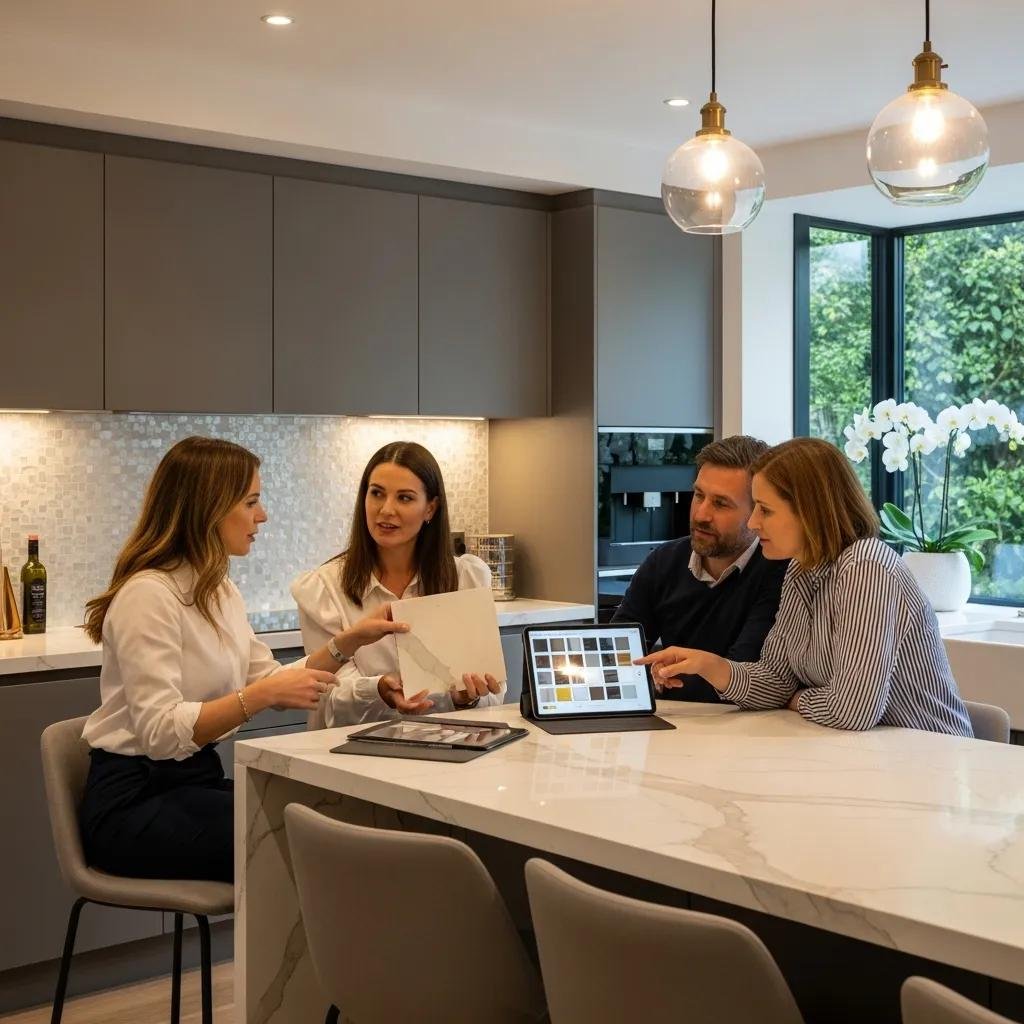
Local kitchen designer consulting with homeowners at a modern kitchen island, showcasing material samples and digital design options for luxury renovations.

Hiring a local kitchen designer or design‑build firm gives clear advantages in permitting, supply‑chain logistics, and post‑installation support that remote providers can’t match. Local professionals know municipal code nuances, historic‑district rules, and typical inspection timelines across DC, Maryland, and Virginia, and they keep strong relationships with regional suppliers and trade partners.

  • Expertise with local permits and inspections to speed approvals and reduce surprises.
  • Established supplier relationships that improve access to premium materials and appliances when you need them.
  • On‑the‑ground project management and warranty support for smoother post‑completion service.

Those local advantages translate to better schedule reliability, clearer cost predictability, and greater peace of mind — reasons many homeowners choose nearby design‑build teams for high‑end renovations.

How Does Local Expertise Benefit Kitchen Remodeling in DC, Maryland, and Virginia?

Local knowledge shortens procurement lead times because area suppliers and fabricators often prioritize repeat clients, especially during busy seasons; this reduces downtime waiting for custom cabinetry or stone fabrication.

Familiarity with jurisdictional differences — ventilation rules, structural requirements, or electrical specifics — lowers the risk of plan rejections and costly redesigns during permitting.

Local firms also maintain networks of vetted subcontractors skilled in premium tile, LVT installation, and finish carpentry, ensuring workmanship meets luxury expectations.

These operational efficiencies help preserve the design vision while keeping projects on schedule and within the agreed scope.

What Do Client Testimonials Reveal About Scanbuild’s Kitchen Design Services?

Client feedback for top local design‑build teams frequently highlights clear communication, attention to finish details, and reliable adherence to timelines — strong trust signals for new clients.

Common testimonial themes also emphasize proactive problem solving during construction, thorough final walkthroughs, and transparent information about warranty and follow‑up support — characteristics of licensed, bonded, and insured providers.

These recurring points show that craftsmanship matters as much as design and reflect the systems — project management, quality control, and consistent subcontractor oversight — that separate high‑performing remodelers from less coordinated competitors.

How Can You Start Your Luxury Kitchen Renovation with the Best Local Designers?

Begin with a clear brief, a realistic budget range, and an understanding of how material choices and permitting affect your timeline. Gather photos of the existing space, list must‑have features, and set a preliminary budget so designers can prepare accurate proposals and phased options.

  1. Gather inspiration and set priorities: Identify must‑haves versus nice‑to‑haves.
  2. Compile documentation: Photos, measurements, and any HOA or plan constraints.
  3. Schedule initial consultations: Review scope, timeline, and budget with prospective designers.
  4. Review proposals and timelines: Compare deliverables and procurement plans before choosing a partner.

Following these steps prepares you for efficient consultations and helps designers deliver realistic proposals that reflect local conditions and supply realities. Discuss financing and payment schedules early so the plan aligns with both design goals and financial practicalities.

What Is the Process to Schedule a Free Consultation with Scanbuild LLC?

To request a free consultation with Scanbuild LLC, prepare the project brief described above and contact the company through its public channels to outline scope, timing, and goals; local office reference: Rockville, MD.

The initial consult usually includes an on‑site assessment or virtual review, a conversation about design priorities and budget, and an overview of next steps covering permitting and expected timelines.

Homeowners receive guidance on which materials and long‑lead items to prioritize, plus a preliminary schedule to align procurement and construction phases.

Bringing photos, appliance preferences, and any HOA or permit constraints to the consult accelerates the process and yields a more accurate initial plan.

Which Financing Options Are Available for Luxury Kitchen Remodeling?

Common financing routes for luxury renovations include home equity loans or lines of credit, personal renovation loans, and third‑party contractor financing programs that spread payments over time; each comes with trade‑offs in interest, term, and qualification requirements.

Home equity products often offer lower rates for homeowners with adequate equity, while personal loans can be faster to access for smaller projects but typically carry higher rates.

Contractor or lender partner programs can offer phased payments tied to project milestones, which helps with cash‑flow management.

Discuss financing during your initial consultation so the project scope and timeline reflect available funding strategies and payment expectations.

Frequently Asked Questions

What are the benefits of using a design-build approach for kitchen remodeling?

The design‑build model streamlines remodeling by placing design, permitting, and construction under one team. That single point of responsibility reduces miscommunication and ensures design choices consider construction realities. Homeowners get one primary contact, simpler project management, and stronger accountability. The approach typically leads to faster completion and fewer surprise costs because the team coordinates all aspects of the renovation.

How can I ensure my luxury kitchen design reflects my personal style?

Start by collecting inspiration from magazines, websites, and social platforms and create a mood board showing colors, materials, and layouts you like. Share that with your designer and clearly communicate must‑haves versus nice‑to‑haves. A collaborative process lets designers tailor the plan to your aesthetic while integrating functional solutions that improve daily use.

What should I consider when selecting materials for my kitchen renovation?

When choosing materials, weigh durability, maintenance, and the visual effect. Quartz offers low maintenance and lasting performance; natural stones provide unique character but usually need more care. Also consider how surfaces interact visually and practically—how countertops pair with backsplashes and cabinetry—and account for local climate and household habits that affect longevity.

How do local building codes affect my kitchen remodeling project?

Local codes set safety, structural, and material requirements that can influence design and scope. Knowing those rules up front avoids redesigns and permit delays. Local designers and contractors understand jurisdictional differences and can prepare compliant plans to streamline approvals and ensure the finished kitchen is safe and up to code.

What are the typical timelines for a luxury kitchen renovation?

Timelines vary by scope, complexity, and material availability. Generally, projects run 8–20 weeks from start to finish, including consultation, design, permitting, and construction. Early phases often take 3–6 weeks, permitting can add 2–6 weeks, and construction typically ranges from 4–12 weeks depending on scale. Discuss timelines with your design‑build team to set realistic expectations.

What financing options are available for luxury kitchen renovations?

Financing choices include home equity loans, personal loans, and contractor financing programs. Home equity solutions usually offer lower rates when you have sufficient equity; personal loans suit smaller budgets but may carry higher rates. Contractor financing can provide milestone‑based payment plans to help manage cash flow. Bring financing questions to your initial consultation so the project plan matches what’s financially feasible.

Conclusion

Turning your kitchen into a luxurious, functional space is achievable with the right local design‑build team guiding the process from concept to completion. By combining material knowledge, thoughtful design, and local permitting experience, you can create a kitchen that reflects your taste while delivering lasting performance and value. Take the first step toward your dream kitchen by scheduling a free consultation with Scanbuild LLC — discover the difference local expertise makes in a luxury renovation.

Stylish living room featuring luxury vinyl flooring with a hardwood-like appearance, modern furniture, and natural light.

Luxury Vinyl Flooring Installation in Your Area

Luxury Vinyl Flooring Installation in Your Area

Stylish living room featuring luxury vinyl flooring with a hardwood-like appearance, modern furniture, and natural light.

Luxury Vinyl Flooring Installation in the Washington D.C. Metro Area — Practical, High‑Quality Solutions for Homeowners

Luxury vinyl flooring (LVT and LVP) is a resilient, often waterproof floor option that convincingly recreates hardwood and stone while withstanding the humidity and heavy foot traffic common across the Washington D.C. metro area.

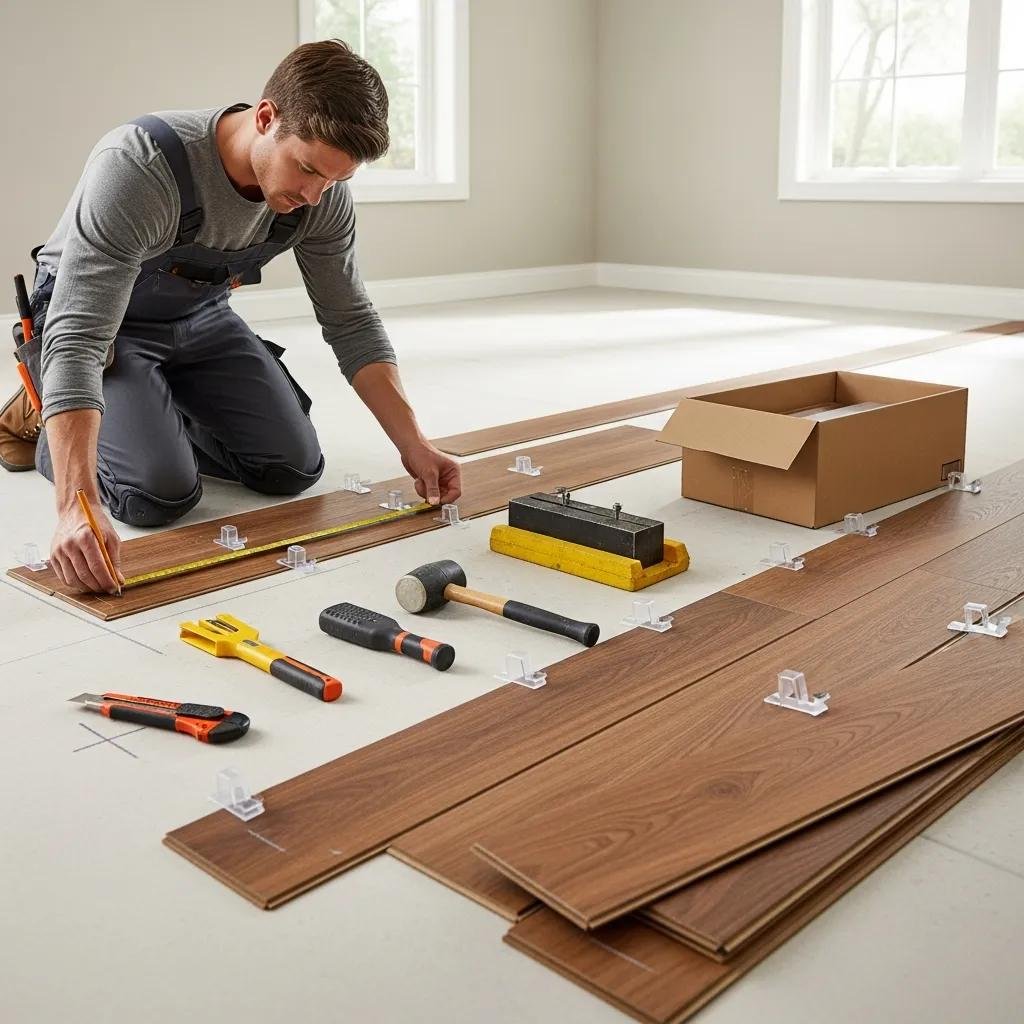
This guide explains why luxury vinyl is a smart, stylish choice for homes in DC, MD, and VA: how product types compare, the installation steps that deliver lasting performance, and realistic expectations for cost and upkeep. If you’re dealing with moisture, a busy household, or want the look of hardwood without the hardwood price, you’ll find practical guidance here — from durability factors and 2025 design trends to how proper subfloor prep affects warranties. We also walk through how professional installers manage each phase, from site survey to final inspection, and when to schedule a consultation. Local details — like waterproof LVP for DC basements and pragmatic budgeting tips — are woven throughout.

Key Benefits of Luxury Vinyl Flooring for Washington D.C. Homeowners

Luxury vinyl provides durable, water‑resistant surfaces that mimic natural materials while lowering maintenance and overall project costs versus hardwood or stone. Its wear layer and engineered cores — SPC and WPC — add scratch resistance and dimensional stability, which matters for high‑traffic homes, pet owners, and humid rooms. Homeowners gain lower lifetime upkeep, broad aesthetic options, and reliable waterproof performance in kitchens, baths, and basements. Local installers who specialize in luxury vinyl plank installation around Washington D.C. rely on these product strengths to manage moisture and traffic challenges efficiently. Below are the practical advantages to consider when choosing products.

Why luxury vinyl works well in busy homes:

  • Water resistance: Many LVP and SPC products withstand moisture, protecting subfloors in basements and bathrooms.
  • Durability: Thicker wear layers stand up to scratches and everyday dents.
  • Aesthetic range: Realistic wood‑look planks and stone‑look tiles deliver an upscale appearance for less.
  • Low maintenance: Simple cleaning preserves the look longer than natural materials.

These benefits make it easier to pick the right product for each room. Next, we look at how waterproofing and wear layers drive real performance.

BenefitKey FeatureTypical Outcome
DurabilityThick wear layer (6–20 mil options)Longer life in high‑traffic rooms
Water resistanceSPC/WPC cores or waterproof LVPSuitable for kitchens, bathrooms, basements
Aesthetic versatilityPhotographic decorative layerRealistic wood or stone visuals
Low maintenanceEasy‑to‑clean surfacesLess time and cost for upkeep

This table sums up the main homeowner benefits and the product features that deliver them, making it easier to match materials to room needs.

How Luxury Vinyl Delivers Durability and Waterproof Protection

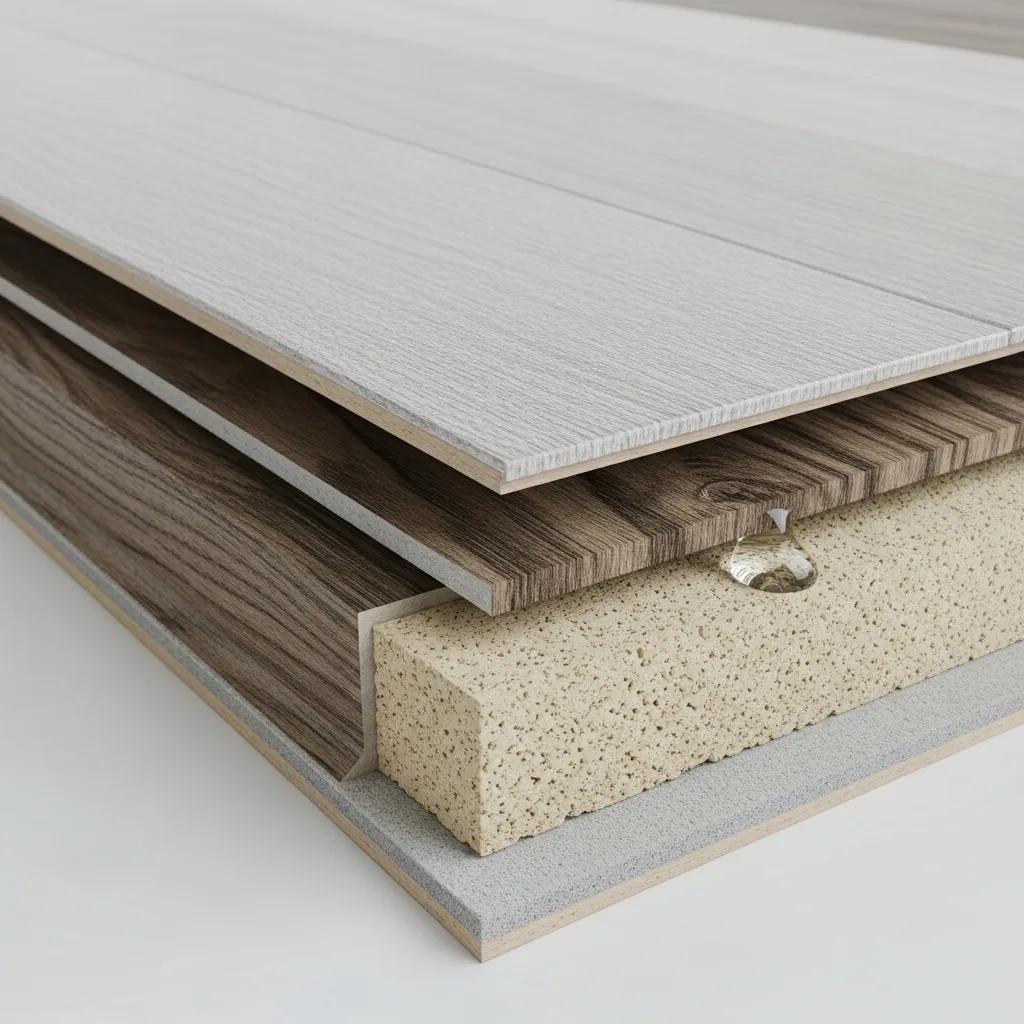
Close-up of luxury vinyl flooring layers, showcasing a thick wear layer, SPC core for durability and water resistance, and a decorative layer with realistic wood visuals, illustrating features essential for high-traffic and moisture-prone areas.

Luxury vinyl’s strength comes from its layered construction: a protective wear layer, a printed decorative layer, a rigid or cushioned core (SPC or WPC), and a stabilizing backing. SPC (stone plastic composite) cores offer excellent dimensional stability and strong water resistance; WPC (wood plastic composite) gives extra underfoot comfort. Both depend on a solid wear layer for abrasion and stain protection. In the D.C. area — where humidity and basement moisture are common — choosing a waterproof core plus the right underlayment and vapor barrier helps prevent telegraphing and mold. Knowing these differences guides smart product selection and the installation practices that protect warranties and long‑term performance.

Why Luxury Vinyl Is Cost‑Effective Compared with Hardwood or Stone

Luxury vinyl usually costs less upfront for materials and installation than hardwood or natural stone while still achieving a comparable look and easier maintenance. Installed price varies by product grade and project complexity, but LVT/LVP often undercuts hardwood and tile when you factor in subfloor remediation and labor. Lower maintenance and longer intervals between replacements also improve lifetime value. Picking a mid‑range wear layer and a stable core balances cost and lifespan, giving strong ROI for kitchens and family rooms. Itemizing material, labor, and prep costs up front helps avoid surprises and makes product decisions clearer.

Cost ComponentWhat It CoversImpact on Budget
MaterialLVT/LVP product grade and wear layerVariable; mid‑range often balances price and durability
LaborInstallation method (click‑lock vs glue)Skilled labor raises cost but ensures correct performance
PrepSubfloor leveling, moisture mitigationCan be a major driver for older homes
Typical Range (DC metro)Material + labor per sq ftVaries based on scope and product choice

Use this cost breakdown to set a realistic budget and decide where investment is most important for longevity. Next, we compare product types and styles.

Which Luxury Vinyl Types and Styles Work Best in Your Home?

Choosing between Luxury Vinyl Tile (LVT), Luxury Vinyl Plank (LVP), SPC, and WPC depends on your look, moisture exposure, and installation preferences. LVP nails the wood aesthetic and wide‑plank trends for living areas; LVT is ideal for stone and tile visuals with grout and pattern options. SPC cores are a top pick for waterproof installations and heavy traffic, while WPC adds cushion underfoot for upstairs rooms. 2025 design trends — natural tones, matte textures, and bold patterns — help shape aesthetic choices without sacrificing performance.

Product TypeAppearanceWater ResistanceInstallation MethodBest Rooms
LVPWood‑look planksHigh (when waterproof)Click‑lock, glue‑downLiving rooms, kitchens
LVTStone/tile visualsHigh (with sealed joints)Glue‑down, click‑lockBaths, kitchens, entryways
SPCRigid core optionVery highClick‑lock, glue‑downBasements, high‑traffic areas
WPCSofter, cushioned feelHigh (not always fully waterproof)Click‑lockBedrooms, upstairs living areas

This comparison shows where each product shines and leads into differences between tile and plank formats.

Differences Between Luxury Vinyl Tile (LVT) and Luxury Vinyl Plank (LVP)

LVT recreates stone and ceramic tile with square formats and grout options; LVP focuses on wood aesthetics in plank form and wide‑plank looks. Installation differs: LVT commonly uses glue‑down or loose‑lay and can be grouted for realism, while LVP frequently uses click‑lock floating systems that simplify installation and repairs. LVT works well in baths and entryways for its tile look; LVP adds warmth and continuity in living rooms and kitchens. Your choice should match the visual goal, traffic patterns, and installation priorities.

2025 Design Trends for LVT and LVP

For 2025, expect natural, calming palettes — blondes and soft grays — plus matte textures and realistic surface grain. Wide planks open up spaces in modern, open‑plan kitchens; herringbone and other pattern installs make a high‑end statement. Low‑glare finishes that hide wear are practical for busy households. Pair style choices with the right product performance to ensure the look holds up over time.

How Scanbuild LLC Ensures Professional Luxury Vinyl Installation

Professional installer preparing subfloor for luxury vinyl plank (LVP) flooring installation, using tools like a measuring tape, hammer, and utility knife, with planks and a box of materials arranged on the floor.

Good installation starts with project management, a thorough site assessment, and careful subfloor prep, acclimation, and finishing. Scanbuild LLC serves the Washington D.C. metro area with a design‑build workflow that coordinates material choices and installation sequencing to ensure compatibility and quality. We’re licensed, bonded, and insured, and we focus on thoughtful design, skilled workmanship, clear scheduling, and warranty management. Those processes create predictable results and set homeowner expectations before the first plank is laid.

Typical installation stages professionals manage include:

  1. Site survey and accurate measurements: Confirm room dimensions and conditions to order correct material quantities.
  2. Material selection and acclimation: Lock in product specs, wear layer, and allow flooring to adjust to indoor humidity.
  3. Subfloor assessment and remediation: Measure moisture, level surfaces, and install barriers or leveling compound where necessary.
  4. Installation: Carry out the chosen method (click‑lock or glue‑down) with careful transitions and edge details.
  5. Final inspection and client walkthrough: Verify alignment, finish, and walk through maintenance and warranty basics with the homeowner.

Essential Steps in Scanbuild’s Installation Process

Our process follows a clear sequence: initial consultation and measurement, detailed material selection, subfloor assessment and remediation, acclimation, methodical installation, and a final inspection with a client walkthrough. Each phase includes quality checks — moisture readings, flatness tolerances, and transition verification — to protect warranties and performance. Homeowners typically clear furniture and maintain climate control during acclimation to keep the schedule on track. Transparent communication at each milestone prevents scope creep and keeps timelines predictable.

Why Proper Subfloor Preparation Matters

Subfloor prep is the foundation of long‑term performance. Skipping leveling or ignoring moisture issues can lead to click‑lock failures, seam separation, telegraphing of imperfections, and warranty problems. Pros perform moisture testing, install vapor barriers or leveling compounds, and choose underlayment matched to the core type to manage sound and comfort. Upfront remediation can be a significant line item, but it prevents costly repairs and premature failures down the road. Budgeting for subfloor work is essential when planning a luxury vinyl project.

Cost and Maintenance: What Homeowners Should Expect

Knowing the main cost drivers and simple maintenance tasks helps homeowners budget and keep their floors looking great for years. Material grade, labor complexity, subfloor remediation, and layout work (patterns, transitions) are the primary cost factors. Higher wear layers and rigid cores raise material cost but extend service life. Routine maintenance — sweeping, damp mopping with manufacturer‑approved cleaners, and using protective pads — preserves appearance and reduces repair needs. When you’re ready to move forward, ask for a written estimate that itemizes material, labor, and anticipated prep work so there are no surprises.

Budget ElementDescriptionTypical Impact
MaterialProduct grade, wear layer, core typeDrives material cost per sq ft
LaborInstallation method, site complexityOften the largest portion of installation cost
PrepMoisture mitigation, levelingCan significantly increase upfront cost
AdditionalTransitions, trims, removal of old flooringAdds to total project scope

This table clarifies how different items affect the final budget and helps homeowners prioritize spending decisions.

Factors That Influence Total LVT/LVP Installation Cost in the D.C. Metro Area

Primary cost drivers are product selection (wear layer and core), installation method (glue‑down vs floating), layout complexity (patterns, transitions), and subfloor condition that may require leveling or moisture mitigation. Regional labor rates and local market conditions in the Washington D.C. metro area also affect totals. Complex patterns and many thresholds add time and cost. Homeowners can control expenses by choosing simpler layouts, mid‑range wear layers, and addressing subfloor issues early. Clear scopes and written estimates keep budgets realistic.

  1. Material grade: Higher‑grade planks cost more but last longer.
  2. Labor complexity: Intricate layouts and glue‑down installs increase labor time.
  3. Subfloor work: Moisture barriers and leveling compounds raise upfront costs.

These cost factors also connect to maintenance expectations and the expected service life discussed below.

How to Maintain and Maximize the Life of Your Luxury Vinyl Flooring

A simple maintenance routine preserves finish and prevents premature wear: sweep or vacuum regularly to remove grit, damp mop with a pH‑neutral cleaner, and avoid abrasive tools or steam cleaners that can damage the wear layer. Preventative steps — felt pads under furniture, entry mats to trap dirt, and monitoring humidity during extreme seasons — reduce surface damage and seam issues. For noticeable scratches or seam separation, contact a qualified installer for repairs rather than attempting DIY fixes that could void warranties. Follow manufacturer care instructions and consider periodic professional inspections to get the most from your floor.

  • Daily care: Sweep or vacuum to remove dirt and grit.
  • Weekly care: Damp mop with manufacturer‑approved cleaner.
  • Preventative: Use pads, mats, and monitor humidity to prevent damage.

These practices help protect your investment. When you prefer professional support, request a detailed estimate that lists material, labor, and likely subfloor work. Scanbuild LLC uses a consultative estimating process that lays out scope and cost so homeowners can make informed decisions.

Frequently Asked Questions

1. How long does luxury vinyl flooring typically last?

Luxury vinyl can last roughly 10 to 30 years, depending on product quality, wear‑layer thickness, and how much traffic it sees. Higher‑quality products with thicker wear layers usually last longer. Regular cleaning and avoiding abrasive cleaners help extend lifespan. Match product choice to your household’s usage for best results.

2. Can luxury vinyl flooring be installed over existing flooring?

Often, yes — luxury vinyl can be installed over suitable existing floors if the surface is clean, dry, and level. However, the existing floor’s condition matters. Unevenness or trapped moisture may require removal or remediation first. A professional assessment will determine whether you can float over the current floor or need to strip it back.

3. Is luxury vinyl flooring suitable for commercial spaces?

Yes. Luxury vinyl is commonly used in commercial settings because it’s durable, water‑resistant, and low‑maintenance. Commercial‑grade options are formulated for heavy foot traffic and come in a wide range of looks to fit office, retail, and hospitality environments.

4. How do I clean and maintain luxury vinyl flooring?

Maintenance is straightforward: sweep or vacuum to remove grit, damp mop with a pH‑neutral cleaner, and avoid abrasive tools or steam cleaners that can harm the wear layer. Use felt pads under furniture and entry mats to reduce scratches. Follow the manufacturer’s care recommendations to preserve the finish.

5. What should I consider when choosing luxury vinyl flooring for pets?

For homes with pets, prioritize a thicker wear layer and enhanced scratch resistance. Waterproof products are a smart choice for accident‑prone areas. Textured finishes can provide better traction for pets. Many luxury vinyl lines are designed to stand up to pet wear while keeping a stylish look.

6. Can I install luxury vinyl flooring myself, or should I hire a professional?

DIY installation is possible for some homeowners, but hiring a professional is often recommended for the best, long‑lasting results. Pros handle accurate subfloor prep, moisture testing, and installation details that protect warranties and prevent common problems like seam separation. If you DIY, follow manufacturer instructions closely.

7. What are the environmental impacts of luxury vinyl flooring?

Luxury vinyl’s environmental footprint varies by manufacturer. Many brands now offer products made with recycled content and low‑VOC formulations. Its durability and long service life can reduce waste from frequent replacements. If sustainability matters to you, look for certified products and manufacturers that publish environmental data.

Conclusion

Luxury vinyl flooring gives Washington D.C. homeowners a durable, attractive, and cost‑effective option built for the region’s challenges. With waterproof choices, low maintenance needs, and broad design flexibility, it suits busy families and raises home value. Choosing professional installation helps ensure the best performance and longevity for your investment. To see how luxury vinyl can update your space, explore our services and request a consultation with Scanbuild LLC today.