
Creating an Industrial Chic Look in Your Home
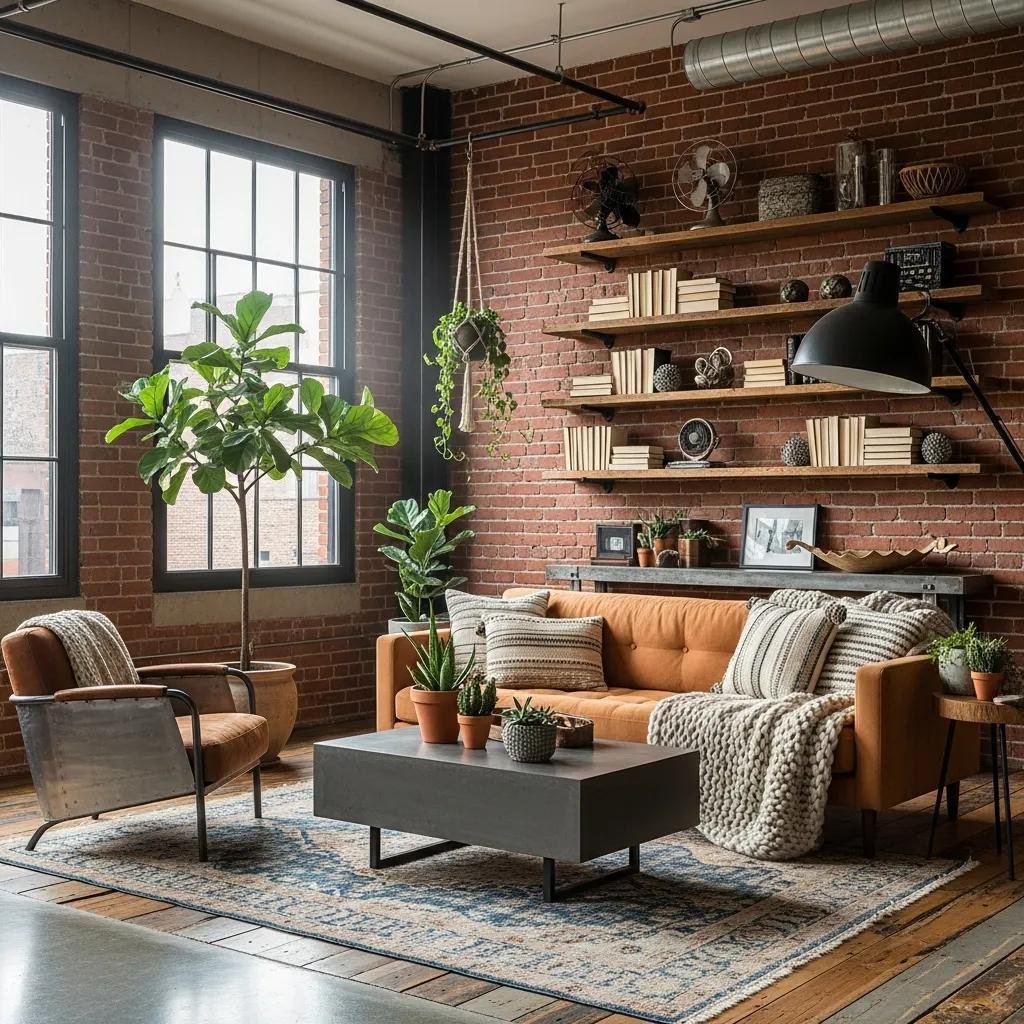
Create an Industrial‑Chic Home: Practical Design and Remodeling Insights
Industrial‑chic combines raw, utilitarian materials with refined touches to produce spaces that feel intentionally rugged and comfortably livable. In this guide we walk through the core characteristics of the style, kitchen and bathroom remodel ideas that preserve everyday function, and simple decor strategies to bring an urban‑loft look into your home. Many homeowners want the texture of exposed brick and metal without sacrificing comfort or durability; smart material choices—sealed concrete counters, reclaimed wood accents, durable tile, and luxury vinyl plank (LVP)—let you get that impact without the upkeep headache. Below we cover design fundamentals, step‑by‑step kitchen and bathroom approaches, and how lighting and accessories soften industrial elements. If you’re in the Washington, D.C., metro area and want hands‑on help, Scanbuild LLC offers design‑and‑build remodeling services to translate industrial styling into high‑end kitchens and baths. Read on for actionable ideas, material comparisons, and practical planning tips for an industrial‑chic renovation that’s modern and livable.
What Defines Industrial‑Chic Interior Design?
Industrial‑chic foregrounds exposed structure, honest materials, and a restrained palette that lets texture and contrast lead. Think brick, concrete, metal, and wood used alongside open plans and visible mechanical or structural details to create an authentic loftlike atmosphere. The style offers visual interest and long‑lasting materials, but it requires balance so rooms feel warm rather than cold or unfinished. Knowing where each material performs best—and what maintenance it needs—helps homeowners choose features that deliver comfort and low upkeep over the long term.
- Exposed structural elements: Beams, ductwork, or brick walls used as tactile focal points.
- Raw material palette: Concrete, steel accents, reclaimed wood, and matte tiles.
- Neutral, contrast‑driven colors: Grays, blacks, whites and warm wood tones layered by texture.
These guiding features inform material selections and spatial choices for kitchens, bathrooms, and living areas. The quick comparison below helps decide where key industrial materials work best.
How Do Raw Materials Shape the Industrial‑Chic Look?
Materials determine both the look and the performance of industrial interiors: concrete reads solid and sculptural for counters or polished floors, while reclaimed wood adds visual warmth and complexity that softens colder surfaces. Metal—black steel, iron, or brushed finishes—frames openings and fixtures and creates those crisp industrial silhouettes. Pair materials with similar maintenance profiles to keep the design practical; for example, sealed concrete paired with LVP in high‑traffic zones balances permanence with easy care.
These material decisions directly influence kitchen and bathroom selections, where moisture and wear shape long‑term performance.
What Color Palettes and Textures Work Best?
Industrial‑chic favors a limited, neutral palette—grays, blacks, whites and warm wood—to let texture carry the design. Mix smooth polished concrete, rough brick, matte metals and textured textiles to build depth without relying on bright colors. Finishes typically lean matte or low‑sheen to maintain an understated, factory‑inspired look; a few polished elements—a honed concrete countertop or a glossy tile backsplash—create deliberate contrast. Use accent colors sparingly through upholstery, plants, or artwork to enliven the base palette without diluting the industrial language.
Texture and tone choices affect perceived warmth and livability, which leads naturally into practical kitchen material and layout decisions.
How to Bring Industrial Style into Your Kitchen Remodel

An industrial kitchen pairs efficient workflow with honest materials: open shelving, durable surfaces and metal accents give utility and character. Consider concrete counters for sculptural work surfaces, brick or industrial tile backsplashes for texture, and black steel window frames or open shelving to emphasize structure and light. Durable flooring—polished concrete where appropriate or LVP that mimics wood—keeps the look cohesive while standing up to daily wear. Layered lighting, such as pendants with exposed bulbs and targeted task lights, finishes the utility‑first aesthetic while highlighting surfaces and texture.
Practical steps to implement industrial chic in the kitchen:
- Prioritize workflow: Plan islands and prep zones for efficient movement and service.
- Choose robust surfaces: Use sealed concrete or high‑quality LVP where durability matters.
- Expose structure selectively: Make a brick backsplash or visible beam a focal point.
- Layer lighting: Combine task pendants with ambient fixtures to showcase texture and improve usability.
These steps translate the look into renovation choices that protect function while delivering an urban‑loft feel.
Which Industrial Elements Improve Kitchen Function and Style?
Key elements that make industrial kitchens functional and attractive include open shelving for easy access and display, stainless or sealed concrete counters that tolerate heavy use, and LVP flooring that offers warmth with low maintenance. Durable hardware and plumbing fixtures add longevity and visual consistency, while wall‑mounted storage and magnetic rails free counter space. Keep maintenance in mind: sealed concrete needs periodic resealing, metal finishes may show wear and require touch‑ups, and open shelving demands tidy storage. Balancing aesthetics with realistic upkeep expectations keeps the kitchen both stylish and usable.
These choices connect directly to the remodel process and to clear collaboration with your contractor.
How We Implement Industrial‑Chic Kitchens at Scanbuild LLC
At Scanbuild LLC, we use a design‑and‑build workflow that aligns material choices, skilled installation and regional knowledge of the Washington, D.C., metro market. Projects start with a focused design phase where we evaluate concrete countertop options, premium tile, metal fixtures and LVP flooring for durability and aesthetic fit. Our trades handle exposed‑brick repairs, custom metalwork and precise tiling so the industrial look reads refined—not unfinished. For clients who want a turnkey solution, we plan and execute the build to preserve kitchen function while delivering a polished industrial‑chic result, and we tailor materials and layouts to each home.
That service‑driven approach makes complex installations approachable for homeowners pursuing a loftlike kitchen aesthetic.
What Works in an Industrial‑Style Bathroom?

Industrial bathrooms combine water‑resistant, low‑maintenance materials with minimal, purposeful fixtures to create a modern space that still feels warm. Popular approaches include large‑format concrete‑look tile for walls or floors, matte black or brushed metal fixtures for strong silhouettes, and floating reclaimed‑wood vanities to add warmth without clutter. Proper waterproofing and substrate prep are essential when using concrete‑look materials or large tiles to avoid future issues. Thoughtful accessories—textured towels, woven rugs and plants—soften the industrial edge and improve day‑to‑day comfort.
Bathroom materials and fixtures to consider:
- Durable tile: Large‑format or subway layouts with industrial‑tone grout.
- Metal finishes: Matte black or brushed brass for hardware and shower fittings.
- Warm accents: Reclaimed wood vanities or shelving to balance cool materials.
These selections keep the space durable while delivering a contemporary, industrial‑influenced bathroom.
Which Materials and Fixtures Define Industrial Bathrooms?
Industrial bathrooms emphasize waterproof performance and tactile texture: concrete‑look tiles and sealed concrete fit the aesthetic and perform well when installed correctly. Metal fixtures—matte black, oil‑rubbed bronze or brushed finishes—provide architectural presence and pair cleanly with minimalist vanities. Reclaimed wood works well in floating vanities or shelving to introduce warmth, but it must be properly sealed in wet zones. Prioritizing waterproofing membranes, the right underlayment and high‑quality fixtures reduces long‑term maintenance while keeping the industrial style intact.
Choosing installation‑savvy materials makes the design both durable and beautiful in daily use.
How to Blend Minimalism with Industrial Design in Bathrooms
Blending minimalist and industrial approaches relies on restraint: limit your material palette, keep lines clean and add soft elements for comfort. Three practical techniques work well—introduce warm wood accents to offset cool concrete, use layered lighting to soften shadows, and add textiles and greenery to humanize the space. Streamlined fixtures with hidden storage keep surfaces uncluttered, while a single textured feature—matte tile, one exposed‑brick section or a woven towel—adds depth. Small, intentional interventions maintain a minimalist feel while keeping the industrial look welcoming.
If you want expert support, Scanbuild LLC’s bathroom remodeling service includes material selection, waterproofing oversight and finish integration to achieve a balanced result.
How Urban‑Loft Decor and Raw Materials Build Industrial Ambiance
Urban‑loft style creates mood by exposing structural character and pairing complementary materials—brick, metal and wood—so rooms feel cohesive, textured and open. The look leverages high ceilings, visible beams and large windows where possible, balancing harder surfaces with softer textiles and layered lighting for comfort. Thoughtful placement of feature walls, metal‑framed windows and reclaimed wood furniture creates visual focus and a curated, lived‑in quality. Those compositional choices support both dramatic moments and everyday comfort across living, kitchen and bath zones.
The table below helps match flooring choices to industrial aesthetics and everyday needs.
What Roles Do Brick, Metal, and Wood Play in Industrial Decor?
Exposed brick provides a tactile focal surface that anchors a room with warmth and history; metal offers structural accents and durable fixtures that reinforce an industrial narrative; and reclaimed wood introduces organic texture to counterbalance cooler elements. Placement is key—a single brick feature wall paired with metal‑framed shelving and a wooden table creates layered contrast without overwhelming the space. Understanding these roles helps you compose a cohesive scheme in an open plan or a compact apartment.
Those material choices set the foundation for finishing touches that humanize industrial interiors.
How Lighting and Accessories Soften Industrial Spaces?
Lighting and accessories are the quickest ways to add intimacy to raw materials. Layered lighting—ambient ceiling fixtures, task lights over work areas and accent lamps that highlight texture—reduces harshness and adds depth. Accessories like rugs, cushions, plants and curated artwork introduce color and tactile contrast while staying within an industrial palette. Choose pieces that echo the industrial language—leather, woven textiles, matte metal—but prioritize comfort so rooms feel lived‑in and welcoming.
For homeowners in the D.C. area who want hands‑on help, Scanbuild LLC offers consultations that align lighting plans and accessory choices with your overall remodel strategy.
Frequently Asked Questions
What are budget‑friendly ways to achieve an industrial‑chic look?
You can get an industrial feel without a big budget. Paint techniques can mimic exposed brick or concrete, and reclaimed wood from salvage yards makes strong shelving or furniture accents. Affordable metal touches—light fixtures, cabinet hardware or open brackets—translate the aesthetic at low cost. Shopping vintage or secondhand adds character without a premium, and layering textures with rugs and cushions enhances warmth affordably.
How do I maintain industrial materials so they last?
Maintenance is mostly about appropriate finishes and routine care. Seal concrete surfaces to reduce staining and moisture intrusion. Inspect metal fixtures for scratches or patina and apply protective coatings where needed. Reclaimed wood should be sealed in moisture‑prone areas like kitchens and baths. Use recommended cleaners for each material and follow scheduled upkeep (for example, resealing concrete as advised) to keep surfaces looking and performing their best.
Which lighting options work best in industrial spaces?
Lighting sets mood in industrial interiors. Pendant lights with exposed bulbs or metal finishes are classic choices; track lighting works well to highlight features. Use dimmable fixtures to control ambiance, and layer ambient, task and accent lighting to add depth and soften raw surfaces. Thoughtful placement will make industrial materials feel intentional instead of stark.
Can industrial‑chic be mixed with other styles?
Absolutely. Industrial elements pair well with other styles when balanced thoughtfully. Scandinavian touches—lighter colors and simple lines—soften the look, while bohemian accents add warmth through textiles and plants. The key is a cohesive color palette and balancing raw materials with softer elements so the space reads unified and comfortable.
What common mistakes should I avoid when designing an industrial space?
Common missteps include overusing hard materials so the room feels cold, neglecting layered lighting, and overcrowding with too many industrial features. Aim for a curated approach: balance hard and soft textures, layer lights to create warmth, and highlight a few key industrial elements rather than trying to apply them everywhere.
How can I add greenery to an industrial design?
Plants quickly soften raw materials and introduce life. Choose sculptural plants—succulents, snake plants or fiddle leaf figs—for architectural presence, and display them on reclaimed‑wood shelves or in concrete or metal pots to stay cohesive with the palette. Hanging planters and varying pot heights add visual interest and help plants integrate naturally into the scheme.
Conclusion
Industrial‑chic lets you mix raw materials with refined design to create spaces that are both practical and visually compelling. By focusing on exposed structure, durable surfaces and layered lighting, you can achieve a modern, inviting atmosphere that performs in daily life. When you’re ready to move from idea to build, Scanbuild LLC provides design‑and‑build services tailored to your vision. Browse our portfolio and get in touch to start planning your industrial‑chic renovation.
Recent Comments