
Downtown Your City Home Remodeling Experts
Washington D.C. Luxury Home Remodeling — Elevating Downtown Living
Downtown Washington D.C. homeowners face design challenges that require thoughtful space planning, respect for historic context, and an eye for high-end finishes. This piece walks you through how luxury home remodeling across the D.C. metro transforms urban residences using integrated design-build services, modern materials, and attention to resale value. You’ll learn which services define a luxury remodel, how we adapt projects to neighborhood constraints, realistic cost and ROI expectations for kitchens and baths, and why an integrated design-build partner matters. We also cover step-by-step processes for kitchens and bathrooms, tile versus luxury vinyl tile (LVT) comparisons, neighborhood strategies for areas like Georgetown and Bethesda, and practical upgrades that boost home value. Keywords such as Washington D.C. luxury kitchen design ideas, High-end bathroom contractors DC, and Luxury home design-build Washington D.C. are woven naturally so homeowners and decision-makers can find relevant guidance. Next, we catalog the core services that define luxury remodeling in the city and explain how each adds measurable value.
What Services Define Our Luxury Home Remodeling in Washington D.C.?
Luxury remodeling in D.C. blends refined design, precise technical execution, and proactive project management to create durable, beautiful interiors. Our work pairs premium materials with skilled trades inside a design-build workflow that streamlines approvals and reduces friction. Below is a clear, scannable list of the core services we deliver and why homeowners choose them.
- Luxury kitchen remodeling: complete layout redesigns, custom cabinetry, premium counters, and integrated appliances tailored for entertaining and resale value.
- Bathroom remodeling: spa-inspired fixtures, premium tile work, and efficient plans that maximize comfort in compact urban footprints.
- High-end tiling and LVT installation: resilient, design-forward flooring and wall systems that balance visual impact with low maintenance.
- Design-build services: a single provider from concept sketches through construction, simplifying permitting and on-site coordination.
Each service aligns directly with homeowner goals—better livability, elevated aesthetics, and stronger market performance—and prepares the ground for the project comparisons that follow.
For a quick comparison of scope and homeowner benefit, review the table below.
These summarized services help homeowners quickly scan options and prioritize where to invest.
This table clarifies how each service supports comfort, style, and resale potential. The next section zooms into kitchen approaches that commonly define high-end remodels across the D.C. metro.
How Do We Approach High-End Kitchen Renovations in D.C.?
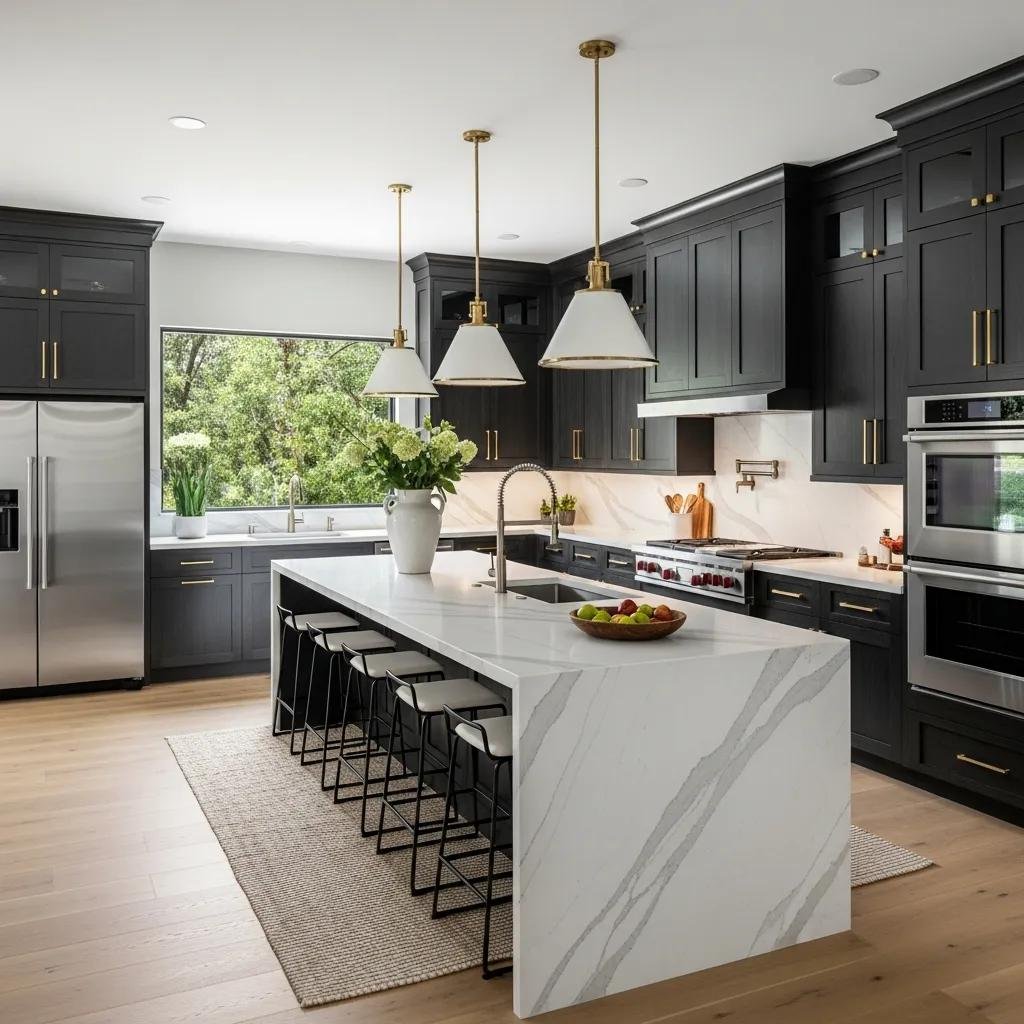
A high-end kitchen remodel starts with one clear question: how will you use the space—entertaining, daily family life, or resale? That goal drives material selections and sequencing. Our process follows predictable phases: site assessment, schematic design, material selection (cabinetry, quartz or marble counters), permitting, and phased construction that minimizes disruption. Premium finishes and integrated smart appliances become functional focal points; careful attention to ventilation and layered lighting ensures long-term comfort and performance. Current trends we see locally include two-tone cabinetry, statement islands, and concealed appliance panels that marry form and function. In D.C., thorough permitting and proactive project management are essential to keep timelines and budgets on track. Understanding this sequence helps homeowners evaluate bids and make informed choices—leading naturally into bathroom and flooring considerations.
What Are Our Expertise Areas in Bathroom Remodeling and Luxury Vinyl Flooring?
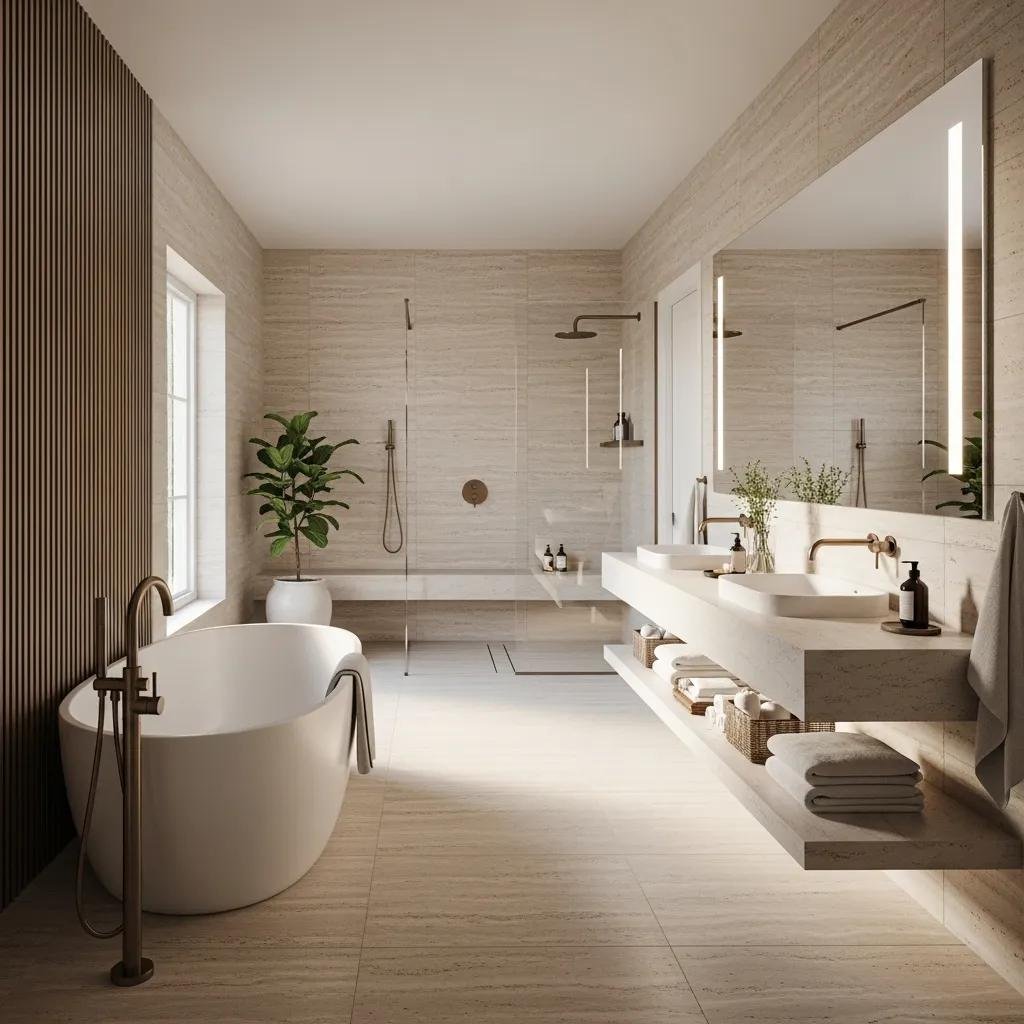
Luxury bathroom work emphasizes spa-inspired layouts, premium tile installations, and water-efficient fixtures that make the most of limited space. High-end tile delivers tactile depth and long-term durability, while LVT offers a resilient alternative that convincingly mimics wood or stone and performs well in moisture-prone rooms. When comparing tile to LVT, weigh the tactile luxury and longevity of tile against LVT’s warmth, lower cost, and faster installation—both are appropriate for high-end projects depending on room use and homeowner priorities. We partner with trusted suppliers like Mosaic Tile Co. for curated tile packages and quality control. These material choices support daily enjoyment and simplify maintenance, setting up the neighborhood-specific design adjustments described next.
How Do We Customize Remodeling Projects for Downtown Washington D.C. Homes?
Customization starts with a full site assessment to identify structural constraints, historic fabric, and natural light patterns. From there we translate those observations into bespoke design moves that respect neighborhood character. Constraints—rowhome widths, condo ceiling heights, or historic-district guidelines—become opportunities for built-in storage, light wells, or sympathetic trim profiles, delivering upgrades that feel native to the location. The neighborhood mapping table below links common downtown areas to practical design considerations and proven solutions.
Neighborhood-focused analysis helps homeowners choose design moves that honor context while modernizing interiors for comfort and resale value.
This mapping gives practical options for common downtown contexts and helps weigh preservation against modernization. Scanbuild Experts bring neighborhood experience across Washington D.C., Maryland, and Virginia—including Rockville, Bethesda, Potomac, Vienna, McLean, Alexandria, Georgetown, and Friendship Heights—and use a design-build process to tailor solutions for each location.
The next section explains how sustainable and smart features integrate into these customized plans.
Which Neighborhood-Specific Design Trends Influence Our Renovations?
Neighborhoods favor different balances of modern and historic details, and successful remodels choose details that feel authentic to place while adding contemporary comfort. In rowhome neighborhoods we prioritize storage and natural light; in larger suburban-influenced areas we emphasize open-plan entertaining and seamless indoor-outdoor flow. Material palettes shift by context—Georgetown often calls for classic stone and restrained finishes, while Bethesda projects may lean toward statement lighting and glossy cabinetry. Designers convert these patterns into precise choices—trim profiles, door styles, and floor materials—that preserve context and heighten appeal. Recognizing local taste patterns helps homeowners invest in upgrades that deliver both emotional satisfaction and stronger resale results, which leads into sustainability and smart-home integration.
How Do We Incorporate Sustainable and Smart Features in Luxury Remodels?
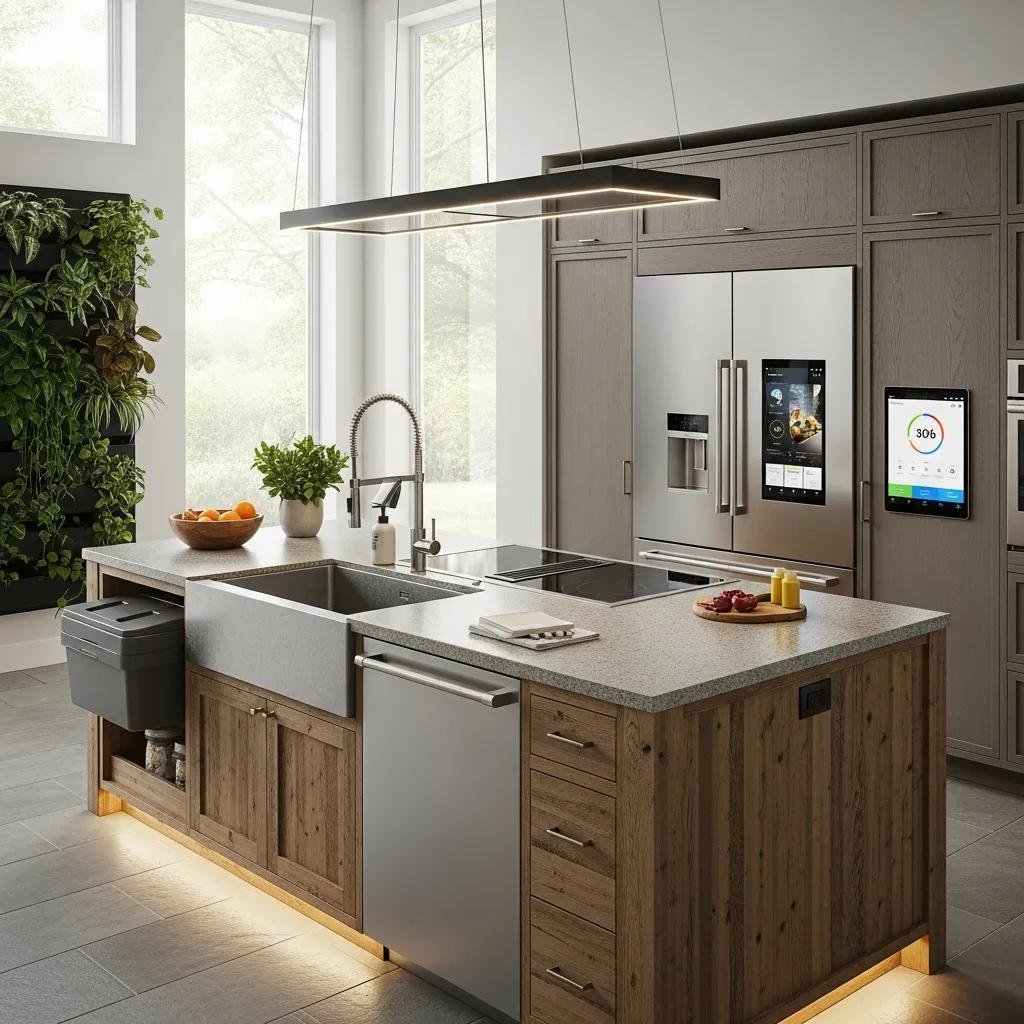
Sustainable choices lower operating costs and improve comfort by pairing low‑VOC materials, energy‑efficient appliances, and water‑saving fixtures in kitchens and baths. Smart integrations—networked thermostats, integrated lighting scenes, and connected appliances—add daily convenience and are specified to blend with luxury finishes. The logic is simple: sustainable materials and systems raise long‑term value while smart features enhance livability and energy management. Practical examples include Energy Star appliances, LED lighting with scene controls, and durable LVT in moisture-prone areas to reduce future maintenance. These measures support ROI goals and homeowner comfort and feed directly into budget planning.
What Should You Know About Costs and ROI for Luxury Remodeling in Washington D.C.?
Knowing typical cost ranges and likely ROI helps homeowners choose upgrades that balance lifestyle gains with resale performance. Investments vary by scope and finish level, but concise ranges clarify expectations: kitchens and bathrooms carry the highest per‑square‑foot costs because of custom cabinetry, premium counters, and skilled trades. The table below gives D.C.‑specific ranges and ROI notes to guide your decisions.
Being transparent about costs helps homeowners set realistic scopes and contingencies before design decisions are finalized.
These ranges reflect drivers like custom millwork, premium materials, and permitting complexity, and they help homeowners plan sensible contingencies. The next section explains how to interpret these ranges for budgeting and what causes cost variation.
What Are Typical Investment Ranges for Kitchen and Bathroom Remodels?
Budgets hinge on layout changes, custom elements, and finish choices; moving walls or re‑routing plumbing raises costs significantly. High‑end downtown kitchens typically fall between $80,000 and $200,000 because of custom millwork, luxury countertops, and integrated appliances, while upscale bathrooms commonly range from $30,000 to $75,000 due to tile work and specialty fixtures. Labor, permitting, and specialty trades (tilers, cabinet installers) are primary cost drivers. We recommend contingency reserves of 10–15% for older homes with unknown conditions. Clear budgeting lets homeowners prioritize the highest‑ROI elements, which the next section outlines.
How Can Strategic Upgrades Maximize Your Home’s Value?
Strategic upgrades focus on layout optimization, durable premium finishes, and systems buyers value—these deliver the strongest ROI for luxury remodels. High‑impact moves include open kitchen plans, quality countertops (quartz or natural stone), efficient mechanical systems, and cleverly integrated storage. Choosing reliable appliances with upscale finishes balances cost with perceived value; premium cabinetry and layered lighting raise appeal for discerning buyers. Prioritizing upgrades by resale goals and budget produces the biggest impact per dollar and naturally points to choosing the right design-build partner.
Why Choose Scanbuild LLC as Your Downtown Washington D.C. Remodeling Experts?
Working with a specialized design-build partner simplifies luxury remodels by centralizing design, permitting, and construction under a single accountable team. Scanbuild LLC, operating as Scanbuild Experts, specializes in luxury home renovations throughout the Washington D.C., Maryland, and Virginia metro area. We provide services including luxury kitchen and bathroom remodeling, high-end tiling, LVT, closet and laundry upgrades, and full design‑build delivery from initial sketches through final construction. Our work is rooted in thoughtful design, reliable craftsmanship, and attentive service; we also partner with suppliers like Mosaic Tile Co. and Marketania to secure curated materials and finishes. If you want a streamlined path from concept to move‑in, schedule a consultation to clarify scope, budget, and timeline.
Three differentiators summarize how an integrated partner adds measurable value:
- A single-provider design-build workflow reduces delays and trade conflicts.
- Established partner relationships (for example, Mosaic Tile Co.) give access to curated materials and priority sourcing.
- Consistent craftsmanship and attentive service produce dependable finish quality.
These points show how Scanbuild LLC aligns with homeowner priorities and serve as a practical prompt to request a consultation for projects aiming for high-end results.
Frequently Asked Questions
What are the benefits of working with a design-build firm for luxury remodeling?
Working with a design-build firm like Scanbuild LLC keeps design and construction under one roof, reducing miscommunication and schedule conflicts. You get a single point of accountability, clearer timelines, and easier budget control. That cohesion produces a finished home that reflects your vision while meeting local codes and permitting requirements.
How can I ensure my luxury remodel aligns with my neighborhood’s character?
Start with a thorough site assessment that considers architectural style, historical context, and local trends. Collaborate with designers who know your neighborhood—whether that means period-appropriate details in Georgetown or seamless indoor-outdoor transitions in Bethesda—to ensure upgrades look and feel right for the area. Local expertise helps balance preservation with modern comforts.
What are some common mistakes to avoid during a luxury home remodel?
Common pitfalls include underestimating budgets, skipping contingency planning, and poor communication with contractors. Homeowners sometimes neglect high‑ROI elements or rush finish selections. To avoid these mistakes, work with experienced professionals who provide realistic budgets, a clear schedule, and regular updates throughout the project.
How do I choose the right materials for my luxury remodel?
Balance aesthetics, durability, and maintenance needs. Natural stone, quality cabinetry, and energy‑efficient appliances enhance beauty and long‑term value, while moisture‑resistant materials are critical for kitchens and bathrooms. Lean on design professionals to match material choices to your lifestyle and the room’s function.
What role does sustainability play in luxury home remodeling?
Sustainability reduces operating costs and improves comfort. Low‑VOC finishes, energy‑efficient appliances, and water‑saving fixtures lower utilities and improve indoor air quality. Smart home systems further optimize energy use. Prioritizing sustainable options appeals to environmentally minded buyers and supports long‑term value.
How can I maximize the ROI of my luxury remodel?
Maximize ROI by prioritizing high‑impact areas—kitchens and bathrooms—and focusing on durable, market‑preferred finishes and efficient layouts. Open plans, quality countertops, and reliable mechanical systems add buyer appeal. A knowledgeable design‑build firm can align your remodel with local market preferences to help secure a stronger return.
Conclusion
Luxury remodeling in downtown Washington D.C. enhances everyday living and can meaningfully increase market value. Working with an experienced design-build team produces tailored solutions that respect neighborhood character while delivering modern comfort and efficiency. Investing in high-quality materials and sustainable systems ensures long‑term satisfaction and better resale prospects. Contact our team to schedule a consultation and explore how we can bring your vision to life.
Recent Comments