
Luxury Vinyl Flooring Installation in Your Area

Luxury Vinyl Flooring Installation in the Washington D.C. Metro Area — Practical, High‑Quality Solutions for Homeowners
Luxury vinyl flooring (LVT and LVP) is a resilient, often waterproof floor option that convincingly recreates hardwood and stone while withstanding the humidity and heavy foot traffic common across the Washington D.C. metro area.
This guide explains why luxury vinyl is a smart, stylish choice for homes in DC, MD, and VA: how product types compare, the installation steps that deliver lasting performance, and realistic expectations for cost and upkeep. If you’re dealing with moisture, a busy household, or want the look of hardwood without the hardwood price, you’ll find practical guidance here — from durability factors and 2025 design trends to how proper subfloor prep affects warranties. We also walk through how professional installers manage each phase, from site survey to final inspection, and when to schedule a consultation. Local details — like waterproof LVP for DC basements and pragmatic budgeting tips — are woven throughout.
Key Benefits of Luxury Vinyl Flooring for Washington D.C. Homeowners
Luxury vinyl provides durable, water‑resistant surfaces that mimic natural materials while lowering maintenance and overall project costs versus hardwood or stone. Its wear layer and engineered cores — SPC and WPC — add scratch resistance and dimensional stability, which matters for high‑traffic homes, pet owners, and humid rooms. Homeowners gain lower lifetime upkeep, broad aesthetic options, and reliable waterproof performance in kitchens, baths, and basements. Local installers who specialize in luxury vinyl plank installation around Washington D.C. rely on these product strengths to manage moisture and traffic challenges efficiently. Below are the practical advantages to consider when choosing products.
Why luxury vinyl works well in busy homes:
- Water resistance: Many LVP and SPC products withstand moisture, protecting subfloors in basements and bathrooms.
- Durability: Thicker wear layers stand up to scratches and everyday dents.
- Aesthetic range: Realistic wood‑look planks and stone‑look tiles deliver an upscale appearance for less.
- Low maintenance: Simple cleaning preserves the look longer than natural materials.
These benefits make it easier to pick the right product for each room. Next, we look at how waterproofing and wear layers drive real performance.
This table sums up the main homeowner benefits and the product features that deliver them, making it easier to match materials to room needs.
How Luxury Vinyl Delivers Durability and Waterproof Protection
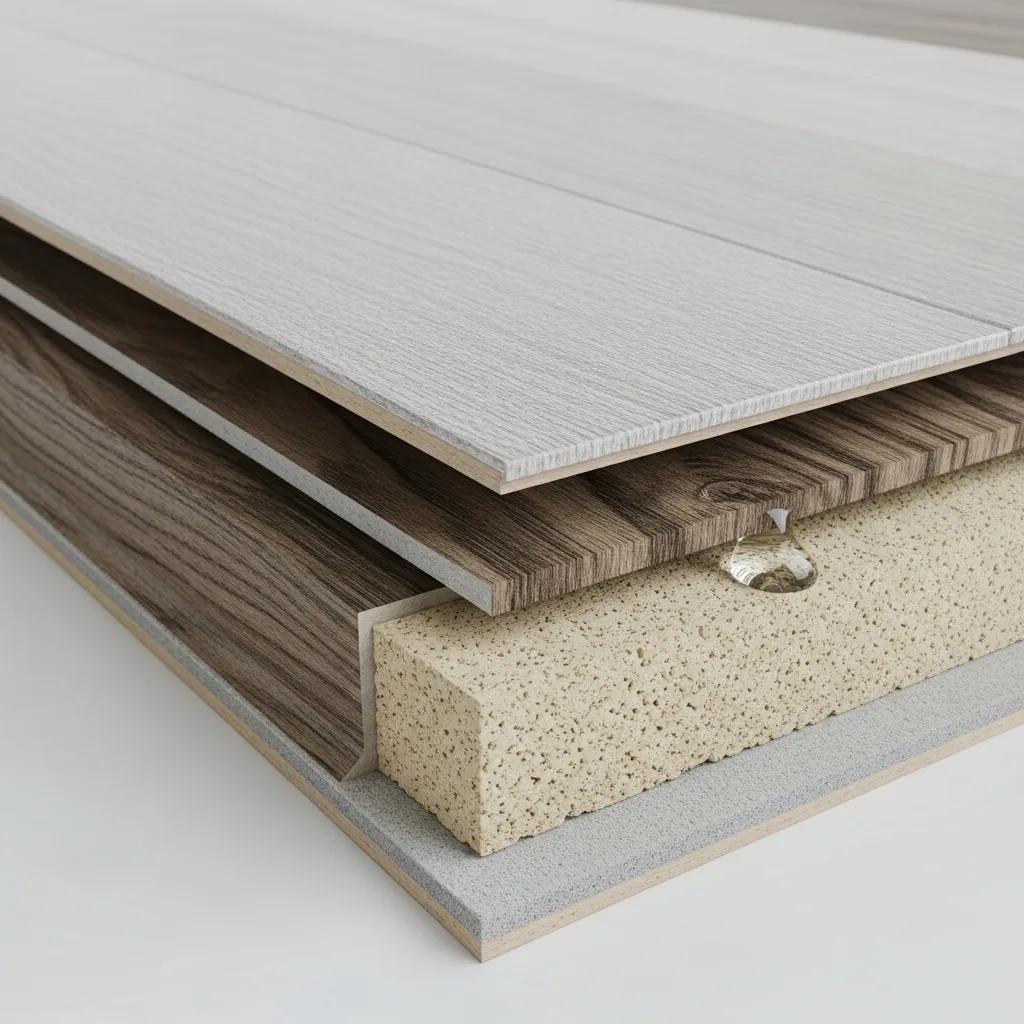
Luxury vinyl’s strength comes from its layered construction: a protective wear layer, a printed decorative layer, a rigid or cushioned core (SPC or WPC), and a stabilizing backing. SPC (stone plastic composite) cores offer excellent dimensional stability and strong water resistance; WPC (wood plastic composite) gives extra underfoot comfort. Both depend on a solid wear layer for abrasion and stain protection. In the D.C. area — where humidity and basement moisture are common — choosing a waterproof core plus the right underlayment and vapor barrier helps prevent telegraphing and mold. Knowing these differences guides smart product selection and the installation practices that protect warranties and long‑term performance.
Why Luxury Vinyl Is Cost‑Effective Compared with Hardwood or Stone
Luxury vinyl usually costs less upfront for materials and installation than hardwood or natural stone while still achieving a comparable look and easier maintenance. Installed price varies by product grade and project complexity, but LVT/LVP often undercuts hardwood and tile when you factor in subfloor remediation and labor. Lower maintenance and longer intervals between replacements also improve lifetime value. Picking a mid‑range wear layer and a stable core balances cost and lifespan, giving strong ROI for kitchens and family rooms. Itemizing material, labor, and prep costs up front helps avoid surprises and makes product decisions clearer.
Use this cost breakdown to set a realistic budget and decide where investment is most important for longevity. Next, we compare product types and styles.
Which Luxury Vinyl Types and Styles Work Best in Your Home?
Choosing between Luxury Vinyl Tile (LVT), Luxury Vinyl Plank (LVP), SPC, and WPC depends on your look, moisture exposure, and installation preferences. LVP nails the wood aesthetic and wide‑plank trends for living areas; LVT is ideal for stone and tile visuals with grout and pattern options. SPC cores are a top pick for waterproof installations and heavy traffic, while WPC adds cushion underfoot for upstairs rooms. 2025 design trends — natural tones, matte textures, and bold patterns — help shape aesthetic choices without sacrificing performance.
This comparison shows where each product shines and leads into differences between tile and plank formats.
Differences Between Luxury Vinyl Tile (LVT) and Luxury Vinyl Plank (LVP)
LVT recreates stone and ceramic tile with square formats and grout options; LVP focuses on wood aesthetics in plank form and wide‑plank looks. Installation differs: LVT commonly uses glue‑down or loose‑lay and can be grouted for realism, while LVP frequently uses click‑lock floating systems that simplify installation and repairs. LVT works well in baths and entryways for its tile look; LVP adds warmth and continuity in living rooms and kitchens. Your choice should match the visual goal, traffic patterns, and installation priorities.
2025 Design Trends for LVT and LVP
For 2025, expect natural, calming palettes — blondes and soft grays — plus matte textures and realistic surface grain. Wide planks open up spaces in modern, open‑plan kitchens; herringbone and other pattern installs make a high‑end statement. Low‑glare finishes that hide wear are practical for busy households. Pair style choices with the right product performance to ensure the look holds up over time.
How Scanbuild LLC Ensures Professional Luxury Vinyl Installation
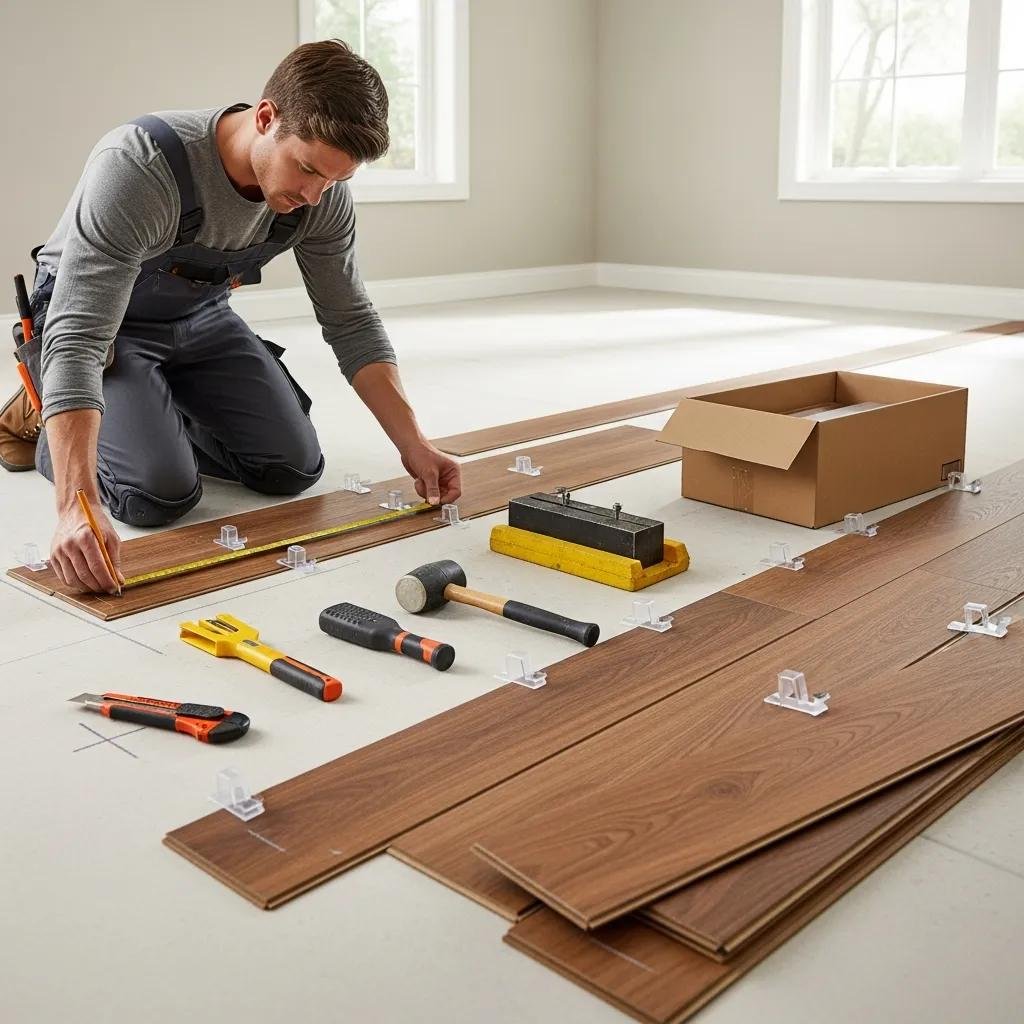
Good installation starts with project management, a thorough site assessment, and careful subfloor prep, acclimation, and finishing. Scanbuild LLC serves the Washington D.C. metro area with a design‑build workflow that coordinates material choices and installation sequencing to ensure compatibility and quality. We’re licensed, bonded, and insured, and we focus on thoughtful design, skilled workmanship, clear scheduling, and warranty management. Those processes create predictable results and set homeowner expectations before the first plank is laid.
Typical installation stages professionals manage include:
- Site survey and accurate measurements: Confirm room dimensions and conditions to order correct material quantities.
- Material selection and acclimation: Lock in product specs, wear layer, and allow flooring to adjust to indoor humidity.
- Subfloor assessment and remediation: Measure moisture, level surfaces, and install barriers or leveling compound where necessary.
- Installation: Carry out the chosen method (click‑lock or glue‑down) with careful transitions and edge details.
- Final inspection and client walkthrough: Verify alignment, finish, and walk through maintenance and warranty basics with the homeowner.
Essential Steps in Scanbuild’s Installation Process
Our process follows a clear sequence: initial consultation and measurement, detailed material selection, subfloor assessment and remediation, acclimation, methodical installation, and a final inspection with a client walkthrough. Each phase includes quality checks — moisture readings, flatness tolerances, and transition verification — to protect warranties and performance. Homeowners typically clear furniture and maintain climate control during acclimation to keep the schedule on track. Transparent communication at each milestone prevents scope creep and keeps timelines predictable.
Why Proper Subfloor Preparation Matters
Subfloor prep is the foundation of long‑term performance. Skipping leveling or ignoring moisture issues can lead to click‑lock failures, seam separation, telegraphing of imperfections, and warranty problems. Pros perform moisture testing, install vapor barriers or leveling compounds, and choose underlayment matched to the core type to manage sound and comfort. Upfront remediation can be a significant line item, but it prevents costly repairs and premature failures down the road. Budgeting for subfloor work is essential when planning a luxury vinyl project.
Cost and Maintenance: What Homeowners Should Expect
Knowing the main cost drivers and simple maintenance tasks helps homeowners budget and keep their floors looking great for years. Material grade, labor complexity, subfloor remediation, and layout work (patterns, transitions) are the primary cost factors. Higher wear layers and rigid cores raise material cost but extend service life. Routine maintenance — sweeping, damp mopping with manufacturer‑approved cleaners, and using protective pads — preserves appearance and reduces repair needs. When you’re ready to move forward, ask for a written estimate that itemizes material, labor, and anticipated prep work so there are no surprises.
This table clarifies how different items affect the final budget and helps homeowners prioritize spending decisions.
Factors That Influence Total LVT/LVP Installation Cost in the D.C. Metro Area
Primary cost drivers are product selection (wear layer and core), installation method (glue‑down vs floating), layout complexity (patterns, transitions), and subfloor condition that may require leveling or moisture mitigation. Regional labor rates and local market conditions in the Washington D.C. metro area also affect totals. Complex patterns and many thresholds add time and cost. Homeowners can control expenses by choosing simpler layouts, mid‑range wear layers, and addressing subfloor issues early. Clear scopes and written estimates keep budgets realistic.
- Material grade: Higher‑grade planks cost more but last longer.
- Labor complexity: Intricate layouts and glue‑down installs increase labor time.
- Subfloor work: Moisture barriers and leveling compounds raise upfront costs.
These cost factors also connect to maintenance expectations and the expected service life discussed below.
How to Maintain and Maximize the Life of Your Luxury Vinyl Flooring
A simple maintenance routine preserves finish and prevents premature wear: sweep or vacuum regularly to remove grit, damp mop with a pH‑neutral cleaner, and avoid abrasive tools or steam cleaners that can damage the wear layer. Preventative steps — felt pads under furniture, entry mats to trap dirt, and monitoring humidity during extreme seasons — reduce surface damage and seam issues. For noticeable scratches or seam separation, contact a qualified installer for repairs rather than attempting DIY fixes that could void warranties. Follow manufacturer care instructions and consider periodic professional inspections to get the most from your floor.
- Daily care: Sweep or vacuum to remove dirt and grit.
- Weekly care: Damp mop with manufacturer‑approved cleaner.
- Preventative: Use pads, mats, and monitor humidity to prevent damage.
These practices help protect your investment. When you prefer professional support, request a detailed estimate that lists material, labor, and likely subfloor work. Scanbuild LLC uses a consultative estimating process that lays out scope and cost so homeowners can make informed decisions.
Frequently Asked Questions
1. How long does luxury vinyl flooring typically last?
Luxury vinyl can last roughly 10 to 30 years, depending on product quality, wear‑layer thickness, and how much traffic it sees. Higher‑quality products with thicker wear layers usually last longer. Regular cleaning and avoiding abrasive cleaners help extend lifespan. Match product choice to your household’s usage for best results.
2. Can luxury vinyl flooring be installed over existing flooring?
Often, yes — luxury vinyl can be installed over suitable existing floors if the surface is clean, dry, and level. However, the existing floor’s condition matters. Unevenness or trapped moisture may require removal or remediation first. A professional assessment will determine whether you can float over the current floor or need to strip it back.
3. Is luxury vinyl flooring suitable for commercial spaces?
Yes. Luxury vinyl is commonly used in commercial settings because it’s durable, water‑resistant, and low‑maintenance. Commercial‑grade options are formulated for heavy foot traffic and come in a wide range of looks to fit office, retail, and hospitality environments.
4. How do I clean and maintain luxury vinyl flooring?
Maintenance is straightforward: sweep or vacuum to remove grit, damp mop with a pH‑neutral cleaner, and avoid abrasive tools or steam cleaners that can harm the wear layer. Use felt pads under furniture and entry mats to reduce scratches. Follow the manufacturer’s care recommendations to preserve the finish.
5. What should I consider when choosing luxury vinyl flooring for pets?
For homes with pets, prioritize a thicker wear layer and enhanced scratch resistance. Waterproof products are a smart choice for accident‑prone areas. Textured finishes can provide better traction for pets. Many luxury vinyl lines are designed to stand up to pet wear while keeping a stylish look.
6. Can I install luxury vinyl flooring myself, or should I hire a professional?
DIY installation is possible for some homeowners, but hiring a professional is often recommended for the best, long‑lasting results. Pros handle accurate subfloor prep, moisture testing, and installation details that protect warranties and prevent common problems like seam separation. If you DIY, follow manufacturer instructions closely.
7. What are the environmental impacts of luxury vinyl flooring?
Luxury vinyl’s environmental footprint varies by manufacturer. Many brands now offer products made with recycled content and low‑VOC formulations. Its durability and long service life can reduce waste from frequent replacements. If sustainability matters to you, look for certified products and manufacturers that publish environmental data.
Conclusion
Luxury vinyl flooring gives Washington D.C. homeowners a durable, attractive, and cost‑effective option built for the region’s challenges. With waterproof choices, low maintenance needs, and broad design flexibility, it suits busy families and raises home value. Choosing professional installation helps ensure the best performance and longevity for your investment. To see how luxury vinyl can update your space, explore our services and request a consultation with Scanbuild LLC today.
Recent Comments