
Modern Home Office Design Trends for Productivity
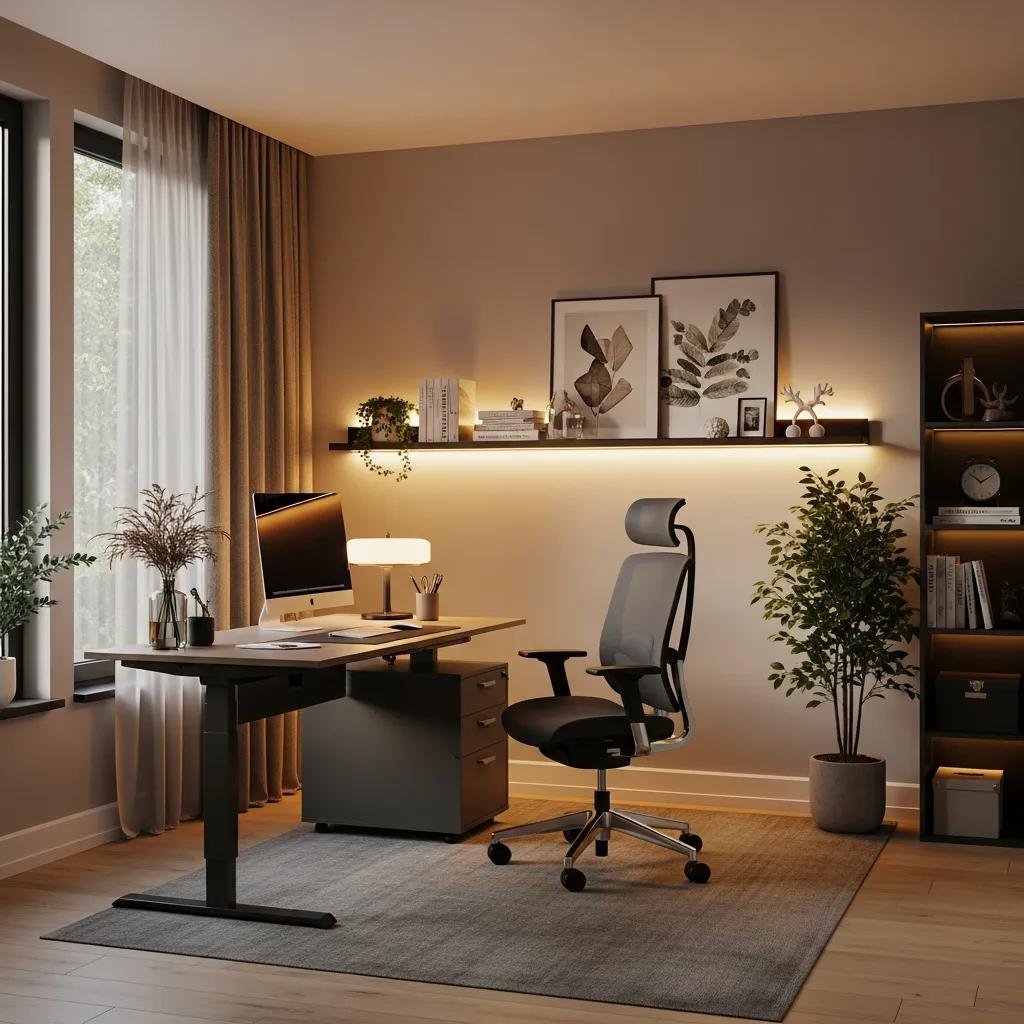
Modern Luxury Home Office Design Trends for Productivity in Washington D.C.
A contemporary luxury home office combines refined materials, intentional ergonomics, layered lighting, and acoustic control to create a workspace that supports long stretches of focused work and professional routines. This guide breaks down the design elements that most reliably boost productivity for remote work, explains how they function, and offers practical approaches Washington D.C. area homeowners can adopt. You’ll get clear recommendations for ergonomic furniture, smart lighting, integrated storage, sound control, premium finishes, and connected technology—plus layout, material, and systems guidance that lowers cognitive load and improves daily comfort. We also address common problems—clutter, fatigue, glare, and background noise—with solutions that balance refined aesthetics and real-world performance. Later sections map cabinetry strategies, current wellness-focused trends, and acoustic and lighting tactics suited to high-end residential remodels.
Scanbuild LLC is a local design-build firm and resource for luxury remodels in the Washington D.C. metro area. We translate modern home-office trends into high-end kitchens, baths, and custom cabinetry for homeowners across Rockville, Bethesda, Potomac, Vienna, McLean, Alexandria, and Washington D.C. neighborhoods. If you’re considering a project that blends ergonomics, premium tile, and bespoke storage, Scanbuild LLC provides consultations and hands-on project guidance.
What Are the Key Elements of a Modern Productive Home Office?
A productive home office is a careful combination of ergonomics, layered smart lighting, purposeful storage, acoustic treatments, durable premium materials, and dependable connectivity. Each element targets a specific productivity barrier—ergonomic furniture eases physical strain, lighting supports visual comfort and circadian cues, storage removes visual clutter, acoustics limit distractions, materials provide lasting tactile quality, and technology keeps systems reliable. Below is a concise checklist of the core levers to prioritize when planning a luxury home office.
Prioritize these design levers to get the biggest day-to-day impact:
- Ergonomic furniture to reduce musculoskeletal strain and enable longer, more comfortable work sessions.
- Layered smart lighting to reach the right task lux levels and create adaptable ambiance for video calls.
- Integrated storage that hides clutter and keeps frequently used items organized and within reach.
- Acoustic treatments and soundproofing to cut background noise and protect concentration.
- Premium, durable materials (hardwoods, quartz, LVT) that elevate appearance and stand up to daily use.
- Reliable connectivity and thoughtful cable management to keep your setup uninterrupted and tidy.
These priorities produce measurable improvements in comfort and focus. The sections below explain how to choose ergonomic furniture and smart lighting that fit a luxury remodel.
How Does Ergonomic Furniture Enhance Comfort and Efficiency?
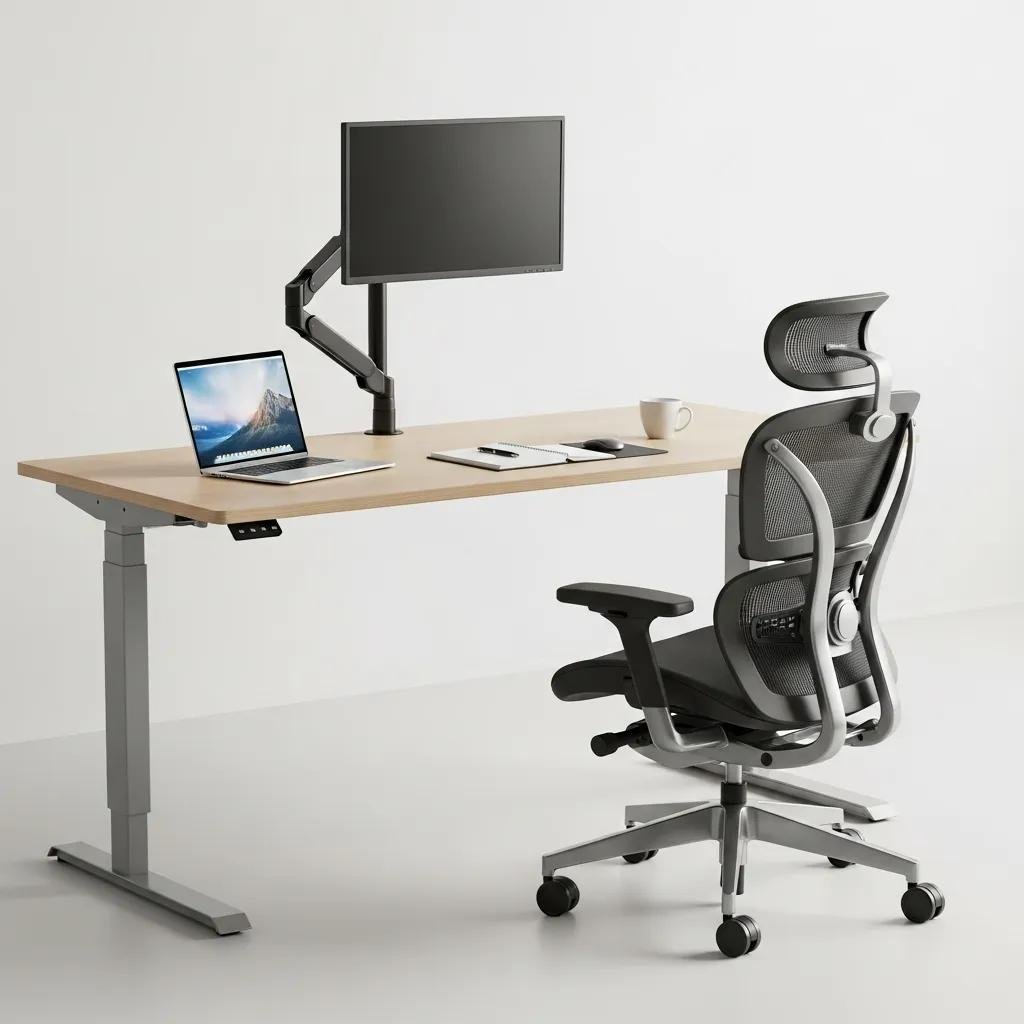
Ergonomic furniture supports neutral posture and minimizes repetitive strain through adjustability, proper lumbar support, and correct screen positioning. Sit–stand desks, task chairs with precision lumbar and tilt, and monitor arms that set screens at eye level reduce fatigue and improve circulation—fewer breaks and steadier focus follow. High-end ergonomic products pair durable construction and refined finishes, so they feel at home in luxury interiors while performing under heavy daily use. In a remodel, ergonomics inform spatial decisions—desk heights, circulation paths, and storage are specified to match the user’s measurements and workflow.
Specifying ergonomics early also influences other choices—flooring underlayment, under-desk power, and cable routing are selected to preserve comfort and system reliability around the chosen furniture.
Why Is Smart Lighting Essential for Focus and Ambiance?
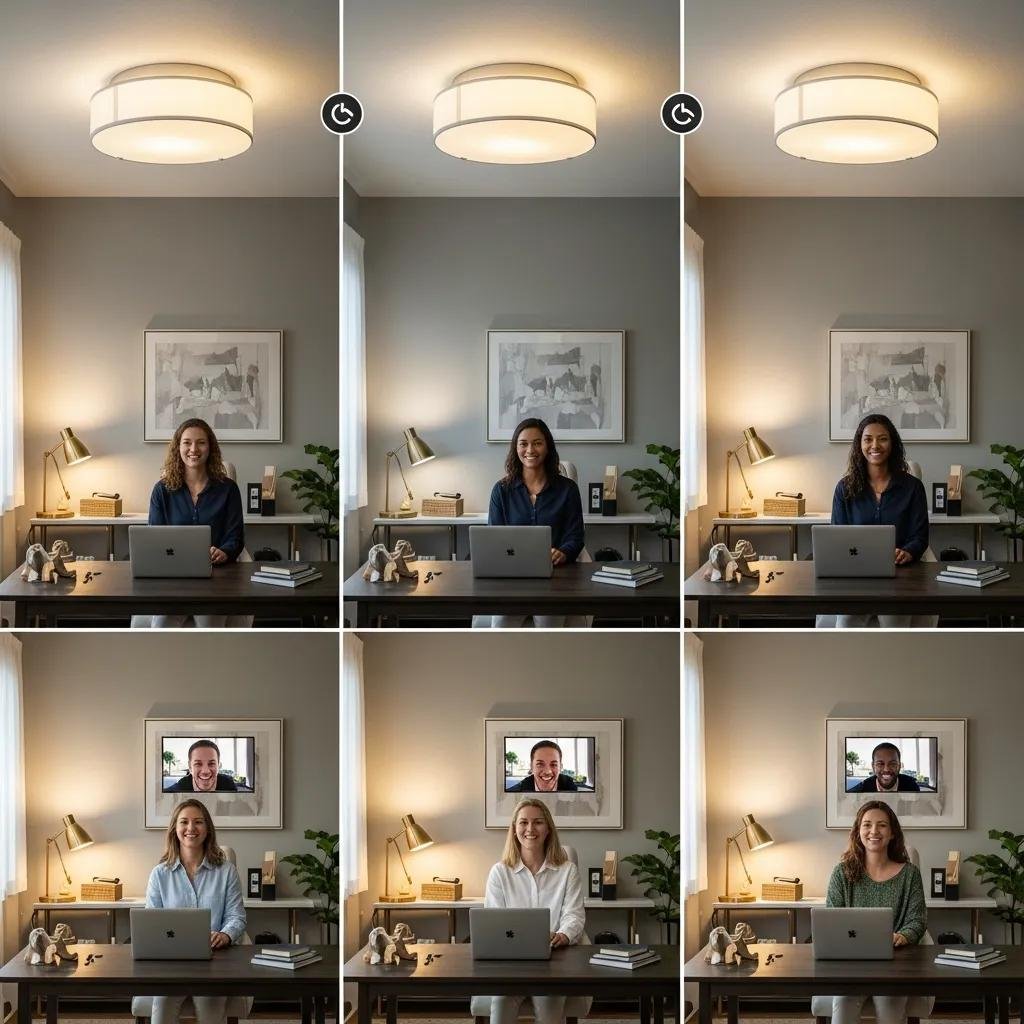
Smart lighting uses layered fixtures—ambient, task, and accent—plus controls to create scenes that support concentration, reduce eye strain, and manage circadian cues through the day. A task plane at roughly 300–500 lux improves detail work and cuts glare; ambient lighting evens illumination across the room and accent fixtures add depth for a sophisticated interior. Dimmers, timers, and circadian presets let users move quickly between focused work, video calls, and winding-down scenes, saving energy while sustaining performance. Select high-CRI LEDs and matte finishes for consistent, refined light that renders materials and skin tones accurately.
Integrating smart lighting in a remodel requires coordinating fixture placement with window treatments, reflective surfaces, and control locations so scenes behave predictably as daylight changes.
This side-by-side shows how pairing core elements translates directly into daily performance gains and guides material and hardware choices during design.
How Can Custom Cabinetry and Storage Improve Your Home Office?
Custom cabinetry and integrated storage turn underused walls and alcoves into purposeful work zones that conceal equipment, route power, and preserve a clean visual field—exactly what high-end remote work requires. Thoughtful built-ins deliver tailored ergonomics, hide printers and routers, and include soft-close hardware and wire management to maintain the room’s refined aesthetic while boosting usability. Material selection—solid woods, premium laminates, or quartz accents—shapes maintenance needs, tactile quality, and perceived value; durable finishes resist wear from daily use. Below is a short comparison of common cabinetry approaches and what they provide for a luxury home office.
Custom cabinetry produces tangible benefits for productivity and resale value:
- Space Efficiency: Built-ins use vertical storage to expand desk area while keeping essentials within reach.
- Workflow Support: Integrated charging stations and concealed filing reduce interruptions and keep tasks moving.
- Aesthetic Cohesion: Coordinated materials link the office to the rest of a remodel, raising perceived quality.
These cabinetry options show how design decisions streamline daily routines and keep the workspace calm and composed.
If you’re ready to add bespoke storage, Scanbuild LLC offers design-build services that include built-in desks, integrated power management, and luxury finishes—tailored for Washington D.C. area remodels—with consultations to align storage solutions to your workflow and material preferences.
What Modern Design Trends Boost Productivity and Well-being?
Current trends—biophilic design, restrained minimalism, smart-home integration, and multifunctional planning—deliver measurable benefits for productivity and well-being by lowering stressors and optimizing the environment for cognitive work. Biophilic elements increase daylight, plant presence, and natural materials that help restore attention. Minimalist design reduces decision fatigue by limiting visual clutter. Smart integration links lighting, HVAC, and AV systems into presets that adapt the room to specific work modes. Flexible furnishings let a single room move between focused work and video calls without losing its formality. These trends matter especially in high-end residences where owners expect both elegance and measurable performance gains.
- Biophilic design: introduces natural materials and plants to improve mood and aid cognitive recovery.
- Minimalist palettes: simplify the visual field and reduce distractions for sustained focus.
- Smart integration: automates scenes for focus, calls, and rest—saving time and mental effort.
- Flexible furnishings: adapt to changing remote-work needs and household use without compromising style.
Designers and remodelers across the Washington D.C. area increasingly combine these approaches to produce offices that feel calm, considered, and technically capable. Scanbuild LLC has applied biophilic, minimalist, and smart-technology solutions in local luxury projects and can advise on material pairings, plant choices, and systems integration to meet client goals.
How Does Biophilic Design Influence Health and Focus?
Biophilic design reconnects occupants with natural elements—daylight, plants, wood, and stone—which research links to reduced stress and better attention recovery during short breaks. Implementation ranges from potted plants and living walls to maximizing daylight through window placement and selecting tactile materials like oak or quartz. In compact urban offices, compact planters, green shelving, and targeted botanical lighting deliver similar benefits without requiring extra floor area. Choose low‑VOC soils and plant species suited to indoor light levels to minimize maintenance while maximizing physiological benefit.
Adding natural elements encourages brief restorative pauses and improves perceived air quality—small changes that support more resilient focus across long workdays.
What Role Does Minimalism Play in a Productive Workspace?
Minimalism reduces visual clutter and the number of daily choices, which lowers decision fatigue and preserves cognitive bandwidth for deep work. To keep a minimalist scheme feeling warm, layer textures—wood grain, soft textiles, and matte metal accents—so the room reads inviting rather than clinical. Storage that hides items out of sight is essential: the fewer things on the desktop, the fewer temptations to task-switch. Thoughtful curation and a restrained palette streamline routines and support sustained attention.
A minimalist approach combined with high-quality tactile materials maintains an air of luxury while maximizing the cognitive benefits of a simplified visual environment.
How Do Soundproofing and Acoustic Solutions Create a Quiet Sanctuary?
Sound control solves two related issues: blocking outside noise (soundproofing) and improving the room’s internal acoustics (absorption and diffusion). Effective home-office strategies pair insulation and airtight seals for walls, ceilings, and doors to limit transmission with interior absorbers—acoustic panels, rugs, and soft finishes—to reduce reverberation and improve speech clarity. In many residential remodels, targeted upgrades—additional cavity insulation, acoustic door seals, and well-placed fabric-wrapped panels—deliver large reductions in distraction without harming aesthetics. For severe problems, a professional assessment will locate structural gaps and recommend insulation R-values and panel NRC targets for predictable outcomes.
Practical problem-solution recommendations:
- Blocking traffic or neighborhood noise: Add cavity insulation and improve seals at doors and windows to reduce intrusion.
- Reducing reverberation: Install fabric-wrapped acoustic panels and area rugs to absorb mid‑high frequencies and sharpen speech clarity.
- Isolating equipment noise: Enclose noisy devices in ventilated cabinetry with sound-damping liners to keep background hum out of calls.
Combining these treatments addresses both external intrusion and internal reverberation. For major remodels that touch walls or ceilings, a professional acoustic assessment integrated with cabinetry and lighting plans ensures sound control fits neatly into the luxury finish palette.
Which Acoustic Panels and Insulation Techniques Are Most Effective?
Fabric-wrapped panels, wood-slat absorbers, and engineered foam each have distinct acoustic signatures and visual possibilities; NRC (noise‑reduction coefficient) ratings help match materials to priorities—speech clarity versus low‑frequency control. Insulation upgrades in wall cavities and decoupling techniques (resilient channels, isolated framing) help block transmission, while resilient mounts reduce structure-borne sound. Luxury installations often pair high-performance acoustic materials with decorative finishes—wood slats, textile wraps, or integrated shelving—so the room performs quietly without sacrificing style.
Choose materials based on the room’s dominant noise sources and desired finish; a diagnostic measurement best informs the right trade-offs between performance and appearance.
How Can Layered and Smart Lighting Enhance Work Environment?
Layered lighting—ambient ceilings, task lamps, and accent fixtures—paired with smart controls creates scenes tuned to different activities: focused work, long video calls, or creative review. Smart presets can offer a bright, cool task scene for deep focus, a neutral balanced scene for on-camera meetings, and a warmer, dimmed scene for end-of-day transitions that support circadian rhythm. Voice and app control, occupancy sensors, and scheduling make switching modes effortless while saving energy. Specify fixtures with high CRI and consistent color temperatures so materials and skin tones look natural on camera.
Program scene presets tied to calendar events or daily schedules to remove small decisions and maintain consistent visual conditions that support productive work.
How Do Layered and Smart Lighting Enhance Work Environment?
Lighting scenes mapped to work modes remove the small daily choices—what brightness or color temperature to use—and let users concentrate on tasks instead. Smart lighting also coordinates with HVAC and motorized shades so the workspace responds smoothly to time of day and activity, reinforcing a predictable, productive environment.
Frequently Asked Questions
What are the benefits of incorporating biophilic design in a home office?
Biophilic design brings natural elements—plants, daylight, and organic materials—into the workspace. This connection to nature can reduce stress, improve mood, and aid attention restoration during short breaks. Features like well-placed windows, compact living walls, or curated plant groupings also enhance perceived air quality and make the room more inviting for sustained work.
How can I effectively manage clutter in my home office?
Manage clutter with strategic storage and regular habits. Custom cabinetry and integrated storage hide less-used items, while desk organizers and labeled bins keep daily tools accessible. Adopt a minimalist surface strategy—only the essentials on your desktop—and schedule short weekly declutter sessions to keep systems running smoothly.
What types of technology should I consider for a luxury home office?
Invest in smart systems that improve comfort and reliability: a layered lighting system with circadian presets, automated shades, robust Wi‑Fi and wired Ethernet where needed, and high-quality AV for video conferencing. Centralized control via an app or voice assistant simplifies operation and ties systems into seamless scenes.
How can I ensure my home office is ergonomically designed?
Prioritize adjustable furniture: a chair with calibrated lumbar support, a sit–stand desk, and monitor arms that place screens at eye level. Set keyboard and mouse heights to keep wrists neutral, and plan circulation so frequently used items are within easy reach. A short ergonomic assessment or fitting session ensures dimensions match the primary user.
What are some effective soundproofing techniques for a home office?
Effective techniques include adding wall cavity insulation, sealing gaps around doors and windows, and using acoustic panels to control reverberation. Soft furnishings—rugs, curtains, upholstered furniture—also help. For persistent problems, consider acoustic doors, resilient mounting, or cabinet enclosures for noisy equipment.
How can I incorporate smart lighting into my home office design?
Choose fixtures and bulbs that support app or voice control. Combine ambient, task, and accent lighting, and use smart bulbs that adjust color temperature and brightness. Link lighting presets to routines or calendar events and integrate them with other smart systems to streamline transitions between work modes.
Conclusion
Designing a modern luxury home office in Washington D.C. improves productivity when you combine thoughtful ergonomics, layered smart lighting, and integrated storage. These elements raise comfort and focus while elevating the room’s overall aesthetic. With the right materials and systems, your home office becomes a reliable, beautiful workspace. Contact Scanbuild LLC to explore tailored design-build solutions that bring your ideal office to life.
Recent Comments