
Luxury Home Improvements in Washington, D.C. — A Practical Guide to Premium Renovations
Luxury home improvement in the Washington, D.C. metro area goes beyond upscale finishes. It’s thoughtful design, local code expertise, and materials that stand up to urban living. This guide walks homeowners through luxury kitchen renovations, high-end bathroom remodels, premium flooring options, and locally focused design‑build services that deliver comfort, durability, and measurable resale value across D.C., Maryland, and Virginia. You’ll find clear takes on the benefits of custom kitchens, the impact of spa-style bathrooms, which flooring performs best in our climate and traffic patterns, and how a local design‑build approach smooths permits and construction. We also map practical tradeoffs—materials, maintenance, and current trends—so you can plan upgrades that balance lifestyle and long-term ROI.
Benefits of a Luxury Kitchen Renovation in Washington, D.C.
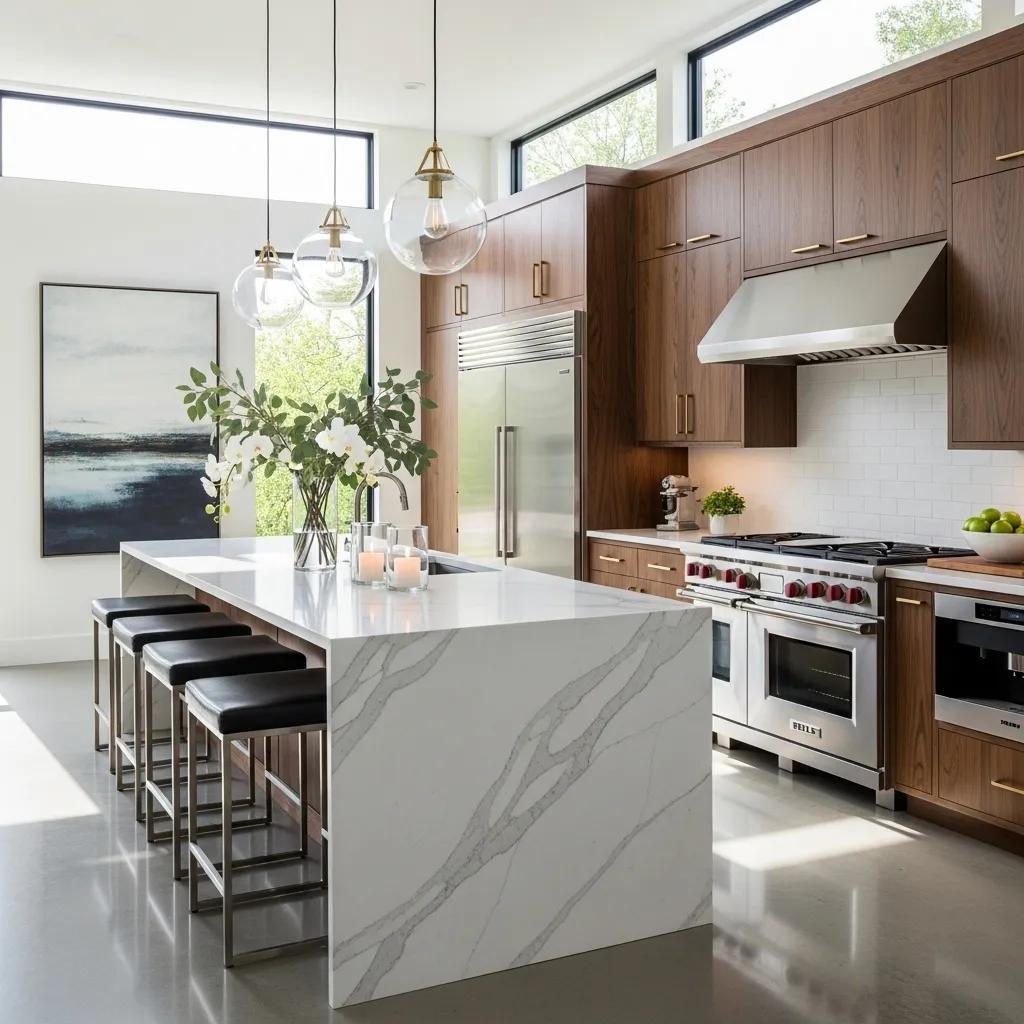
A luxury kitchen remodel improves everyday function, sharpens aesthetic appeal, and can increase resale value in competitive D.C. neighborhoods. High-end projects improve workflow, specify durable finishes, and integrate smart appliances that simplify daily life and reduce energy use. When kitchens feature custom cabinetry, premium surfaces, and layouts calibrated to urban floor plans, homeowners usually see stronger marketability and better appraisal comparables. Below is a concise comparison of common luxury countertop and surface choices to illustrate the benefits and tradeoffs before you pick finishes.
Different countertop and surface choices influence cost, upkeep, and visual character in distinct ways.
This comparison shows how homeowners balance visual goals with lifecycle costs when planning a luxury kitchen remodel.
How Custom Kitchen Design Raises Home Value
Custom kitchen design increases both perceived and realized value by improving spatial flow, expanding usable storage, and integrating appliances that appeal to discerning buyers. Thoughtful layouts reposition work zones—prep, cook, clean—to reduce wasted motion and support social cooking, a key selling point in open‑plan condos and townhouses. Built‑in cabinetry and fitted storage solve city space constraints and boost usable square footage without structural additions, creating measurable resale appeal. High‑value features to prioritize include full‑extension drawers, integrated appliances, durable surfaces, and task lighting that enhances daily use and listing photography.
High‑End Kitchen Design Trends for 2025
Top kitchen trends blend natural materials, concealed tech, and restrained palettes that fit the refined D.C. market. Designers are mixing materials—wood, stone, metal—on islands to create tactile, bespoke focal points. Smart, integrated appliances and touchless fixtures add convenience while keeping clean sightlines; large‑format, textured backsplashes add depth without busyness. Accent mixed metals and soft, nature‑based colorways extend the lifespan of the design and appeal to a broad buyer pool.
If you’re planning a remodel, prioritize durable, photogenic choices that work for daily life and photograph well for resale.
When you’re ready to translate ROI‑driven priorities into a buildable plan, Scanbuild LLC offers design‑build consultations across the Washington, D.C. metro area. We streamline workflows, reduce coordination friction, and connect homeowners with vetted partners for luxury finishes and fixtures.
How High‑End Bathroom Remodeling Can Transform Your D.C. Home
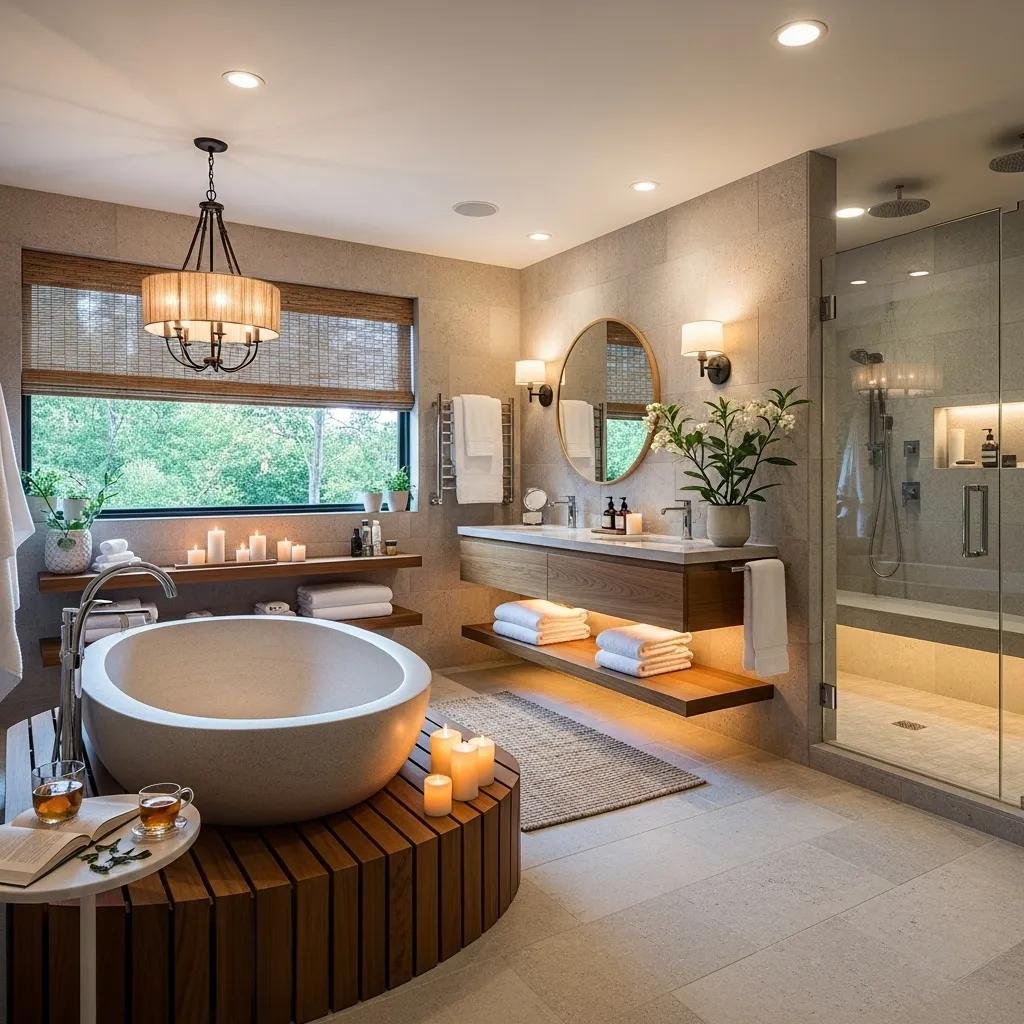
A high‑end bathroom remodel elevates daily wellness and long‑term durability by adding spa‑inspired amenities, improved waterproofing, and materials chosen for humid conditions. Luxury bathroom strategies focus on multi‑sensory comfort—layered lighting, improved acoustics, and steam or multi‑function showers—that raise everyday comfort and market appeal while addressing maintenance and moisture risk. Properly specified fixtures and waterproof assemblies reduce the likelihood of costly repairs in city homes. Remodels also enhance accessibility, introduce higher material standards, and offer sustainable choices that resonate with eco‑conscious buyers.
Key spa‑inspired upgrades that boost daily comfort and property perception:
- Steam or multi‑function showers: Daily wellness features with adjustable modes.
- Freestanding soaking tubs: A sculptural focal point that reads as luxury.
- Layered lighting and heated floors: Comfort and usability in cooler months.
Together, these elements provide lifestyle improvements and durable resale benefits for D.C. homeowners.
The table clarifies which fixtures align with common lifestyle priorities in luxury bathroom projects.
What Defines a Spa‑Inspired Bathroom Remodel?
Spa‑inspired bathrooms prioritize sensory control, durable finishes, and low‑maintenance systems that sustain a calm, clean atmosphere. Core elements include steam‑capable showers, rain and handheld shower combos, layered ambient and task lighting, and natural accents like honed stone or large‑format tile. High‑performance waterproofing and correct ventilation protect finishes and hidden assemblies from moisture damage, lowering lifecycle risk. Combined thoughtfully, these components create a consistent retreat‑like environment at home.
How Sustainable Material Choices Affect Luxury Bathrooms
Choosing sustainable materials for a luxury bathroom balances aesthetics, cost, and environmental impact—examples include recycled‑content tile, low‑VOC finishes, and water‑efficient fixtures. When specified for durability and serviceability, sustainable options meet high‑end expectations while reducing embodied carbon and operating waste. Lifecycle benefits often include less frequent replacement and stronger appeal to eco‑minded buyers; tradeoffs can include higher upfront cost and limited availability for some artisanal finishes.
Scanbuild LLC showcases spa‑bath expertise and supplier partnerships to help homeowners evaluate sustainable selections or schedule a consultation tailored to spa‑style design.
Premium Flooring Installation Tips for the D.C. Metropolitan Area
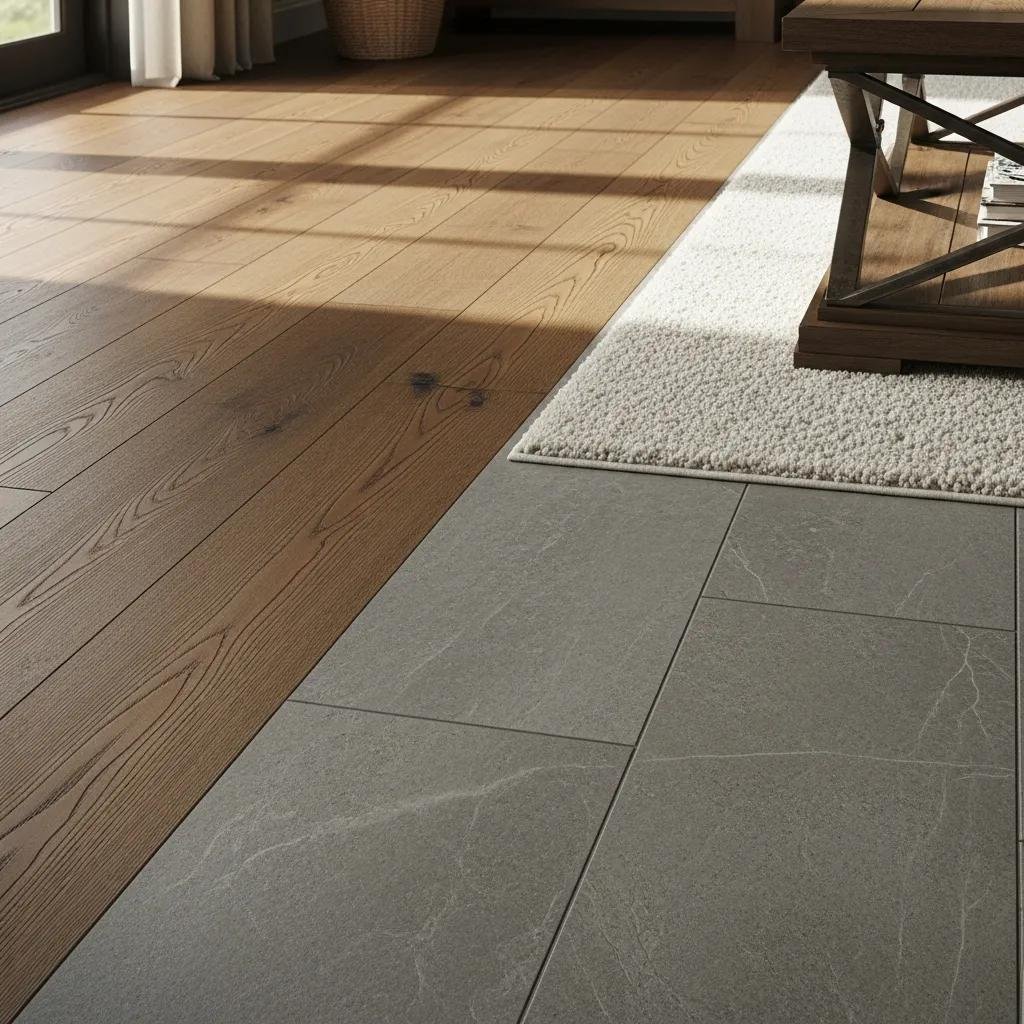
Premium flooring in D.C. homes must account for heavy foot traffic, seasonal humidity shifts, and moisture exposure near entries and kitchens. Choose the right floor—luxury vinyl tile (LVT), porcelain/ceramic tile, natural stone, or hardwood—based on room use, maintenance tolerance, and desired look. Proper subfloor prep, acclimation, and professional installation reduce risks like cupping, grout failure, or adhesive breakdown. Below is a focused comparison to help weigh durability, water resistance, and cost quickly.
Compare popular premium flooring options for urban homes.
This quick comparison highlights where each material performs best in metropolitan homes.
Advantages of Luxury Vinyl Tile and Premium Tile Flooring
Luxury Vinyl Tile offers waterproof performance, realistic visuals, and relatively fast installation, making it a practical choice for high‑traffic or moisture‑prone areas. Premium porcelain or natural stone tile provides exceptional longevity and a high‑end aesthetic when installed over a correctly prepared substrate. Cost, installation time, and maintenance vary: LVT is generally less expensive and faster to install; premium tile requires higher installation skill and longer timelines but can outlast other surfaces. In D.C., pay attention to transitions and sound control when choosing between LVT and tile.
Maintaining Hardwood and Stone Floors in Luxury Homes
Care for hardwood and stone flooring with regular cleaning, humidity management, and scheduled professional maintenance like refinishing or resealing. Hardwood benefits from controlled indoor humidity, soft‑bristle vacuuming, and prompt spill cleanup to avoid surface wear and moisture damage. Stone floors need appropriate cleaners, periodic sealing, and grout upkeep to resist stains. Preventive steps—entry rugs, felt pads on furniture, and periodic professional inspections—extend lifespan and protect your investment.
Service note: Scanbuild LLC connects homeowners with specialists in LVT and premium tile installation and provides guidance on selecting systems and scheduling professional installs through a simple contact process.
How Custom Renovation Services in Washington, D.C. Meet Local Needs
Local custom renovation teams understand D.C. constraints—historic district reviews, tight lot footprints, and varying permit requirements—and combine design and construction in a single workflow to reduce delays. A local design‑build firm coordinates design, documentation, permit submission, and construction management to keep schedules predictable and provide single‑point accountability. Knowing common permit types, review timelines, and code triggers helps avoid costly rework and timeline overruns. The list below outlines local considerations to plan for before you start a luxury renovation.
Common local renovation considerations for D.C. projects:
- Permitting timelines and reviews: Account for multi‑week agency reviews for structural or facade changes.
- Historic‑district constraints: Expect design reviews and possible material restrictions.
- Neighbor/HOA coordination: Communicate about noisy or visible construction phases in advance.
These steps help homeowners set realistic timelines and budgets for premium renovations in the metro area.
The Design‑Build Process for Seamless Luxury Renovations
Design‑build streamlines luxury renovations through coordinated phases: discovery, schematic design, permitting, construction, and final handover under a single contract. Early collaboration between designers and builders reduces costly change orders by aligning specifications with constructability and budget. Regular client reviews at key milestones keep design intent intact and timelines transparent. This single‑point accountability typically yields fewer surprises and clearer cost control than fragmented delivery models.
Permitting and Local Regulations: What to Expect
Permitting and local regulations shape scope, schedule, and allowable materials—especially in historic neighborhoods or when structural changes are proposed. Typical permits include building, electrical, and plumbing approvals, each with its own review timeline and documentation needs; early engagement with permitting authorities shortens approval cycles. You may need specialist drawings or engineering reports for structural work, so build buffer time into schedules. Proactive permit planning addresses the most common roadblocks that delay high‑end projects.
Homeowners seeking expert guidance on design‑build coordination and permit navigation can contact Scanbuild LLC by phone at +1-240-374-8844 to schedule a consultation and learn how local expertise reduces renovation friction while preserving design ambition.
Frequently Asked Questions
What should I consider when selecting materials for luxury home renovations?
Focus on durability, maintenance, and how materials perform in specific conditions—humidity for bathrooms, heavy traffic for kitchens. High‑quality materials enhance appearance and longevity; sustainable options (recycled tile, low‑VOC finishes, water‑efficient fixtures) can also increase appeal to buyers. Consult local experts to balance aesthetics, budget, and lifecycle costs.
How can homeowners ensure their luxury renovations comply with local building codes?
Engage an experienced design‑build firm early. Professionals familiar with Washington, D.C. regulations can identify required permits, zoning issues, and historic‑district restrictions before construction starts. Regular communication with permitting authorities and incorporating code needs into the design phase reduces the risk of costly rework and delays.
What are the benefits of choosing a design‑build approach?
Design‑build centralizes responsibility under one contract, improving communication, speeding decision‑making, and reducing change orders. The collaborative model aligns design intent with construction realities and budget limits, simplifying the renovation and lowering stress for homeowners.
Which luxury upgrades are most attractive to buyers in the D.C. market?
Buyers in D.C. respond well to high‑end kitchen and bathroom remodels, energy‑efficient appliances, and smart home features. Custom cabinetry, spa‑style master baths with steam options, premium flooring, and functional outdoor living spaces consistently increase marketability.
How do I balance luxury upgrades with a limited budget?
Prioritize high‑impact areas—typically kitchens and bathrooms—and allocate budget toward durable finishes that offer the best ROI. Include a contingency for unexpected costs and work with a design‑build team to identify cost‑effective materials and staging strategies that preserve a luxury feel without overspending.
What role does technology play in luxury renovations?
Technology improves convenience and efficiency—smart lighting, HVAC controls, integrated appliances, and advanced design software for visualization. Thoughtful tech integration enhances daily living, energy performance, and resale appeal without compromising the aesthetic.
Conclusion
Investing in luxury home improvements in Washington, D.C. enhances daily living and can materially increase your property’s market value. Focus on high‑impact kitchen and bathroom renovations and choose premium flooring that suits urban life. Working with local experts ensures your project follows current design trends and local regulations, keeping the process efficient and predictable. Contact Scanbuild LLC today to discuss your vision and start planning a luxury renovation that balances lifestyle and long‑term return.
Recent Comments