
Expert Insights: Designing Functional Kids' Rooms
A thoughtfully designed kids’ room blends imagination with materials that stand up to daily life. This guide shows how luxury renovation choices create spaces that feel playful yet are built to last. You’ll find practical design strategies—from clear zoning and smart storage to low‑maintenance, safe finishes—that support creativity, routines, and long‑term value. We cover why higher‑quality materials pay off, the storage systems that keep bedrooms organized, flooring that survives active play, and tasteful themed approaches that adapt as children grow. Common challenges like clutter, delicate finishes, and safety concerns are answered with actionable solutions and materials recommendations. Read on for concise lists, side‑by‑side comparisons, and three quick EAV tables to help you weigh options while prioritizing child safety, easy cleaning, and multi‑function design.
Why choose a luxury approach for functional kids’ rooms?
Luxury renovation for a kids’ room means picking durable finishes, tailored storage, and layouts that support play, study, and evolving needs. Quality materials resist wear, cut down on maintenance, and keep rooms looking fresh longer—protecting both daily usability and resale value. Thoughtful moves—clear play zones, built‑in study nooks, and flexible furniture—encourage independence and creative play while avoiding costly reworks. In short, investing in longevity reduces frequent patchwork and gives busy families dependable, low‑effort spaces.
At Scanbuild LLC we combine design and construction across the Washington, D.C. metro area, so planning and execution happen seamlessly. A consultation shows how custom cabinetry, flooring choices, and bespoke finishes will meet your family’s needs while fitting the home’s overall look. Our local, hands‑on approach helps homeowners turn ideas into durable, child‑friendly rooms that perform for years.
How does a well‑designed kids’ room encourage creativity and growth?
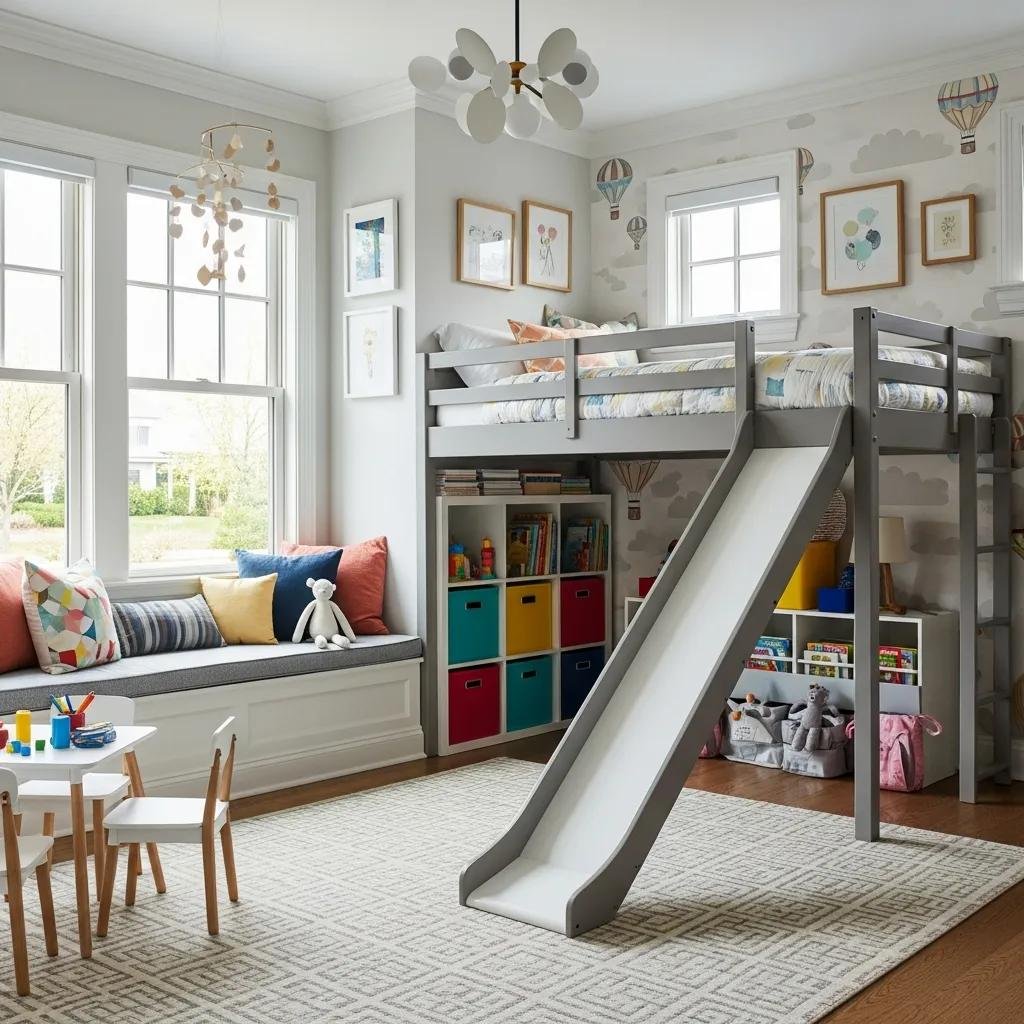
The best kids’ rooms use versatile zones—open play areas, cozy reading nooks, and focused study corners—to support different activities and stages of development. Clear zoning gives sensory variety and cues for play versus concentration, which helps routines and behavior. Material choices matter too: tactile textiles, layered lighting, and curated storage invite exploration while keeping order. For example, a cushioned window bench with built‑in shelves becomes both a reading spot and convenient book storage, encouraging independent reading. Designing for adaptability—swappable accents and modular furniture—keeps the room relevant as interests change, supporting long‑term development.
What are the benefits of combining fun with function?
Marrying playfulness and practicality simplifies daily life: smart storage cuts cleanup time, hard‑wearing finishes reduce repairs, and multi‑use furniture stretches limited space. Pieces like loft beds with built‑in desks or storage turn single‑use corners into flexible zones for sleep, study, and play. A resilient surface palette—wipeable paints, LVT flooring, and quality upholstery—holds up to heavy use and lowers long‑term costs and stress. Thoughtful design builds better routines, encourages independence, and creates a room that grows with the child instead of demanding frequent redesigns.
What storage solutions actually work for kids’ bedrooms?
Good storage mixes visible access, hidden capacity, and modular flexibility tuned to a child’s age and habits. Built‑ins, under‑bed drawers, open shelves, and labeled bins work together to keep items accessible while clearing surfaces. Low shelves make toys reachable; higher closed cabinetry holds seasonal items out of sight. Child‑height hooks and clear labels reinforce independence and make tidy‑up routines faster for the whole family.
If you’re upgrading cabinetry or closets, Scanbuild LLC’s experience with custom built‑ins and closets provides a practical path to integrated, long‑lasting storage. Design‑build projects ensure built‑ins fit room proportions and future needs, matching style with durability for a cohesive result.
Intro to storage comparison table: The table below compares common storage choices by capacity, accessibility, and best use.
Pairing built‑ins for anchor storage with flexible modular pieces covers both long‑term capacity and day‑to‑day usability. Use built‑ins where permanence helps, and cubes or baskets where needs change.
How do custom built‑ins maximize space and usefulness?
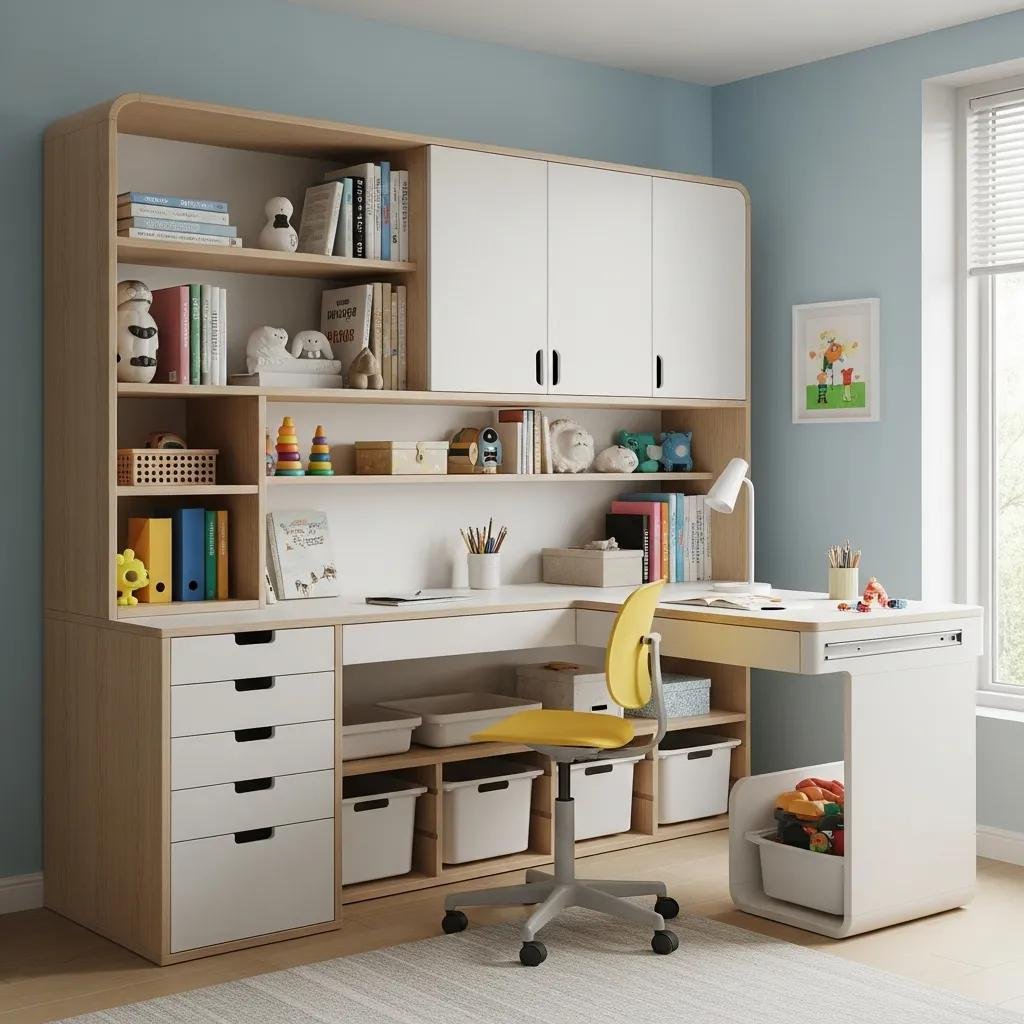
Custom built‑ins turn walls and nooks into storage, seating, and study areas sized to a child’s routine and the room’s footprint. Choice of materials—durable painted MDF, lacquered cabinetry, or protected veneers—drives longevity and ease of cleaning. Integrated lighting and adjustable shelving let the piece adapt as kids grow. Built‑ins remove awkward furniture gaps where clutter gathers and deliver a polished look that elevates the room. For families seeking a smooth process, pros ensure measurements and finishes coordinate with other luxury elements. Thoughtful details—rounded edges, secure anchoring, and child‑safe hardware—keep built‑ins both beautiful and safe for the long haul.
Which smart storage habits keep playrooms tidy?
Smart storage focuses on visibility, labeling, rotation, and child access to make tidiness stick. Try toy rotation to limit choices, labeled baskets for sorting practice, and low shelves to promote independence. Multi‑use furniture—benches with removable lids or ottomans with internal bins—keeps everyday items close but out of sight. A short nightly tidy, like a five‑minute pickup before bed, turns organization into habit and prevents clutter buildup. These small systems make daily life easier while teaching kids useful skills.
Intro to EAV storage capacity table: The table below compares storage units by capacity, accessibility, and recommended age range.
How to pick durable, safe flooring for playrooms?
Flooring for kids’ spaces should balance durability, safety, and easy upkeep while offering the right texture and color for play. Ideal choices resist scratches and spills, provide some impact absorption, and avoid high‑VOC finishes to protect indoor air. Layered approaches—durable base flooring with removable rugs in play zones—combine simple cleaning with softer, cushioned areas for play. Flooring affects acoustics, hygiene, and maintenance, so choose a solution that supports how the room will be used.
Below is a quick flooring pros list to help parents prioritize common needs.
- Luxury Vinyl Tile (LVT): Durable, water‑resistant, and simple to clean.
- Non‑slip tile: Long‑lasting and hygienic; choose textured finishes for traction.
- Stain‑resistant carpet: Soft and warm with treated fibers to resist spills.
Summary: Each flooring type balances comfort, care, and safety differently. A durable base like LVT paired with area rugs often delivers the best hybrid for playrooms.
Why is LVT a top pick for high‑traffic kids’ areas?
Luxury Vinyl Tile (LVT) mimics wood or stone while offering superior scratch, moisture, and stain resistance—perfect for active households. LVT is low maintenance: regular sweeping and damp mopping handle most messes, and textured options improve slip resistance and visual warmth. Add a cushion underlay for extra impact absorption where kids play. Scanbuild LLC lists Luxury Vinyl Flooring among our core services, making LVT a natural choice for families who want a premium, low‑maintenance floor with professional installation. It’s an aesthetic and practical win.
Intro to flooring comparison table: The following table contrasts common flooring types for kids’ rooms by durability and maintenance.
This comparison highlights LVT as the best balance of durability and low maintenance for busy family zones, with tile serving wet areas and carpet creating cozy pockets.
What safety features should flooring offer?
Choose flooring with slip resistance, low‑VOC certifications, and options for cushioning underlays to soften falls. Favor materials with clear environmental and indoor‑air‑quality claims and avoid finishes that off‑gas or require harsh cleaners. Use area rugs with non‑slip pads in play areas for warmth and extra protection. Regularly check seams and edges to prevent tripping risks and keep the surface safe. Prioritizing these safety features ensures flooring supports active play without compromising health or function.
How can themed bedrooms boost imaginative play and style?
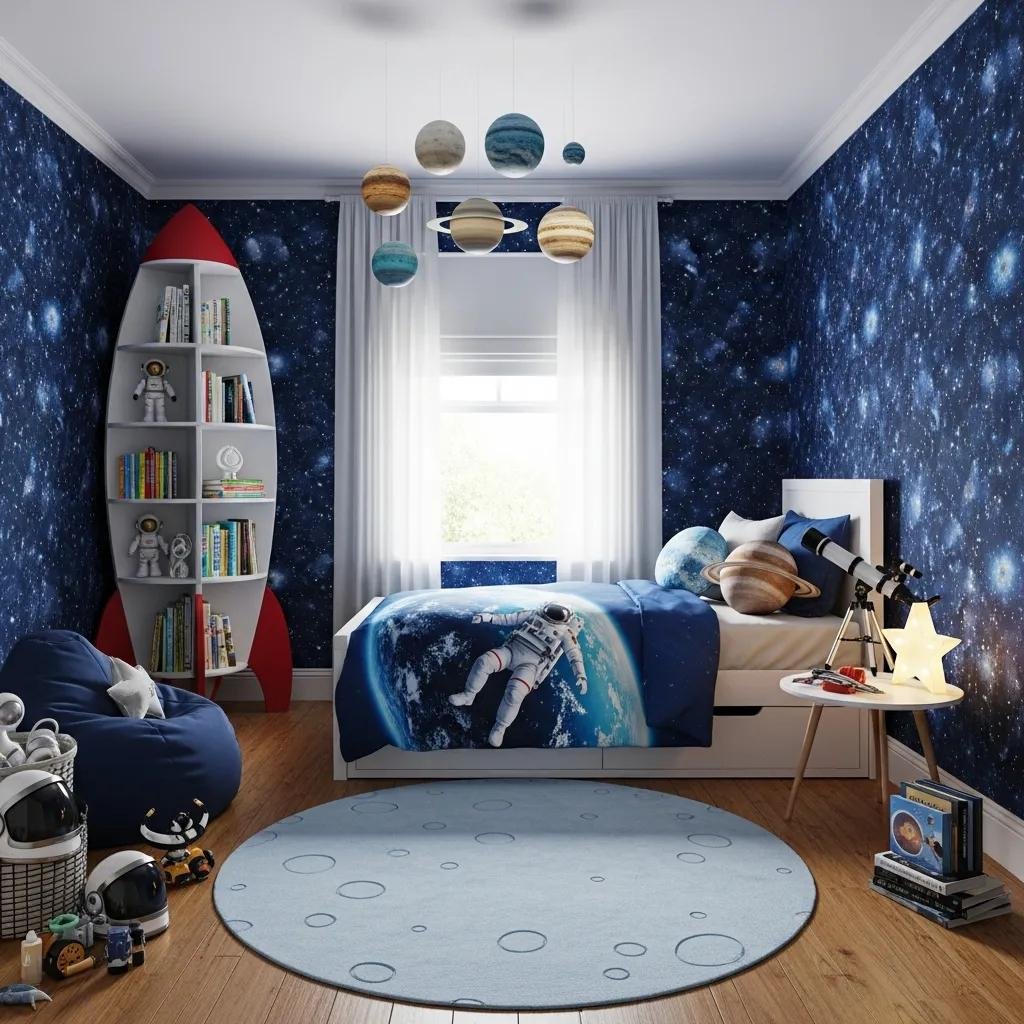
Tasteful themed rooms spark imaginative play by creating immersive yet flexible settings for role play, storytelling, and identity exploration. A luxury approach uses quality finishes, neutral base palettes, and replaceable accents—textiles, removable decals, and modular decor—so style stays sophisticated while creativity flourishes. Layer themes with easy‑to‑change elements like swap‑out art, modular furniture, and adjustable lighting so the look can evolve without a full remodel. Well‑designed themes deepen engagement but remain adaptable to protect home value.
- Fosters imaginative play: Immersive sets encourage role‑playing and storytelling.
- Enables personalization: Curated accents let kids express identity.
- Supports cohesion: A consistent theme connects zones for calm and creativity.
Summary: Start with a neutral foundation and layer high‑quality accents for play value that stays fresh and resale‑friendly.
Which luxury themes work best for children’s rooms?
Luxury‑friendly themes combine restraint with strong focal points—space, safari, nautical, and modern whimsical approaches give identity without overwhelming the home. A space theme uses muted starry wallpapers and integrated LED lighting for atmosphere; a safari room leans on natural textures and plant accents; nautical designs pair navy tones with brushed brass or matte hardware for refined detail; modern whimsical relies on sculptural furniture and tactile textiles for a boutique feel. Use quality materials and neutral bases so key themed accents can be swapped as interests change.
Intro to themed-element EAV table: This table compares themed elements by permanence, flexibility, and indicative impact.
Balance one permanent anchor with several flexible accents to keep a theme fresh and resale‑ready.
How do you add personalized, creative touches without locking the room in?
Use removable and modular personalization so a child’s preferences can shine without making the room permanent. Ideas include changeable murals, ledges for rotating art, custom name shelves, and plug‑and‑play lighting for drama. Prioritize built‑in, value‑adding upgrades—solid cabinetry and durable flooring—and layer in personal items that can change over time. Scanbuild LLC’s design team can translate themed concepts into high‑end finishes and bespoke millwork that stay tasteful and flexible. Combining reversible accents with selective, lasting upgrades preserves home value while giving the room character.
Intro to personalization elements table: The table below maps personalization options by reversibility and value contribution.
Mix reversible accents with targeted built‑ins to deliver personality plus long‑term benefit.
Frequently Asked Questions
What are the key considerations when designing a kids’ room?
Focus on safety, functionality, and adaptability. Choose non‑toxic materials, rounded edges, and slip‑resistant flooring. Design distinct zones for play, study, and rest so the room serves evolving needs. Use modular furniture and removable decor so the space can grow with the child without a full overhaul.
How can I ensure the durability of furniture in a kids’ room?
Pick durable materials—solid wood, high‑grade MDF, and robust hardware—and finishes that resist scratches and wipe clean easily, like laminate or water‑resistant coatings. Look for reinforced joints and sturdy construction. Multi‑purpose pieces reduce turnover and increase long‑term value.
What are some eco-friendly options for kids’ room design?
Choose sustainable materials such as bamboo, reclaimed wood, and low‑VOC paints. Select furniture from certified sources and natural textiles like organic cotton or linen for bedding and curtains. Energy‑efficient LED lighting reduces consumption while providing flexible illumination for play and study.
How can I create a themed room without overwhelming the space?
Start with a neutral base and introduce the theme through removable accents: decals, bedding, and accessories. Use modular furniture to keep the layout flexible so updates are easy as the child’s interests change. This keeps the room cohesive and adaptable.
What are some tips for maintaining organization in a kids’ room?
Use labeled bins and baskets to categorize toys, open shelving for everyday items, and closed storage for less used pieces. Build simple routines—like a nightly five‑minute tidy—and rotate toys regularly to keep the space manageable and engaging.
How can I incorporate technology into a kids’ room design?
Integrate smart lighting for adjustable ambiance and add discreet charging stations in furniture to keep devices organized. Educational tech—interactive whiteboards or tablets—can support learning without dominating the room. Design tech into the layout to keep the space tidy and purposeful.
Conclusion
Turning a child’s room into a refined, functional space rewards both family life and long‑term value. By choosing durable materials, smart storage, and adaptable design, you create rooms that inspire play, support routines, and endure. If you’re ready to bring a thoughtful, high‑quality design to your home, our team is here to help—from concept through build—to deliver a safe, stylish, and practical room your family will enjoy for years.
Recent Comments