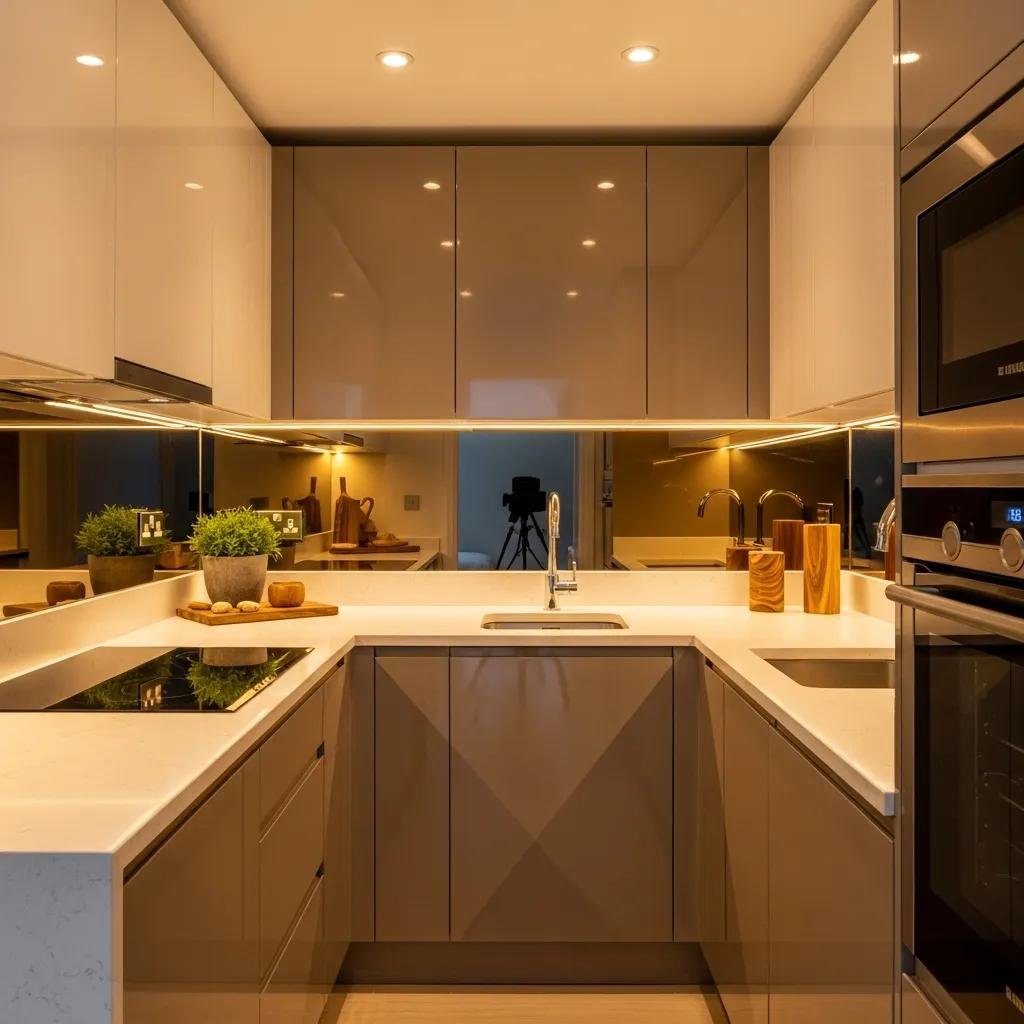
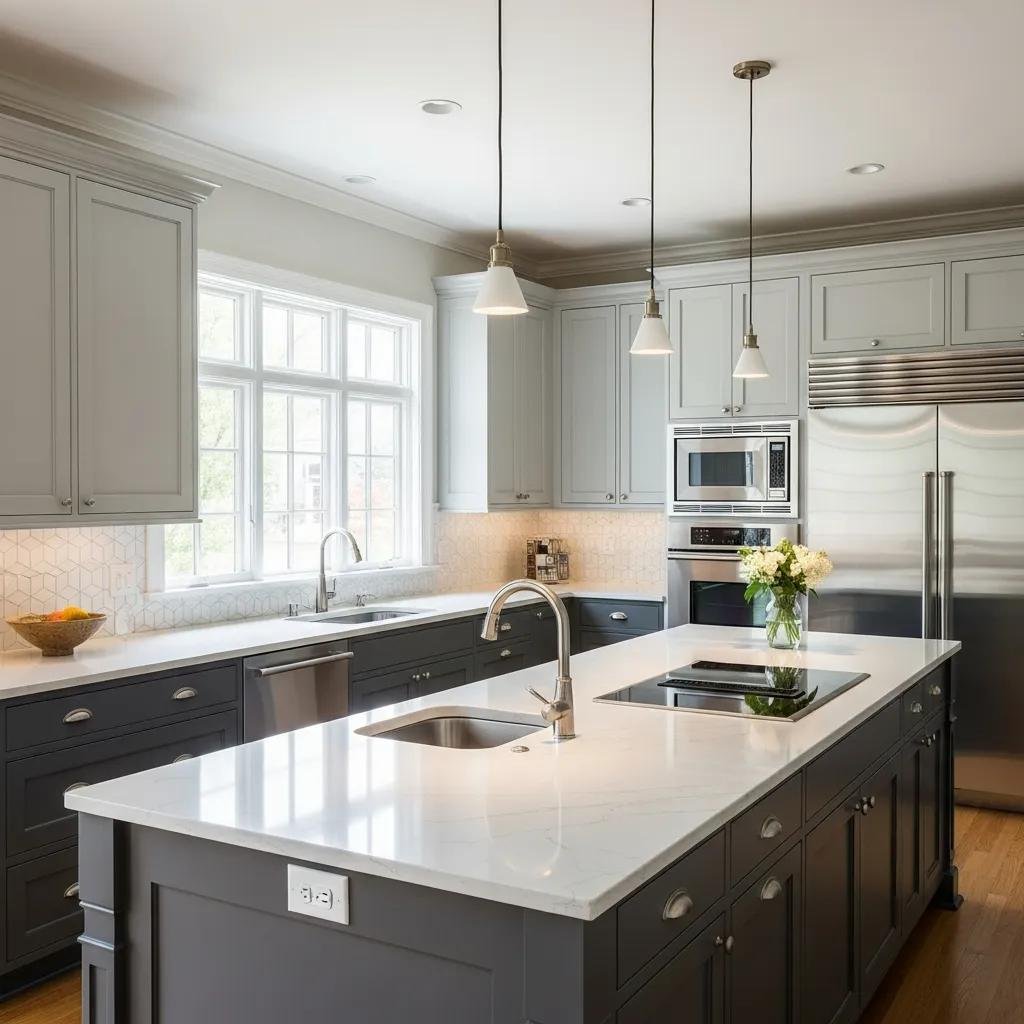
Luxury small kitchen remodel in Washington D.C. featuring quartz countertops, full-height cabinetry, and modern appliances, emphasizing compact design and efficient use of space.

Small Kitchen Remodel Specialists in Your City
Small Kitchen Remodel Specialists in Your City

Luxury small kitchen remodel in Washington D.C. featuring quartz countertops, full-height cabinetry, and modern appliances, emphasizing compact design and efficient use of space.

Small Kitchen Remodel Specialists in Washington D.C. — Compact Luxury Renovations with Practical Expertise

In Washington D.C., a small kitchen remodel is about squeezing maximum performance and a refined look into the tight footprints typical of condos and row homes. This guide walks homeowners through layouts that work, finish choices that lift perceived space, storage solutions that reclaim cubic footage, and realistic budgeting for compact, high-end projects. You’ll learn which layouts suit different D.C. property types, how luxury materials make small rooms feel larger, storage systems that improve daily life, and the local cost drivers that influence value. We also show how a design-and-build approach shortens timelines and where design choices most affect resale. Keywords such as small kitchen remodel Washington D.C., compact kitchen storage Washington D.C., and luxury small kitchen design D.C. are used naturally to help local searches and practical planning.

Luxurious Bathroom Lighting Renovations: Expert Design Tips

Successful small kitchen remodels in D.C. combine efficient layouts, light‑reflecting finishes, and multi‑purpose elements so the kitchen works harder and reads larger. Galley and L‑shaped plans tighten the work triangle and improve circulation; reflective backsplashes and integrated appliances reduce visual clutter and boost brightness. A slim peninsula or a movable island can add prep surface and storage without blocking sightlines, and layered lighting—task, ambient, and accent—gives depth and usable light where you need it most.

Top design ideas for compact D.C. kitchens:

  1. Choose a galley or one‑wall layout in narrow circulation paths to keep clear, efficient work zones.
  2. Specify full‑height cabinetry and reflective backsplash materials to visually raise the room.
  3. Add a narrow peninsula or a movable island that doubles as storage and seating.
  4. Panel‑integrate appliances to preserve continuous surfaces and minimize visual noise.
  5. Use slim, deep drawers for pots and tailored organizers for easier access.
  6. Layer lighting to define task areas and introduce perceived depth.

These tactics prioritize everyday usability and the visual cues that make compact kitchens feel roomier; next we break down which layouts best fit common D.C. property types.

Which Compact Kitchen Layouts Maximize Space and Style?
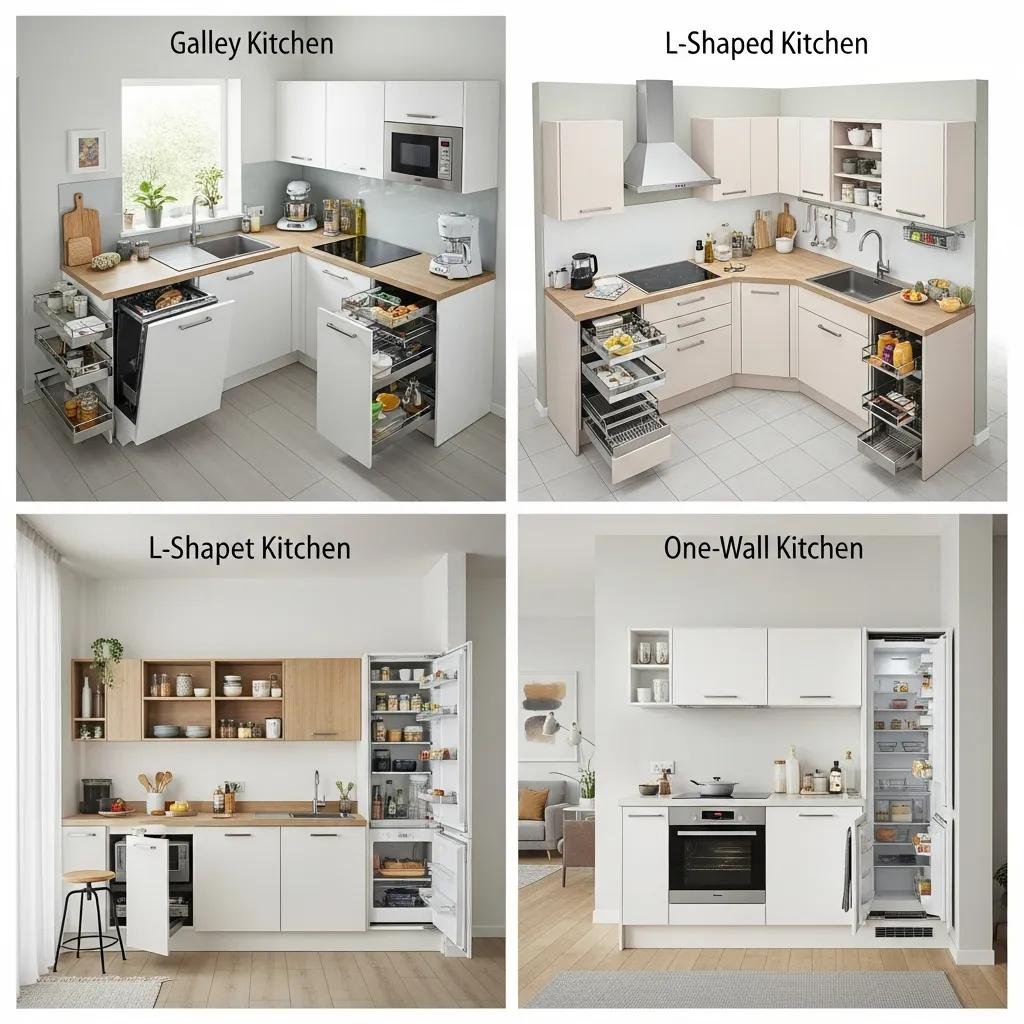
Compact kitchen layouts including galley, L-shaped, and one-wall designs showcasing efficient storage solutions and modern finishes, ideal for maximizing space in Washington D.C. homes.

Layout choice depends on property type, traffic patterns, and how you want to use the space. Galley kitchens are ideal for narrow footprints—typical in row homes—because parallel work zones minimize steps between sink and cooktop. L‑shaped plans open naturally to living areas in many condos, offering flexible seating and sightlines while preserving corner storage. One‑wall kitchens suit micro‑units when paired with tall storage walls and integrated appliances to keep sightlines clean. Whatever the plan, prioritize unobstructed circulation and place fridge, sink, and cooktop to form the shortest practical work triangle to reduce fatigue and improve efficiency.

Those layout decisions feed directly into storage choices—smart cabinetry and organizers make any compact plan perform better while keeping the look cohesive.

How Do Luxury Finishes Enhance Small Kitchen Designs?

Luxury finishes elevate a compact kitchen by adding depth, texture, and perceived space without scaling up the footprint. Quartz countertops with subtle veining, large‑format porcelain tiles, and satin‑metal hardware create a cohesive, high‑end look that reads expansive when used thoughtfully. Matte cabinet faces offset reflective glass or metallic accents to balance warmth and brightness, while integrated, panel‑ready appliances maintain uninterrupted planes that visually enlarge the room. Choosing durable, low‑maintenance materials also lowers upkeep and supports resale in the D.C. market.

A short comparison of common luxury finish choices clarifies trade‑offs before you commit.

Intro to finish comparison table: The table below compares common finish choices by durability, visual impact, maintenance, and typical cost per square foot to help prioritize selections for compact luxury kitchens.

Finish TypeDurabilityVisual ImpactTypical Cost per sq ft
Quartz CountertopsHighSubtle, refined depthMedium–High
Large-Format Porcelain TileVery HighSeamless, expansive lookMedium
High-End Ceramic/Glass BacksplashModerate–HighReflective brightnessLow–Medium

Choosing one or two high‑impact materials goes a long way in making a small kitchen feel elevated and durable; next we look at storage strategies that materially increase usable space.

After outlining these design ideas, Scanbuild LLC’s design‑and‑build process has helped homeowners combine luxury finishes and efficient layouts into cohesive small kitchen projects—reach out to discuss a tailored plan for your space.

How Can Smart Storage Solutions Transform Your Small Kitchen Remodel?

Small kitchen featuring smart storage solutions with pull-out pantry, vertical shelving, and organized drawers for efficient use of space.

Smart storage makes the most of every cubic foot by prioritizing vertical space, specialized pull‑outs, and concealed organizers that preserve a clean look. Full‑height cabinets recover unused upper volumes, toe‑kick drawers and appliance garages reclaim underused lower zones, and pull‑out pantries or narrow spice towers organize items without widening aisles. Modular inserts convert deep drawers into efficient systems for pots and plates. These strategies cut counter clutter and improve day‑to‑day usability—essential in D.C. condos and row homes where space truly matters.

Key storage strategies to consider:

  • Full‑height cabinetry with adjustable shelves to exploit vertical volume.
  • Pull‑out pantry systems and narrow vertical cabinets for tidy, easy access.
  • Deep drawers with internal organizers to replace inefficient base shelves.

These approaches perform best when paired with custom cabinetry and hardware sized to the kitchen’s scale; the table below compares common storage options by space saved, cost, and usability.

Storage SolutionSpace SavedTypical CostUsability
Pull-Out PantryHighMediumExcellent for narrow gaps
Toe-Kick DrawersMediumLow–MediumGreat for infrequently used items
Vertical Shelving/Tall CabinetsHighMedium–HighMaximizes full-wall storage

This comparison highlights which storage investments deliver the best practical returns; the next section outlines cabinetry options that make these strategies work in real homes.

Scanbuild LLC provides custom cabinetry solutions designed for compact Washington D.C. kitchens, coordinating storage systems with finishes and construction sequencing through our design‑and‑build workflow.

What Custom Cabinetry Options Optimize Space in D.C. Kitchens?

Custom cabinetry adapts storage to irregular walls, stair returns, and service runs common in D.C. homes. Options such as shallow uppers, corner carousel units, and integrated appliance panels preserve clean lines while improving access. Shallow uppers with open shelving lighten the visual field, and deep, full‑extension drawers replace inefficient base shelves for easier reach and better organization. Bi‑fold doors and appliance garages tuck away small appliances, and panel‑ready fridge fronts create a seamless, elevated look. Investing in tailored cabinetry pays off in daily convenience and perceived space quality.

These cabinetry decisions dovetail with pull‑out and vertical systems to increase storage density in tight footprints.

How Do Pull-Out Pantries and Vertical Storage Improve Functionality?

Pull‑out pantries and vertical systems turn narrow voids into highly productive storage, improving visibility and access to pantry items, spices, and cookware. A pull‑out pantry near the cooking zone cuts unnecessary steps and keeps frequently used items within reach, while tall cabinets use floor‑to‑ceiling height for seasonal or infrequently used appliances. Vertical slotted organizers and back‑of‑door racks add organization without sacrificing floor space, and retractable systems preserve aisle width in tight corridors. Combined with labeled zones, these features keep kitchens orderly over time.

These vertical strategies reduce countertop clutter and help dense plans feel organized and larger, which ties directly into cost and value considerations covered next.

What Are the Typical Costs and Value-Adding Features of Small Kitchen Remodels in Washington D.C.?

Costs for compact luxury kitchen remodels in the Washington D.C. area depend on finish level, scope, and site access. Budgeting should focus on cabinetry, labor, countertops, and permitting. High‑impact items—quartz surfaces, integrated appliances, and custom storage—tend to deliver strong resale appeal even in small footprints, while labor and specialty tiling can drive costs on constrained urban jobs. Homeowners should reserve contingency funds for unforeseen structural or mechanical work common in older D.C. buildings. The table below summarizes major cost components and their typical budget shares and resale impact.

Intro to cost comparison table: The following table breaks down common cost components and their typical allocation and resale impact to help prioritize spending.

ComponentTypical AllocationResale Impact
Labor & Installation25–35%High (quality workmanship)
Cabinetry & Storage25–30%High (functionality perceived)
Countertops & Backsplash10–15%High (durability & aesthetics)
Appliances10–15%Medium–High (integrated options score higher)
Permits & Misc.5–10%Low–Medium (necessary for compliance)

This breakdown helps homeowners decide where to invest for the best long‑term return; next is a concise budgeting framework you can use.

How to Budget for a Luxury Small Kitchen Renovation in D.C.?

A clear budget framework for a compact luxury remodel allocates roughly 25–35% to labor, 25–30% to cabinetry and storage, 10–15% to countertops and tile, 10–15% to appliances, and reserves 10–15% for contingency. Phasing—such as updating surfaces first and planning cabinetry later—can spread costs while keeping a cohesive design. Get multiple contractor scopes that address access, permits, and timeline to avoid surprises; know where to invest in durable surfaces and where to save on purely aesthetic elements to align the project with resale goals.

This budgeting approach shows which features typically deliver the strongest resale lift, discussed next.

Which Features Increase Resale Value in Compact Kitchen Remodels?

Resale value in compact D.C. kitchens comes from durability, perceived space, and modern efficiency. Integrated, panel‑ready appliances; quartz or large‑format porcelain surfaces; and custom storage that expands usable square footage all appeal to urban buyers. Energy‑efficient compact appliances and high‑quality finishes signal low maintenance, while thoughtful lighting, durable flooring (like luxury vinyl that reads upscale), and clear sightlines to living areas improve buyer perception and can shorten time on market.

Key resale‑boosting features include:

  • Integrated appliances and efficient layouts that maximize usable space.
  • Durable quartz or porcelain surfaces that require low maintenance.
  • Custom storage systems that increase functional square footage.

These value‑adding choices guide spending and shape the design‑build sequence outlined below.

Why Choose Scanbuild LLC as Your Small Kitchen Remodel Specialist in Washington D.C.?

Scanbuild LLC is a luxury design‑and‑build firm serving the Washington D.C. metro area, focused on high‑end kitchen and bath remodels, precision tiling, and premium vinyl flooring. As a single‑source provider we coordinate design, material selection, permitting, and construction to keep communication tight and schedules predictable. Our value lies in thoughtful design, skilled craftsmanship, and a service model that aligns finishes, storage systems, and construction sequencing so design intent survives the build in compact spaces. If you want a coordinated partner experienced with high‑end tiling, custom cabinetry integration, and luxury finishes, our approach simplifies decisions and execution.

Scanbuild’s design‑build process typically follows these client‑focused steps:

  1. Initial consultation and site assessment to define goals and constraints.
  2. Design iterations and material selection to balance aesthetics and function.
  3. Construction scheduling, permit coordination, and single‑point project management.
  4. Final walkthrough and handover to ensure quality and client satisfaction.

Clients often highlight the benefit of a single point of contact and coordinated teams—fewer delays, clearer expectations, and finishes installed as intended. If you’re planning a small kitchen remodel in Washington D.C., partnering with a design‑and‑build specialist helps align budget, schedule, and luxury finishes within a compact footprint.

Frequently Asked Questions

What are the key considerations when planning a small kitchen remodel in Washington D.C.?

Start by measuring the space and studying traffic patterns—layout, storage, and material choices are the foundations of a successful remodel. Factor in the home’s overall style and local permitting or code requirements. Finally, plan for high‑quality materials and skilled labor: these choices affect daily use and long‑term resale.

How can I ensure my small kitchen remodel stays within budget?

Set a realistic budget up front including materials, labor, permits, and a contingency. Prioritize investments that improve function and resale—cabinetry and countertops—and consider phasing work to spread cost. Get multiple detailed quotes and clarify access and timeline to avoid surprise expenses.

What are some eco-friendly options for small kitchen remodels?

Choose sustainable materials, energy‑efficient appliances, and low‑VOC finishes. Recycled or responsibly sourced countertop and cabinet materials, LED lighting, and efficient appliances reduce environmental impact and operating costs. Durable choices that require less maintenance also support sustainability over time.

How can I make my small kitchen feel larger without expanding the space?

Use light or coordinated color palettes, reflective surfaces like glass backsplashes, and open shelving to create airiness. Keep sightlines clear with integrated appliances and compact multi‑use furniture. Well‑planned lighting and clutter‑reducing storage make the room feel more spacious.

What are the benefits of hiring a design-and-build firm for my kitchen remodel?

A design‑and‑build firm delivers a cohesive vision from initial concept through construction, reducing miscommunication between designer and contractor. With a single point of contact you’ll see streamlined decisions, coordinated schedules, and typically faster, more predictable outcomes. Established supplier relationships can also provide access to better pricing and materials.

What trends are currently popular in small kitchen designs?

Popular trends include integrated appliances for seamless looks, smart kitchen tech for added functionality, and natural materials such as wood and stone for warmth. Bold accents, creative use of color, and inventive storage—pull‑outs and vertical shelving—remain essential for maximizing small footprints.

Conclusion

Turning a small kitchen in Washington D.C. into a luxurious, functional space is entirely achievable with focused design choices. Prioritize efficient layouts, smart storage, and select high‑impact finishes to maximize usability and appeal. Working with a design‑and‑build partner like Scanbuild LLC helps keep budget, timeline, and quality aligned. Ready to start? Contact us today to discuss your project.
Luxurious kitchen remodel featuring engineered quartz countertops, modern cabinetry, and pendant lighting, emphasizing affordable luxury design for home renovations in Washington, D.C.

Affordable Home Remodeling Options in Your City

Affordable Home Remodeling Options in Your City

Luxurious kitchen remodel featuring engineered quartz countertops, modern cabinetry, and pendant lighting, emphasizing affordable luxury design for home renovations in Washington, D.C.

Affordable Luxury Home Remodeling in Washington, D.C.: Smart Investments and Value-Driven Solutions

Many D.C.-area homeowners want a high-end look without an oversized budget. “Affordable luxury” is about creating a premium feel through smarter design, material choices, and tight execution—not unchecked spending. This guide shows how cost-effective remodels work in the Washington, D.C. market, where permitting timelines, resale expectations, and local material costs influence decisions. You’ll find practical strategies for kitchens, bathrooms, flooring, and tile; learn how to prioritize upgrades for the best return on investment (ROI); and get checklists, comparison tables, and straightforward steps to plan projects within realistic D.C. cost ranges. Throughout, we call out regional considerations—DMV permitting, neighborhood buyer preferences—and keep the focus on durable, attractive, resale-friendly solutions for affordable remodeling in Washington, D.C.

What Affordable Luxury Means for D.C. Home Remodeling

Affordable luxury delivers a refined, long-lasting result by combining selective material upgrades, intentional design, and efficient delivery—not simply expanding scope. The practical tool is value engineering: spend where people notice first (countertops, cabinet faces, tile patterns) and use cost-effective substitutes where performance is comparable. The outcome is a home that reads as high-end to occupants and buyers while controlling upfront and lifecycle costs. Local factors—permit timing, labor rates, and resale expectations—guide where to invest for the strongest ROI in Washington, D.C. Below are core principles homeowners can apply when planning a budget-minded luxury remodel.

  • Prioritize high-visibility surfaces: allocate budget to countertops, cabinet fronts, and hardware to lift perceived quality immediately.
  • Choose durable, low-maintenance materials: pick finishes that balance appearance with lifecycle cost for urban buyers.
  • Use a design-build approach: consolidate design and construction oversight to reduce change orders and schedule risk.

How Scanbuild LLC Blends High-End Design with Cost Control

At Scanbuild LLC, we use a design-build workflow and value-engineering to deliver luxury results within budget. A single-provider project team reduces scope drift and simplifies vendor coordination. Our regional experience across the Washington, D.C. metro—serving Maryland and Virginia suburbs—lets us anticipate permitting hurdles and buyer preferences that affect ROI. Practically, we build early budgets, set prioritized finish schedules, and leverage vendor relationships for efficient high-end tiling, LVT, and custom cabinetry. The integrated process gives homeowners consistent craftsmanship without excessive contractor handoffs. If you’re ready to talk goals, we offer consultations through our business channels to review design-build options and project feasibility. By focusing scope on high-impact elements, projects achieve a luxury look while staying cost-effective.

Smart Material Choices That Read Like Luxury—Without the Price Tag

Samples of engineered quartz, luxury vinyl tile, and porcelain tiles arranged in a chevron pattern, showcasing various colors and textures for home remodeling options.

The right materials give a premium appearance without runaway costs. Engineered quartz offers stone-like visuals with lower upkeep and stable pricing. Luxury vinyl tile (LVT) convincingly mimics wood or stone while adding water resistance and durability for busy D.C. homes. Large-format porcelain with rectified edges creates seamless floors and walls at a fraction of natural stone’s cost. Small touches—better hardware or layered paint techniques on cabinet doors—can raise perceived value affordably. Compared with structural changes, these substitutions deliver immediate visual impact and better lifecycle value for homeowners focused on ROI.

How to Get a Cost-Effective Luxury Kitchen Remodel in Washington, D.C.

A cost-effective luxury kitchen remodel pairs smart layout decisions, high-impact cosmetic upgrades, and selective material investments to boost both daily use and resale value. Confirm the functional layout and permitting needs first, then direct budget to visible elements—cabinet faces, countertops, backsplash, lighting, and appliance finishes—that shape perception. Use the checklist below to focus limited funds on the highest-return items.

  1. Confirm layout and workflow: preserve or improve the work triangle before cosmetic work begins.
  2. Reface or selectively replace cabinetry: swapping door fronts and hardware gives a major style lift at a lower cost.
  3. Choose engineered quartz countertops: they’re durable, attractive, and more predictable in price than natural stone.
  4. Invest in layered lighting and refined hardware: these details convey quality without structural expense.

This prioritized approach supports a disciplined budget. The table below compares common upgrade paths so you can weigh cost, perceived luxury, and maintenance trade-offs.

Upgrade OptionTypical Cost Range (D.C. 2024–2025)Perceived Luxury / ROI
Cabinet refacing or door replacement$2,000–$8,000High visual impact, strong ROI
Full cabinet replacement (midrange)$8,000–$20,000High impact, moderate ROI if layout unchanged
Engineered quartz countertops$2,500–$6,000High durability, high perceived value
Appliance tier (mid to premium)$1,500–$8,000Visibility-dependent, good ROI if cohesive

Budget-Friendly Upgrades That Read Like High-End

Small, visible changes often deliver the biggest perception shift. Refacing cabinets or replacing doors while keeping the existing casework refreshes the room at a fraction of replacement cost. Engineered quartz gives the look of stone with simpler upkeep. Upgrading layered lighting—task, accent, and under-cabinet—plus coordinated hardware and a statement backsplash adds depth and polish. Choosing energy-efficient appliances in a unified finish improves performance and curb appeal without reworking plumbing or layout, preserving both everyday enjoyment and resale attractiveness.

Planning Your Kitchen Remodel for Maximum ROI

Start with a clear scope, a realistic budget, and a timeline that accounts for local permitting and market timing in Washington, D.C. Define must-haves versus nice-to-haves, sequence work to minimize downtime, and consult regional Cost vs. Value data to prioritize buyer-valued features—durable surfaces and updated cabinetry consistently score highly. Build a contingency into your budget and file permits early to avoid schedule-driven cost increases. Disciplined planning reduces surprises and helps ensure the finished kitchen returns both daily utility and market value.

Value-Driven, High-End Bathroom Renovation Options for the DMV

Value-driven bathroom remodels focus on durable finishes, efficient layouts, and spa-like details that read as premium without large structural changes. The strategy centers on sensory impact—tile scale, lighting, water delivery, and clean lines—while avoiding costly moves unless they unlock meaningful function. Investing in large-format tile, quality fixtures, and well-designed lighting typically delivers high perceived luxury per dollar. Below are practical strategies and a comparison table to help prioritize fixtures and finishes for durable, attractive bathrooms in the DMV.

  • Quality tile and efficient layouts: large-format tiles and minimal grout lines make spaces feel larger and cleaner.
  • Prefabricated premium components: luxury-looking modular shower bases or vanities reduce custom labor costs.
  • Targeted fixture upgrades: thermostatic valves, rainfall heads, and midrange branded faucets create a spa feel for modest spend.

Compare common bathroom fixtures and finishes to decide where to invest for durability and luxury:

Fixture/FinishTypical Cost Range (D.C. 2024–2025)Durability / Luxury Score
Large-format porcelain tile (floor/wall)$6–$18/sqft installedHigh durability, high luxury
Midrange vanities with quartz top$800–$3,000Good visual impact, moderate cost
Thermostatic shower system$300–$1,200High perceived luxury, reliable function

How to Create a Spa-Like Bathroom Without Overspending

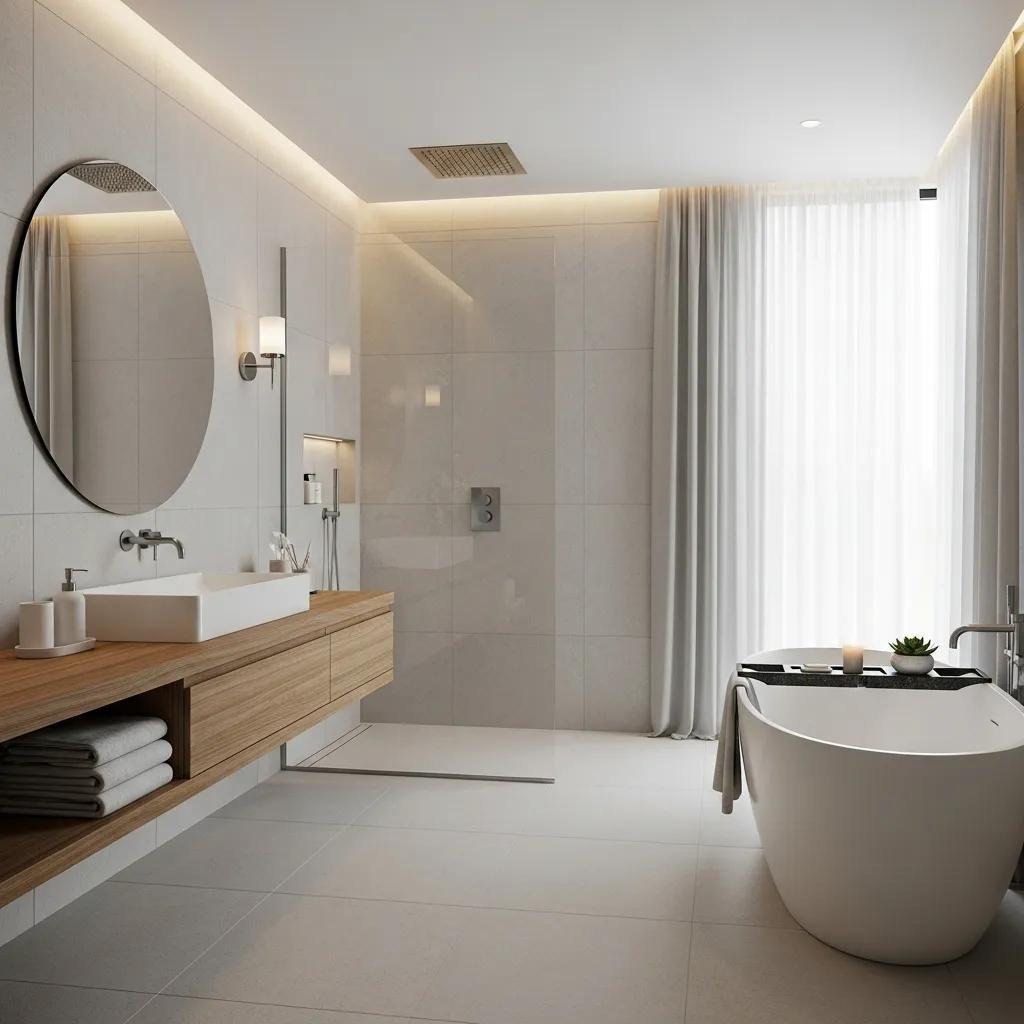
Spa-like bathroom with large-format tiles, minimalist wooden vanity, round mirror, rainfall showerhead, and freestanding tub, emphasizing luxury and tranquility.

A spa-like bathroom comes from texture, lighting, and water experience more than expensive finishes. Use a neutral palette, large-format tile, and tight grout lines for a calm, continuous look that reads upscale. Add plumbing upgrades like a thermostatic valve and a rainfall head to emulate luxury systems affordably. Layered lighting—recessed, task, and accent—improves both function and perceived quality. Small comfort items such as heated towel rails or underfloor-capable substrates create a premium feel with targeted spend. These choices deliver a relaxing, high-end atmosphere while keeping costs under control.

Which Bathroom Fixtures and Finishes Give the Best Value?

Midrange, well-reviewed fixtures typically hit the sweet spot of cost, reliability, and style for DMV remodels. Branded midtier faucets and shower systems offer refined finishes and warranty support without the premium markup. Porcelain and glazed ceramic tiles mimic natural stone’s look with easier care and lower price. Simple-profile vanities with upgraded hardware create visible refinement buyers notice. Prioritizing these visible elements while saving on hidden systems usually delivers the strongest perceived value per dollar.

Why Luxury Flooring and Tile Are Smart Investments in Washington, D.C.

High-quality flooring and tile give durable surfaces, low maintenance, and strong resale appeal—key advantages in the Washington, D.C. market where buyers expect thoughtful finishes. The main benefits are durability, easy upkeep, and the ability to unify a home visually with coherent materials that signal care and modern design. Cost-effective material choices—LVT in wet or high-traffic areas and porcelain in entryways—deliver a luxury look with favorable lifecycle costs. The compact comparison below helps guide material selection for D.C. remodels.

  • Durability and low maintenance: fewer repairs and easier care in urban homes.
  • Resale appeal: consistent finishes across living spaces raise perceived overall quality.
  • Versatility: modern materials reproduce premium looks while offering water resistance and stability.

Material comparison for D.C. 2024–2025 remodels:

Material TypeTypical Cost Range (D.C. 2024–2025)Pros / Cons
Luxury Vinyl Tile (LVT/LVP)$3–$8/sqft material; $6–$12 installedPros: water-resistant, affordable; Cons: lower resale lift than hardwood
Porcelain tile$5–$20/sqft material; $10–$25 installedPros: durable, high-end look; Cons: higher install costs for complex layouts
Engineered hardwood$6–$15/sqft material; $10–$20 installedPros: warm aesthetic, good resale; Cons: variable water resistance

Durable, Affordable Luxury Vinyl Flooring Options

Luxury vinyl (LVT/LVP) gives a water-resistant, realistic wood or stone appearance at a lower installed cost than many natural materials—ideal for urban kitchens, mudrooms, and basements. Compare wear-layer thickness, core type (rigid core vs. flexible), and finish texture; thicker wear layers and rigid cores last longer in high-traffic D.C. homes. Installation method—click-lock floating or glued—affects repairability and moisture performance. Proper underlayment and routine maintenance will extend the product’s life and keep the premium look without the vulnerability of true hardwood in moisture-prone areas.

Selecting High-End Tile Without the High Labor Bill

Choose tile strategies that boost perceived luxury while controlling labor costs: large-format porcelain, rectified edges, and limited, restrained patterns. Larger tiles reduce grout lines for a seamless look but require a flat substrate to avoid lippage; rectified edges allow tighter joints for a continuous surface. If you want natural stone, reserve it for accents or focal points and use porcelain that convincingly emulates stone elsewhere. Simplify layout patterns to cut complex cuts and labor—thoughtful sizing and placement often deliver more perceived luxury than premium material alone.

Frequently Asked Questions

What are the key benefits of affordable luxury home remodeling?

Affordable luxury remodels increase aesthetic appeal, improve functionality, and raise property value—without overspending. By focusing on high-impact design elements and cost-effective materials, homeowners achieve a premium look that still attracts buyers. These projects emphasize durability and low maintenance, so upgrades stay attractive over time. In short: you get a refined living space and a smart financial investment.

How can I determine the best ROI for my remodeling project?

Start by researching local market trends and buyer preferences in Washington, D.C. Focus on projects that traditionally yield strong returns—kitchens and bathrooms top the list. Use resources like the Cost vs. Value report to compare upgrade costs against expected resale value, and prioritize visible, functional improvements that improve daily life and marketability. Consulting local agents or appraisers can sharpen your investment priorities.

What are some common mistakes to avoid during a luxury remodel?

Common pitfalls include overspending on low-impact features, underestimating permitting and timing, and neglecting layout and workflow. Skipping realistic budgeting or contingency is another frequent source of delays and extra cost. The best defense: plan clearly, prioritize high-impact areas, and sequence work to minimize surprises.

How can I ensure my remodel aligns with local buyer preferences?

Research the local market—talk to real estate agents, review recent sales, and visit nearby open houses to see what buyers expect. Prioritize modern finishes, energy-efficient appliances, and functional layouts that match neighborhood norms. When in doubt, choose durable, neutral materials that appeal to a wide range of buyers.

What financing options are available for home remodeling projects?

Common options include home equity loans, personal loans, and cash-out refinancing. Home equity loans often offer lower rates because they use your home as collateral. Personal loans are quicker but may carry higher interest. Cash-out refinancing replaces your existing mortgage with a larger one to free up renovation funds. Compare terms, rates, and repayment timelines to find the best fit for your situation.

How can I maintain the value of my remodeled home over time?

Keep up with regular maintenance and timely updates. Address leaks, cracks, and worn finishes promptly. Routine cleaning and care of high-impact areas—kitchens and bathrooms—will preserve appeal. Periodic refreshes aligned with evolving design trends help too. Proactive upkeep ensures your investment continues to deliver value.

Conclusion

Affordable luxury remodeling in Washington, D.C. lets homeowners achieve a high-end look while maximizing value and function. By focusing on strategic upgrades, durable materials, and design-forward decisions, you can create spaces that serve your lifestyle and attract future buyers. Use value engineering to guide choices, prioritize visible, high-impact elements, and plan with local permitting and market timing in mind. Ready to plan your renovation? Explore our resources and services to get started.

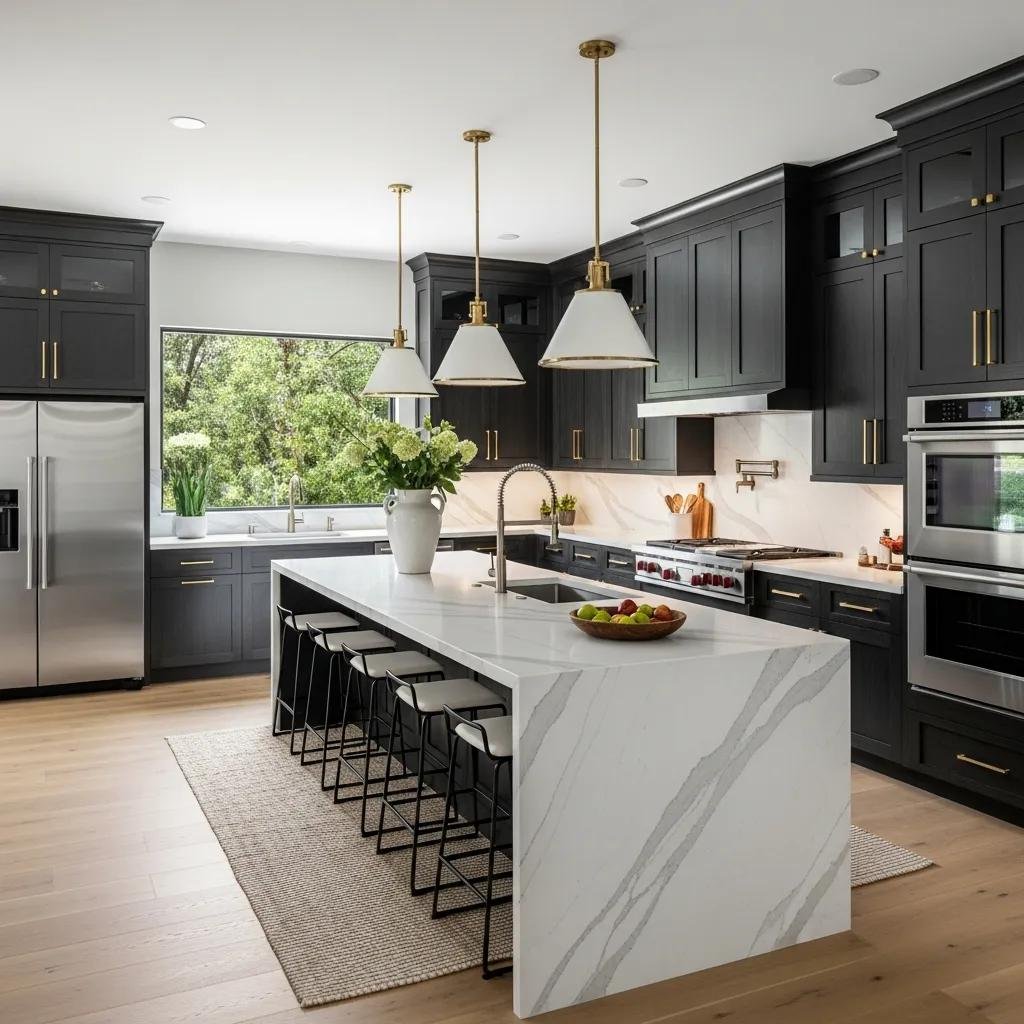
Luxury kitchen interior featuring high-end finishes, custom cabinetry, and a large white marble island with seating, complemented by modern pendant lighting and a view of greenery outside.

Downtown Your City Home Remodeling Experts

Downtown Your City Home Remodeling Experts

Luxury kitchen interior featuring high-end finishes, custom cabinetry, and a large white marble island with seating, complemented by modern pendant lighting and a view of greenery outside.

Washington D.C. Luxury Home Remodeling — Elevating Downtown Living

Downtown Washington D.C. homeowners face design challenges that require thoughtful space planning, respect for historic context, and an eye for high-end finishes. This piece walks you through how luxury home remodeling across the D.C. metro transforms urban residences using integrated design-build services, modern materials, and attention to resale value. You’ll learn which services define a luxury remodel, how we adapt projects to neighborhood constraints, realistic cost and ROI expectations for kitchens and baths, and why an integrated design-build partner matters. We also cover step-by-step processes for kitchens and bathrooms, tile versus luxury vinyl tile (LVT) comparisons, neighborhood strategies for areas like Georgetown and Bethesda, and practical upgrades that boost home value. Keywords such as Washington D.C. luxury kitchen design ideas, High-end bathroom contractors DC, and Luxury home design-build Washington D.C. are woven naturally so homeowners and decision-makers can find relevant guidance. Next, we catalog the core services that define luxury remodeling in the city and explain how each adds measurable value.

What Services Define Our Luxury Home Remodeling in Washington D.C.?

Luxury remodeling in D.C. blends refined design, precise technical execution, and proactive project management to create durable, beautiful interiors. Our work pairs premium materials with skilled trades inside a design-build workflow that streamlines approvals and reduces friction. Below is a clear, scannable list of the core services we deliver and why homeowners choose them.

  • Luxury kitchen remodeling: complete layout redesigns, custom cabinetry, premium counters, and integrated appliances tailored for entertaining and resale value.
  • Bathroom remodeling: spa-inspired fixtures, premium tile work, and efficient plans that maximize comfort in compact urban footprints.
  • High-end tiling and LVT installation: resilient, design-forward flooring and wall systems that balance visual impact with low maintenance.
  • Design-build services: a single provider from concept sketches through construction, simplifying permitting and on-site coordination.

Each service aligns directly with homeowner goals—better livability, elevated aesthetics, and stronger market performance—and prepares the ground for the project comparisons that follow.

For a quick comparison of scope and homeowner benefit, review the table below.

These summarized services help homeowners quickly scan options and prioritize where to invest.

ServiceTypical ScopeValue to Homeowner
Luxury kitchen remodelingLayout redesign, custom cabinetry, premium counters, appliance integrationImproved functionality, entertaining-ready spaces, strong resale appeal
Bathroom remodelingFixture upgrades, tile systems, heated floors, custom vanitiesDaily comfort, spa-like experience, modern efficiency
High-end tilingWall and floor tile installation, intricate patterns, wet-area systemsDurable surfaces, visual focal points, lasting aesthetics
Luxury vinyl tile (LVT)Waterproof planks, realistic finishes, durable wear layersCost-effective luxury look, low maintenance, moisture resistance

This table clarifies how each service supports comfort, style, and resale potential. The next section zooms into kitchen approaches that commonly define high-end remodels across the D.C. metro.

How Do We Approach High-End Kitchen Renovations in D.C.?

A high-end kitchen remodel starts with one clear question: how will you use the space—entertaining, daily family life, or resale? That goal drives material selections and sequencing. Our process follows predictable phases: site assessment, schematic design, material selection (cabinetry, quartz or marble counters), permitting, and phased construction that minimizes disruption. Premium finishes and integrated smart appliances become functional focal points; careful attention to ventilation and layered lighting ensures long-term comfort and performance. Current trends we see locally include two-tone cabinetry, statement islands, and concealed appliance panels that marry form and function. In D.C., thorough permitting and proactive project management are essential to keep timelines and budgets on track. Understanding this sequence helps homeowners evaluate bids and make informed choices—leading naturally into bathroom and flooring considerations.

What Are Our Expertise Areas in Bathroom Remodeling and Luxury Vinyl Flooring?

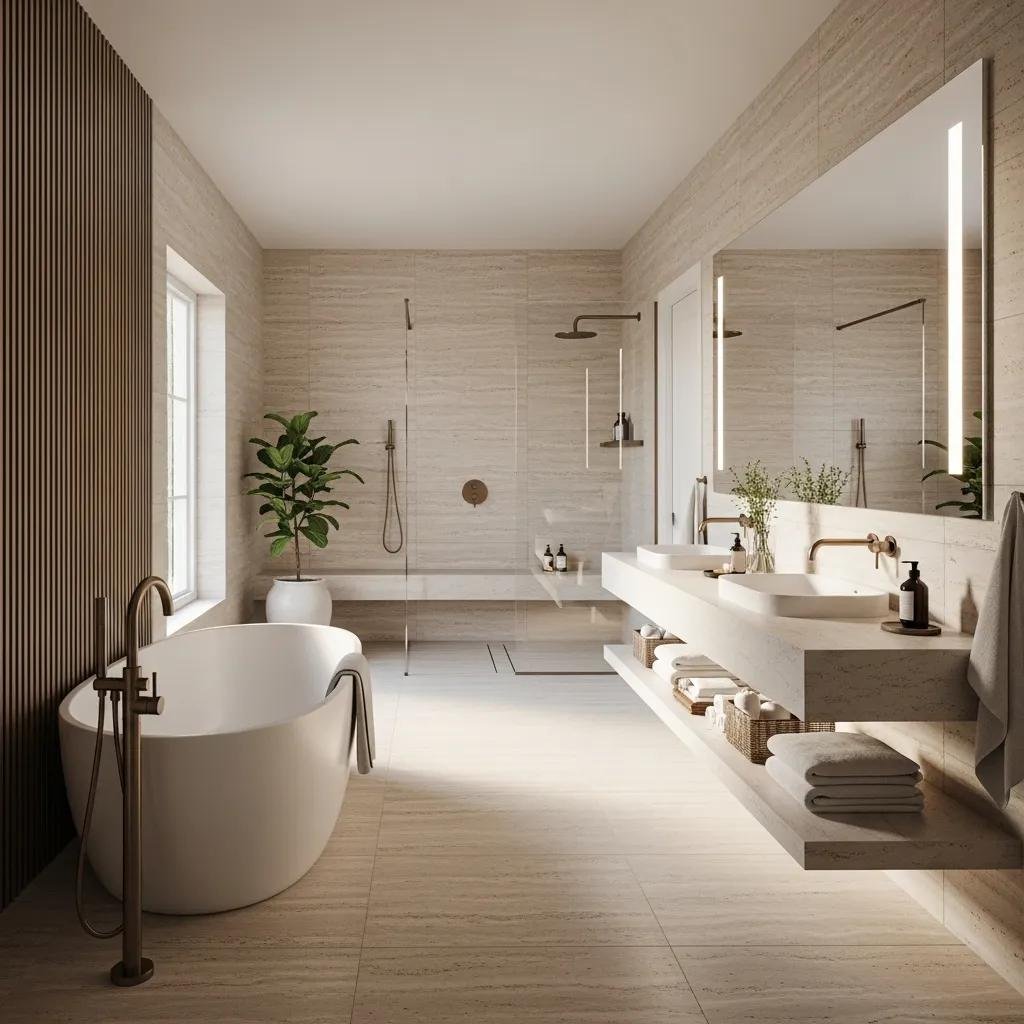
Luxury bathroom featuring spa-inspired design with freestanding tub, premium tile, dual sinks, and modern fixtures, emphasizing elegance and functionality.

Luxury bathroom work emphasizes spa-inspired layouts, premium tile installations, and water-efficient fixtures that make the most of limited space. High-end tile delivers tactile depth and long-term durability, while LVT offers a resilient alternative that convincingly mimics wood or stone and performs well in moisture-prone rooms. When comparing tile to LVT, weigh the tactile luxury and longevity of tile against LVT’s warmth, lower cost, and faster installation—both are appropriate for high-end projects depending on room use and homeowner priorities. We partner with trusted suppliers like Mosaic Tile Co. for curated tile packages and quality control. These material choices support daily enjoyment and simplify maintenance, setting up the neighborhood-specific design adjustments described next.

How Do We Customize Remodeling Projects for Downtown Washington D.C. Homes?

Customization starts with a full site assessment to identify structural constraints, historic fabric, and natural light patterns. From there we translate those observations into bespoke design moves that respect neighborhood character. Constraints—rowhome widths, condo ceiling heights, or historic-district guidelines—become opportunities for built-in storage, light wells, or sympathetic trim profiles, delivering upgrades that feel native to the location. The neighborhood mapping table below links common downtown areas to practical design considerations and proven solutions.

Neighborhood-focused analysis helps homeowners choose design moves that honor context while modernizing interiors for comfort and resale value.

NeighborhoodTypical Design ConsiderationsExample Solutions
GeorgetownHistoric facades, narrow lotsCustom millwork, slim-profile appliances, period-appropriate trim
BethesdaSuburban-luxury expectationsOpen-plan kitchen expansions, integrated outdoor transitions
AlexandriaRowhome scale, mixed modern/classic tastesPocket doors, stacked storage, tailored lighting plans
Friendship Heights / PotomacHigh-end finishes, larger footprintsStatement islands, dedicated pantry spaces, LVT for flow

This mapping gives practical options for common downtown contexts and helps weigh preservation against modernization. Scanbuild Experts bring neighborhood experience across Washington D.C., Maryland, and Virginia—including Rockville, Bethesda, Potomac, Vienna, McLean, Alexandria, Georgetown, and Friendship Heights—and use a design-build process to tailor solutions for each location.

The next section explains how sustainable and smart features integrate into these customized plans.

Which Neighborhood-Specific Design Trends Influence Our Renovations?

Neighborhoods favor different balances of modern and historic details, and successful remodels choose details that feel authentic to place while adding contemporary comfort. In rowhome neighborhoods we prioritize storage and natural light; in larger suburban-influenced areas we emphasize open-plan entertaining and seamless indoor-outdoor flow. Material palettes shift by context—Georgetown often calls for classic stone and restrained finishes, while Bethesda projects may lean toward statement lighting and glossy cabinetry. Designers convert these patterns into precise choices—trim profiles, door styles, and floor materials—that preserve context and heighten appeal. Recognizing local taste patterns helps homeowners invest in upgrades that deliver both emotional satisfaction and stronger resale results, which leads into sustainability and smart-home integration.

How Do We Incorporate Sustainable and Smart Features in Luxury Remodels?

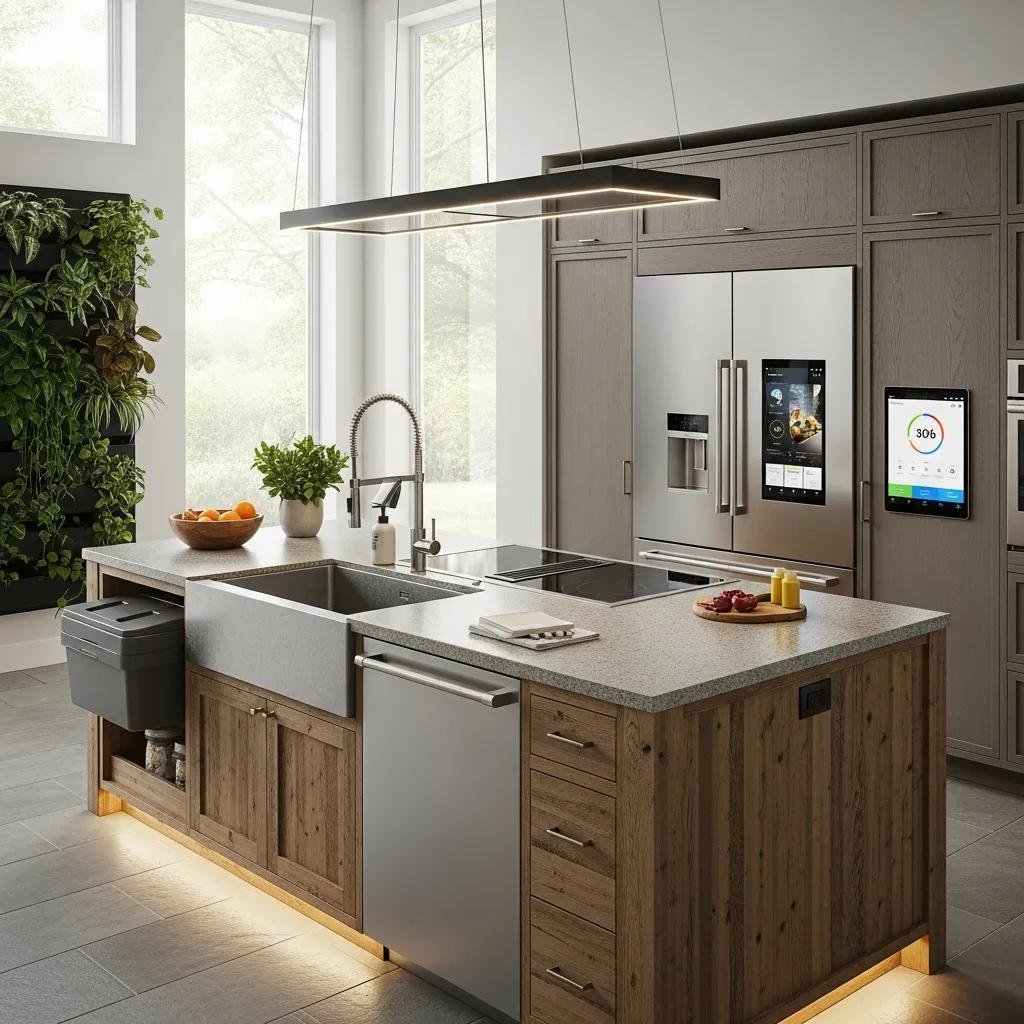
Luxury kitchen featuring sustainable materials, smart home technology, large windows for natural light, and an open layout with modern appliances.

Sustainable choices lower operating costs and improve comfort by pairing low‑VOC materials, energy‑efficient appliances, and water‑saving fixtures in kitchens and baths. Smart integrations—networked thermostats, integrated lighting scenes, and connected appliances—add daily convenience and are specified to blend with luxury finishes. The logic is simple: sustainable materials and systems raise long‑term value while smart features enhance livability and energy management. Practical examples include Energy Star appliances, LED lighting with scene controls, and durable LVT in moisture-prone areas to reduce future maintenance. These measures support ROI goals and homeowner comfort and feed directly into budget planning.

What Should You Know About Costs and ROI for Luxury Remodeling in Washington D.C.?

Knowing typical cost ranges and likely ROI helps homeowners choose upgrades that balance lifestyle gains with resale performance. Investments vary by scope and finish level, but concise ranges clarify expectations: kitchens and bathrooms carry the highest per‑square‑foot costs because of custom cabinetry, premium counters, and skilled trades. The table below gives D.C.‑specific ranges and ROI notes to guide your decisions.

Being transparent about costs helps homeowners set realistic scopes and contingencies before design decisions are finalized.

Project TypeTypical Investment Range (D.C.)Expected ROI/Notes
Kitchen remodel (high-end)$80,000 – $200,000Strong resale impact when layout and finishes match local market expectations
Bathroom remodel (luxury)$30,000 – $75,000Spa upgrades increase buyer appeal in urban condos and rowhomes
Flooring (tile/LVT)$8,000 – $30,000Durable surfaces raise perceived quality and lower long-term maintenance

These ranges reflect drivers like custom millwork, premium materials, and permitting complexity, and they help homeowners plan sensible contingencies. The next section explains how to interpret these ranges for budgeting and what causes cost variation.

What Are Typical Investment Ranges for Kitchen and Bathroom Remodels?

Budgets hinge on layout changes, custom elements, and finish choices; moving walls or re‑routing plumbing raises costs significantly. High‑end downtown kitchens typically fall between $80,000 and $200,000 because of custom millwork, luxury countertops, and integrated appliances, while upscale bathrooms commonly range from $30,000 to $75,000 due to tile work and specialty fixtures. Labor, permitting, and specialty trades (tilers, cabinet installers) are primary cost drivers. We recommend contingency reserves of 10–15% for older homes with unknown conditions. Clear budgeting lets homeowners prioritize the highest‑ROI elements, which the next section outlines.

How Can Strategic Upgrades Maximize Your Home’s Value?

Strategic upgrades focus on layout optimization, durable premium finishes, and systems buyers value—these deliver the strongest ROI for luxury remodels. High‑impact moves include open kitchen plans, quality countertops (quartz or natural stone), efficient mechanical systems, and cleverly integrated storage. Choosing reliable appliances with upscale finishes balances cost with perceived value; premium cabinetry and layered lighting raise appeal for discerning buyers. Prioritizing upgrades by resale goals and budget produces the biggest impact per dollar and naturally points to choosing the right design-build partner.

Why Choose Scanbuild LLC as Your Downtown Washington D.C. Remodeling Experts?

Working with a specialized design-build partner simplifies luxury remodels by centralizing design, permitting, and construction under a single accountable team. Scanbuild LLC, operating as Scanbuild Experts, specializes in luxury home renovations throughout the Washington D.C., Maryland, and Virginia metro area. We provide services including luxury kitchen and bathroom remodeling, high-end tiling, LVT, closet and laundry upgrades, and full design‑build delivery from initial sketches through final construction. Our work is rooted in thoughtful design, reliable craftsmanship, and attentive service; we also partner with suppliers like Mosaic Tile Co. and Marketania to secure curated materials and finishes. If you want a streamlined path from concept to move‑in, schedule a consultation to clarify scope, budget, and timeline.

Three differentiators summarize how an integrated partner adds measurable value:

  1. A single-provider design-build workflow reduces delays and trade conflicts.
  2. Established partner relationships (for example, Mosaic Tile Co.) give access to curated materials and priority sourcing.
  3. Consistent craftsmanship and attentive service produce dependable finish quality.

These points show how Scanbuild LLC aligns with homeowner priorities and serve as a practical prompt to request a consultation for projects aiming for high-end results.

Frequently Asked Questions

What are the benefits of working with a design-build firm for luxury remodeling?

Working with a design-build firm like Scanbuild LLC keeps design and construction under one roof, reducing miscommunication and schedule conflicts. You get a single point of accountability, clearer timelines, and easier budget control. That cohesion produces a finished home that reflects your vision while meeting local codes and permitting requirements.

How can I ensure my luxury remodel aligns with my neighborhood’s character?

Start with a thorough site assessment that considers architectural style, historical context, and local trends. Collaborate with designers who know your neighborhood—whether that means period-appropriate details in Georgetown or seamless indoor-outdoor transitions in Bethesda—to ensure upgrades look and feel right for the area. Local expertise helps balance preservation with modern comforts.

What are some common mistakes to avoid during a luxury home remodel?

Common pitfalls include underestimating budgets, skipping contingency planning, and poor communication with contractors. Homeowners sometimes neglect high‑ROI elements or rush finish selections. To avoid these mistakes, work with experienced professionals who provide realistic budgets, a clear schedule, and regular updates throughout the project.

How do I choose the right materials for my luxury remodel?

Balance aesthetics, durability, and maintenance needs. Natural stone, quality cabinetry, and energy‑efficient appliances enhance beauty and long‑term value, while moisture‑resistant materials are critical for kitchens and bathrooms. Lean on design professionals to match material choices to your lifestyle and the room’s function.

What role does sustainability play in luxury home remodeling?

Sustainability reduces operating costs and improves comfort. Low‑VOC finishes, energy‑efficient appliances, and water‑saving fixtures lower utilities and improve indoor air quality. Smart home systems further optimize energy use. Prioritizing sustainable options appeals to environmentally minded buyers and supports long‑term value.

How can I maximize the ROI of my luxury remodel?

Maximize ROI by prioritizing high‑impact areas—kitchens and bathrooms—and focusing on durable, market‑preferred finishes and efficient layouts. Open plans, quality countertops, and reliable mechanical systems add buyer appeal. A knowledgeable design‑build firm can align your remodel with local market preferences to help secure a stronger return.

Conclusion

Luxury remodeling in downtown Washington D.C. enhances everyday living and can meaningfully increase market value. Working with an experienced design-build team produces tailored solutions that respect neighborhood character while delivering modern comfort and efficiency. Investing in high-quality materials and sustainable systems ensures long‑term satisfaction and better resale prospects. Contact our team to schedule a consultation and explore how we can bring your vision to life.

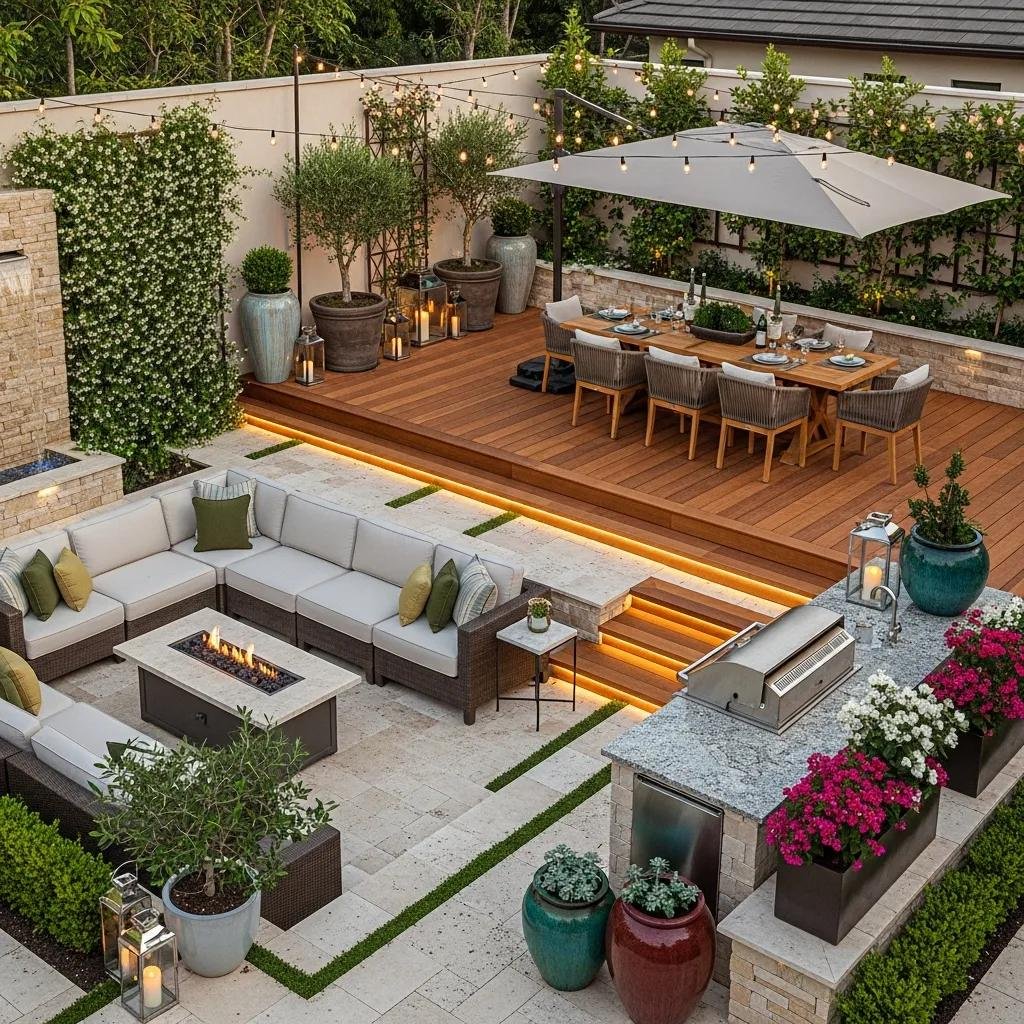
Luxury outdoor living space featuring a stylish patio with a fire pit, modern seating area, elegant dining setup, and high-end materials, showcasing a seamless blend of comfort and design for enhanced home enjoyment.

Enhance Your Home with Patio & Deck Upgrades

Enhance Your Home with Patio & Deck Upgrades

Luxury outdoor living space featuring a stylish patio with a fire pit, modern seating area, elegant dining setup, and high-end materials, showcasing a seamless blend of comfort and design for enhanced home enjoyment.

Elevate Your Home with Luxury Patio & Deck Upgrades: Design, Materials, and Value

Thoughtful outdoor living transforms a house into a complete home — a seamless extension of interior spaces that boosts enjoyment and resale value. This guide breaks down targeted patio and deck upgrades — from premium composite decking and exotic hardwoods to refined paver patios and integrated outdoor kitchens — and shows how they improve durability, curb appeal, and year‑round usability. Many properties lack a cohesive outdoor plan; the right upgrades fix circulation, entertaining flow, and visual continuity while delivering measurable value. Read on for clear material comparisons, multi‑level and transition design strategies, and practical advice on lighting, kitchens, and wellness features so you can plan a confident, long‑term investment for a high‑end property.

Top Luxury Deck Upgrade Options for Your Home

A luxury deck is more than a surface — it’s an outdoor living room built with premium materials, considered layout, and thoughtful built‑ins that perform across seasons. High‑end upgrades favor low‑maintenance decking, integrated lighting, custom rail systems, and architectural details like wide steps and built‑in seating to increase comfort and curb appeal. Choosing the right material requires balancing lifespan, upkeep, and the look you want; the correct selection lowers lifetime costs and strengthens resale appeal. Below are concise comparisons of leading decking choices to help you decide which performs best in a luxury installation.

Each decking material brings specific benefits depending on climate, maintenance tolerance, and the design you’re after.

MaterialDurability / MaintenanceCost / Luxury Look
Composite deckingHigh durability; resists rot and staining with periodic cleaningMid–high cost; sleek, consistent modern finish
Exotic hardwoods (IPE, Teak)Exceptional longevity; periodic oiling preserves colorHigh cost; rich, natural grain with premium appeal
PVC deckingVery low maintenance; fade‑resistantMid–high cost; uniform, contemporary appearance
Pressure-treated woodLower upfront cost; requires more frequent upkeepLow–mid cost; rustic charm but higher maintenance

This quick comparison highlights trade‑offs so you can prioritize longevity, maintenance, and aesthetic character before finalizing material choices. The next section examines durability and visual differences in more detail.

Materials That Best Balance Durability and Style for Luxury Decks

For luxury decks, composite and exotic hardwoods are common because they pair long life with an upscale look. Composite boards resist rot and fading, avoiding sanding or sealing, while exotic hardwoods such as IPE offer exceptional density and a deep, textured grain that reads as premium. PVC is an alternative when color retention and minimal upkeep are priorities, and pressure‑treated wood remains a budget option that needs consistent maintenance. Understanding these trade‑offs helps you pick materials that fit your lifestyle, maintenance expectations, and the overall design direction — which then informs zoning and layout choices like multi‑level decks.

Your choice of composite or hardwood will shape both upkeep plans and the visual character of the entire outdoor living scheme.

How Multi‑Level Deck Designs Improve Outdoor Living

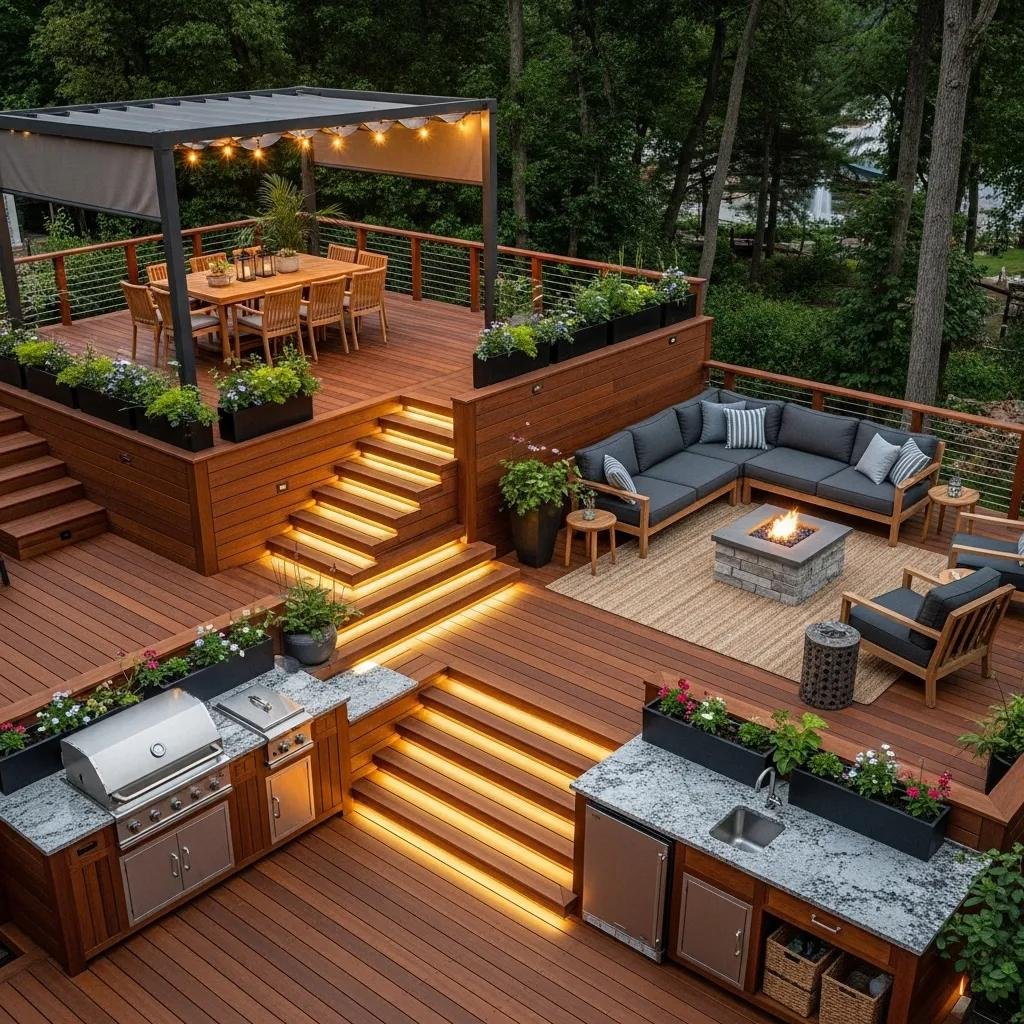
Multi-level deck design featuring distinct zones for dining and lounging, with a covered dining area, modern outdoor furniture, integrated lighting, and a barbecue station, enhancing outdoor living aesthetics and functionality.

Multi‑level decks create separate outdoor “rooms” for cooking, dining, and relaxing while maintaining sightlines and circulation. Zoning lets different activities happen at once without crowding — an upper dining terrace, a lower lounge with a fire feature, and wide transition steps that double as seating. Level changes can also solve tricky site grades and reduce the need for extensive retaining work, though they must be designed with railings and code requirements in mind. Good flow, privacy, and integrated lighting make multi‑level plans work for everyday living and entertaining.

These layout principles flow naturally into patio renovations that complement deck work and extend usable outdoor space.

Scanbuild LLC supports homeowners who want custom deck solutions grounded in interior design thinking to achieve cohesive indoor‑outdoor living. Serving the Washington, D.C. metro area, we focus on design‑driven deck builds and offer consultations to evaluate materials, zoning, and integrated features like lighting or built‑in seating. A site visit lets us review samples and propose concepts tailored to your property’s style and topography — turning material choices into a practical plan that matches luxury finishes.

How Elegant Patio Renovations Transform Your Outdoor Area

A carefully renovated patio becomes the outdoor living anchor: durable hardscapes that support dining, entertaining, and planting schemes. Upgrading to premium pavers or natural stone improves longevity and allows custom patterns and textures that ground the landscape, while refined concrete finishes achieve a clean, modern look. Patios also host outdoor kitchens, fire features, and pergolas, turning a simple yard into an organized, usable extension of the home with intentional circulation and focal points. The section below reviews common patio surfaces and style pairings to guide a cohesive renovation.

High‑end patio materials shift both function and aesthetic, creating continuity with your home’s architecture.

Patio SurfaceLongevity / MaintenanceCost Range / Design Fit
Interlocking paversLong lifespan; individual units are replaceableMid cost; highly customizable patterns
Natural stone (bluestone, travertine)Very durable with low wearHigh cost; timeless, upscale appearance
Stamped/finished concreteDurable with many finish optionsLow–mid cost; ideal for minimalist, modern designs

Popular Patio Materials and Styles for High‑End Renovations

High‑end patios typically use pavers or natural stone for texture, longevity, and custom layouts such as herringbone or modular patterns that add bespoke character. Stone slabs create an elegant, organic palette that pairs with lush planting and simple furnishings, while large‑format finished concrete suits contemporary homes that favor smooth transitions. Maintenance ranges from occasional joint care for pavers and stone to periodic sealing for finished concrete. Choosing materials that complement both the landscape and interior finishes ensures continuity and strengthens daily use and resale appeal.

Those material choices point directly to features that raise both function and ambiance.

Features That Add Function and Atmosphere to Luxury Patios

The right features turn a patio into an engaging, year‑round living area. Fire pits or linear fireplaces add warmth and a visual focal point; pergolas with retractable shades control sun and create comfort; integrated planters and built‑in seating keep areas tidy while defining space. Low‑voltage layered lighting and discreet audio systems support evening use, and durable outdoor fabrics plus thoughtful storage keep the space feeling curated. Every amenity should be selected with maintenance and movement in mind to preserve the patio’s luxury character over time.

  • Fire features extend seasonality: Provide warmth and a central gathering point.
  • Built‑in seating reduces clutter: Integrated elements improve circulation and longevity.
  • Layered lighting enhances usability: Ambient, task, and accent layers define zones after dark.

These patio elements naturally segue into outdoor kitchens and dining areas that further increase living capacity.

Scanbuild LLC delivers design‑driven patio renovations that combine hardscaping, lighting, and custom features into cohesive outdoor living plans. In the Washington, D.C. metro area, we offer site evaluations to align materials and feature priorities with your home’s architecture and landscape. A short consultation helps define scope, recommend material pairings, and pinpoint where pergolas, fire elements, or built‑ins will have the most impact — translating ideas into a build‑ready plan.

Benefits of Custom Outdoor Kitchens and Dining Areas

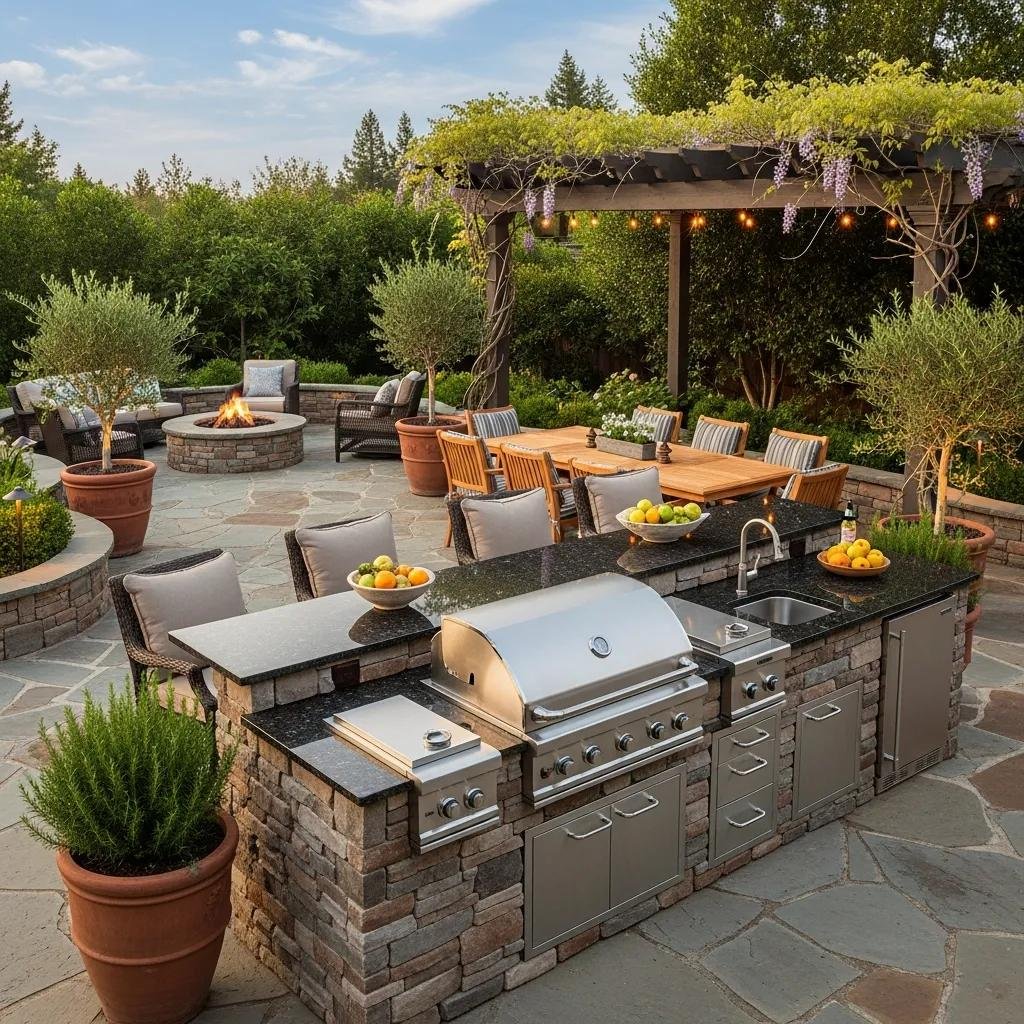
Custom outdoor kitchen featuring durable stainless steel appliances, granite countertops, and inviting dining area with wooden table and chairs, surrounded by lush greenery and fire pit for enhanced entertaining.

Custom outdoor kitchens expand entertaining possibilities, create memorable gathering places, and often raise perceived property value by extending functional living outdoors. A well‑designed outdoor kitchen pairs weather‑rated appliances, durable counters, and an efficient workflow — placing prep, refrigeration, and cooking surfaces to support both service and social interaction. Quality components and covered dining spaces let families use outdoor dining for more months of the year, and in markets that prize outdoor living, these installations can yield strong returns. Below is a concise component comparison to clarify typical choices and their installation implications.

Components for outdoor kitchens vary in complexity and affect both upfront cost and ongoing maintenance.

ComponentInstallation ComplexityMaintenance / Longevity
Built-in grillModerate–high; requires gas and/or electrical connectionsRegular cleaning recommended; durable when rated for exterior use
RefrigeratorModerate; needs ventilation and weatherproofingPeriodic servicing and winter protection advised
Countertop (stone/porcelain)Low–medium; choose durable, weather‑resistant surfacesMinimal upkeep; many options resist weathering
Sink and plumbingModerate; plan for frost protection in cold climatesSeasonal care and winterization required

How Built‑In Grills and Entertainment Zones Raise Outdoor Living

Built‑in grills and integrated entertainment spaces create focal areas that center social activity and support varied cooking styles, from grilling to wood‑fired pizza. Appliance placement should support efficient service flow: prep counters beside the grill, refrigeration within reach, and seating arranged to keep the cook engaged with guests. Choosing exterior‑rated appliances and proper weatherproofing reduces corrosion risk, and covered structures protect electronics and guests during light weather — ensuring the outdoor kitchen operates smoothly with adjacent patio and deck zones.

Smart appliance placement improves utility and guest experience and sets the stage for consistent materials and threshold design with interior spaces.

Design Elements That Create Seamless Indoor‑Outdoor Flow

Seamless transitions depend on material continuity, low‑profile thresholds, and generous openings that blur the line between inside and outside. Matching or complementary floors, sliding or folding doors, and aligned thresholds create visual flow and let furnishings read across the boundary. Repeating architectural cues — trim, lighting styles, and color palettes — reinforces cohesion so both spaces feel like one. These tactics maximize usability and invite frequent movement between interior and exterior living areas.

Scanbuild LLC provides integrated design‑build services for outdoor kitchens that tie interior layouts and mechanical systems to exterior appliances and counters. Our focus on material continuity and workflow planning helps outdoor kitchens function as true extensions of the home, not afterthoughts. Request a custom quote to review appliance selections, utility routing, and finish options that meet luxury standards while addressing local permitting and site conditions.

How Outdoor Features and Smart Tech Enhance Wellness and Ambience

Smart outdoor systems and wellness features improve comfort, lengthen the season, and make exterior spaces easier to manage. Scene‑based lighting, app‑controlled audio, and centralized control hubs let homeowners set mood quickly, while low‑voltage LEDs save energy. Wellness additions like hot tubs, saunas, and well‑placed fire features expand usable months and offer restorative benefits that encourage relaxation and social connection. The table below summarizes common smart and wellness options along with their primary benefits and practical considerations.

FeatureBenefitConsiderations
Scene lighting (LED)Atmosphere with energy efficiencyRequires low‑voltage planning and zoning
Integrated audioSeamless entertainment across spacesWeatherproofing and discreet wiring needed
Hot tub / spaYear‑round wellness and relaxationStructural support, electrical load, and safety codes
Fire pit / fireplaceExtended season use and strong focal pointVentilation, clearances, and permitting requirements

This comparison highlights trade‑offs so you can prioritize systems that match your lifestyle, site, and maintenance tolerance. The sections that follow outline current trends and practical integration strategies.

Latest Trends in Outdoor Lighting and Smart Integration

Designers now favor layered, scene‑based control: low‑voltage LED fixtures combined with app and voice control to create flexible ambiance and automated schedules. A thoughtful scheme uses ambient path lighting, task illumination for cooking zones, and accents to highlight architecture and planting — all coordinated through intuitive control hubs. Connecting landscape, patio, and deck lighting to a scalable automation platform supports future upgrades and keeps system management simple across outdoor zones.

Layered lighting and smart controls pair naturally with wellness elements that invite year‑round use.

How Wellness Features Like Hot Tubs and Fire Pits Support Relaxation

Wellness features add thermal comfort, social focal points, and calm sensory experiences that support stress relief and togetherness. Hot tubs deliver hydrotherapy benefits and can be integrated into decking or patio layouts for privacy and access; fire pits create warmth and draw people into centered gatherings. Safety, ventilation, and permitting must guide placement — respect clearances, drainage, and code requirements, and coordinate electrical or gas work with qualified professionals. Integrate seating and lighting to make these features part of a cohesive, restorative outdoor plan.

Scanbuild LLC applies local project management experience to coordinate smart systems, wellness installations, and finish selections for luxury outdoor projects in the Washington, D.C. area. Our design‑build approach aligns interior finishes with outdoor materials, handles permitting, and delivers craftsmanship geared for long‑term enjoyment. If you’d like a portfolio review or consultation, contact Scanbuild LLC to explore site‑specific options and next steps for your luxury outdoor renovation.

Frequently Asked Questions

What should I consider when planning a luxury outdoor renovation?

Start with budget, desired uses, and the aesthetic you want to achieve. Evaluate your existing landscape and architecture so the design complements the home. Factor in material durability and maintenance needs, and consider how the space will be used throughout the year. Working with a design professional helps coordinate all elements so they perform and look cohesive together.

How can I make my outdoor space usable year‑round?

To extend usability, add heating sources such as fire pits or outdoor fireplaces, include covered areas like pergolas, and choose weather‑resistant furniture and finishes. Smart lighting and climate control simplify comfort management, and well‑planned drainage and sheltering strategies protect investments from weather extremes. These choices make outdoor living enjoyable in more seasons.

What maintenance should I expect for luxury patio and deck materials?

Maintenance varies by material: composite decking generally needs only periodic cleaning; exotic hardwoods require regular oiling to maintain color; natural stone and pavers may need occasional joint work; and finished concrete benefits from periodic sealing. Understanding maintenance upfront helps you pick materials that suit your lifestyle and how much time you want to spend on upkeep.

How do I choose the right lighting for my outdoor area?

Think in layers: combine ambient, task, and accent lighting to cover safety, cooking, and mood. Pathway lights improve navigation; spotlights can showcase architecture or planting; and scene controls let you switch moods easily. Select weatherproof fixtures that match the design language of your home for a cohesive look.

What are the benefits of adding smart technology outdoors?

Smart tech adds convenience, energy savings, and better ambiance control. You can set scenes for entertaining or security, automate schedules, and operate lighting, audio, and climate elements from a phone or voice hub. Properly spec’d systems also simplify future upgrades and improve overall manageability.

How can I create a cohesive flow between indoor and outdoor spaces?

Use material continuity, complementary color palettes, and aligned architectural details to blur the boundary between inside and out. Large sliding or folding doors, consistent trim, and matching or complementary flooring help furniture and sightlines flow naturally between spaces — making both areas feel like parts of one, unified home.

Conclusion

Luxury patio and deck upgrades deliver immediate lifestyle benefits and lasting property value when they’re guided by thoughtful material choices and design. Prioritize high‑quality materials, functional layouts, and integrated features like lighting and kitchens to create outdoor spaces you’ll use every day. If you’re ready to translate ideas into a tailored plan, consult a design professional — or reach out to Scanbuild LLC to explore services and next steps for a refined outdoor renovation.

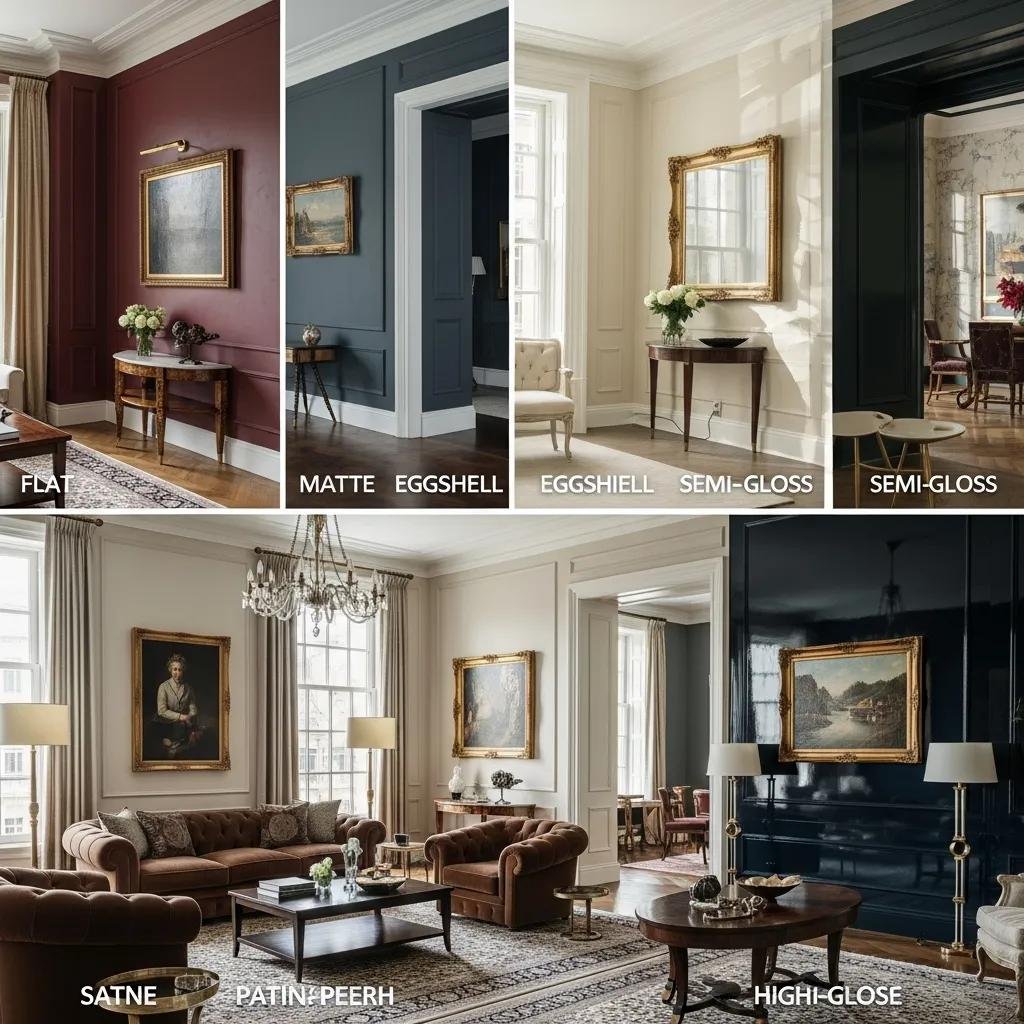
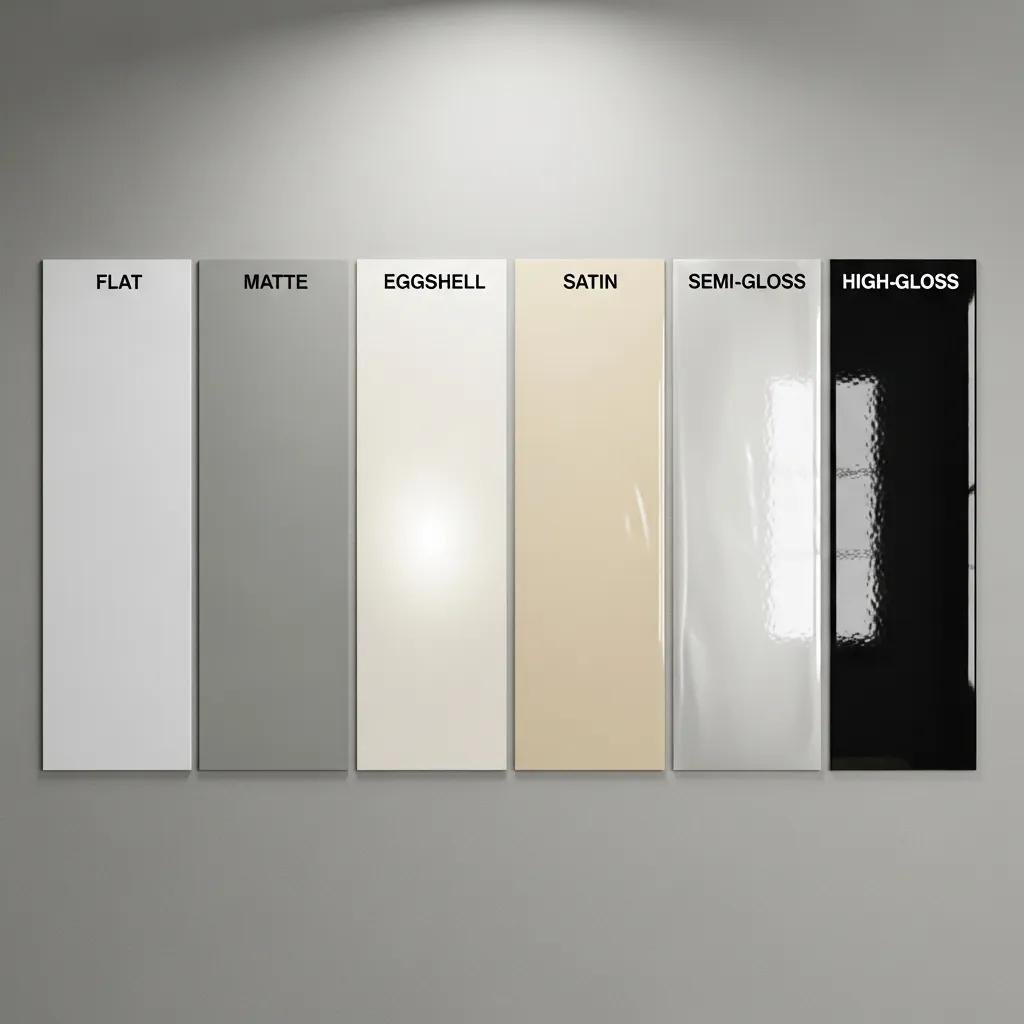
Luxurious interior showcasing various paint finishes, including flat, matte, eggshell, semi-gloss, and high-gloss, highlighting aesthetic appeal and sheen differences in high-end home remodeling.

Selecting the Right Interior Paint Finishes

Selecting the Right Interior Paint Finishes

Luxurious interior showcasing various paint finishes, including flat, matte, eggshell, semi-gloss, and high-gloss, highlighting aesthetic appeal and sheen differences in high-end home remodeling.

Best Interior Paint Finishes for Luxury Homes: How to Pick the Right Sheen for Your Remodel

In high-end remodeling, the finish you choose matters as much as the color. Sheen changes how a room looks, how the surface wears, and how easy it is to maintain. This guide explains what “paint finish” means, how different sheens behave, and why the right choice matters for kitchens, baths, trim, and feature walls in luxury projects. You’ll find clear descriptions of flat, matte, eggshell, satin, semi-gloss, and high-gloss finishes, practical rules for matching sheen to room use and traffic, plus quick comparison tables. We also cover moisture resistance, cleanability, and mold-prevention best practices for premium remodels. Each H2 section includes concise recommendations so you can make confident, cohesive finish decisions that last.

What Are the Different Types of Interior Paint Finishes?

Comparison of various interior paint finishes displayed on a wall, showcasing flat, matte, eggshell, satin, semi-gloss, and high-gloss sheens, emphasizing texture and sheen differences relevant to luxury remodeling choices.

“Paint finish” describes the sheen and light reflection of the dried paint film — traits that determine durability, cleanability, and the way walls reveal or disguise imperfections. Low-sheen options like flat and matte reduce reflection and conceal surface flaws. Higher sheens, from satin to high-gloss, give stronger washability and surface resistance. The best choice balances aesthetics with function: softer sheens for relaxed living areas, higher sheens for trim, cabinetry, kitchens, and bathrooms.

Quick comparison of finishes by sheen, durability, and typical use:

Finish TypeSheen LevelDurability / Washability
FlatVery lowLow durability; excellent at hiding flaws
MatteLowLow–moderate durability; soft, contemporary look
EggshellLow–mediumModerate durability; subtle sheen, easy to touch up
SatinMediumGood durability; washable without being too reflective
Semi-glossHighHigh durability; very washable and stain resistant
High-glossVery highMost durable; extremely reflective and shows imperfections

Use this table to match finish properties to room function and the visual goals for each space. Next, we compare the lower- and higher-sheen families in more detail.

How Do Flat, Matte, and Eggshell Finishes Compare in Appearance and Durability?

Flat, matte, and eggshell vary mainly by sheen and how they interact with light — and that governs how obvious wall flaws appear. Flat and matte barely reflect light, so they’re excellent for ceilings and older walls where surface imperfections are present. Eggshell introduces a faint sheen that improves cleanability while keeping a soft, modern appearance. Durability and washability rise from flat to eggshell, which makes eggshell a reliable pick for low-traffic living rooms and bedrooms where you want a balance of look and maintenance. In luxury remodels, careful priming and professional surface prep elevate performance across these low-sheen choices and reduce the need for touch-ups.

What Are the Benefits of Satin, Semi-Gloss, and High-Gloss Paint Finishes?

Satin, semi-gloss, and high-gloss offer increasing levels of sheen and surface resilience, so they’re the go-to for trim, doors, cabinets, and wet zones. Satin provides a refined, balanced sheen that reads as elegant in family rooms and on millwork. Semi-gloss is favored for kitchens and bathrooms for its stain resistance and wipe-clean surface. High-gloss delivers the most durable, reflective finish — ideal for accent pieces and cabinetry when the substrate is perfectly prepped, because it will highlight any flaws. For luxury outcomes, choose premium products and professional application so these sheens hold their finish and stand up to regular cleaning.

Which Paint Finishes Work Best in Kitchens and Bathrooms?

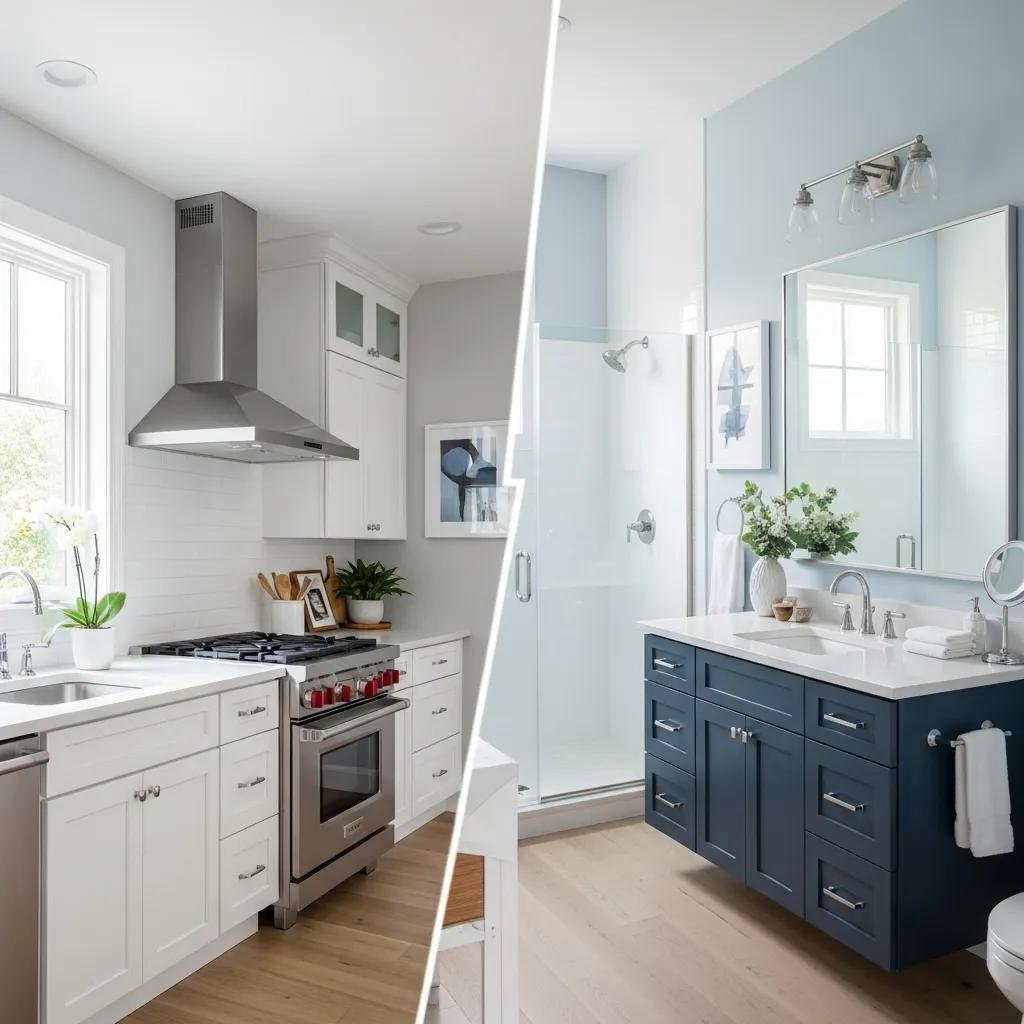
Modern kitchen and bathroom showcasing sleek cabinetry, stainless steel appliances, and a clean aesthetic, emphasizing the use of satin and semi-gloss paint finishes for moisture resistance and easy cleanability.

Kitchens and bathrooms need finishes that resist moisture, clean easily, and maintain film integrity to avoid staining and surface mold. Satin and semi-gloss are typical recommendations because their films are less permeable and hold up to routine cleaning and humidity. Proper surface prep — the right primer, mildew-resistant products where needed, and adequate ventilation — is essential to maximize longevity and prevent moisture problems. The table below summarizes moisture resistance, cleanability, mold-resistance considerations, and recommended prep for wet areas.

FinishMoisture ResistanceCleanabilityMold Resistance / Prep
SatinMedium–HighHigh; wipes clean easilyPerforms well with correct primer and ventilation
Semi-glossHighVery high; resists staining and moistureBest when used over mildew-resistant primer
High-glossVery HighExcellent; easiest to maintainMost impermeable but requires flawless prep

This table explains why satin and semi-gloss are preferred for most kitchen and bathroom walls and trim. Below are short, practical recommendations for moisture-prone zones.

  • Semi-gloss: Top choice for cabinets, trim, and areas that need frequent cleaning due to its durability and washability.
  • Satin: A refined option for walls that need durability without strong reflection — a good blend of style and function.
  • High-gloss: Use sparingly for accents or cabinetry when you want a highly reflective, durable surface and the substrate is perfectly prepared.

These guidelines help preserve both luxury aesthetics and long-term performance.

Scanbuild LLC is a Rockville, MD–based luxury remodeling firm serving the Washington, D.C. metro area — including Bethesda, Potomac, Vienna, McLean, Alexandria, Georgetown, and Friendship Heights. We specialize in high-end kitchen and bathroom remodels, premium tile installations, and luxury vinyl flooring. Our strengths are integrated design-build expertise, skilled craftsmanship, premium materials, and a client-focused process that runs from initial sketches through final construction. If you’d like help matching finishes to ventilation, substrate, and cabinetry selections, an experienced remodeler can fold paint-finish decisions into design and construction sequencing.

Why Are Semi-Gloss and Satin Preferable for Moisture-Prone Areas?

Semi-gloss and satin build tighter paint films with stronger polymer cross-linking, which lowers porosity and makes surfaces easier to clean. That tighter film reduces staining and limits moisture absorption, lowering the chance of mold taking hold. Homeowners benefit from simpler maintenance — a light wipe solves most issues — while remodelers still recommend mildew-resistant primers and improved ventilation where necessary. With correct substrate prep and the right paint system, these sheens deliver the refined look and long-term performance expected in premium kitchens and baths.

How Do Paint Finishes Influence Cleanability and Mold Resistance in Luxury Projects?

Higher-sheen paints tolerate more aggressive cleaning without damage, which helps prevent microbial buildup and staining over time when combined with appropriate primers and ventilation. Modern low- and zero-VOC formulations available today often include mildew-resistant properties, making them ideal for projects that prioritize indoor air quality. In upscale remodels, professional application and surface prep — skim-coating, sealing porous substrates, and correct priming — greatly extend finish life and reduce maintenance. Choosing the right finish is therefore a strategic decision that balances aesthetics, cleaning routines, and long-term indoor-environment performance.

How to Choose Paint Sheen Based on Room Function and Traffic

Match sheen to room function and expected traffic: low-traffic bedrooms do well with low sheens, while hallways and kids’ rooms need more durable finishes. The simple framework below pairs common rooms with recommended sheens and sets realistic maintenance expectations. Consider using a higher sheen for trim and doors to create visual contrast and simplify cleaning; keep ceilings flat to mask imperfections and control light. Use the EAV mapping that follows to translate room type into practical sheen choices.

Room-to-sheen decision mapping:

Room TypeTraffic LevelRecommended Sheen
HallwayHighSatin or Semi-gloss
KitchenHigh (moisture)Semi-gloss
BathroomHigh (moisture)Semi-gloss
Living RoomLow–MediumEggshell or Matte
BedroomLowMatte or Flat

Use this mapping as a quick planning reference and to help set paint-life expectations. Below are easy decision rules for common scenarios.

  1. High-traffic or frequently cleaned rooms: pick semi-gloss or satin for maximum durability and washability.
  2. Low-traffic rooms with visible imperfections: choose flat or matte to hide flaws and keep a soft finish.
  3. Need contrast or extra resilience on trim and cabinetry: choose high-gloss or semi-gloss depending on the desired level of reflectivity.

These straightforward rules help homeowners and designers keep sheen choices consistent across a remodel.

We integrate finish selection into project planning during design meetings and sample-board reviews so color, sheen, and materials align with construction sequencing.

This coordination helps ensure the finishes chosen in planning perform reliably through installation and everyday use, protecting the project’s quality and longevity.

Which Paint Sheen Gives the Best Durability for High-Traffic Areas?

For hallways, kitchens, and children’s rooms, semi-gloss and satin offer the best balance of durability and appearance: they resist scuffs and clean up well. Durability also depends on paint quality, number of coats, and surface prep — premium products with stronger binders will outperform economy lines, even at the same sheen. In luxury work, professional application and multiple thin coats create a tougher film than fewer thick coats, reducing visible wear and extending repaint intervals. Choosing finishes with maintenance expectations in mind protects both performance and the refined look of high-end interiors.

Which Finishes Best Conceal Wall Imperfections in Living Rooms and Bedrooms?

Flat and matte finishes are best at masking minor surface irregularities because they scatter light rather than reflect it, producing a velvety, even appearance. Eggshell is a practical compromise: it softens imperfections while offering slightly better durability and cleanability than flat. When a higher sheen is desired without highlighting defects, luxury remodels invest in surface prep — skim-coating, sanding, and priming — to allow satin or semi-gloss finishes without exposing flaws. Prioritizing prep first ensures the chosen sheen supports the design intent and everyday maintenance.

What Are the Leading Trends in High-End Interior Paint Finishes for 2025?

Recent luxury projects emphasize health-forward formulations, tactile textured surfaces, and layered color treatments that create depth and sophistication. Low- and zero-VOC paints are now standard in many high-end remodels to protect indoor air quality, while specialty finishes — limewash, Venetian plaster, and subtle metallics — add bespoke character to feature walls and custom millwork. Designers are pairing color drenching and moody palettes with intentional sheen choices to build drama, and finish selection is coordinated with materials like tile and luxury vinyl flooring for a cohesive result.

Primary trends and their design effects:

  • Low/Zero-VOC Formulations: Standard for health and sustainability in premium interiors.
  • Textured & Specialty Finishes: Limewash, Venetian plaster, and metallics add tactile depth to key areas.
  • Color Drenching & Moody Palettes: Deep, immersive colors combined with varied sheens create dramatic, layered spaces.

These trends reinforce that finish selection belongs in the core design conversation, not as an afterthought. Specialty and textured finishes demand skilled application and thoughtful maintenance planning, so many homeowners coordinate them with a professional remodeler.

How Are Eco-Friendly and Low-VOC Paints Influencing Luxury Design?

Eco-friendly and low/zero-VOC paints reduce indoor chemical exposure while allowing designers to meet sustainability goals without sacrificing finish performance. Modern premium formulations offer a broad range of sheens and improved film quality, narrowing the trade-offs that once existed between low emissions and durability. Many upscale remodels now adopt these products; homeowners should weigh finish options and budgets against long-term indoor-air-quality benefits and coordinate ventilation during application to limit odors and off-gassing. Choosing high-performance low-VOC paints supports occupant health and the refined outcomes expected in luxury projects.

Which Textured and Specialty Finishes Are Trending in Modern Remodels?

Textured and specialty finishes — limewash, Venetian plaster, and subtle metallics — create tactile feature walls, bespoke cabinetry accents, and focal surfaces that elevate interiors beyond standard paint. These techniques add depth and unique surface character but require experienced applicators and, in some cases, specific substrates to perform well. Durability and maintenance depend on the technique — for example, plaster can be sealed for washability, while limewash often needs gentler care — so select textures where they enhance design and match lifestyle needs. That’s why many luxury remodels pair these finishes with professional craftsmanship to ensure beauty and longevity.

Frequently Asked Questions

What should I consider when choosing a paint finish for high-traffic areas?

Prioritize durability, cleanability, and how the space is used. Semi-gloss and satin are strong choices because they resist scuffs and clean easily. Also factor in paint quality, coat count, and surface preparation — professional application and proper priming make a noticeable difference in longevity and appearance.

How can I make sure my paint finish lasts in moisture-prone areas?

Choose semi-gloss or satin for better moisture resistance, and invest in proper surface preparation: use mildew-resistant primers where needed and ensure adequate ventilation. Regular light cleaning and prompt attention to any moisture issues will help maintain the finish and prevent mold growth.

Which finishes are best for ceilings?

Flat or matte finishes are typically best for ceilings because they minimize reflection and hide imperfections. Their light-absorbing quality creates a soft, uniform look that keeps ceilings from drawing attention to minor flaws.

What are the benefits of using eco-friendly paints in luxury remodeling?

Low- and zero-VOC paints improve indoor air quality and reduce chemical exposure while offering competitive performance and sheen options. Choosing eco-friendly products supports sustainability and occupant health without compromising the refined finishes expected in high-end remodels.

How do textured finishes affect a room’s design?

Textured finishes like limewash or Venetian plaster add depth, tactile interest, and a bespoke feel that standard paint can’t provide. They create focal points and elevate a space, but they require skilled application and specific maintenance, so plan their use where they’ll have the most visual impact and fit your lifestyle.

What maintenance do high-gloss finishes require?

High-gloss finishes are durable and easy to clean but show fingerprints and smudges more readily. Maintain them with gentle cleaners and soft cloths, and avoid abrasive scrubbers that can scratch the surface. Regular light cleaning keeps the reflective surface looking pristine.

Is it okay to mix different paint finishes in a single room?

Yes — mixing sheens adds depth and highlights architectural features. A common approach is matte or eggshell on walls with semi-gloss or high-gloss on trim and cabinetry. Just ensure the finishes work together visually and support the room’s function and overall design.

Conclusion

Choosing the right interior paint finish is a design and performance decision: the correct sheen preserves your aesthetic while reducing long-term maintenance. Understanding each finish’s characteristics helps you make choices that suit the room’s use, traffic, and desired look. For tailored guidance and finish selection that aligns with your remodel sequence and materials, consult a professional remodeler. Contact us to explore how the right finish can elevate your home’s interior.