
Selecting the Right Interior Paint Finishes
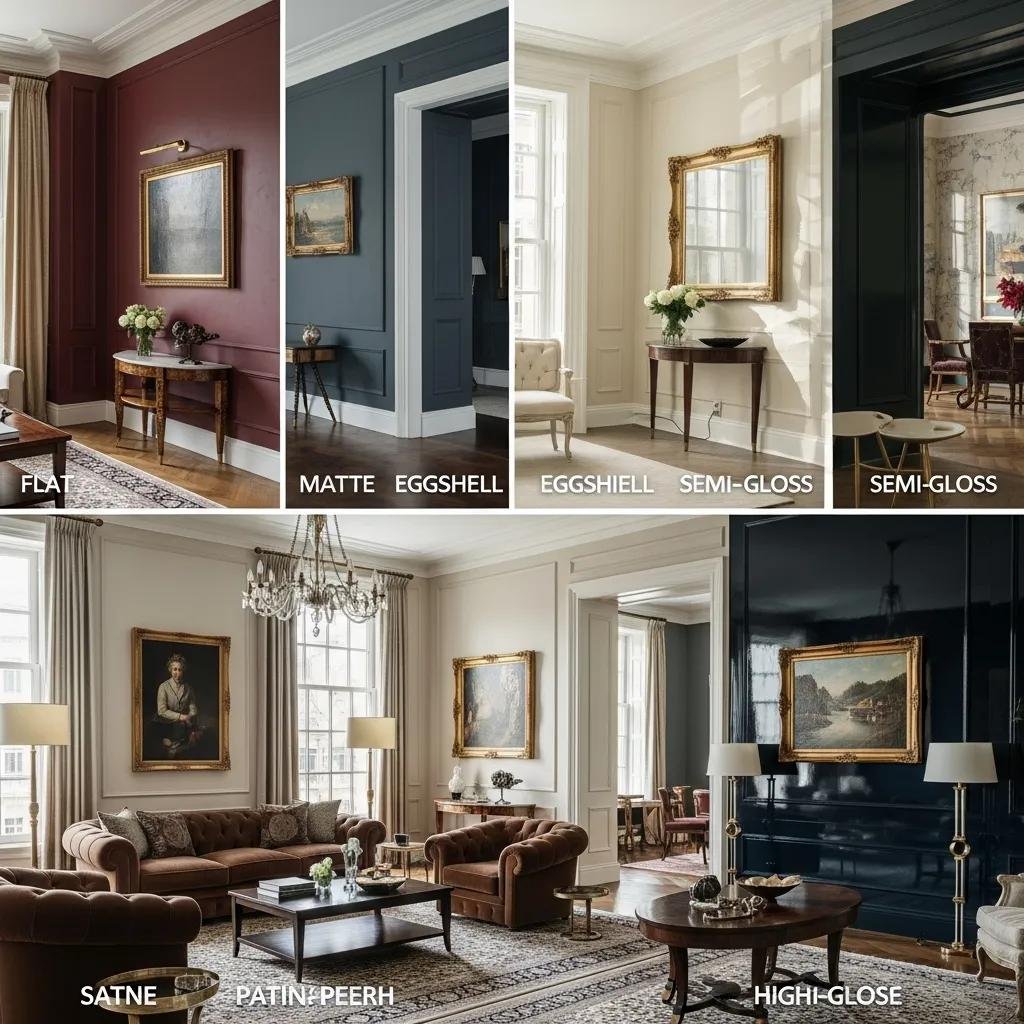
Best Interior Paint Finishes for Luxury Homes: How to Pick the Right Sheen for Your Remodel
In high-end remodeling, the finish you choose matters as much as the color. Sheen changes how a room looks, how the surface wears, and how easy it is to maintain. This guide explains what “paint finish” means, how different sheens behave, and why the right choice matters for kitchens, baths, trim, and feature walls in luxury projects. You’ll find clear descriptions of flat, matte, eggshell, satin, semi-gloss, and high-gloss finishes, practical rules for matching sheen to room use and traffic, plus quick comparison tables. We also cover moisture resistance, cleanability, and mold-prevention best practices for premium remodels. Each H2 section includes concise recommendations so you can make confident, cohesive finish decisions that last.
What Are the Different Types of Interior Paint Finishes?
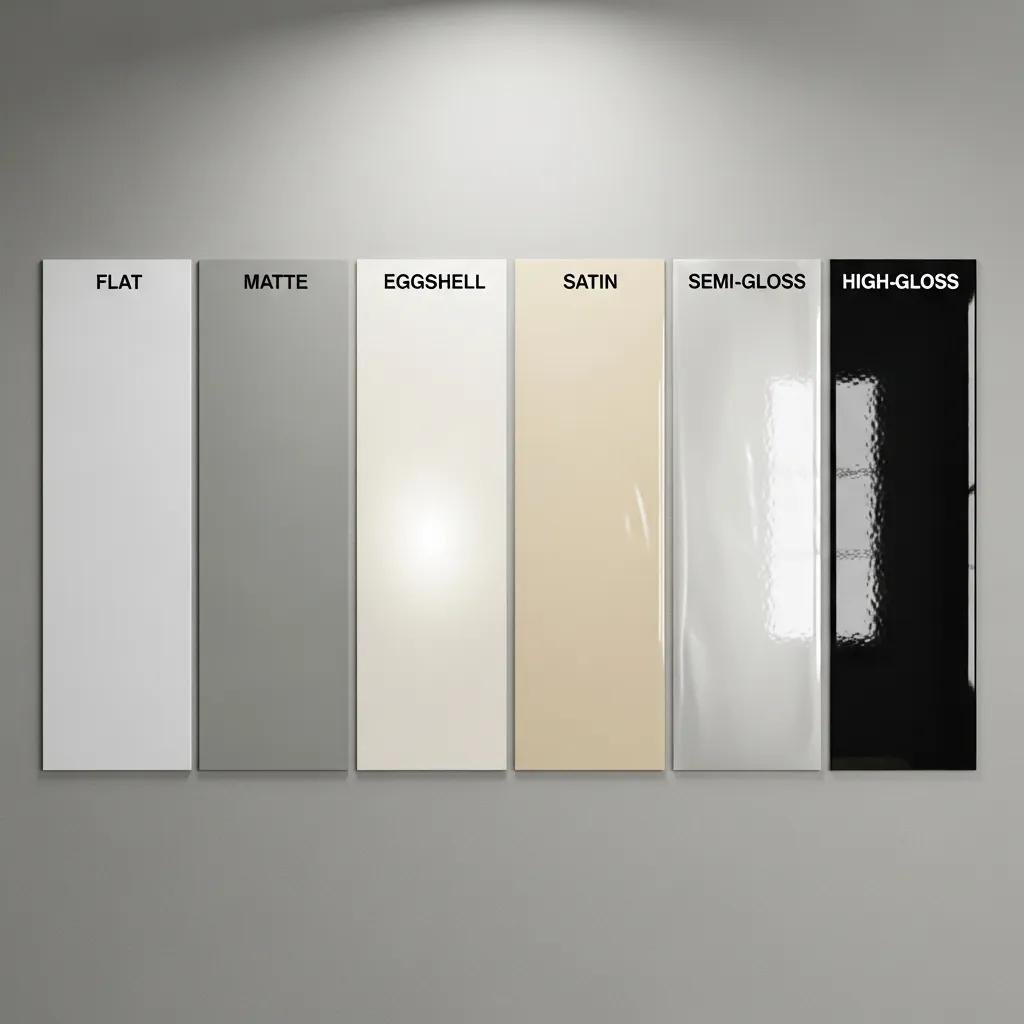
“Paint finish” describes the sheen and light reflection of the dried paint film — traits that determine durability, cleanability, and the way walls reveal or disguise imperfections. Low-sheen options like flat and matte reduce reflection and conceal surface flaws. Higher sheens, from satin to high-gloss, give stronger washability and surface resistance. The best choice balances aesthetics with function: softer sheens for relaxed living areas, higher sheens for trim, cabinetry, kitchens, and bathrooms.
Quick comparison of finishes by sheen, durability, and typical use:
Use this table to match finish properties to room function and the visual goals for each space. Next, we compare the lower- and higher-sheen families in more detail.
How Do Flat, Matte, and Eggshell Finishes Compare in Appearance and Durability?
Flat, matte, and eggshell vary mainly by sheen and how they interact with light — and that governs how obvious wall flaws appear. Flat and matte barely reflect light, so they’re excellent for ceilings and older walls where surface imperfections are present. Eggshell introduces a faint sheen that improves cleanability while keeping a soft, modern appearance. Durability and washability rise from flat to eggshell, which makes eggshell a reliable pick for low-traffic living rooms and bedrooms where you want a balance of look and maintenance. In luxury remodels, careful priming and professional surface prep elevate performance across these low-sheen choices and reduce the need for touch-ups.
What Are the Benefits of Satin, Semi-Gloss, and High-Gloss Paint Finishes?
Satin, semi-gloss, and high-gloss offer increasing levels of sheen and surface resilience, so they’re the go-to for trim, doors, cabinets, and wet zones. Satin provides a refined, balanced sheen that reads as elegant in family rooms and on millwork. Semi-gloss is favored for kitchens and bathrooms for its stain resistance and wipe-clean surface. High-gloss delivers the most durable, reflective finish — ideal for accent pieces and cabinetry when the substrate is perfectly prepped, because it will highlight any flaws. For luxury outcomes, choose premium products and professional application so these sheens hold their finish and stand up to regular cleaning.
Which Paint Finishes Work Best in Kitchens and Bathrooms?
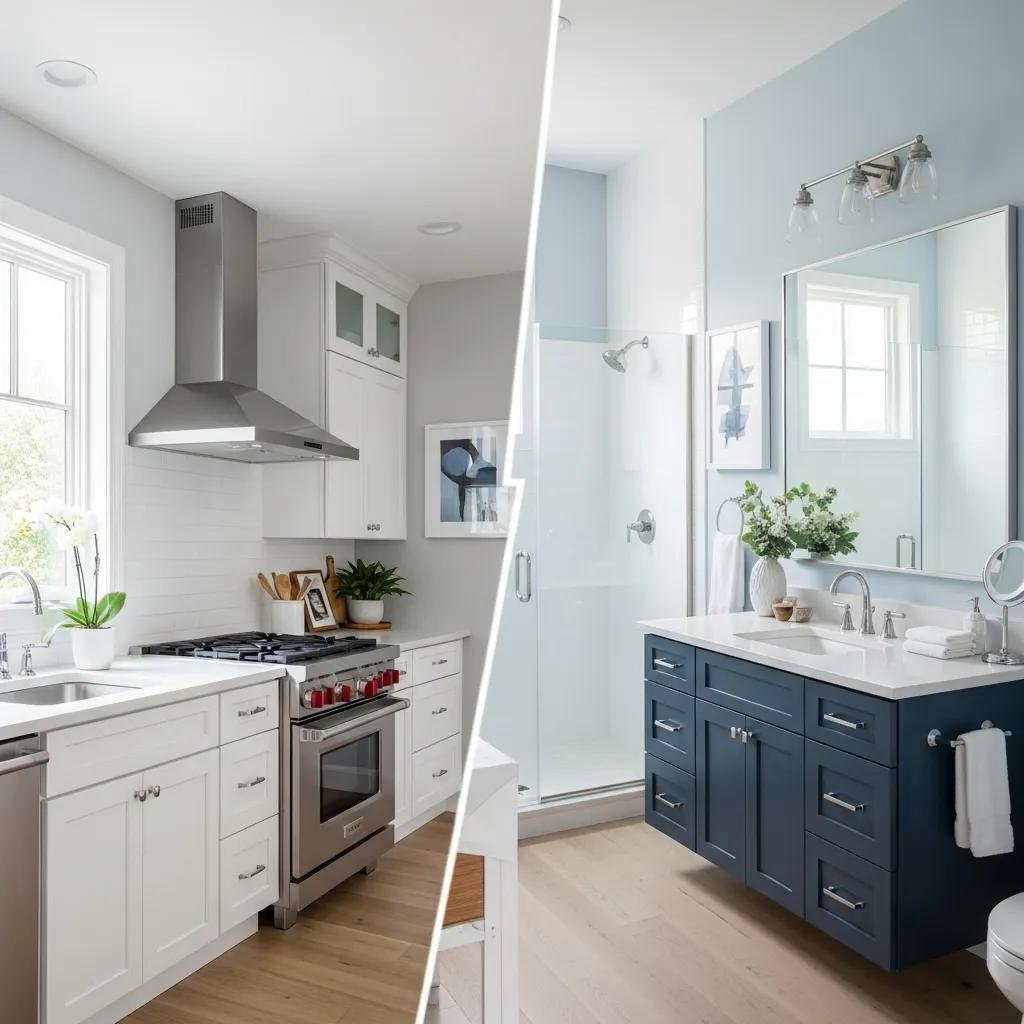
Kitchens and bathrooms need finishes that resist moisture, clean easily, and maintain film integrity to avoid staining and surface mold. Satin and semi-gloss are typical recommendations because their films are less permeable and hold up to routine cleaning and humidity. Proper surface prep — the right primer, mildew-resistant products where needed, and adequate ventilation — is essential to maximize longevity and prevent moisture problems. The table below summarizes moisture resistance, cleanability, mold-resistance considerations, and recommended prep for wet areas.
This table explains why satin and semi-gloss are preferred for most kitchen and bathroom walls and trim. Below are short, practical recommendations for moisture-prone zones.
- Semi-gloss: Top choice for cabinets, trim, and areas that need frequent cleaning due to its durability and washability.
- Satin: A refined option for walls that need durability without strong reflection — a good blend of style and function.
- High-gloss: Use sparingly for accents or cabinetry when you want a highly reflective, durable surface and the substrate is perfectly prepared.
These guidelines help preserve both luxury aesthetics and long-term performance.
Scanbuild LLC is a Rockville, MD–based luxury remodeling firm serving the Washington, D.C. metro area — including Bethesda, Potomac, Vienna, McLean, Alexandria, Georgetown, and Friendship Heights. We specialize in high-end kitchen and bathroom remodels, premium tile installations, and luxury vinyl flooring. Our strengths are integrated design-build expertise, skilled craftsmanship, premium materials, and a client-focused process that runs from initial sketches through final construction. If you’d like help matching finishes to ventilation, substrate, and cabinetry selections, an experienced remodeler can fold paint-finish decisions into design and construction sequencing.
Why Are Semi-Gloss and Satin Preferable for Moisture-Prone Areas?
Semi-gloss and satin build tighter paint films with stronger polymer cross-linking, which lowers porosity and makes surfaces easier to clean. That tighter film reduces staining and limits moisture absorption, lowering the chance of mold taking hold. Homeowners benefit from simpler maintenance — a light wipe solves most issues — while remodelers still recommend mildew-resistant primers and improved ventilation where necessary. With correct substrate prep and the right paint system, these sheens deliver the refined look and long-term performance expected in premium kitchens and baths.
How Do Paint Finishes Influence Cleanability and Mold Resistance in Luxury Projects?
Higher-sheen paints tolerate more aggressive cleaning without damage, which helps prevent microbial buildup and staining over time when combined with appropriate primers and ventilation. Modern low- and zero-VOC formulations available today often include mildew-resistant properties, making them ideal for projects that prioritize indoor air quality. In upscale remodels, professional application and surface prep — skim-coating, sealing porous substrates, and correct priming — greatly extend finish life and reduce maintenance. Choosing the right finish is therefore a strategic decision that balances aesthetics, cleaning routines, and long-term indoor-environment performance.
How to Choose Paint Sheen Based on Room Function and Traffic
Match sheen to room function and expected traffic: low-traffic bedrooms do well with low sheens, while hallways and kids’ rooms need more durable finishes. The simple framework below pairs common rooms with recommended sheens and sets realistic maintenance expectations. Consider using a higher sheen for trim and doors to create visual contrast and simplify cleaning; keep ceilings flat to mask imperfections and control light. Use the EAV mapping that follows to translate room type into practical sheen choices.
Room-to-sheen decision mapping:
Use this mapping as a quick planning reference and to help set paint-life expectations. Below are easy decision rules for common scenarios.
- High-traffic or frequently cleaned rooms: pick semi-gloss or satin for maximum durability and washability.
- Low-traffic rooms with visible imperfections: choose flat or matte to hide flaws and keep a soft finish.
- Need contrast or extra resilience on trim and cabinetry: choose high-gloss or semi-gloss depending on the desired level of reflectivity.
These straightforward rules help homeowners and designers keep sheen choices consistent across a remodel.
We integrate finish selection into project planning during design meetings and sample-board reviews so color, sheen, and materials align with construction sequencing.
This coordination helps ensure the finishes chosen in planning perform reliably through installation and everyday use, protecting the project’s quality and longevity.
Which Paint Sheen Gives the Best Durability for High-Traffic Areas?
For hallways, kitchens, and children’s rooms, semi-gloss and satin offer the best balance of durability and appearance: they resist scuffs and clean up well. Durability also depends on paint quality, number of coats, and surface prep — premium products with stronger binders will outperform economy lines, even at the same sheen. In luxury work, professional application and multiple thin coats create a tougher film than fewer thick coats, reducing visible wear and extending repaint intervals. Choosing finishes with maintenance expectations in mind protects both performance and the refined look of high-end interiors.
Which Finishes Best Conceal Wall Imperfections in Living Rooms and Bedrooms?
Flat and matte finishes are best at masking minor surface irregularities because they scatter light rather than reflect it, producing a velvety, even appearance. Eggshell is a practical compromise: it softens imperfections while offering slightly better durability and cleanability than flat. When a higher sheen is desired without highlighting defects, luxury remodels invest in surface prep — skim-coating, sanding, and priming — to allow satin or semi-gloss finishes without exposing flaws. Prioritizing prep first ensures the chosen sheen supports the design intent and everyday maintenance.
What Are the Leading Trends in High-End Interior Paint Finishes for 2025?
Recent luxury projects emphasize health-forward formulations, tactile textured surfaces, and layered color treatments that create depth and sophistication. Low- and zero-VOC paints are now standard in many high-end remodels to protect indoor air quality, while specialty finishes — limewash, Venetian plaster, and subtle metallics — add bespoke character to feature walls and custom millwork. Designers are pairing color drenching and moody palettes with intentional sheen choices to build drama, and finish selection is coordinated with materials like tile and luxury vinyl flooring for a cohesive result.
Primary trends and their design effects:
- Low/Zero-VOC Formulations: Standard for health and sustainability in premium interiors.
- Textured & Specialty Finishes: Limewash, Venetian plaster, and metallics add tactile depth to key areas.
- Color Drenching & Moody Palettes: Deep, immersive colors combined with varied sheens create dramatic, layered spaces.
These trends reinforce that finish selection belongs in the core design conversation, not as an afterthought. Specialty and textured finishes demand skilled application and thoughtful maintenance planning, so many homeowners coordinate them with a professional remodeler.
How Are Eco-Friendly and Low-VOC Paints Influencing Luxury Design?
Eco-friendly and low/zero-VOC paints reduce indoor chemical exposure while allowing designers to meet sustainability goals without sacrificing finish performance. Modern premium formulations offer a broad range of sheens and improved film quality, narrowing the trade-offs that once existed between low emissions and durability. Many upscale remodels now adopt these products; homeowners should weigh finish options and budgets against long-term indoor-air-quality benefits and coordinate ventilation during application to limit odors and off-gassing. Choosing high-performance low-VOC paints supports occupant health and the refined outcomes expected in luxury projects.
Which Textured and Specialty Finishes Are Trending in Modern Remodels?
Textured and specialty finishes — limewash, Venetian plaster, and subtle metallics — create tactile feature walls, bespoke cabinetry accents, and focal surfaces that elevate interiors beyond standard paint. These techniques add depth and unique surface character but require experienced applicators and, in some cases, specific substrates to perform well. Durability and maintenance depend on the technique — for example, plaster can be sealed for washability, while limewash often needs gentler care — so select textures where they enhance design and match lifestyle needs. That’s why many luxury remodels pair these finishes with professional craftsmanship to ensure beauty and longevity.
Frequently Asked Questions
What should I consider when choosing a paint finish for high-traffic areas?
Prioritize durability, cleanability, and how the space is used. Semi-gloss and satin are strong choices because they resist scuffs and clean easily. Also factor in paint quality, coat count, and surface preparation — professional application and proper priming make a noticeable difference in longevity and appearance.
How can I make sure my paint finish lasts in moisture-prone areas?
Choose semi-gloss or satin for better moisture resistance, and invest in proper surface preparation: use mildew-resistant primers where needed and ensure adequate ventilation. Regular light cleaning and prompt attention to any moisture issues will help maintain the finish and prevent mold growth.
Which finishes are best for ceilings?
Flat or matte finishes are typically best for ceilings because they minimize reflection and hide imperfections. Their light-absorbing quality creates a soft, uniform look that keeps ceilings from drawing attention to minor flaws.
What are the benefits of using eco-friendly paints in luxury remodeling?
Low- and zero-VOC paints improve indoor air quality and reduce chemical exposure while offering competitive performance and sheen options. Choosing eco-friendly products supports sustainability and occupant health without compromising the refined finishes expected in high-end remodels.
How do textured finishes affect a room’s design?
Textured finishes like limewash or Venetian plaster add depth, tactile interest, and a bespoke feel that standard paint can’t provide. They create focal points and elevate a space, but they require skilled application and specific maintenance, so plan their use where they’ll have the most visual impact and fit your lifestyle.
What maintenance do high-gloss finishes require?
High-gloss finishes are durable and easy to clean but show fingerprints and smudges more readily. Maintain them with gentle cleaners and soft cloths, and avoid abrasive scrubbers that can scratch the surface. Regular light cleaning keeps the reflective surface looking pristine.
Is it okay to mix different paint finishes in a single room?
Yes — mixing sheens adds depth and highlights architectural features. A common approach is matte or eggshell on walls with semi-gloss or high-gloss on trim and cabinetry. Just ensure the finishes work together visually and support the room’s function and overall design.
Conclusion
Choosing the right interior paint finish is a design and performance decision: the correct sheen preserves your aesthetic while reducing long-term maintenance. Understanding each finish’s characteristics helps you make choices that suit the room’s use, traffic, and desired look. For tailored guidance and finish selection that aligns with your remodel sequence and materials, consult a professional remodeler. Contact us to explore how the right finish can elevate your home’s interior.
Recent Comments