
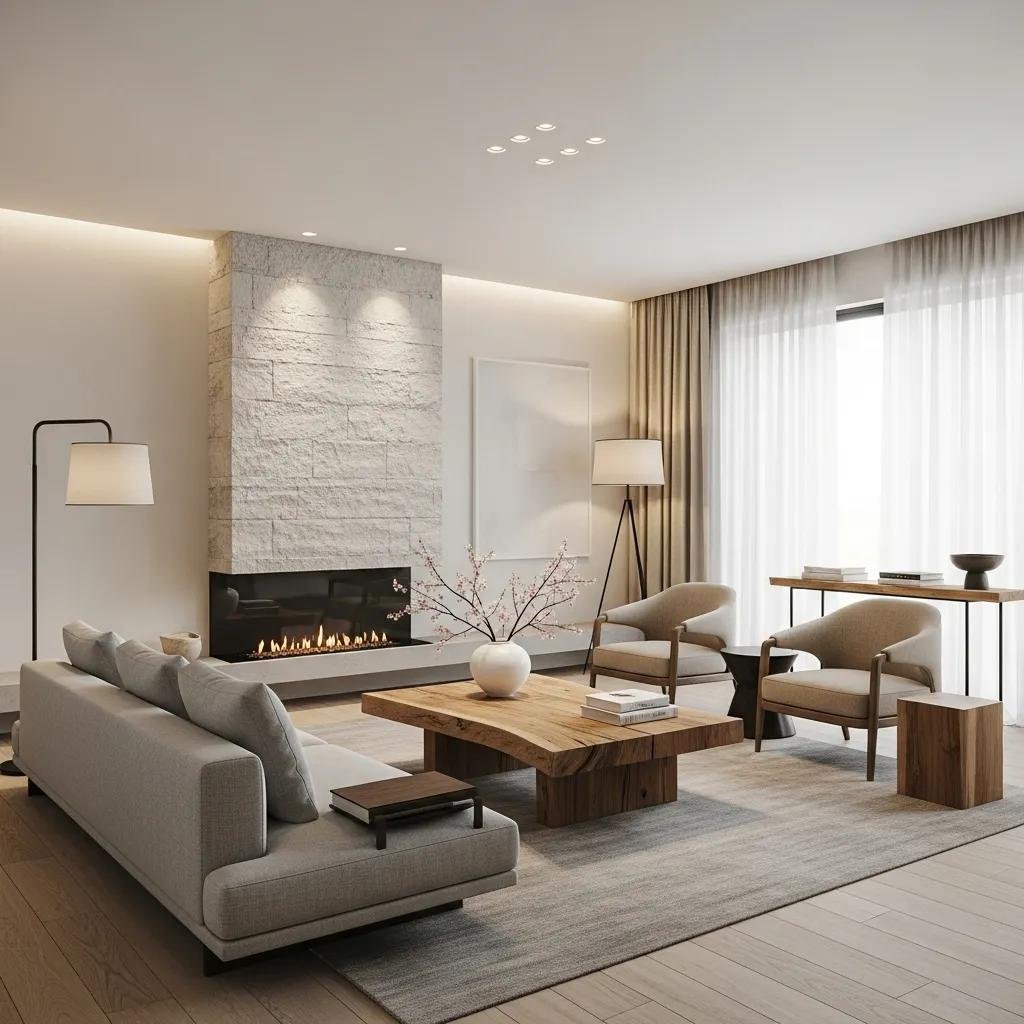
Luxury Minimalist Home Design for Serene Living: Create Modern Minimalist Spaces in Washington, D.C.
Luxury minimalist home design pares each room back to purposeful forms and premium finishes so your home feels calm, functional, and deliberately composed. This guide breaks down the core principles of luxury minimalism, offers room-by-room strategies for kitchen and bathroom remodels, compares high-end flooring options, and gives practical decluttering and storage techniques tuned for serene living. You’ll see how clean geometry, a neutral palette, natural materials, concealed storage, and layered lighting work together to reduce visual clutter and support daily well‑being. The advice that follows blends design thinking with hands‑on steps and material guidance for homeowners across the Washington, D.C. metro area planning a modern, tranquil renovation. Along the way we reference related approaches—soft minimalism, biophilic accents, and durable finishes—to help you design something both refined and long‑lasting.
What Are the Core Principles of Luxury Minimalist Home Design?
At its heart, luxury minimalism relies on a few deliberate rules that remove distraction and raise the standard of every surface and object. The idea is straightforward: edit relentlessly, then invest in craftsmanship and materials so each element earns its place. The outcome is spaces that feel open, ordered, and quietly luxurious—better for routines and for how you feel at home. Below is a practical list of the guiding principles you can apply room by room.
Luxury minimalist interiors rest on five essential principles:
- Clean lines and uncluttered silhouettes keep visual complexity low and encourage mental clarity.
- Neutral palettes with controlled accents create a calm backdrop and flexible base for decor.
- Natural materials and layered textures add warmth without visual noise.
- Integrated, hidden storage preserves surfaces and sustains the minimalist look.
- Layered, intentional lighting sculpts space and supports both task and atmosphere.
These principles operate together: considered geometry with textured materials prevents sterility; concealed storage maintains calm surfaces; and integrated lighting completes the composition.
How Do Clean Lines and Neutral Palettes Create Serene Living Spaces?
Clean lines and neutral palettes act as visual filters: they simplify shapes and color contrast so rooms read as calm and steady. Geometric clarity organizes the eye while muted tones lower visual stimulation, producing an atmosphere that feels restful. In a living room, pared‑back furniture and a restrained color story let artwork and daylight take center stage; in a kitchen, continuous cabinetry and subtle countertops highlight workmanship instead of clutter. Practical moves include choosing low‑contrast trim, warm neutral paint temperatures, and matte or softly textured finishes to avoid glare and visual interruptions.
That measured base makes room for one crucial counterbalance: texture and natural materials, which keep minimal spaces inviting rather than austere.
Why Are Natural Materials and Textural Depth Essential in Minimalist Interiors?
Natural materials introduce sensory richness that replaces ornament without creating busyness. Wood, stone, and woven textiles provide tactility—grain, veining, and weave—that contributes depth while staying cohesive within a neutral palette. Texture softens sharp geometry, making rooms feel warm and lived‑in while remaining visually uncluttered. For example, pair a large‑format stone floor with linen upholstery and a finely grained wood cabinet to achieve layered minimalism that looks refined and wears well over time.
Choose sustainable sourcing and durable finishes wherever possible: high‑quality materials age gracefully and reward the minimalist principle of fewer, better items.
How Can You Achieve Minimalist Kitchen and Bathroom Renovations in the DC Metro Area?
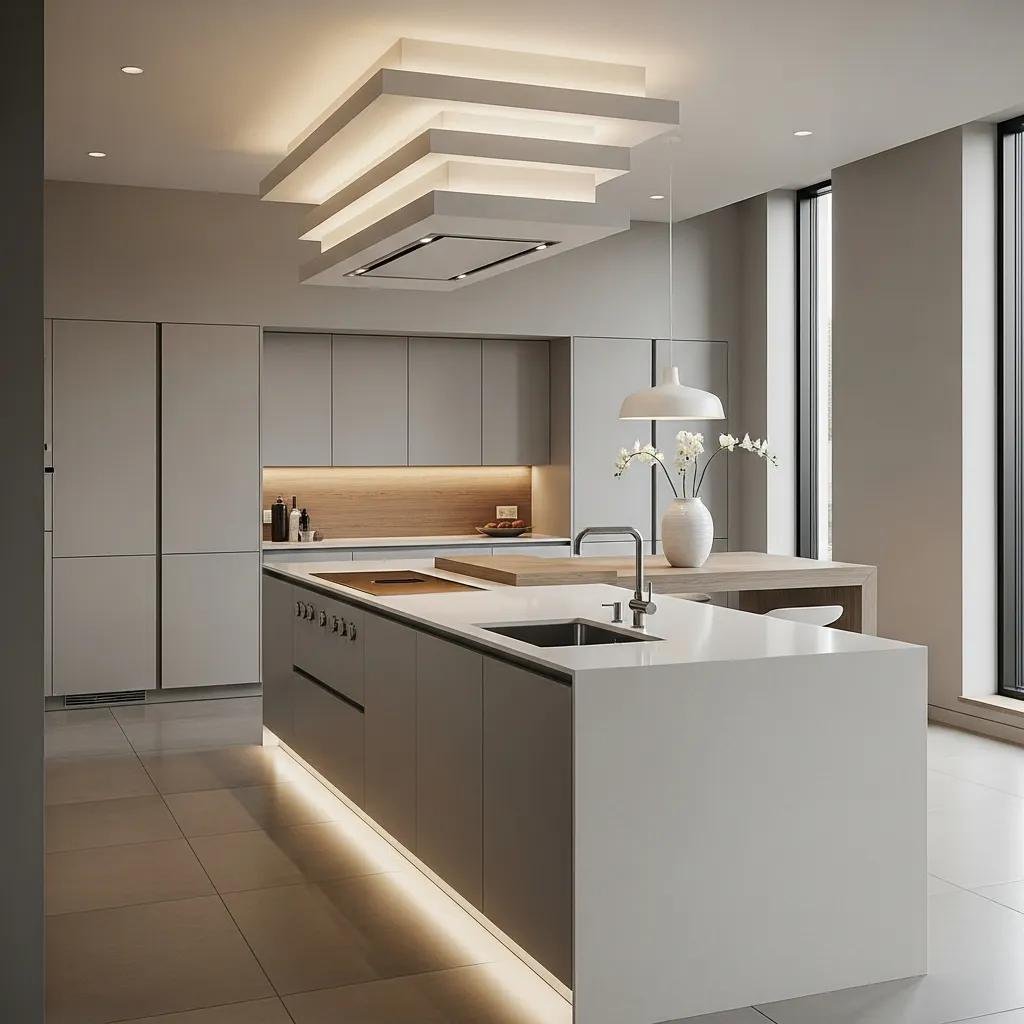
A clear, step‑by‑step renovation process produces kitchens and bathrooms that emphasize calm, functionality, and enduring value. Begin with spatial planning, select finishes that reduce visual clutter, and specify integrated storage and considered lighting to support daily life. In the Washington, D.C. metro area, high‑end remodels also need to balance aesthetics with durable materials and efficient project execution. Use the checklist below to guide a renovation from concept through completion.
Follow this stepwise checklist for minimalist renovations:
- Plan the layout: Favor open sightlines and efficient circulation to minimize visual barriers.
- Select finishes: Specify neutral, durable surfaces—large‑format tile, engineered wood, or quality LVT—that read as continuous planes.
- Integrate storage and appliances: Choose handle‑free cabinetry, appliance garages, and built‑in pantries to keep counters clear.
- Layer lighting: Combine ambient, task, and accent lighting to build a calm, adaptable atmosphere.
To clarify how features translate into benefits, the table below summarizes common minimalist renovation elements and their practical impacts for homeowners.
This mapping helps homeowners prioritize upgrades that deliver calm, practical advantages and sustained return.
Scanbuild LLC brings regional experience to homeowners across the Washington, D.C. metro area who prefer a design‑build path that pairs these principles with luxury craftsmanship. As a resource for high‑end kitchen and bathroom remodeling, we focus on creative design, quality workmanship, and end‑to‑end project management—from initial sketches through construction. If you want an integrated, minimal renovation, consult with Scanbuild LLC to align design goals and build logistics.
What Features Define a Spa-Like Minimalist Bathroom Renovation?
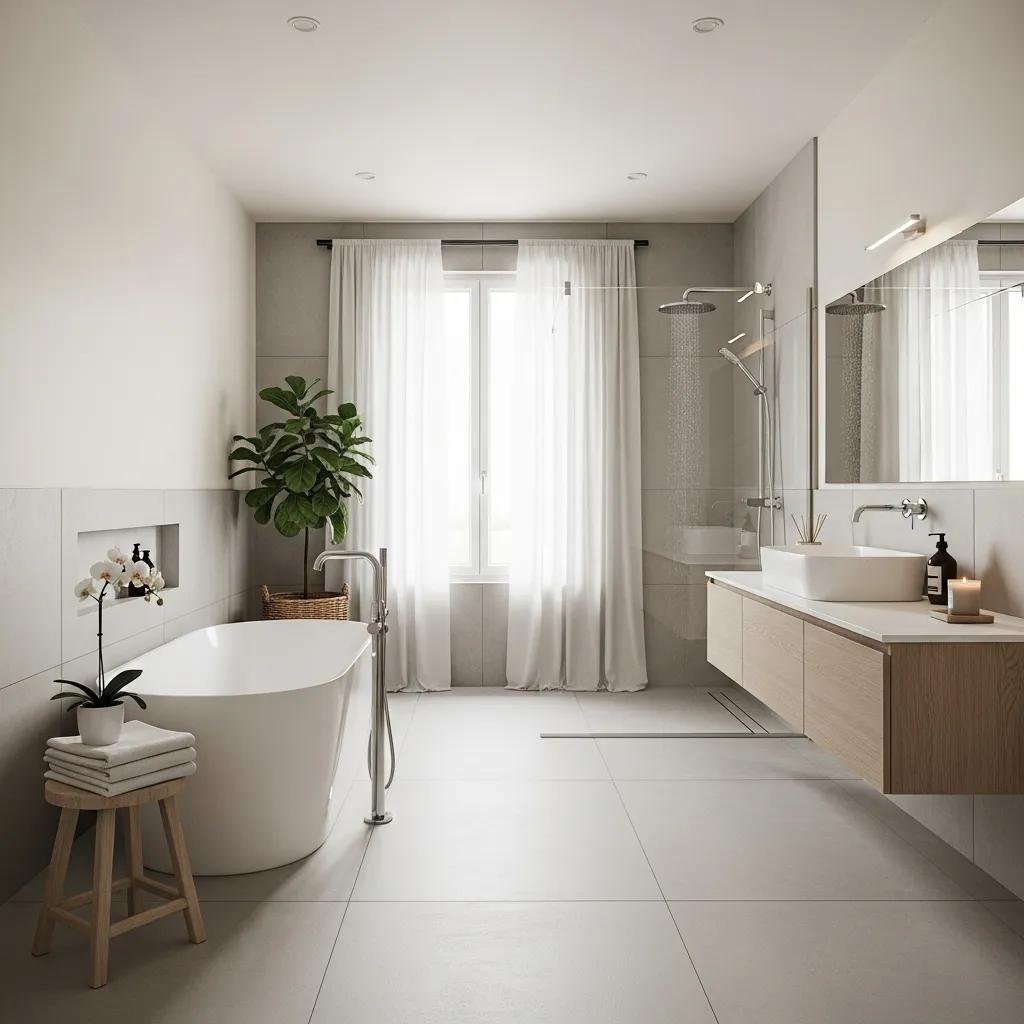
Spa‑like minimalist bathrooms prioritize openness, tactile materials, and understated fixtures that support relaxation and simple upkeep. Key elements include freestanding tubs, frameless glass showers, large‑format tiles for visual continuity, and layered lighting that balances ambient warmth with task clarity. These choices minimize visual barriers and use texture to create a sensory retreat, reinforcing the room’s restful quality. Maintenance and ROI tip: choose water‑resistant, low‑porosity finishes and reputable plumbing fixtures to protect longevity and value.
A spa‑inspired bathroom naturally dovetails with minimalist kitchen principles—continuity, texture, and concealed storage remain central.
How Do Hidden Storage and Sleek Cabinetry Enhance Luxury Minimalist Kitchens?
Hidden storage and streamlined cabinetry keep counters clear and clarify kitchen workflows, making minimalist living practical for everyday use. Solutions like integrated pantries, soft‑close drawers, pull‑out organizers, and appliance garages keep essentials accessible yet out of sight, reducing visual noise and speeding cleanup. Layouts that locate prep zones next to concealed storage boost efficiency and make minimalism sustainable for busy households. Thoughtful hardware choices and durable finishes extend lifespan and preserve the refined look central to luxury minimalist kitchens.
These cabinetry strategies pair naturally with floor selections that tie minimalist interiors together.
Which High-End Flooring Options Best Complement Minimalist Home Design?
Flooring anchors a minimalist interior by setting base color, texture, reflectance, and acoustic character—so the right surface is essential for a serene room. Large‑format porcelain and natural stone create continuous visual flow and a quiet, refined look; engineered wood adds warmth and subtle grain that complements neutral palettes; luxury vinyl tile (LVT) delivers durability and convincing textures that stand up to moisture. The brief comparison below highlights each option’s strengths so homeowners can weigh aesthetics against performance.
Brief pros for each flooring type:
- Large‑format porcelain: Seamless visual field, low maintenance, excellent continuity across zones.
- Natural stone: Tactile luxury and longevity; requires sealing and periodic care.
- Engineered wood: Real‑wood character with improved dimensional stability.
- Luxury vinyl tile (LVT): Very durable, water‑resistant, and available in realistic wood or stone looks.
The table below compares these flooring types on durability, look, maintenance, and cost to help guide your selection.
Choosing flooring that supports visual continuity and acoustic comfort helps establish a serene baseline for minimalist interiors.
What Are the Benefits of Luxury Vinyl Tile and High-End Tiling for Minimalist Spaces?
Luxury vinyl tile and high‑end, large‑format tiling both support minimalist schemes through durability, water resistance, and the ability to create near‑seamless surfaces. LVT offers realistic texture and low upkeep, making it ideal for active households and wet zones where continuity matters. Large‑format tile minimizes grout lines and, with careful grout color selection, preserves a clean plane. Working with reputable suppliers and skilled installers protects the material’s visual integrity and long‑term performance in a luxury minimalist interior.
Scanbuild LLC specifies high‑end tiling and LVT as part of our material palette and partners with trusted suppliers for precision installation—so clients get options that balance look, durability, and maintenance.
How Does Flooring Choice Influence the Serene Atmosphere in Modern Minimalist Homes?
Flooring shapes perception through reflectance, texture, and acoustics—each of which can calm or energize a room. Light‑reflective surfaces brighten and open spaces; matte, textured floors absorb sound and add tactile warmth. Visual continuity across adjacent rooms reduces perceptual breaks and helps the eye move unimpeded, reinforcing minimalist intent. Acoustic underlays and softer finishes improve comfort and reduce echo, supporting the restorative quality of a serene interior.
Careful floor‑to‑wall continuity and acoustic planning lead naturally into the ongoing practice of decluttering and organization that sustains minimalism.
How Does Decluttering and Organization Support Serene Minimalist Home Decor?
Decluttering and smart storage are the operational backbone of lasting minimalist design: they stop visual noise from creeping back in. The behavior change is simple—when systems make it easy to put things away, people keep surfaces clear. Practical strategies combined with integrated design create habits that preserve calm and reduce decision fatigue. Below are effective decluttering methods you can start using right away.
Three effective decluttering strategies homeowners can apply immediately:
- Three‑bin edit: Sort items into keep, donate, and discard to make quick, decisive progress.
- Function‑first editing: Prioritize items by frequency of use rather than sentiment to keep daily life efficient.
- Scheduled small sessions: Use short, regular intervals (for example, 15 minutes weekly) to prevent buildup and maintain calm.
To help you choose, the table below compares each strategy by implementation and impact.
Integrating organizational features during a renovation—built‑in drawers, zoned storage, and custom cabinetry—makes these habits effortless. Scanbuild LLC designs storage systems into our projects for DC area homeowners who want solutions that sustain minimalist living and simplify daily routines.
Frequently Asked Questions
What are the key benefits of adopting a luxury minimalist design in my home?
Luxury minimalism creates a calmer, more intentional home by emphasizing quality, function, and clarity. You get a living space that reduces visual stress, simplifies maintenance, and supports routine—so daily life feels easier and more pleasant. Thoughtful storage and considered finishes also protect long‑term value.
How can I incorporate biophilic design elements into my minimalist home?
Bring nature in with well‑placed plants, generous daylight, and materials like wood and stone to reinforce a soothing connection to the outdoors. Simple touches—a planting nook, a textured stone surface, or a water element—add sensory depth without disrupting a minimalist composition. These choices improve atmosphere and, often, air quality.
What are some common mistakes to avoid when designing a minimalist space?
Common missteps include overfilling the space with furniture, ignoring layered lighting, and failing to plan for storage. Minimalism isn’t about emptiness—it’s about selectivity. Prioritize pieces that earn their place, design flexible lighting, and build storage into the architecture so the look is maintainable.
How can I maintain a minimalist aesthetic in a family home?
Make minimalism family‑friendly with clear organizational systems, multifunctional furniture, and routines that involve the whole household. Hidden storage, easy‑to‑use bins, and short weekly tidy sessions keep clutter from accumulating. Turn decluttering into a simple habit rather than a sporadic chore.
What role does color play in luxury minimalist design?
Color sets mood. A neutral base—soft whites, warm grays, and earth tones—creates calm and flexibility for accents. Small, controlled color moments can add character without breaking the serenity. The goal is harmony: use color to enhance tranquility, not to compete with it.
How can I effectively declutter my home to align with minimalist principles?
Start with a deliberate system: try the three‑bin edit, apply function‑first decisions, and schedule short, regular sessions to maintain progress. Pair behavioral changes with built‑in storage so the home supports tidy habits and the minimalist look endures.
Conclusion
Embracing luxury minimalist design is a practical route to a more serene home—one that values quality, clarity, and thoughtful function. By applying core principles like clean lines, natural materials, and integrated storage, you can create interiors that feel both restorative and enduring. For homeowners in the Washington, D.C. area, partnering with Scanbuild LLC brings local expertise and a design‑build approach that keeps your vision cohesive from concept through construction. Learn how our tailored solutions can turn your home into a calm, confident sanctuary.
Recent Comments