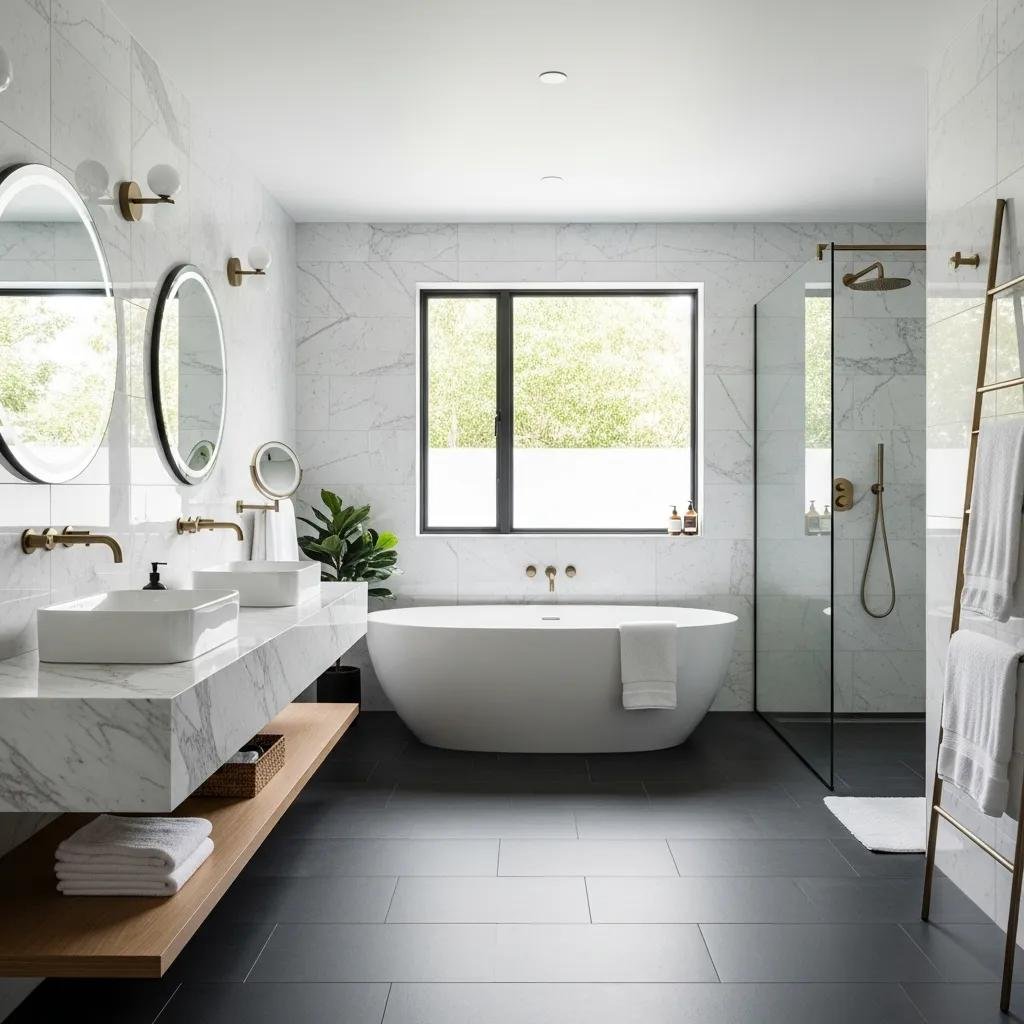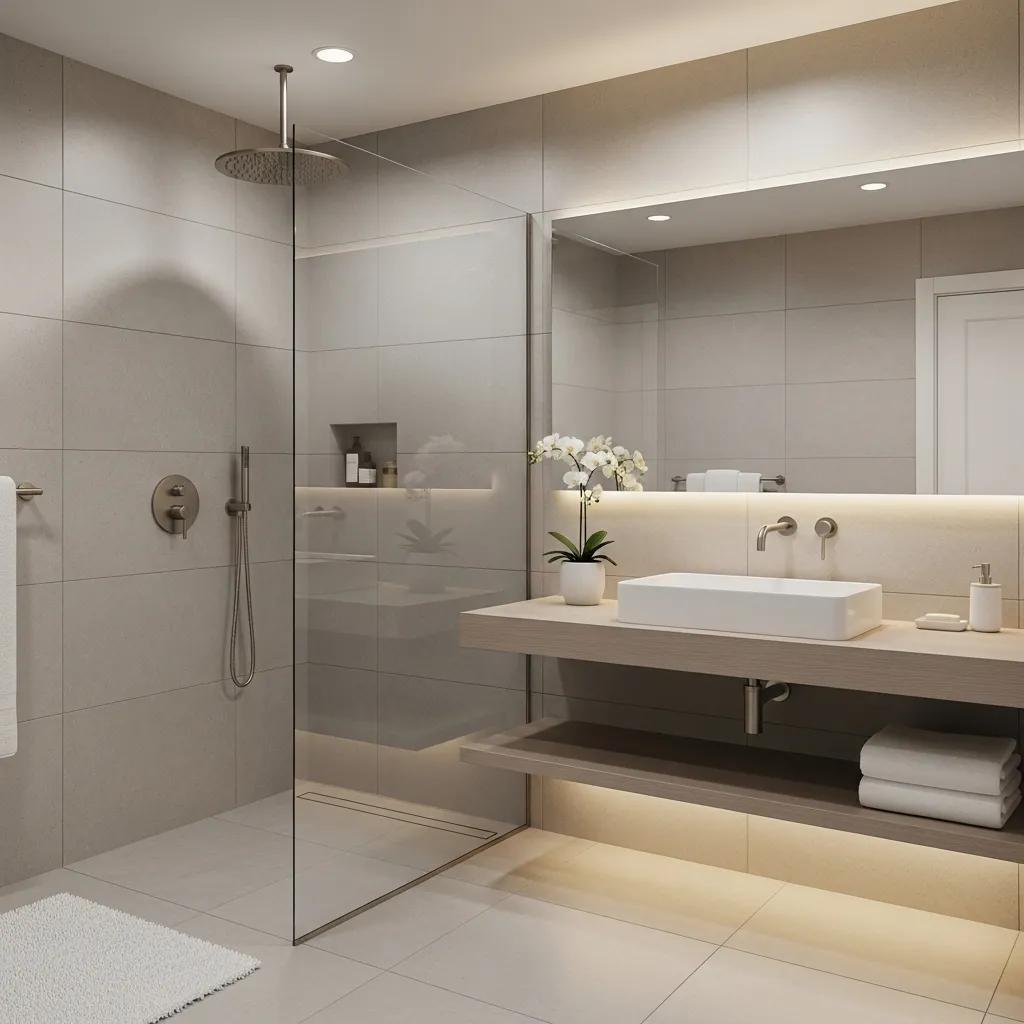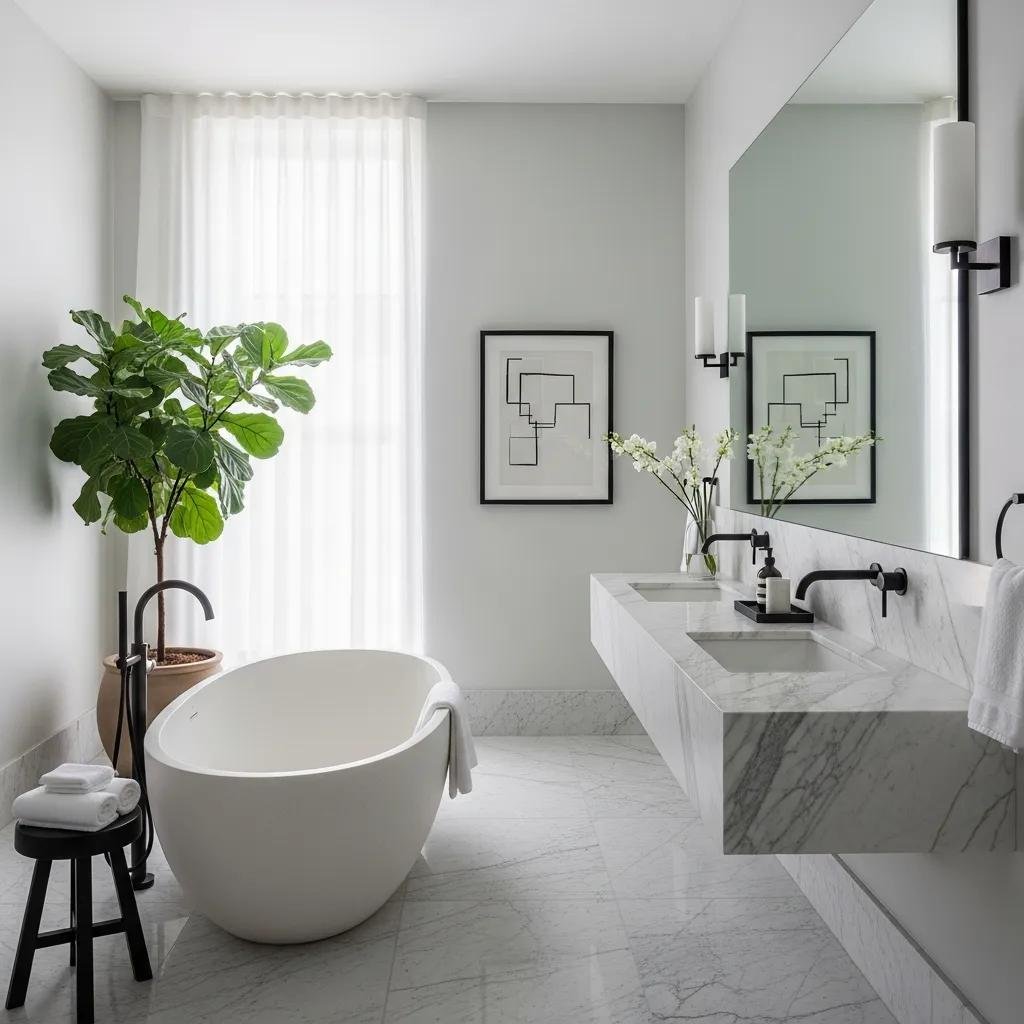
Luxurious bathroom with freestanding tub and marble finishes

Bathroom Remodeling Services in Downtown Your City

Luxury Bathroom Remodeling in Downtown Washington, D.C.: Thoughtful Design Meets Expert Craftsmanship

A luxury bathroom remodel in Downtown Washington, D.C. blends considered design, skilled craftsmanship, and systems-level planning to turn an everyday room into a calming, spa-like retreat. This guide walks through the signature elements of high-end bathroom projects, how to vet premium contractors, the 2024 trends shaping upscale renovations, and practical budgeting and scheduling guidance so homeowners can plan with confidence. For local owners who want a single-source design-build partner, Scanbuild LLC offers consultations and can deliver a clear estimate and project plan tailored to Downtown D.C. properties. Along the way you’ll find actionable checklists, side-by-side comparisons of materials and scopes, and straightforward criteria to evaluate contractors and technologies for an urban bath renovation. By the end, you’ll be able to weigh materials and layouts, identify contractor credentials to require, request the right luxury features, and set realistic cost and timeline expectations for a master bath remodel in the Washington metro area.

What Defines a Luxury Bathroom Remodel in Downtown Washington, D.C.?
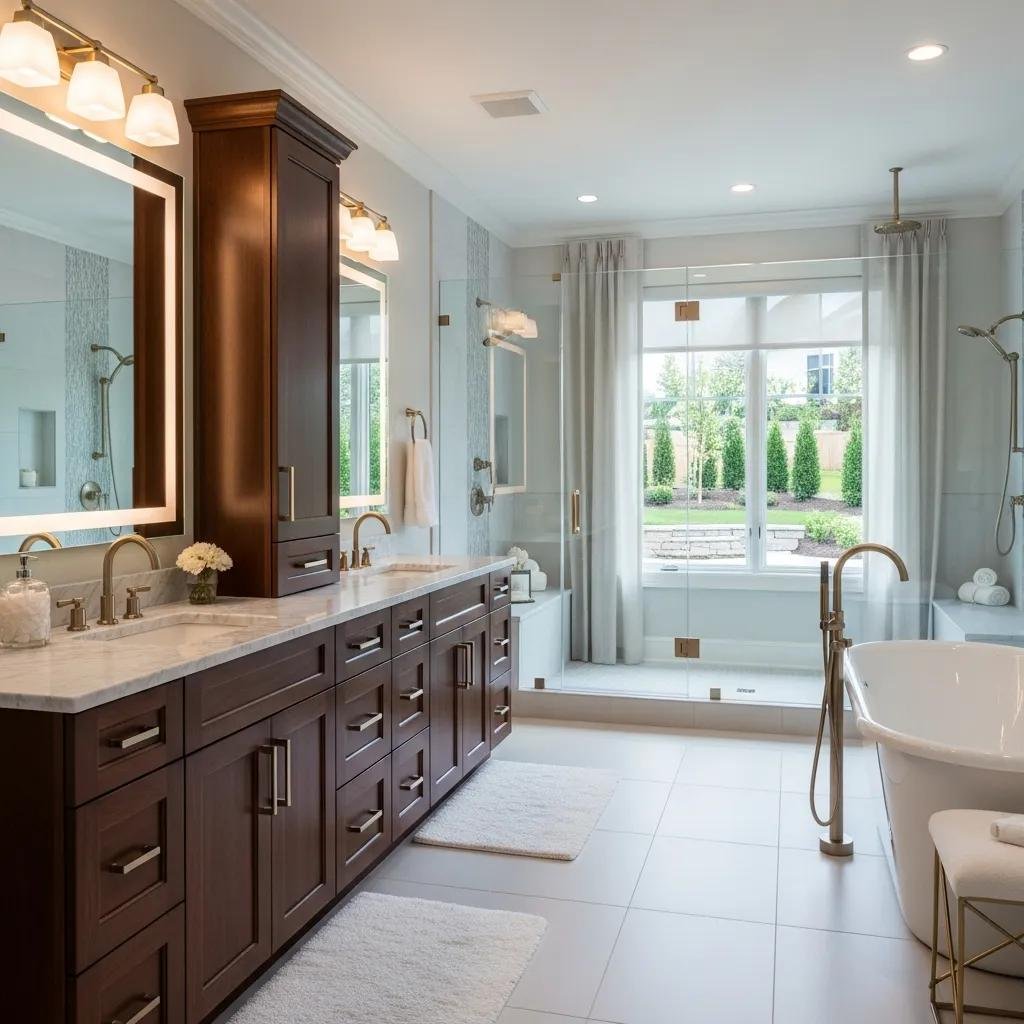
Upscale downtown bathroom showing custom cabinetry and premium fixtures

Luxury bathroom remodeling in Downtown D.C. focuses on high-quality materials, smart use of limited urban space, and integrated comfort systems that elevate everyday routines. Upscale projects pair long-lasting natural stone or engineered surfaces with custom millwork, precision plumbing, and smart controls to deliver both beauty and durability. These choices respond to downtown realities—compact floor plans, historic details, and permitting limits—while maximizing light, storage, and circulation. The features below outline what consistently sets high-end downtown bath renovations apart and help homeowners prioritize trade-offs during planning.

Luxury bathroom features typically include the following:

  1. High-grade surfacing: Large-format porcelain or honed stone that minimizes grout lines and creates a continuous, upscale look.
  2. Custom cabinetry: Built-in storage that respects the home’s architecture while hiding plumbing access.
  3. Premium plumbing fixtures: Thermostatic valves, rainfall showerheads, and finishes chosen for longevity and performance.
  4. Comfort systems: Radiant heated floors, towel warmers, and effective ventilation to maintain a spa-like environment.
  5. Smart controls: Digital shower controllers and automated lighting scenes for convenience and energy management.
  6. Spa amenities: Freestanding soaking tubs, steam enclosures, and integrated shower seating for relaxation and accessibility.

These elements form a practical roadmap when balancing budget and impact—each decision affects maintenance and resale value. Knowing material trade-offs up front makes it easier to refine scope and produce accurate construction schedules.

The table below compares common luxury fixtures and materials so you can quickly scan trade-offs.

FeatureTypical SpecificationValue for Downtown Homes
Freestanding TubMarble or composite stoneVisual centerpiece; requires careful structural floor review
Shower EnclosureFrameless glass, curbless thresholdMaximizes perceived space; improves accessibility
TileLarge-format porcelain / marbleFewer grout lines; cleaner visual field for small bathrooms
FixturesPolished brass / matte black / chromeDurable finishes that establish the design tone
Heated FloorsElectric or hydronic systemsAdds comfort and raises perceived luxury

This comparison clarifies cost, maintenance, and spatial implications so homeowners can make informed selections before design development.

Which High-End Materials and Finishes Signal a Luxury Bathroom?

High-end materials—marble, quartz, large-format porcelain, mosaic accents, and premium metal finishes—convey luxury through texture, finish quality, and precise installation. Marble brings timeless veining for vanity tops or accent walls; engineered quartz offers similar visual weight with easier upkeep. Large-format porcelain mimics natural stone with lower porosity and fewer grout lines—ideal in compact Downtown D.C. baths where visual continuity matters. Polished brass or matte-black hardware supplies a curated contrast, but durability and maintenance needs should guide final selections based on household use.

Working with experienced tile suppliers and installers up front ensures patterns, grout joints, and substrate preparation meet luxury standards and reduces the risk of costly rework.

How Does Custom Design Improve a Downtown D.C. Bathroom?

Custom design adapts layouts to the building’s constraints—stacking plumbing runs, preserving historic moldings, or reorienting circulation—to extract maximum function from small footprints. Designers integrate recessed medicine cabinets, concealed laundry niches, and tailored storage to keep the look clean while increasing utility. In one urban retrofit, converting the shower to a wet room and relocating the vanity made space for a freestanding tub without expanding the footprint—preserving flow and sightlines. A coordinated design-build workflow resolves structural, plumbing, and electrical coordination early so millwork, tile layouts, and fixtures are decided before demo, reducing change orders and schedule risk.

How Do You Choose the Right DC Bathroom Renovation Contractor?

Picking the right contractor for a luxury bathroom remodel in Downtown Washington, D.C. requires a focused vetting process that verifies credentials, relevant portfolio experience, and a reliable design-build approach. Start by confirming licenses, bonding, and insurance, then review portfolios for projects with comparable materials and finish levels. Look for clear project management, transparent warranty terms, and demonstrated local permitting experience so the team can handle inspections and historic-district requirements.

Use this checklist when interviewing contractors:

  1. Verify licensing and insurance: Confirm active local trade licenses and general liability coverage before signing.
  2. Review luxury project portfolio: Ensure past work shows stone, custom millwork, and experience with tight urban sites.
  3. Ask about design-build capability: Prefer single-source providers who manage design, permitting, and construction to reduce handoffs.
  4. Check references and local permits: Request client references and examples of permit navigation in Washington, D.C.
  5. Confirm warranty and post-completion support: Clarify who handles maintenance and warranty claims after closeout.

Following these steps lowers risk and helps you find contractors able to deliver high-end finishes on schedule. Scanbuild LLC, for example, operates as a licensed, bonded, and insured design-build firm—the kind of single-source accountability homeowners should expect.

What Credentials and Experience Matter for Downtown D.C. Contractors?

Look for contractors with trade licenses, general liability insurance, and bonding appropriate to the project scope, plus a portfolio showing luxury finishes—stone fabrication, detailed tile work, and custom cabinetry. Local permitting, inspection experience, and familiarity with historic-district review are essential for downtown properties where rules can differ from suburban projects.

Confirm the contractor has completed projects of similar complexity—coordinating plumbing, electrical, and structural trades for features like freestanding tubs or wet rooms. Asking for project photos, substrate-prep documentation, and references from nearby clients gives concrete proof of capability.

Why Hire a Licensed, Bonded, and Insured Contractor?

Hiring a licensed, bonded, and insured contractor protects homeowners from practical and financial risk: licenses show regulatory compliance, bonds provide recourse if a contractor fails to finish, and insurance shields the homeowner from liability for on-site injuries.

Without these protections, homeowners may face uncovered damages, fines, or permitting hurdles. In real cases, bonding or insurance claims can preserve project funds and prevent disputes from becoming expensive legal problems. Verifying credentials before you sign is a simple step that materially reduces project risk and eases permitting and inspections.

Which Trends Are Shaping High-End Bathroom Remodels in Downtown D.C.?

In 2024, luxury bathroom trends for Downtown D.C. favor open, airy layouts, tactile materials, integrated smart controls, and biophilic touches that bring calm to urban homes. Designers are using wet-room concepts with curbless transitions to expand perceived space, bold patterned tile as focal points, and nature-inspired palettes with warm metal accents. Smart features—digital shower controls, heated floors, and smart mirrors—are moving from add-ons to core specifications, so they need to be coordinated early in design.

The trends below describe practical implementations and benefits you can request during your design consultation.

  • Wet-room and curbless showers: Create visual openness and improve accessibility while requiring modern drainage and waterproofing.
  • Bold patterned and textured tile: Adds personality and a focal point without needing extra square footage.
  • Smart integration: Digital shower controls, programmable heated floors, and app-enabled lighting for comfort and efficiency.
  • Biophilic design: Natural materials and plant-friendly ventilation improve perceived air quality and wellbeing.
  • Floating vanities and freestanding fixtures: Offer a contemporary aesthetic, easier cleaning, and sculptural presence.

These trends imply specific material and trade coordination; including them early in scope reduces costly retrofits during construction.

TrendTypical ImplementationBenefit
Wet-roomCurbless threshold, linear drainGreater perceived space and accessibility
Patterned TileAccent wall or floor motifHigh visual impact with modest footprint
Smart ControlsDigital shower, thermostats, smart mirrorPersonalized comfort and energy savings
Natural MaterialsStone, wood-look porcelainCalming palettes and durable finishes
Freestanding FixturesTub and floating vanitiesSculptural focus and cleaner sightlines

This side-by-side helps homeowners choose trends that deliver the best value given their budget and space.

How Are Smart Technologies Wired into Modern Luxury Bathrooms?
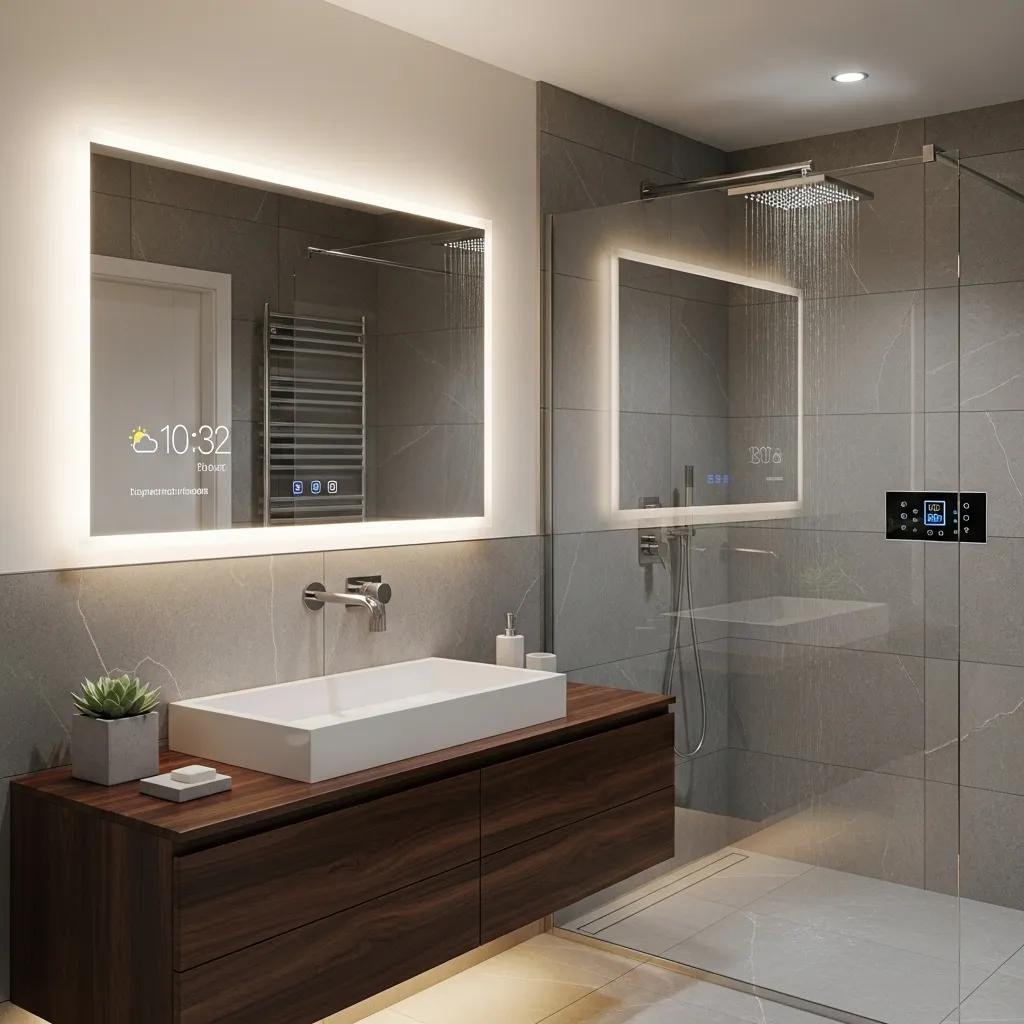
Modern luxury bathroom showing integrated smart controls and clean design

Smart bathroom tech commonly includes digital shower controls, programmable radiant floors, touchless fixtures, and smart mirrors with lighting and defogging. Effective integration requires early electrical planning and coordination with plumbing so valves, sensors, and controllers are accessible behind finished walls and have reliable network connections.

Discuss security and privacy—firmware updates, network segmentation, and device lifecycle—with your contractor and product suppliers to avoid surprises.

When incorporated during design, smart features deliver everyday convenience and can be staged across budgets without compromising long-term reliability.

Which Design Choices Create a Spa-Like Master Bathroom in D.C.?

A spa-like master bath layers lighting, natural textures, efficient ventilation, and an ergonomic layout to promote wellness and relaxation. Combining ambient, task, and accent lighting builds depth while good ventilation and humidity control protect finishes and prevent mold.

Adding steam-capable enclosures, built-in shower seating, and radiant heated floors boosts comfort; neutral palettes, tactile stone, and warm wood tones encourage a restful atmosphere. Thoughtful acoustic and sightline treatments—sound-dampening finishes and privacy glazing—further separate the space from the city outside and support a restorative experience.

How Do You Plan and Budget for a Downtown Washington, D.C. Master Bathroom Renovation?

Planning and budgeting for a master bathroom renovation in Downtown D.C. begins with a clear scope, finish selections, and realistic timelines that include permitting and trade coordination. Phased budgeting—with allowances for key finishes and a contingency—helps homeowners protect quality while absorbing unforeseen conditions common in older urban buildings. The design-build model reduces schedule risk by consolidating design, permitting, procurement, and construction under one contract, which improves cost predictability and limits change orders. Below is a concise cost/time comparison for typical luxury remodel scopes to set expectations.

ScopeCost Range (USD)Typical Timeframe
Vanity refresh / cosmetic upgrade$10,000–$25,0002–4 weeks
Mid-scope remodel (new fixtures, tile, layout tweaks)$25,000–$60,0006–10 weeks
Full rip-and-replace master bath (structural changes, high-end finishes)$60,000–$150,000+10–16 weeks

These ranges reflect downtown conditions where access, permit timelines, and substrate repairs can lengthen schedules or increase costs. A 10–20% contingency for luxury finishes and unexpected structural work is prudent.

The design-build approach helps minimize surprises by aligning design intent with construction means and methods; homeowners can request consolidated estimates and timelines to compare proposals more effectively. For an accurate design-build estimate and phased project timeline for Downtown Washington, D.C. properties, schedule a consultation with Scanbuild LLC to review scope, allowances, and timing.

What Does a Luxury Bathroom Remodel Typically Cost in Downtown D.C.?

Cost ranges for luxury bathroom remodeling in Downtown D.C. start at cosmetic upgrades and extend to full master-bath overhauls. In brief: expect cosmetic refreshes around $10,000–$25,000, mid-scope renovations from $25,000–$60,000, and full luxury remodels from $60,000 to well over $150,000 depending on structural work and ultra-premium finishes. Major cost drivers include material choice (natural stone vs. engineered surfaces), plumbing or layout changes, structural reinforcement for heavy fixtures, and complexity of smart-system integration. Permitting and access in downtown buildings also affect time and cost.

How Does a Design-Build Process Improve Project Outcomes?

A design-build workflow creates single-point accountability across consultation, schematic design, permitting, construction, and closeout so budget, schedule, and quality goals are aligned from the outset.

During consultation and schematic design, priorities and allowances are set; permitting confirms code requirements; construction coordinates procurement and trades to limit change orders. This reduced handoff between designer and builder lowers miscommunication and schedule slips. Clear milestones, a single contract, and coordinated quality-control checks help deliver consistent results that meet homeowner expectations.

Final planning note and contact invitation

Thoughtful early planning, realistic allowances for premium materials, and a design-build partner familiar with Downtown Washington, D.C. permitting and installation constraints materially improve outcomes and homeowner experience.

If you’re ready to move from inspiration to a practical project plan, Scanbuild LLC offers design-build consultations to review scope, schedule, and next steps. Contact Scanbuild LLC by phone or email to request a consultation and an initial estimate.

Frequently Asked Questions

What are the benefits of using a design-build approach for bathroom remodeling?

Design-build streamlines remodeling by combining design and construction under a single contract. That structure improves communication, reduces mismatch between intent and execution, and simplifies project management. Homeowners get one point of accountability, which speeds decisions and lowers the chance of change orders. The approach also tends to deliver better cost control and a more cohesive finished space because design and construction teams collaborate from day one.

How can I ensure my luxury bathroom remodel adds value to my home?

To maximize value, choose durable, timeless materials and features that appeal to buyers—quality stone, efficient fixtures, and neutral palettes with thoughtful details. Focus on functionality, storage, and finishes that stand up to daily use. Smart technologies and energy-efficient fixtures can be selling points, but prioritize long-term durability and broad market appeal. A local real estate consult can clarify which features resonate most in your neighborhood.

What should I consider when selecting materials for my bathroom remodel?

Consider durability, maintenance, and how the material complements the overall design. Natural stone, porcelain, and premium metals offer longevity but vary in upkeep. Think about porosity, grout maintenance, and how cleaners will affect finishes. Balance visual impact with practical requirements for your household and budget to ensure the result looks great and performs well long-term.

How can I incorporate smart technology into my bathroom remodel?

Plan smart features during design so electrical and plumbing can support controllers, valves, and sensors. Popular options include digital shower controls, smart mirrors, and programmable heated floors. Work with your contractor and product vendors to ensure network reliability, firmware support, and appropriate security measures like network segmentation to protect privacy.

What are some common mistakes to avoid during a bathroom remodel?

Common mistakes include underestimating budget, skimping on storage, and overlooking flow and functionality. Build a realistic budget with a contingency, plan adequate storage, and prioritize a layout that supports daily use and accessibility. Early coordination of trades and finishes also helps avoid costly changes during construction.

How long does a luxury bathroom remodel typically take?

Timelines vary by scope. Cosmetic upgrades generally take 2–4 weeks; mid-scope remodels run 6–10 weeks; full renovations with structural work and high-end finishes commonly require 10–16 weeks. Permitting, material lead times, and project complexity can lengthen schedules, so discuss your specific plan with your contractor to set a realistic timeline.

Conclusion

Turning a bathroom into a luxurious retreat improves daily life and can increase home value. By understanding key features, finish choices, and the design-build process, you can make informed decisions that align with your goals and budget. For personalized guidance and a project plan tailored to Downtown Washington, D.C., contact Scanbuild LLC for a consultation. Let’s create a space that blends lasting craftsmanship with thoughtful design.
by admin 19   /   21   /   23   /   25   /   79
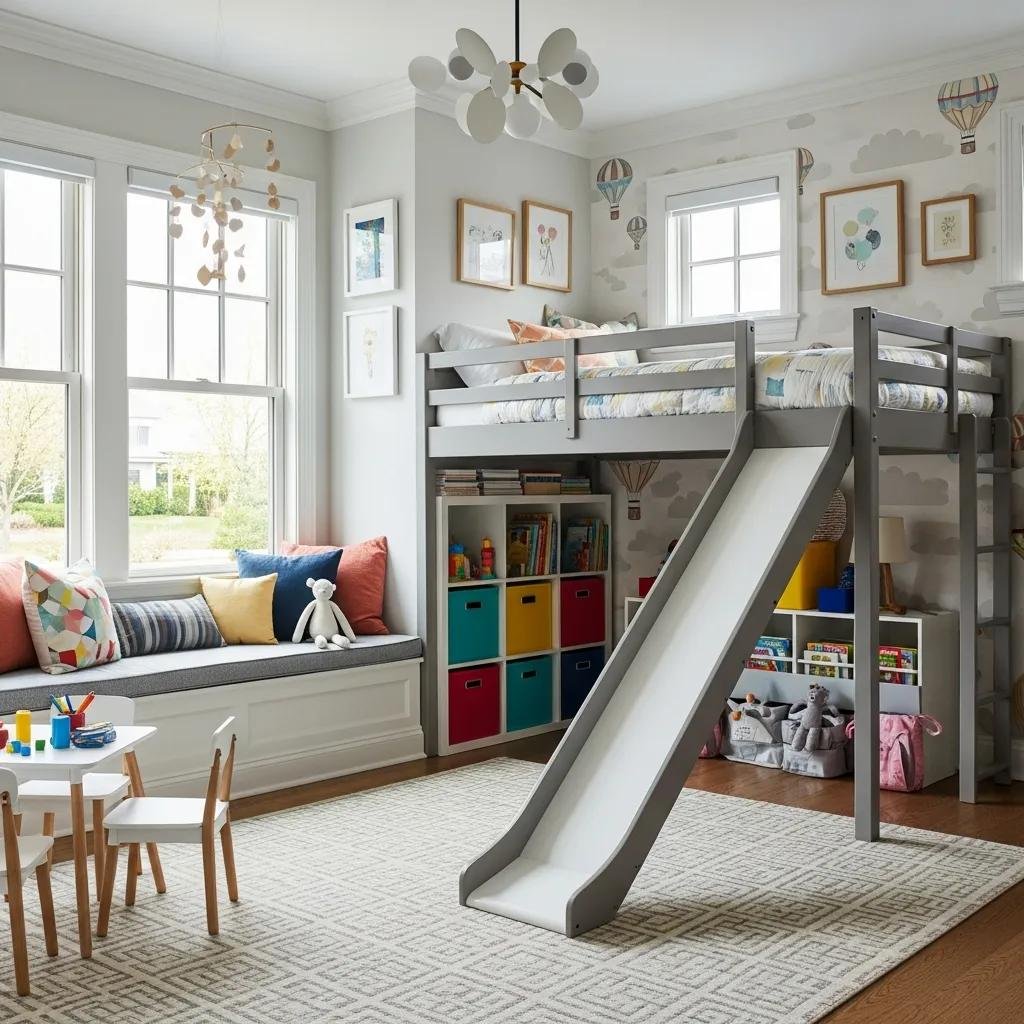
Luxury kids room with playful design elements, cozy reading nook, and stylish storage solutions

Fun & Functional Kids Room Design Ideas

Fun & Functional Kids’ Room Design: Luxury Renovation + Practical Solutions

A thoughtfully designed kids’ room blends imagination with materials that stand up to daily life. This guide shows how luxury renovation choices create spaces that feel playful yet are built to last. You’ll find practical design strategies—from clear zoning and smart storage to low‑maintenance, safe finishes—that support creativity, routines, and long‑term value. We cover why higher‑quality materials pay off, the storage systems that keep bedrooms organized, flooring that survives active play, and tasteful themed approaches that adapt as children grow. Common challenges like clutter, delicate finishes, and safety concerns are answered with actionable solutions and materials recommendations. Read on for concise lists, side‑by‑side comparisons, and three quick EAV tables to help you weigh options while prioritizing child safety, easy cleaning, and multi‑function design.

Why choose a luxury approach for functional kids’ rooms?

Luxury renovation for a kids’ room means picking durable finishes, tailored storage, and layouts that support play, study, and evolving needs. Quality materials resist wear, cut down on maintenance, and keep rooms looking fresh longer—protecting both daily usability and resale value. Thoughtful moves—clear play zones, built‑in study nooks, and flexible furniture—encourage independence and creative play while avoiding costly reworks. In short, investing in longevity reduces frequent patchwork and gives busy families dependable, low‑effort spaces.

At Scanbuild LLC we combine design and construction across the Washington, D.C. metro area, so planning and execution happen seamlessly. A consultation shows how custom cabinetry, flooring choices, and bespoke finishes will meet your family’s needs while fitting the home’s overall look. Our local, hands‑on approach helps homeowners turn ideas into durable, child‑friendly rooms that perform for years.

How does a well‑designed kids’ room encourage creativity and growth?

The best kids’ rooms use versatile zones—open play areas, cozy reading nooks, and focused study corners—to support different activities and stages of development. Clear zoning gives sensory variety and cues for play versus concentration, which helps routines and behavior. Material choices matter too: tactile textiles, layered lighting, and curated storage invite exploration while keeping order. For example, a cushioned window bench with built‑in shelves becomes both a reading spot and convenient book storage, encouraging independent reading. Designing for adaptability—swappable accents and modular furniture—keeps the room relevant as interests change, supporting long‑term development.

What are the benefits of combining fun with function?

Marrying playfulness and practicality simplifies daily life: smart storage cuts cleanup time, hard‑wearing finishes reduce repairs, and multi‑use furniture stretches limited space. Pieces like loft beds with built‑in desks or storage turn single‑use corners into flexible zones for sleep, study, and play. A resilient surface palette—wipeable paints, LVT flooring, and quality upholstery—holds up to heavy use and lowers long‑term costs and stress. Thoughtful design builds better routines, encourages independence, and creates a room that grows with the child instead of demanding frequent redesigns.

What storage solutions actually work for kids’ bedrooms?

Good storage mixes visible access, hidden capacity, and modular flexibility tuned to a child’s age and habits. Built‑ins, under‑bed drawers, open shelves, and labeled bins work together to keep items accessible while clearing surfaces. Low shelves make toys reachable; higher closed cabinetry holds seasonal items out of sight. Child‑height hooks and clear labels reinforce independence and make tidy‑up routines faster for the whole family.

If you’re upgrading cabinetry or closets, Scanbuild LLC’s experience with custom built‑ins and closets provides a practical path to integrated, long‑lasting storage. Design‑build projects ensure built‑ins fit room proportions and future needs, matching style with durability for a cohesive result.

Intro to storage comparison table: The table below compares common storage choices by capacity, accessibility, and best use.

Storage TypeCharacteristicBest Use
Built-in bench with drawersHigh capacity and integrated seatingAnchor storage and cozy reading nooks
Under-bed drawersHidden but easy to reachSeasonal clothing and bulk toy storage
Wall-mounted low shelvesChild‑friendly access and displayEveryday toys and books for independence
Modular cube systemReconfigurable and visibleRotating toy sets and labeled baskets

Pairing built‑ins for anchor storage with flexible modular pieces covers both long‑term capacity and day‑to‑day usability. Use built‑ins where permanence helps, and cubes or baskets where needs change.

How do custom built‑ins maximize space and usefulness?

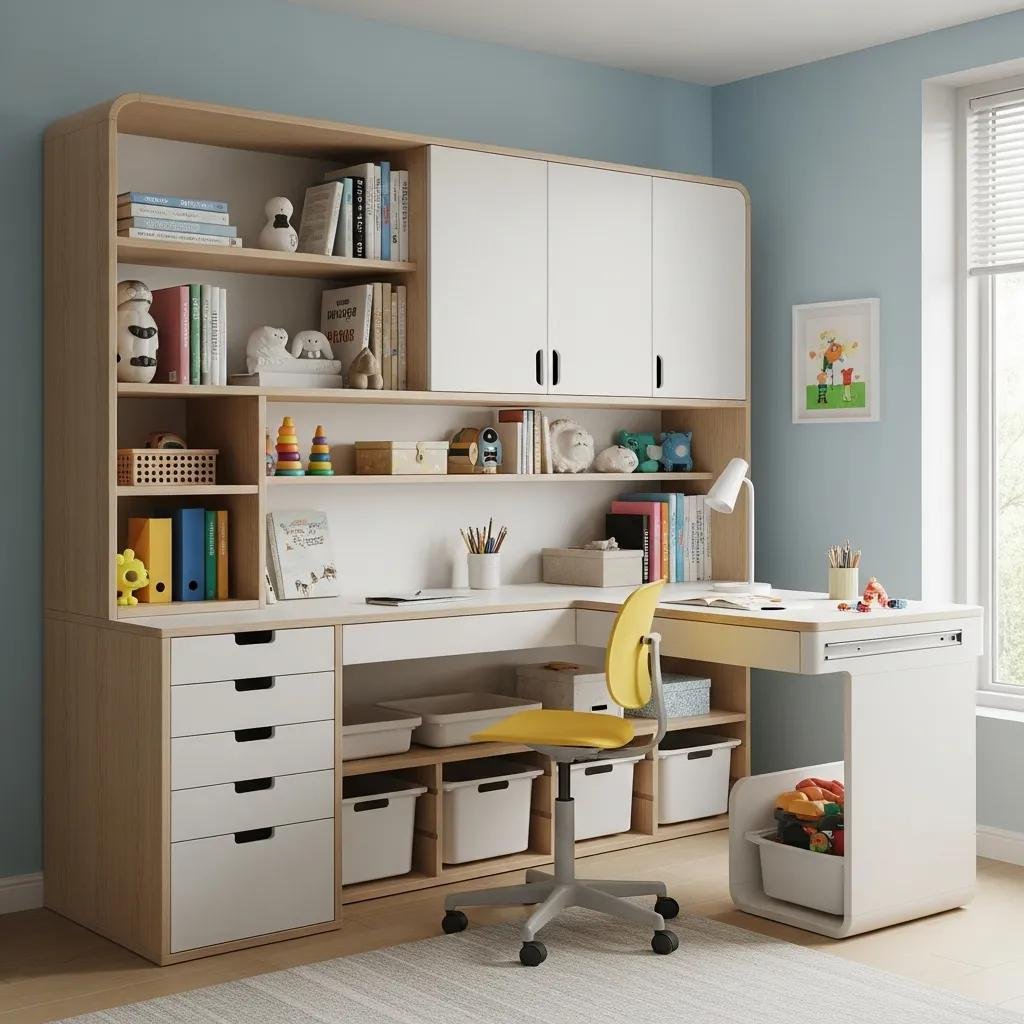
Custom built‑ins in a kids' room with a study nook and organized storage

Custom built‑ins turn walls and nooks into storage, seating, and study areas sized to a child’s routine and the room’s footprint. Choice of materials—durable painted MDF, lacquered cabinetry, or protected veneers—drives longevity and ease of cleaning. Integrated lighting and adjustable shelving let the piece adapt as kids grow. Built‑ins remove awkward furniture gaps where clutter gathers and deliver a polished look that elevates the room. For families seeking a smooth process, pros ensure measurements and finishes coordinate with other luxury elements. Thoughtful details—rounded edges, secure anchoring, and child‑safe hardware—keep built‑ins both beautiful and safe for the long haul.

Which smart storage habits keep playrooms tidy?

Smart storage focuses on visibility, labeling, rotation, and child access to make tidiness stick. Try toy rotation to limit choices, labeled baskets for sorting practice, and low shelves to promote independence. Multi‑use furniture—benches with removable lids or ottomans with internal bins—keeps everyday items close but out of sight. A short nightly tidy, like a five‑minute pickup before bed, turns organization into habit and prevents clutter buildup. These small systems make daily life easier while teaching kids useful skills.

Intro to EAV storage capacity table: The table below compares storage units by capacity, accessibility, and recommended age range.

Storage UnitAttributeValue
Built-in benchCapacityCustom sizes; high volume
Under-bed drawerAccessibilitySlide‑out ease for ages 3+
Wall shelfVisibilityLow shelves for ages 1–8
Cube organizerFlexibilityReconfigurable for all ages

How to pick durable, safe flooring for playrooms?

Flooring for kids’ spaces should balance durability, safety, and easy upkeep while offering the right texture and color for play. Ideal choices resist scratches and spills, provide some impact absorption, and avoid high‑VOC finishes to protect indoor air. Layered approaches—durable base flooring with removable rugs in play zones—combine simple cleaning with softer, cushioned areas for play. Flooring affects acoustics, hygiene, and maintenance, so choose a solution that supports how the room will be used.

Below is a quick flooring pros list to help parents prioritize common needs.

  • Luxury Vinyl Tile (LVT): Durable, water‑resistant, and simple to clean.
  • Non‑slip tile: Long‑lasting and hygienic; choose textured finishes for traction.
  • Stain‑resistant carpet: Soft and warm with treated fibers to resist spills.

Summary: Each flooring type balances comfort, care, and safety differently. A durable base like LVT paired with area rugs often delivers the best hybrid for playrooms.

Why is LVT a top pick for high‑traffic kids’ areas?

Luxury Vinyl Tile (LVT) mimics wood or stone while offering superior scratch, moisture, and stain resistance—perfect for active households. LVT is low maintenance: regular sweeping and damp mopping handle most messes, and textured options improve slip resistance and visual warmth. Add a cushion underlay for extra impact absorption where kids play. Scanbuild LLC lists Luxury Vinyl Flooring among our core services, making LVT a natural choice for families who want a premium, low‑maintenance floor with professional installation. It’s an aesthetic and practical win.

Intro to flooring comparison table: The following table contrasts common flooring types for kids’ rooms by durability and maintenance.

Flooring TypeDurability / Water ResistanceMaintenance
Luxury Vinyl Tile (LVT)High durability; water‑resistantEasy cleaning; low upkeep
Non-slip tileVery durable; hygienicRegular grout care; mop‑friendly
Stain-resistant carpetModerate durability; softer impactVacuum and spot clean regularly

This comparison highlights LVT as the best balance of durability and low maintenance for busy family zones, with tile serving wet areas and carpet creating cozy pockets.

What safety features should flooring offer?

Choose flooring with slip resistance, low‑VOC certifications, and options for cushioning underlays to soften falls. Favor materials with clear environmental and indoor‑air‑quality claims and avoid finishes that off‑gas or require harsh cleaners. Use area rugs with non‑slip pads in play areas for warmth and extra protection. Regularly check seams and edges to prevent tripping risks and keep the surface safe. Prioritizing these safety features ensures flooring supports active play without compromising health or function.

How can themed bedrooms boost imaginative play and style?

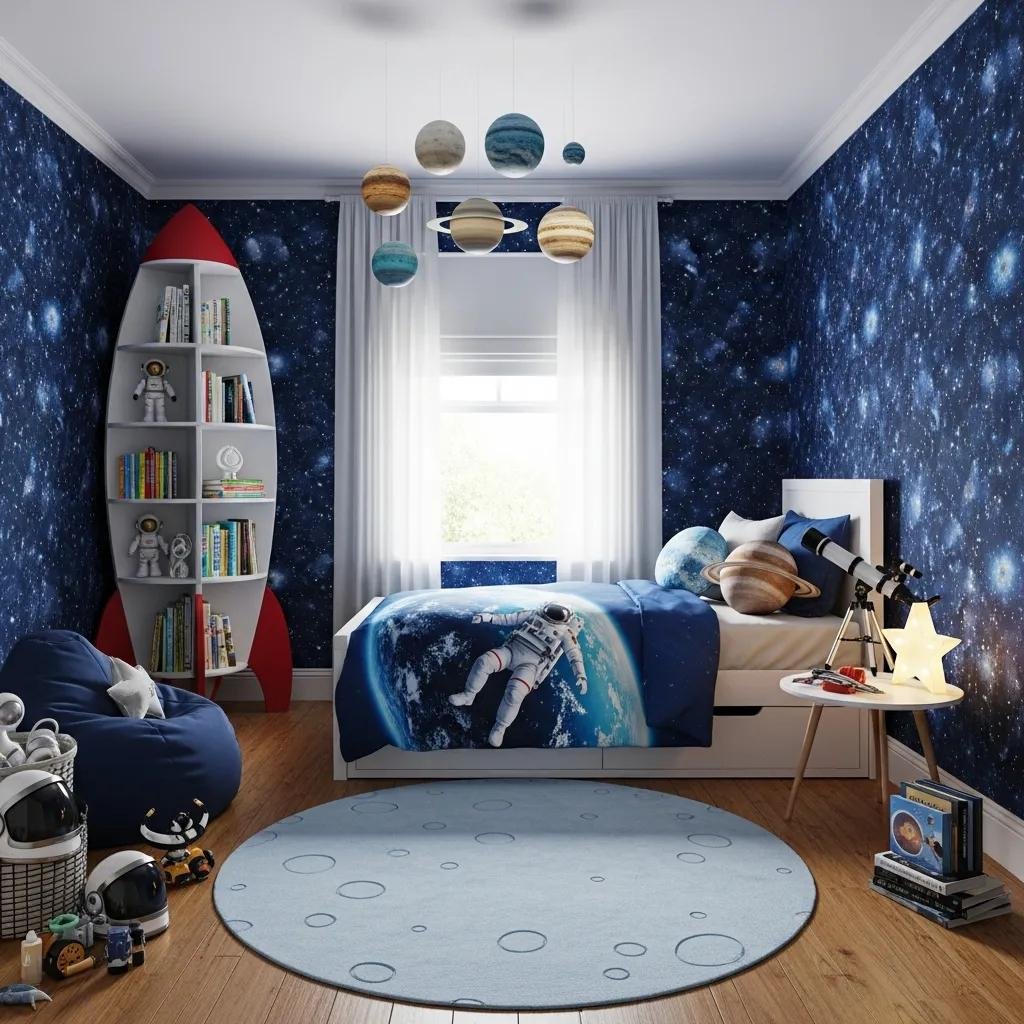
Tasteful themed kids' bedroom with starry accents and playful design elements

Tasteful themed rooms spark imaginative play by creating immersive yet flexible settings for role play, storytelling, and identity exploration. A luxury approach uses quality finishes, neutral base palettes, and replaceable accents—textiles, removable decals, and modular decor—so style stays sophisticated while creativity flourishes. Layer themes with easy‑to‑change elements like swap‑out art, modular furniture, and adjustable lighting so the look can evolve without a full remodel. Well‑designed themes deepen engagement but remain adaptable to protect home value.

  1. Fosters imaginative play: Immersive sets encourage role‑playing and storytelling.
  2. Enables personalization: Curated accents let kids express identity.
  3. Supports cohesion: A consistent theme connects zones for calm and creativity.

Summary: Start with a neutral foundation and layer high‑quality accents for play value that stays fresh and resale‑friendly.

Which luxury themes work best for children’s rooms?

Luxury‑friendly themes combine restraint with strong focal points—space, safari, nautical, and modern whimsical approaches give identity without overwhelming the home. A space theme uses muted starry wallpapers and integrated LED lighting for atmosphere; a safari room leans on natural textures and plant accents; nautical designs pair navy tones with brushed brass or matte hardware for refined detail; modern whimsical relies on sculptural furniture and tactile textiles for a boutique feel. Use quality materials and neutral bases so key themed accents can be swapped as interests change.

Intro to themed-element EAV table: This table compares themed elements by permanence, flexibility, and indicative impact.

Themed ElementPermanence / CustomizabilityTypical Impact
Mural (painted)Permanent; highly customizedStrong visual anchor
Removable wall decalsHighly flexible; low permanenceEasy to update
Modular furnitureReconfigurable and durableLong lifespan; adaptable

Balance one permanent anchor with several flexible accents to keep a theme fresh and resale‑ready.

How do you add personalized, creative touches without locking the room in?

Use removable and modular personalization so a child’s preferences can shine without making the room permanent. Ideas include changeable murals, ledges for rotating art, custom name shelves, and plug‑and‑play lighting for drama. Prioritize built‑in, value‑adding upgrades—solid cabinetry and durable flooring—and layer in personal items that can change over time. Scanbuild LLC’s design team can translate themed concepts into high‑end finishes and bespoke millwork that stay tasteful and flexible. Combining reversible accents with selective, lasting upgrades preserves home value while giving the room character.

Intro to personalization elements table: The table below maps personalization options by reversibility and value contribution.

Personalization TypeReversibilityValue Contribution
Removable muralsHighLow impact on resale
Built-in shelving with nameplateMediumAdds functional value
Bespoke millwork accentsLow reversibilityHigh design and resale value

Mix reversible accents with targeted built‑ins to deliver personality plus long‑term benefit.

Frequently Asked Questions

What are the key considerations when designing a kids’ room?

Focus on safety, functionality, and adaptability. Choose non‑toxic materials, rounded edges, and slip‑resistant flooring. Design distinct zones for play, study, and rest so the room serves evolving needs. Use modular furniture and removable decor so the space can grow with the child without a full overhaul.

How can I ensure the durability of furniture in a kids’ room?

Pick durable materials—solid wood, high‑grade MDF, and robust hardware—and finishes that resist scratches and wipe clean easily, like laminate or water‑resistant coatings. Look for reinforced joints and sturdy construction. Multi‑purpose pieces reduce turnover and increase long‑term value.

What are some eco-friendly options for kids’ room design?

Choose sustainable materials such as bamboo, reclaimed wood, and low‑VOC paints. Select furniture from certified sources and natural textiles like organic cotton or linen for bedding and curtains. Energy‑efficient LED lighting reduces consumption while providing flexible illumination for play and study.

How can I create a themed room without overwhelming the space?

Start with a neutral base and introduce the theme through removable accents: decals, bedding, and accessories. Use modular furniture to keep the layout flexible so updates are easy as the child’s interests change. This keeps the room cohesive and adaptable.

What are some tips for maintaining organization in a kids’ room?

Use labeled bins and baskets to categorize toys, open shelving for everyday items, and closed storage for less used pieces. Build simple routines—like a nightly five‑minute tidy—and rotate toys regularly to keep the space manageable and engaging.

How can I incorporate technology into a kids’ room design?

Integrate smart lighting for adjustable ambiance and add discreet charging stations in furniture to keep devices organized. Educational tech—interactive whiteboards or tablets—can support learning without dominating the room. Design tech into the layout to keep the space tidy and purposeful.

Conclusion

Turning a child’s room into a refined, functional space rewards both family life and long‑term value. By choosing durable materials, smart storage, and adaptable design, you create rooms that inspire play, support routines, and endure. If you’re ready to bring a thoughtful, high‑quality design to your home, our team is here to help—from concept through build—to deliver a safe, stylish, and practical room your family will enjoy for years.

by admin 19   /   21   /   23   /   25   /   79
Eclectic living room with vintage and modern furniture showcasing luxury home decor

Mix & Match: Eclectic Home Decorating Guide

Mix & Match: The Essential Guide to Eclectic Luxury Interiors

Eclectic interior design is about curated contrast: thoughtful combinations of eras, cultures, and materials that create a distinctly personal, high-end home. This guide walks luxury homeowners through planning eclectic rooms that feel intentional—not chaotic. You’ll get a clear definition of eclectic style, practical foundation choices, hands-on mixing strategies, and a concise look at how a local design-build partner can bring these ideas to life for Washington, D.C.–area residences. Many owners struggle to pair vintage finds, contemporary silhouettes, and bold textiles without losing balance; the answer is deliberate foundations, repeated motifs, and proportion-minded decisions that work within a renovation. Read on for what separates eclectic from boho or maximalism, step-by-step foundation guidance (including a walls-and-floors comparison), and actionable rules for layering color, pattern, texture, and furniture.

What makes eclectic interior design distinctive—and desirable?

Eclectic design deliberately blends styles, periods, and cultural references into a single, curated composition. It starts with a visual framework—often a dominant color, scale cue, or anchor piece—and then introduces contrasting elements that add interest while staying connected. For luxury homeowners, the main advantage is personalization: eclectic rooms showcase travel finds, family heirlooms, and bespoke pieces while reading as composed and refined. Unlike boho or unfettered maximalism, eclecticism is edit-driven: every addition earns its place. Below are the core traits that make eclectic design compelling for high-end renovations, followed by practical pairing strategies for furniture and decor.

How does eclectic style bring together vintage, modern, and antique pieces?

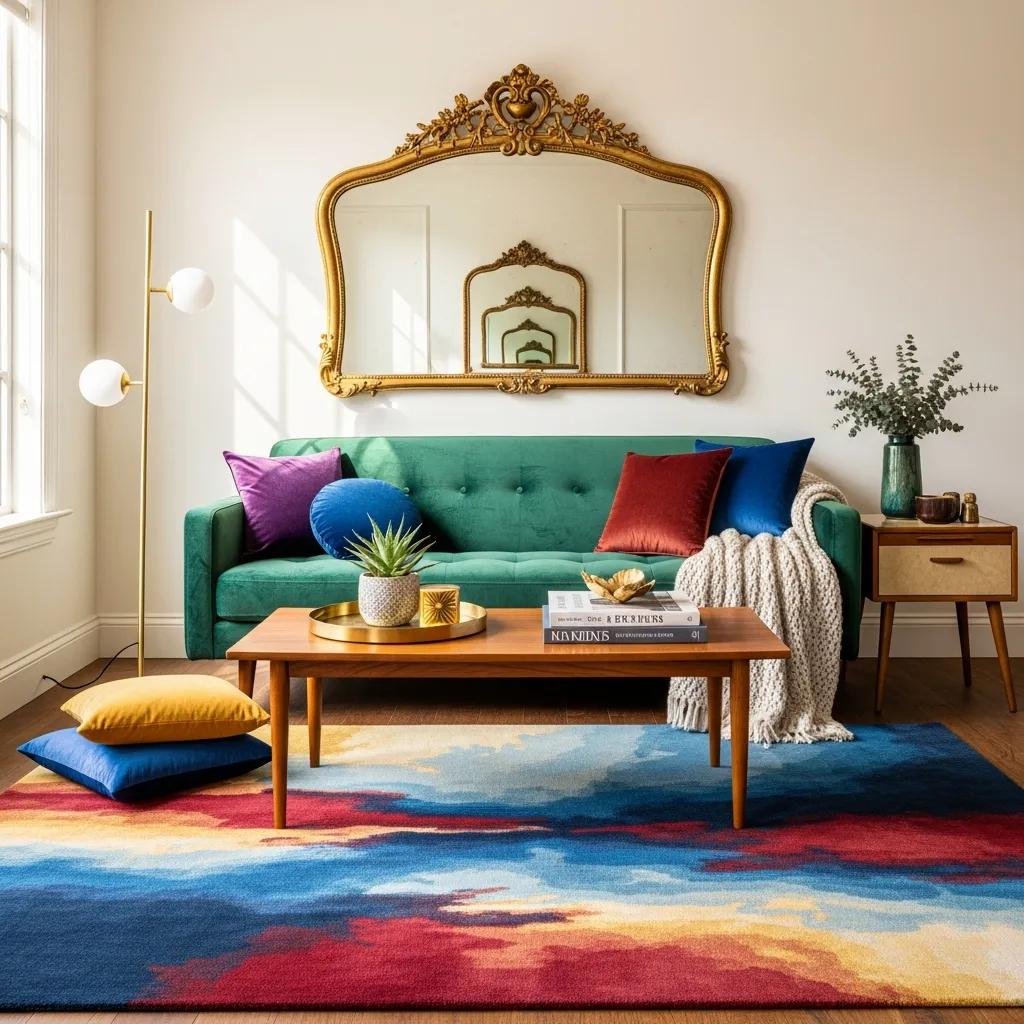
Successful eclectic rooms use one or two anchor pieces to establish scale and tone, then layer contrasting accents for depth and personality. For example: a mid-century sofa can serve as an anchor, with an ornate mirror above and a contemporary rug beneath; repeating a rug color in smaller accessories ties the scheme together. Keep large shapes from overwhelming delicate antiques, and alternate textures—plush velvet next to polished metal or glazed ceramic—to maintain dimensionality. These rules help homeowners merge different eras without visual clutter and guide material and palette choices during a renovation.

What characterizes truly personalized eclectic decor?

Personalized eclectic decor tells a story through objects, curated collections, and meaningful contrasts that reference family, travel, or craft. Hallmarks include layered lighting to spotlight focal pieces, intentional negative space to avoid clutter, and recurring motifs—such as a brass finish or a jewel tone—that run through the room to create cohesion. Practical personalization prompts: dedicate a gallery wall to curated art, group travel finds by material, or select a repeating finish to anchor mixed pieces. These approaches keep eclectic rooms feeling unique and thoughtfully composed, and they point directly to the need for a stable foundation that supports layered styling.

How to build a cohesive foundation for eclectic luxury interiors

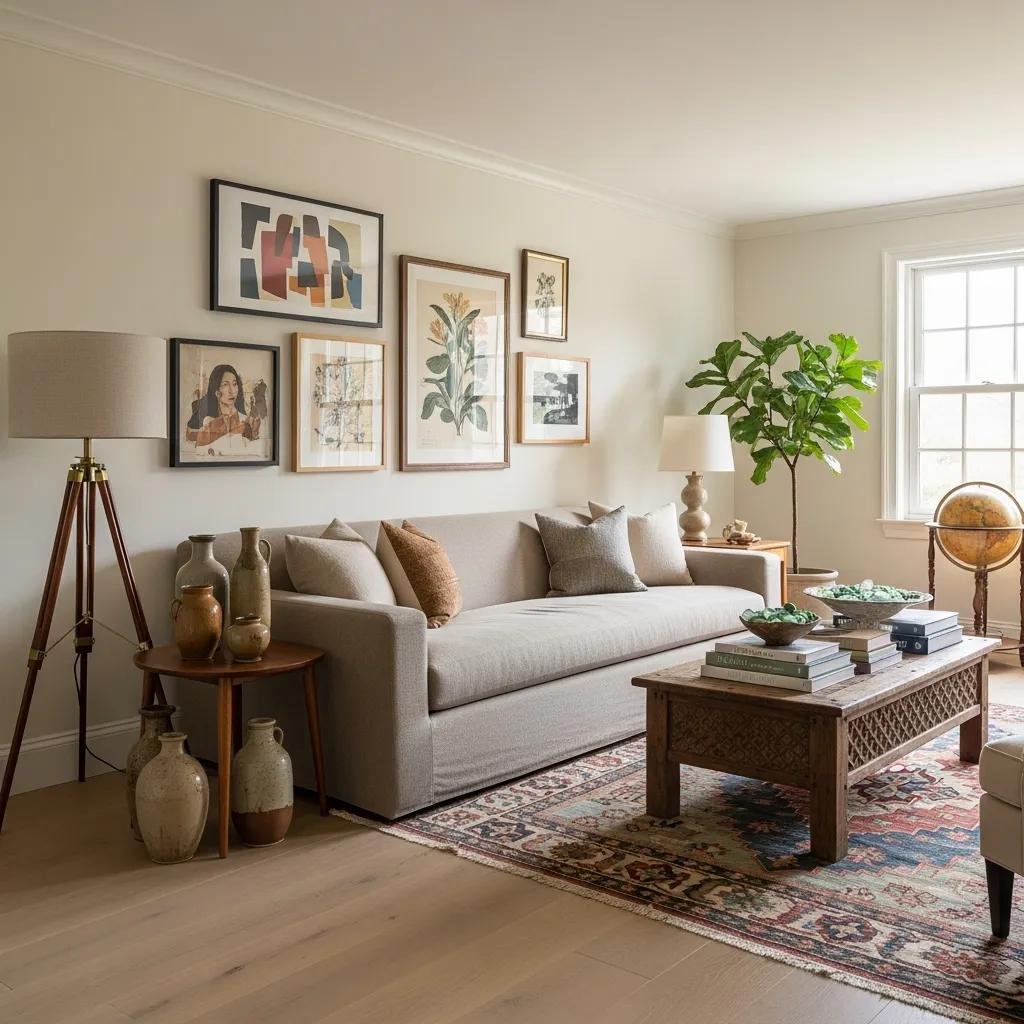
Neutral walls and durable flooring forming a clean foundation for eclectic decor

A cohesive foundation starts with restraint: neutral walls, durable flooring, and one or two substantial furniture anchors that establish scale and texture for later layers. This base acts as a visual canvas so eclectic accents read clearly instead of competing. It also simplifies renovation decisions about tile, hardwood, or luxury vinyl that must perform daily. Below is a quick comparison to help homeowners evaluate walls, floors, and major furniture choices during an eclectic remodel.

Base ElementRecommended Palette / MaterialRationale / Effect on Layering
WallsWarm white or soft gray paintA neutral backdrop lets jewel tones and patterns sing
FlooringEngineered hardwood or LVT in mid tonesDurable, continuous grain visually ties mixed furniture together
Major FurnitureNeutral upholstered sofa or solid-wood tableEstablishes scale and reduces visual competition

Choosing restrained, durable foundations creates the flexibility that eclectic layering needs, and it naturally leads into palette choices that support bold accents.

Which neutral palettes best support an eclectic look?

Neutral palettes for luxury eclectic interiors favor warm whites, soft greiges, or muted earth tones that let accent colors—emerald, plum, saffron—read as intentional rather than accidental. A warm base flatters brass and wood; a cooler gray suits chrome and deep blues. Pay attention to undertones when mixing patterned textiles. Introduce jewel tones selectively—upholstery, pillows, or art—and repeat one accent color across three elements to establish rhythm. These palette decisions inform material and finish choices during renovation planning and help future-proof the space.

Why do foundational elements matter in eclectic renovations?

Foundational elements—walls, cabinetry, flooring—shape durability, resale value, and the visual framework for layered decor. Their selection should be renovation-focused and long-lasting. High-quality tile and luxury vinyl flooring offer longevity and pattern options that can tie disparate elements together; hardwood adds warmth and resale appeal. Neutral, well-specified finishes reduce the need for early updates. Prioritizing durable surfaces in high-use areas ensures eclectic accents remain the focal point over time rather than being lost to wear. Thoughtful foundation choices make later mixing of pieces more reliable and visually cohesive.

What to master when mixing for an eclectic interior

Mastering eclectic decorating comes down to six practical elements: furniture selection, color strategy, pattern hierarchy, texture layering, lighting, and statement art. Each part functions within a system where repetition and proportion create coherence—repeating a metal finish or a color can unify very different silhouettes. Below is a compact material comparison to guide choices when pairing marble, velvet, and wood for a luxe eclectic look.

MaterialRecommended UseVisual / Functional Benefit
MarbleSurfaces and accentsElegant veining grounds high-contrast pairings
VelvetUpholsteryRich hand and depth for jewel-toned accents
WoodTables and framesWarmth and consistent scale across eras

This material mix demonstrates how textures and finishes layer to produce refined depth without clutter, and it leads into practical rules for blending furniture styles and scales.

How to blend furniture styles without losing balance

Limit dominant silhouettes to two or three styles, repeat a finish or material to tie pieces together, and balance scale so no single item overwhelms the room. For example: pair a streamlined contemporary sofa with an antique side table and a modern accent chair, then echo brass hardware in lighting and small accessories. Arrange seating around a clear focal point—a fireplace, a statement rug—and vary heights to build visual rhythm. These tactics preserve the curated surprise of eclectic interiors while keeping the overall composition grounded.

How color, pattern, and texture create cohesion

Color is the tie that binds disparate pieces: repeat one or two accent hues across textiles, art, and accessories to produce harmony. Pattern mixing works when you vary scale—pair a large geometric rug with smaller floral pillows and a mid-scale striped throw—and keep a shared color thread. Texture adds tactile interest: pair velvet, rattan, and brushed metal so surfaces contrast without clashing. Applying these layering rules results in depth and luxury, and it prepares homeowners to specify materials during remodels with confidence.

How Scanbuild LLC brings your eclectic renovation to life

Scanbuild LLC delivers a design-build approach that turns eclectic concepts into high-quality renovations for luxury homes across the Washington, D.C. region. We combine local knowledge of DMV architecture with expertise in premium tile and luxury vinyl flooring so foundational decisions—from materials to custom millwork—are coordinated from the start. Our team manages the project end-to-end so clients can achieve personalized, curated interiors—mixing vintage treasures with new, bespoke pieces—without the usual coordination burden. If you want a seamless path from concept to completion, Scanbuild preserves your vision while delivering craftsmanship and durable material choices.

Kitchen ideas for upscale eclectic homes in Washington, D.C.

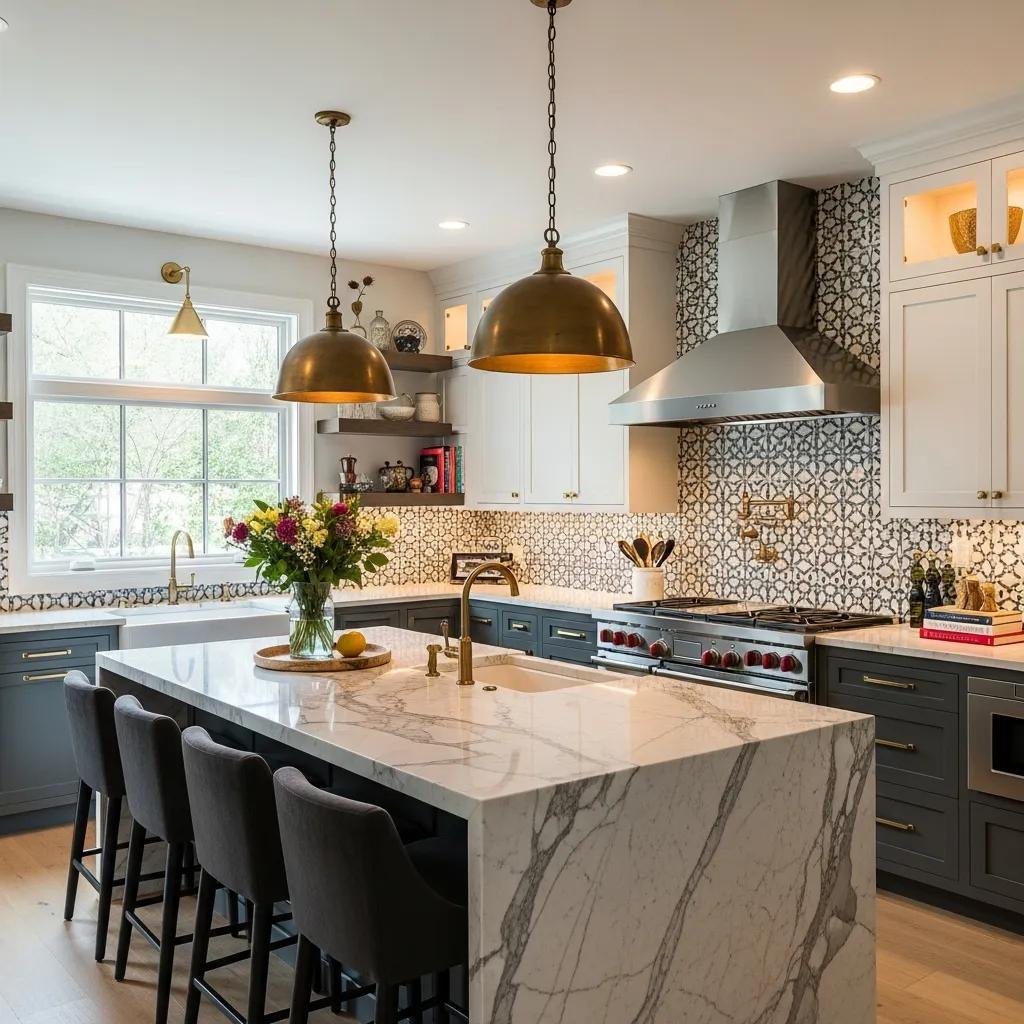
Eclectic kitchen with two-tone cabinets, marble island, and patterned tile

In the DMV, eclectic kitchens often mix cabinet finishes, a statement island, patterned tile backsplashes, and layered lighting to achieve polished, livable luxury. Practical ideas: two-tone cabinets (dark lowers, lighter uppers), a marble or honed-stone island as a focal point, and a patterned encaustic-style tile behind the range to tie colors together. The mini-table below compares typical components and why they work in an eclectic luxury kitchen.

Surface / ComponentFinish / Style OptionWhy It Suits Eclectic Luxury Kitchens
CabinetsTwo-tone paint + wood veneerCreates contrast while anchoring the palette
IslandMarble or honed stoneServes as a seating and scale anchor
BacksplashPatterned ceramic or cement tileIntroduces pattern that unifies varied finishes

These kitchen strategies translate eclectic layering into durable material choices that suit daily life while showcasing curated design—then extend naturally into bathroom and flooring solutions.

How Scanbuild crafts eclectic bathrooms and flooring solutions

We approach bathrooms with patterned tile layouts, boutique fixtures, and layered lighting to create boutique-luxury moments that feel custom. Floor and wet-area choices typically include high-end tile or luxury vinyl flooring for continuity and durability, while statement fixtures and varied tile scales create focused moments without overwhelming the space. Scanbuild prioritizes craftsmanship and material sourcing so patterns align and transitions are seamless—from concept to finished room. Homeowners benefit from a managed process that protects the eclectic vision while delivering durable, elegant finishes.

Frequently Asked Questions

What are common mistakes to avoid when designing an eclectic interior?

Common missteps include adding too many competing elements (which creates visual chaos), neglecting scale so pieces feel disjointed, and skipping a clear focal point. Keep dominant styles to a minimum, maintain a cohesive color thread, and establish one anchor so the room reads as intentional rather than cluttered.

How can I incorporate personal items into my eclectic design?

Choose a handful of meaningful objects—travel souvenirs, heirlooms, handmade pieces—and make them focal points. Group like items to create curated displays, dedicate a wall or shelf to a collection, and ensure these pieces share a color or material cue with the room so they feel integrated rather than incidental.

What types of lighting work best in eclectic interiors?

Layered lighting is essential: combine overhead fixtures (chandeliers or pendants) with task lights (table and floor lamps) and accent lighting to highlight art or architectural features. Choose at least one statement piece—vintage or contemporary—and use dimmable controls to adjust mood and function.

How do I choose the right accessories for an eclectic space?

Pick accessories that echo the room’s color or material palette. Repeat a couple of key colors or finishes across pillows, vases, and small decor to create rhythm. Mix textures—soft fabrics with metal or glass—and include one or two unexpected pieces that spark conversation and reflect your personal story.

What role does texture play in eclectic interior design?

Texture adds depth and tactility: combine plush fabrics, worn woods, and sleek metals to keep the eye moving. Layering different surfaces prevents visual flatness and makes a space feel inviting—think velvet upholstery, a woven rug, and metallic accents working together.

How can I ensure my eclectic design remains timeless?

Anchor the room with classic, high-quality pieces that adapt to changing trends. Limit ultra-trendy accessories, choose durable finishes for foundational elements, and maintain a consistent color thread. When in doubt, prioritize proportion and craftsmanship over novelty.

Any tips for mixing patterns effectively?

Use a unifying color palette and vary pattern scale: pair a large rug pattern with smaller pillow motifs and a medium-scale throw. Combine geometric and organic patterns for balance, and intersperse solids to give the eye a rest so the overall composition feels deliberate.

Conclusion

Eclectic interior design lets luxury homeowners create homes that tell their story while remaining composed and elegant. With a thoughtful foundation, disciplined palette choices, and careful mixing of furniture, pattern, and texture, you can achieve a layered, timeless interior. Partnering with an experienced design-build team like Scanbuild LLC ensures your vision is executed with quality materials and skilled craftsmanship. Ready to begin? Explore our services and let’s design an eclectic home that’s unmistakably yours.

by admin 19   /   21   /   23   /   25   /   79
Luxury bathroom with marble and porcelain tile installations highlighting upscale design

Professional Tile Installation Services in Your Area

Professional Tile Installation Services in Your Area: Luxury Solutions for Washington D.C. Homes

Bring lasting beauty and reliable performance to your Washington D.C. home with luxury tile installed by local professionals who understand the region’s architecture and climate. This guide walks you through how premium tile selections and expert installation deliver long-term durability, elevated aesthetics, and demonstrable resale value across city and suburban properties. You’ll find clear explanations of the key benefits of luxury tile, practical tips for choosing marble, porcelain, natural stone and premium LVT, an overview of a quality installation process, and design considerations for kitchen and bathroom remodels in the D.C. metro. Homeowners searching for local flooring experts, tile installation in your area, or tile design consultation Washington D.C. will get actionable comparisons and next steps. We also point to trusted service partners who provide craftsmanship and oversight without burying you in technical detail. The final section highlights current luxury trends and how to move forward with a residential tile renovation.

What Are the Benefits of Luxury Tile Installation in Washington D.C.?

Luxury tile creates durable, low-maintenance surfaces that hold up under everyday use while maintaining their visual appeal for decades. High-end options like large-format porcelain and select natural stones resist wear and moisture, lowering long-term repair needs and delivering dependable performance for upscale homes. Thoughtful tile work also makes a strong design statement that can enhance resale appeal — a useful advantage in Washington D.C.’s competitive market. Below are the most meaningful benefits for homeowners choosing premium tile and contemporary tile patterns in the D.C. area.

  • Longevity and durability: Properly installed premium porcelain and natural stone can last for decades.
  • Aesthetic flexibility: Large-format tiles and distinct veining allow custom flooring patterns and upscale kitchen backsplashes.
  • Low maintenance and hygiene: Non‑porous finishes are easier to clean and resist staining compared with many other surfaces.
  • Strong ROI and resale appeal: Luxury finishes attract buyers and can increase perceived home value.

These advantages make luxury tile a practical investment for homeowners focused on quality. Next, it helps to understand how installation standards affect those returns.

Scanbuild LLC is a luxury home remodeling and lead-generation resource serving the Washington D.C. metropolitan area, including Rockville MD, Bethesda MD, Potomac MD, Vienna VA, McLean VA, Alexandria VA, Georgetown DC, and Friendship Heights DC. As a licensed, bonded and insured partner of Mosaic Tile Co., Scanbuild LLC prioritizes premium materials, thoughtful design, and attentive service on higher-end tiling projects. Homeowners seeking a tailored tile design consultation in Washington D.C. can work with Scanbuild LLC for customized estimates and on-site craftsmanship oversight. Local support helps bridge material selection and execution so your design intent is preserved from concept through completion.

How Does Professional Tile Installation Enhance Home Value and Aesthetics?

Professional installation begins with correct substrate preparation, precise layout and consistent grout lines — all factors that determine both longevity and visual impact. Properly set large-format tile and strategically placed movement joints reduce the risk of cracking and uneven settling, especially in older D.C. homes. Details such as waterproofing membranes in wet areas and the right sealant for natural stone cut down on maintenance and protect polished finishes. Those technical safeguards translate into a stronger perceived build quality at resale and fewer post-installation issues, making professional tile work a clear value driver for luxury bathrooms and high-end kitchen backsplashes.

Which High-End Tile Materials Are Best for Your Home?

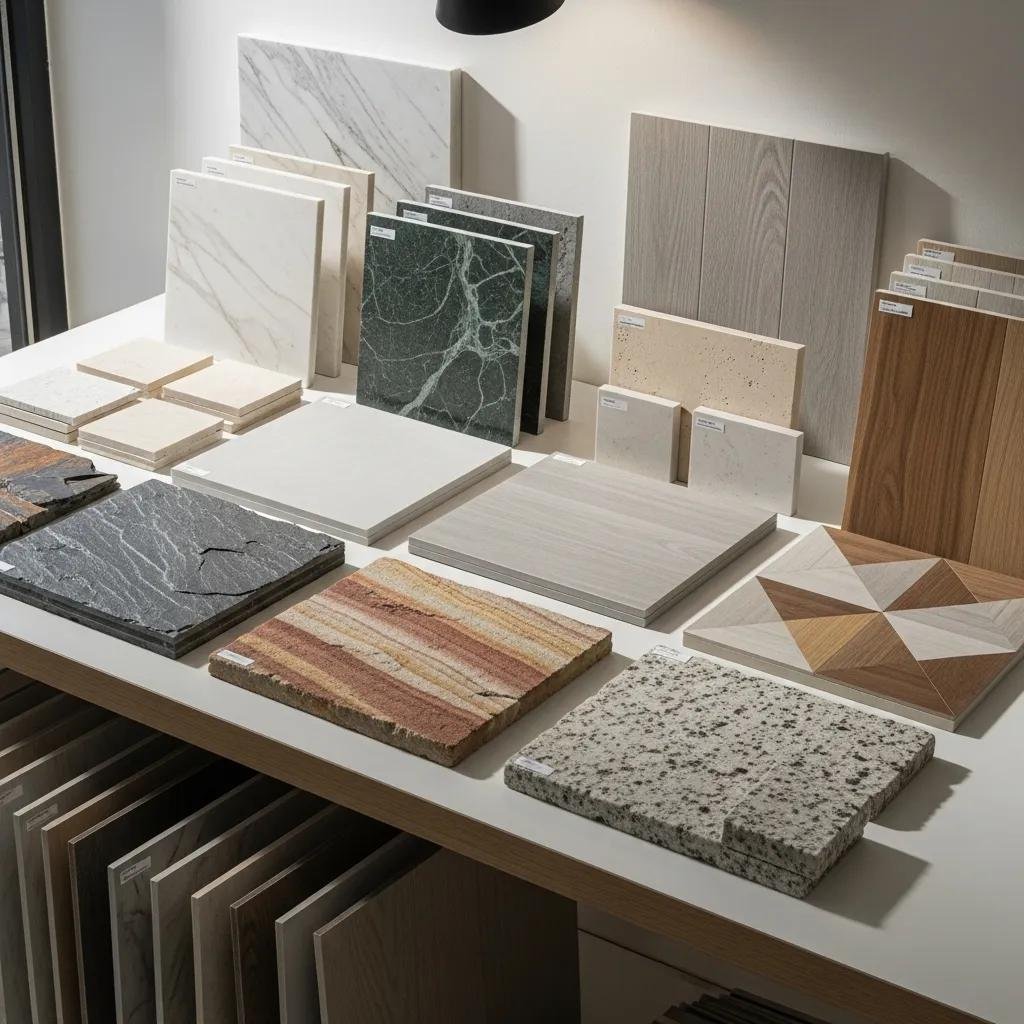
Samples of marble, porcelain, natural stone, and luxury vinyl tile displayed together

Choosing the right material balances durability, upkeep and visual goals while accounting for local housing conditions like older substrates and fluctuating humidity. The table below compares marble, porcelain, natural stone and luxury vinyl tile (LVT) across durability, maintenance and best uses to help match material attributes to the room and design intent.

MaterialKey Attributes (Durability, Maintenance, Aesthetic)Best Uses (Bathrooms, Kitchens, Floors, Backsplash)
MarbleDistinct veining and polish; more porous and requires regular sealingBacksplashes, feature walls, low‑traffic bathrooms
PorcelainExtremely durable with low porosity; available in many finishesHigh‑traffic floors, wet areas, large‑format installations
Natural Stone (e.g., limestone, travertine)Unique texture and character; periodic sealing and tailored maintenanceAccent floors, showers (with specified maintenance)
LVT (Luxury Vinyl Tile)Moisture‑tolerant, warmer underfoot, realistic visualsKitchens, secondary baths, mixed‑material flooring schemes

This comparison clarifies the trade‑offs so you can prioritize appearance, longevity and upkeep when planning a residential tile renovation. The following subsection drills into material-specific features and considerations.

What Are the Features of Marble, Porcelain, and Natural Stone Tiles?

Marble brings deep visual richness through its veining and polish, but its porosity means it needs regular sealing and gentle cleaners to avoid etching. Porcelain offers outstanding durability with minimal maintenance, making it a top choice for large‑format installations and busy rooms. Natural stone gives unique texture and patina that age gracefully when sealed and maintained on an appropriate schedule. Each material calls for specific installation techniques — from substrate leveling to compatible adhesives and grout — to achieve the intended look and long service life.

How Do Professional Tile Installers in the D.C. Metro Area Ensure Quality?

Reputable installers follow a structured process that begins with a thorough site assessment, correct substrate preparation and industry best practices like movement joints and waterproofing in wet zones. Local contractors familiar with Washington D.C. housing know how to address common substrate issues in older properties and apply targeted underlayment and membrane systems to avoid future failures. The table below outlines responsibilities and typical timelines for each major installation stage so homeowners know what to expect and how to prepare.

Process StepResponsibility (Installer/Client)Outcome / Timeframe
Consultation & designInstaller/Client: select materials and finalize scopeClear scope and preliminary timeline (1–2 weeks)
Measurement & quotingInstaller: site survey; Client: approvalsFinal estimate and schedule (3–7 days)
Prep & demolitionInstaller: substrate prep; Client: clear the areaSubstrate ready for tiling (1–3 days)
InstallationInstaller: layout, set and level tilesTiling phase (2–7 days)
Grouting & sealingInstaller: grout and seal; Client: ensure ventilationFinished surface (1–2 days)
Inspection & handoverInstaller/Client walkthroughProject sign‑off and maintenance guidance

This timeline reduces surprises during the project lifecycle. Understanding each step leads naturally to the day‑by‑day installation sequence described next.

Scanbuild LLC emphasizes craftsmanship and strict quality controls, operating as a licensed, bonded and insured contractor and working with suppliers like Mosaic Tile Co. to source premium products. Our approach combines creative design, skilled workmanship and attentive service that align with local code requirements and warranty best practices. Homeowners gain from a dedicated project manager who coordinates permits, deliveries and inspections — local oversight that keeps the project running smoothly and preserves the original design intent.

What Is the Tile Installation Process from Consultation to Completion?

Tile installer demonstrating key steps in a residential tile installation
  1. Consultation & Design: choose materials, finalize layout and confirm scope; homeowners approve finishes.
  2. Site Prep & Demolition: remove old surfaces, inspect and level the substrate, and install underlayment or waterproofing where needed.
  3. Tile Laying & Grouting: set tiles with the appropriate adhesive, cut and align joints, then grout and clean the installation.
  4. Sealing & Final Walkthrough: apply sealants as required, allow proper cure time, and complete a client inspection with care and maintenance instructions.

Expect schedules that reflect project complexity and local contractor availability.

What Should You Know About Bathroom and Kitchen Tile Remodeling in Washington D.C.?

Kitchen and bathroom remodels in the D.C. metro require attention to waterproofing, ventilation and substrate integrity — particularly in older homes where hidden issues are common. Current design preferences lean toward large-format tiles, mixed-material palettes, and matte or textured finishes paired with matte‑black or brass fixtures to create a contemporary, luxurious look. Plan for phased work so substrates and adhesives cure properly and protect long-term performance. Below are trends that inform material and layout decisions for high-end remodels.

  • Large-format tiles for seamless floors and fewer grout lines
  • Matte or textured finishes paired with matte‑black or brass hardware
  • Mixed materials: stone accents combined with LVT for warmth and resilience
  • Integrated features: niches and linear drains for a streamlined shower design

These trends help balance visual impact with practical durability. Informed material choices lead directly to the final decision stage.

Scanbuild LLC invites homeowners considering luxury bathroom tile installation or an upscale kitchen backsplash to request a consultation or estimate to review materials, layouts and timelines. As a licensed, bonded and insured remodeling resource in the Washington D.C. area, Scanbuild LLC pairs premium materials and expert craftsmanship with reliable project coordination to support complex residential tile renovations. Scheduling a detailed tile design consultation in Washington D.C. clarifies budget, schedule and expected long‑term maintenance for your project.

Frequently Asked Questions

1. What factors should I consider when choosing tile for my home?

Consider durability, maintenance, the room’s moisture exposure, and the look you want to achieve. Porcelain suits high‑traffic areas; marble offers a refined look but needs more care. Also factor in installation complexity and any long‑term maintenance each material requires.

2. How can I maintain my luxury tile installations?

Maintain tiles with routine cleaning using pH‑neutral cleaners and soft tools. Seal porous stones like marble and travertine on the recommended schedule, and use grout cleaners to keep joints fresh. Professional cleaning and resealing every 1–3 years may be advisable depending on material and use.

3. Are there eco-friendly tile options available?

Yes—options include recycled glass tiles, responsibly quarried natural stone, and porcelain made with recycled content. Look for low‑VOC products and certifications such as LEED or GREENGUARD when prioritizing environmental performance.

4. What is the average cost of luxury tile installation in Washington D.C.?

Costs vary by material, complexity and area size. For high‑end materials with professional installation, expect roughly $10 to $30 per square foot. Get multiple local quotes to compare scope, materials and warranty terms.

5. How long does a typical tile installation project take?

Project length depends on scope. A standard bathroom or kitchen installation typically takes about 1–2 weeks from prep through finishing. Larger or more intricate projects can take longer; confirm timelines with your contractor during the estimate phase.

6. What are the latest trends in luxury tile design?

Trends include large‑format tiles for seamless surfaces, textured and matte finishes for depth, mixed‑material pairings (stone with LVT), and integrated shower features like niches and linear drains for a clean, modern look.

7. Can I install tile myself, or should I hire a professional?

If you have experience, smaller projects may be DIY‑friendly, but luxury installations are best handled by professionals. Experts ensure correct substrate prep, waterproofing, movement joints and precise layouts—reducing the risk of costly mistakes and callbacks.

Conclusion

Luxury tile raises the visual and functional standard of a Washington D.C. home while offering long‑term durability and stronger resale appeal. Understanding material trade‑offs and working with experienced installers helps you achieve the look and performance you expect. For personalized guidance on materials, layout and timelines, schedule a consultation with our team. Let’s elevate your living space with thoughtful tile selections and a reliable installation plan.

by admin 19   /   21   /   23   /   25   /   79
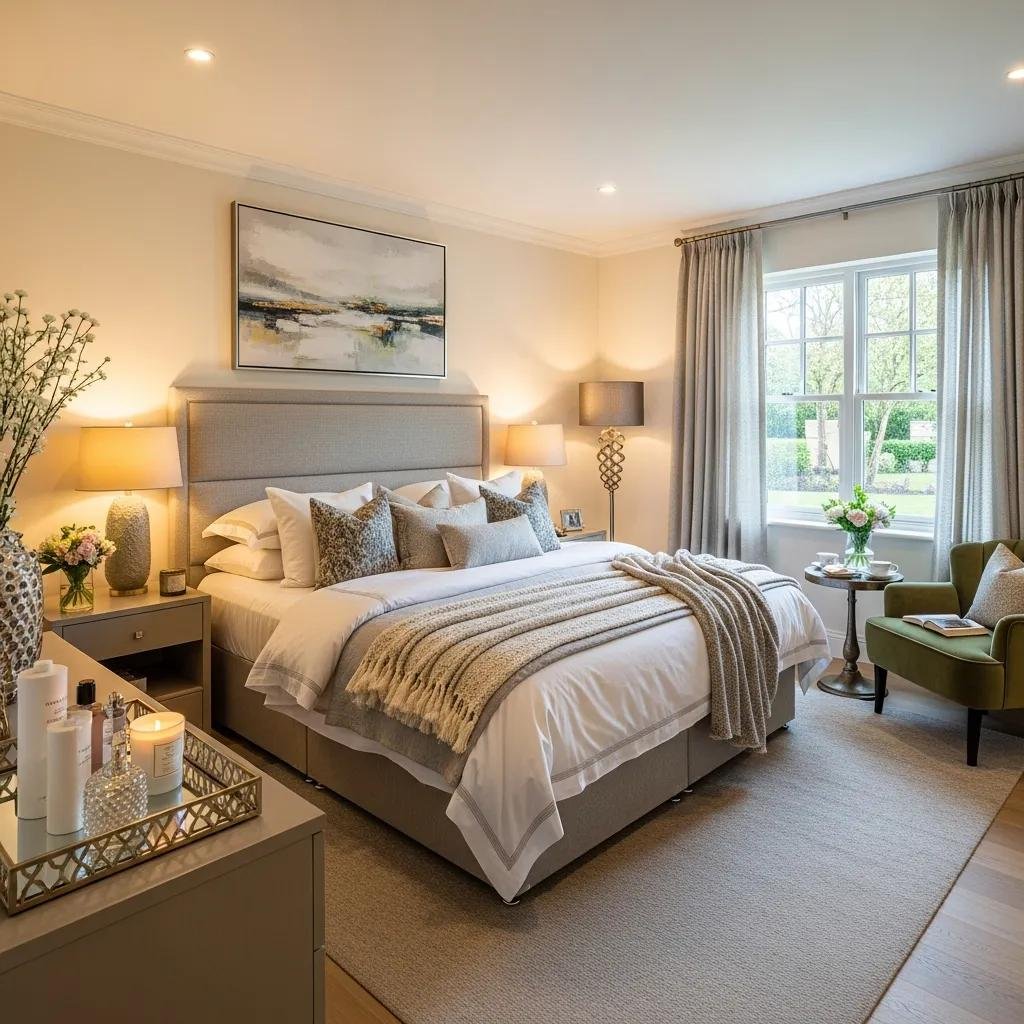
Luxurious guest room with plush bedding and elegant decor

Easy Guest Room Makeover Tips for Welcoming Spaces

Guest Room Makeover Tips: Create Welcoming, Hotel‑Quality Spaces

Turning a spare bedroom into a welcoming, hotel‑quality guest room starts with a few clear priorities: comfort, durable finishes, and thoughtful amenities that make visitors feel truly cared for. This guide offers practical, easy-to-implement makeover tips and renovation ideas that blend elevated design with everyday function. You’ll find what to prioritize—bed and bedding, layered ambient and task lighting, premium flooring, spa‑style bath touches, and smart storage—plus quick wins versus deeper renovation projects. We cover material choices, flooring comparisons, bathroom upgrades, and storage systems, and include action lists and side‑by‑side comparisons to simplify decision making. Small, well‑chosen changes—hotel‑style bedding, tailored lighting, built‑in storage—can dramatically improve hospitality. If your project is in the Washington, D.C. area, a local design‑build partner can also streamline installation of flooring, fixtures, and custom closets with minimal disruption.

How can you create a luxurious, comfortable guest bedroom?

A truly comfortable guest bedroom pairs high‑quality materials, a thoughtful layout, and a short list of amenities that directly improve sleep and convenience. Start with a bed scaled to the room, layered bedding, both ambient and task lighting, window treatments that control daylight, and a clear circulation path—these reduce friction for arriving guests and read as intentional luxury. Easy decorative upgrades—coordinated textiles, a soft area rug, and a single tasteful art piece—make an immediate impression, while deeper projects like new flooring or an en‑suite add long‑term value. For homeowners who prefer professional help, Scanbuild LLC is a local design‑build partner that can manage bedroom upgrades—flooring, lighting, window treatments, and custom storage—helping you select materials and handle installation without sacrificing a refined look.

Key elements of luxury guest bedroom design

Luxury guest rooms are defined by material quality, correct scale, and finishing details that communicate care and comfort. Choose natural‑feeling textiles—soft linens, a medium‑weight duvet, layered throws—and a plush rug to add tactile warmth while keeping maintenance simple. Furniture scale matters: leave about 24–36 inches of clearance around the bed for easy movement, and include a small seat or luggage bench for convenience. Thoughtful finishes—matching hardware, a single art focal point, and coordinated trim—signal intentional design and raise the room’s perceived value. These material and layout decisions set the stage for a hotel‑worthy bed experience.

How to build a hotel‑worthy guest bed

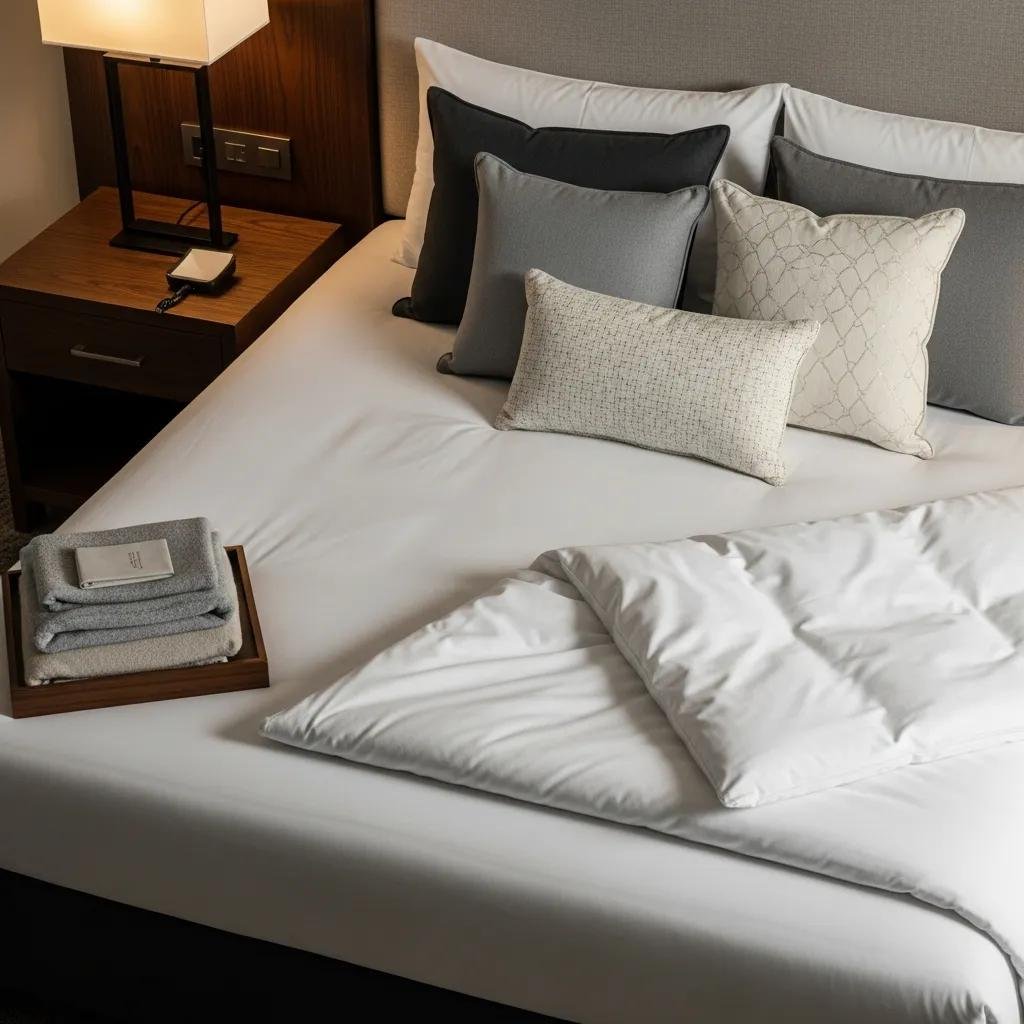
Guest bed with layered textiles and inviting accents

A hotel‑worthy bed balances mattress comfort, clean bedding, and layered textiles that look great and stay easy to maintain. Choose a supportive mattress or a quality topper, protect it with a washable protector, and select sheets in the 300–500 thread‑count range for softness plus breathability. Layer deliberately: fitted sheet, flat sheet, duvet with a washable cover, two sleeping pillows and one decorative pillow, plus a lightweight throw for flexibility. Add a bedside tray or drawer stocked with a spare blanket and a convenient charging surface to remove common guest annoyances and make overnight stays effortless.

What are the best premium flooring options for guest rooms?

Flooring for a guest room should balance look, durability, and compatibility with any adjacent en‑suite. Top premium choices are luxury vinyl flooring (LVT), engineered hardwood, and high‑end porcelain tile—each performs differently for underfoot feel, moisture resistance, and upkeep. Match the material to room use: LVT for durability in high‑traffic or pet‑friendly homes, engineered hardwood for warmth and resale appeal, and large‑format porcelain for seamless transitions into en‑suites or for compatibility with radiant heat. Installation quality strongly affects long‑term performance; professional installers handle subfloor prep, moisture mitigation, and proper detailing. Use the table below to compare at a glance.

Flooring OptionCharacteristicBest Use
Luxury Vinyl Flooring (LVT)Highly durable, water‑resistant, realistic visualsGround‑floor bedrooms, homes with kids/pets
Engineered HardwoodWarm appearance, dimensional stabilityFormal guest rooms, paired with area rugs
High-end Porcelain TileMoisture‑resistant, works with radiant heatEn‑suite continuity, spa‑like bathrooms

Why choose luxury vinyl flooring for guest bedrooms?

Luxury vinyl (LVT) reproduces wood or stone looks while offering strong wear resistance and excellent water tolerance—a practical, elevated choice. LVT is low‑maintenance, handles spills and heavy use well, and usually costs less than comparable hardwood or stone yet delivers a similar visual result. It’s ideal for homes with children, pets, or frequent guests and works well with area rugs to soften the sleep surface. When selecting LVT, choose high‑quality planks and schedule professional installation to avoid issues like improper expansion gaps or subfloor irregularities; good installation makes the floor read as premium and last longer.

How do high‑end tile and engineered hardwood enhance guest spaces?

High‑end porcelain tile and engineered hardwood each create a different luxury experience: tile reads spa‑like and crisp, while engineered hardwood adds warmth and classic elegance. Tile is ideal for continuity into en‑suites, pairs well with underfloor heating for added comfort, and large formats reduce visible grout lines. Engineered hardwood gives a real‑wood look with improved dimensional stability over solid wood, making it practical in varied climates. Combine either option with area rugs or runners for acoustic softness and traffic protection, and plan for professional installation to manage transitions and subfloor requirements.

How can you remodel a guest bathroom to feel like a spa retreat?

Spa‑style guest bathroom with clean fixtures and calming finishes

A spa‑like guest bathroom relies on material continuity, layered lighting, and dependable fixtures to create a calm, effortless experience. Start with large‑format tiles to minimize grout lines, a pressure‑balanced shower valve paired with an overhead rainfall head and a handheld wand for flexible comfort, and a vanity that provides storage and countertop space. Proper ventilation and heated floors increase year‑round comfort and protect finishes; these practical upgrades paired with ambient mirror lighting and a towel warmer create a high‑end feel. Scanbuild LLC provides luxury bathroom remodeling and in‑home consultations for en‑suite projects, helping homeowners choose tiles, fixtures, and waterproofing systems while ensuring professional installation and warranty coverage.

The table below compares tile and fixture choices by feel and installation considerations.

Tile/Fixture ChoiceFeelInstallation Complexity
Large-format PorcelainSleek, minimal grout, spa‑likeModerate; requires flat substrate
Textured Natural-Look TileWarm, tactile surfaceModerate; grout maintenance
Rainfall + Handheld ShowerLuxurious, flexible cleansingModerate; plumbing upgrade may be needed

Spa‑like guest bathroom design ideas

Spa design focuses on calm palettes, layered lighting, and purposeful luxury details that feel both serene and usable. Choose muted tones and matte or soft‑polish tile finishes, add a recessed niche and a shower bench for toiletries and seating, and include integrated shelving or towel hooks at comfortable heights. Layer lighting—ambient ceiling fixtures, task mirror lights, and a low‑level night light—for safety and varied use. Small amenities such as plush towels, a heated towel bar, and non‑slip textured floors give a boutique touch guests will remember.

Which premium tiles and fixtures elevate guest bathrooms?

Premium selections that raise a guest bathroom include large‑format porcelain, stone‑look textured tiles, and pressure‑balanced valves with thermostatic control. Pick fixtures with durable finishes and concealed hardware where possible to keep lines clean and maintenance low. A freestanding tub or frameless glass shower reads as high‑end and can make the space feel larger when the layout allows. Proper waterproofing and substrate preparation during installation are essential—product choice matters, but correct installation protects your investment over time.

What custom storage solutions improve guest room organization and appeal?

Custom storage keeps a guest room organized and visually calm by giving everything a place—clothing, luggage, and toiletries. Tailored closet systems with adjustable shelves and integrated lighting simplify short‑stay packing, while built‑in drawers and a luggage shelf reduce surface clutter. Prioritize accessible hanging space, a few deep drawers, and open shelving for essentials to minimize guest friction on arrival. Scanbuild LLC’s custom closet systems offer homeowners tailored storage plans that maximize capacity while matching room finishes and improving guest convenience.

The table below compares common storage solutions by footprint and customization.

Storage TypeFootprintCustomization Level
Custom Closet SystemMedium to largeHigh; adjustable components
Built-In Shelving/Window SeatSmall to mediumMedium; integrates architecture
Freestanding WardrobeSmallLow to medium; mobile solution

How custom closet systems maximize guest room space

Custom closet systems increase usable capacity by matching shelf heights, drawer sizes, and hanging zones to likely guest needs—reducing clutter and improving usability. Integrated lighting and adjustable rods make the space intuitive, while dedicated shoe and luggage storage keep floors clear. Designers can specify durable finishes and matching hardware to preserve a cohesive, upscale look. These space‑planning choices naturally lead into built‑in storage options that further boost function.

Built‑in storage options that enhance functionality

Built‑ins—window seats with concealed compartments, recessed shelving, and headboards with hidden storage—add usable space without visual clutter. They reclaim underused niches and provide discreet places for linens, charging stations, and travel essentials, improving guest convenience. Specify easy‑clean, durable finishes and consider access for housekeeping or maintenance. When well integrated, built‑ins increase perceived room value and maintain clean sightlines that contribute to a calm, welcoming environment.

Frequently Asked Questions

What are some budget‑friendly tips for a guest room makeover?

Small, targeted updates can refresh a guest room without a big budget. Start with a fresh coat of neutral paint to brighten the space. Replace worn bedding with affordable, coordinated linens to lift the look. Shop second‑hand or repurpose furniture for personality at low cost, and add inexpensive accents like throw pillows, framed art, or plants to warm the room visually.

How can I make a small guest room feel larger?

Make a small room feel bigger with light colors on walls and furnishings to reflect light. Choose multi‑functional furniture—beds with storage drawers or a fold‑down desk—to save space. Place mirrors to bounce light and create depth, and keep decor minimal and organized to maintain an open feel.

What amenities should I provide for guests in a guest room?

Think essentials first: extra pillows and blankets, a bedside lamp, and a charging station. A small welcome basket with water, snacks, and basic toiletries is always appreciated. A luggage rack or bench adds convenience, and a few books or magazines offer low‑effort hospitality that makes guests feel at home.

How can I incorporate technology into a guest room design?

Add tech in ways that keep the room simple and useful. Smart lighting that guests can control from a phone or voice assistant makes adjusting ambiance easy. Provide a smart TV with streaming access, and supply USB charging ports and clear Wi‑Fi information so guests can stay connected without hassle.

What are some eco‑friendly options for guest room renovations?

Choose sustainable materials and energy‑efficient fixtures to reduce environmental impact. Use low‑VOC paints and finishes, opt for renewable flooring like bamboo or cork where appropriate, and install LED lighting. Recycled or upcycled furniture reduces waste, and providing recycling bins encourages greener guest behavior.

How can I ensure my guest room is accessible for all guests?

Design for accessibility by creating clear circulation paths and arranging furniture to allow easy movement. Wider doorways, grab bars in the bathroom, and a walk‑in shower with a bench improve safety. Consider adjustable‑height furniture or bedside options to accommodate varied mobility needs and make the room welcoming for everyone.

Conclusion

Updating a guest room into a polished, comfortable retreat leaves a lasting impression on visitors. Focus on durable, high‑quality materials, a sensible layout, and a few thoughtful amenities to create a hotel‑level feel. If you prefer to simplify the process, consider working with a professional to ensure a seamless renovation and a refined finish. Contact Scanbuild LLC to explore our design and build services and bring your guest space to life.

by admin 19   /   21   /   23   /   25   /   79