
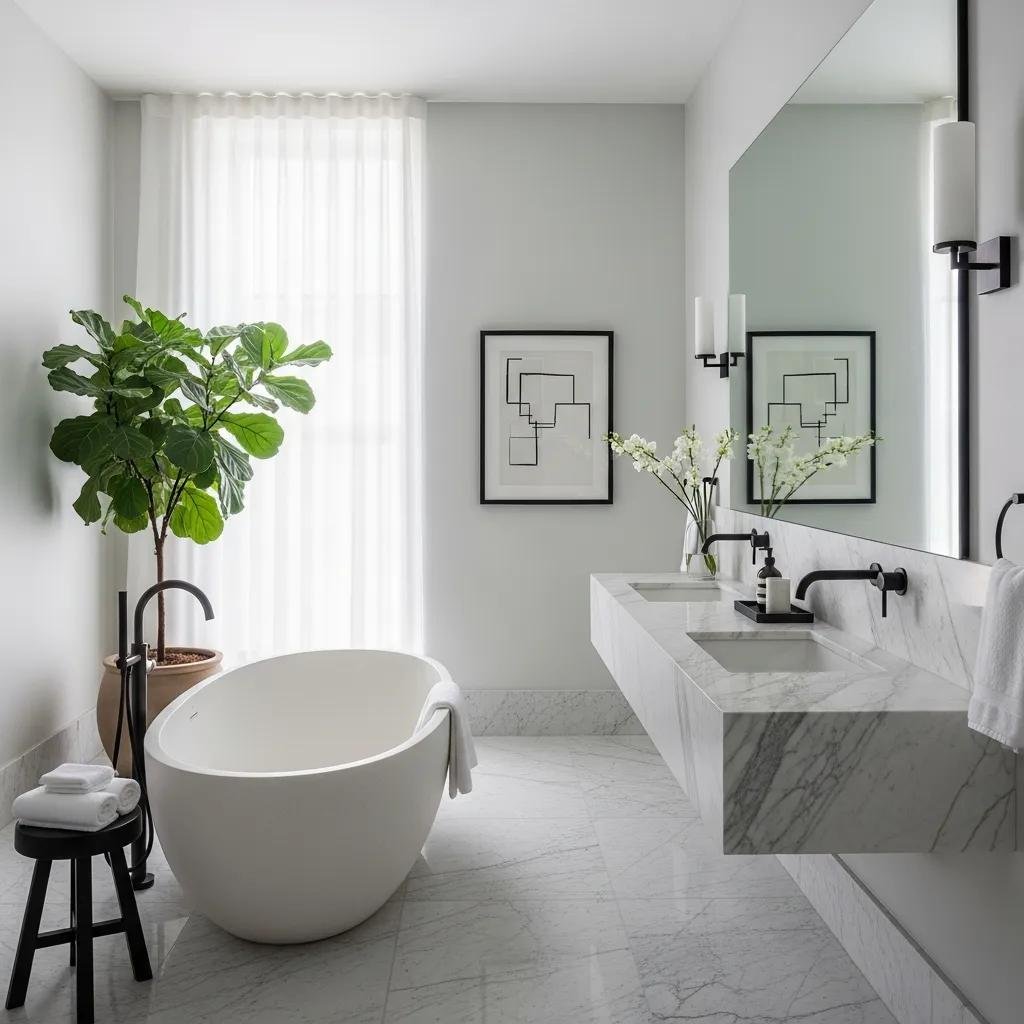
Luxury Bathroom Remodeling in Downtown Washington, D.C.: Thoughtful Design Meets Expert Craftsmanship
A luxury bathroom remodel in Downtown Washington, D.C. blends considered design, skilled craftsmanship, and systems-level planning to turn an everyday room into a calming, spa-like retreat. This guide walks through the signature elements of high-end bathroom projects, how to vet premium contractors, the 2024 trends shaping upscale renovations, and practical budgeting and scheduling guidance so homeowners can plan with confidence. For local owners who want a single-source design-build partner, Scanbuild LLC offers consultations and can deliver a clear estimate and project plan tailored to Downtown D.C. properties. Along the way you’ll find actionable checklists, side-by-side comparisons of materials and scopes, and straightforward criteria to evaluate contractors and technologies for an urban bath renovation. By the end, you’ll be able to weigh materials and layouts, identify contractor credentials to require, request the right luxury features, and set realistic cost and timeline expectations for a master bath remodel in the Washington metro area.
What Defines a Luxury Bathroom Remodel in Downtown Washington, D.C.?
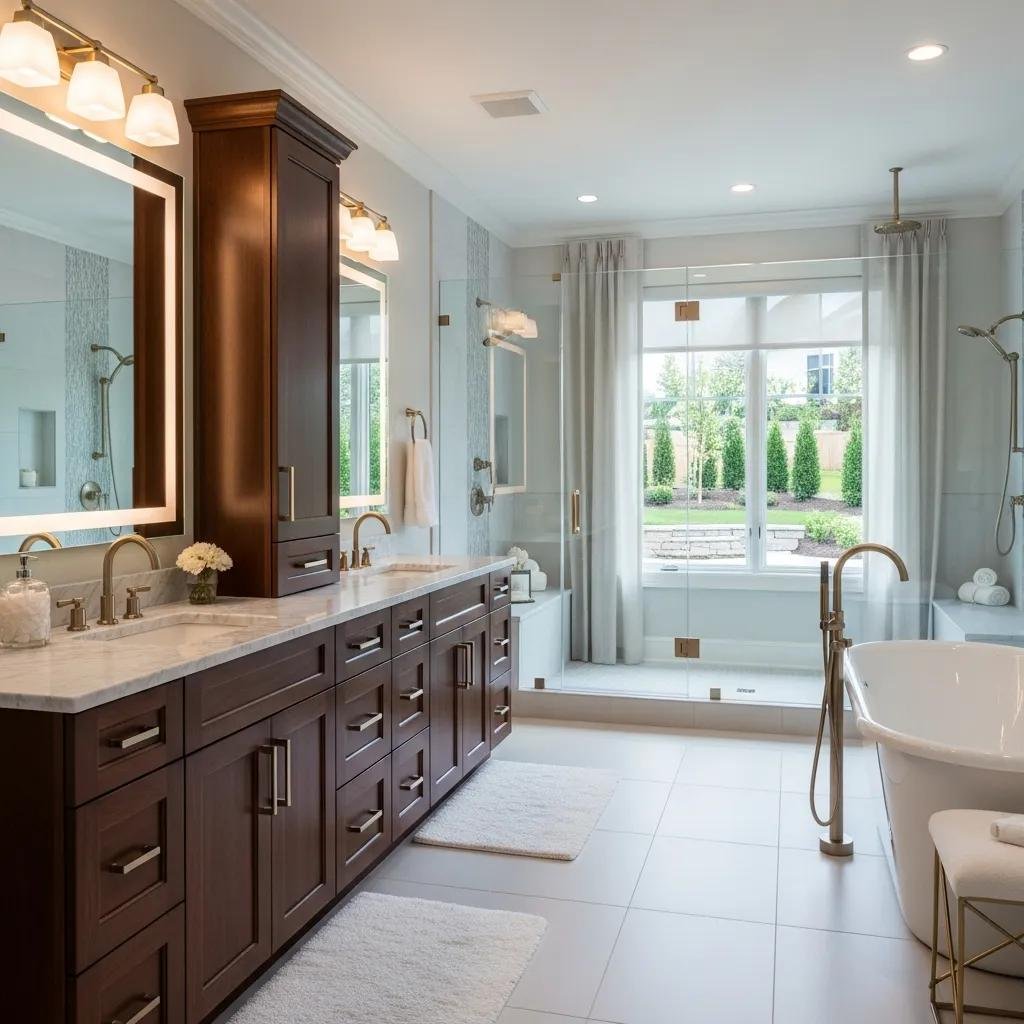
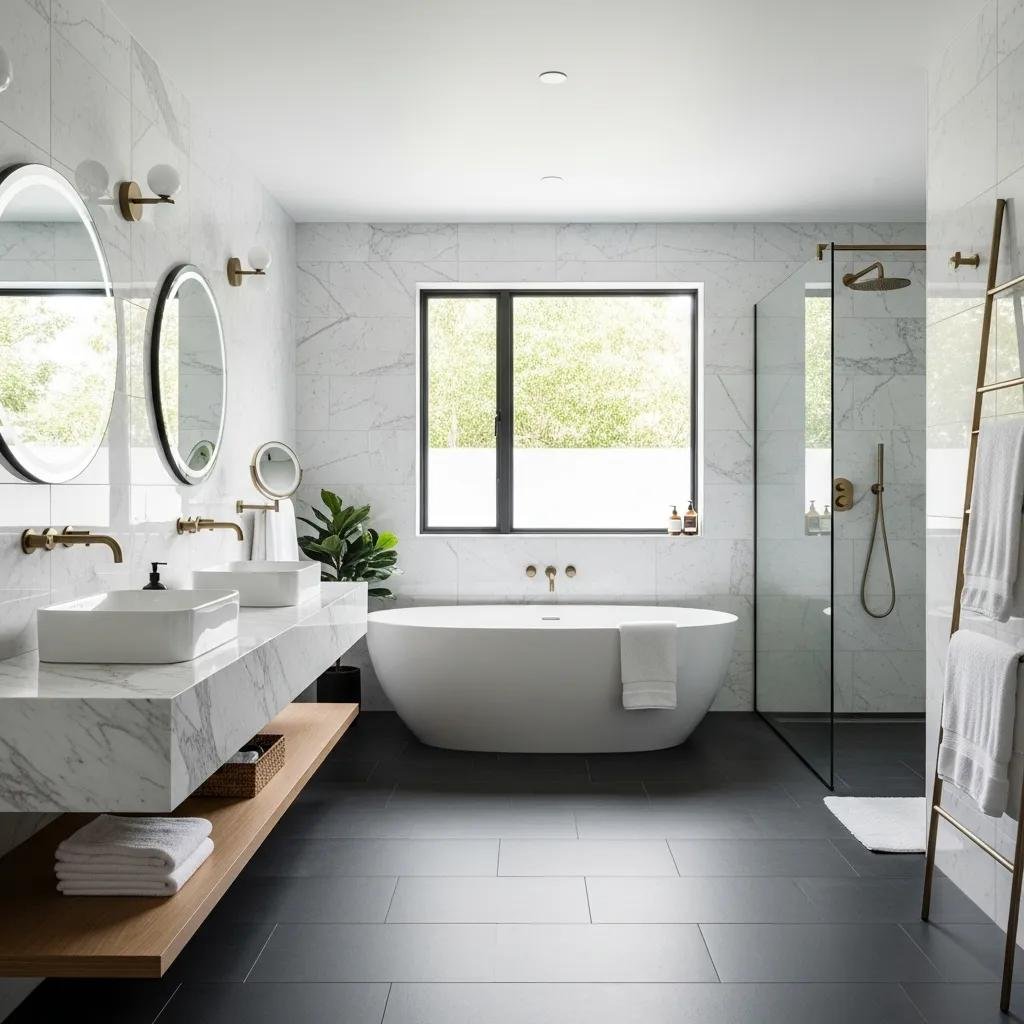
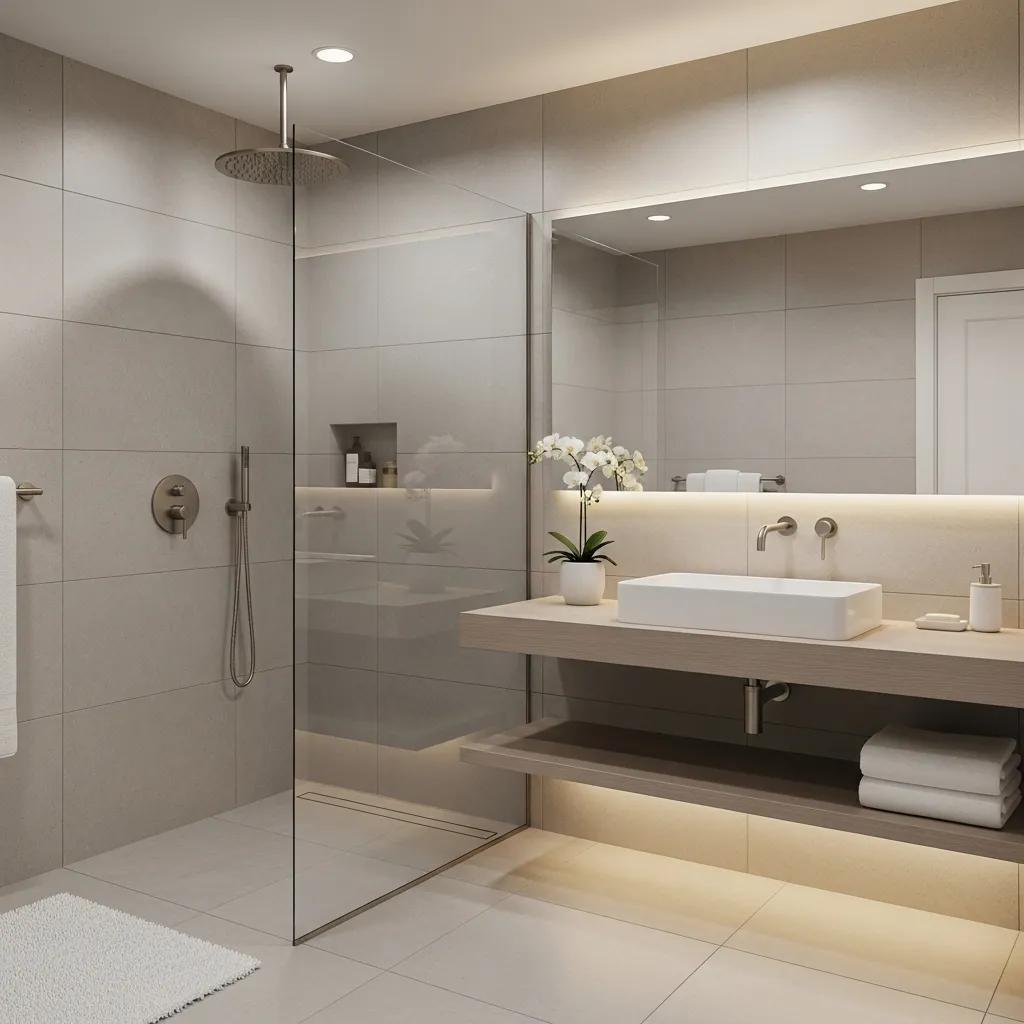
Luxury bathroom remodeling in Downtown D.C. focuses on high-quality materials, smart use of limited urban space, and integrated comfort systems that elevate everyday routines. Upscale projects pair long-lasting natural stone or engineered surfaces with custom millwork, precision plumbing, and smart controls to deliver both beauty and durability. These choices respond to downtown realities—compact floor plans, historic details, and permitting limits—while maximizing light, storage, and circulation. The features below outline what consistently sets high-end downtown bath renovations apart and help homeowners prioritize trade-offs during planning.
Luxury bathroom features typically include the following:
- High-grade surfacing: Large-format porcelain or honed stone that minimizes grout lines and creates a continuous, upscale look.
- Custom cabinetry: Built-in storage that respects the home’s architecture while hiding plumbing access.
- Premium plumbing fixtures: Thermostatic valves, rainfall showerheads, and finishes chosen for longevity and performance.
- Comfort systems: Radiant heated floors, towel warmers, and effective ventilation to maintain a spa-like environment.
- Smart controls: Digital shower controllers and automated lighting scenes for convenience and energy management.
- Spa amenities: Freestanding soaking tubs, steam enclosures, and integrated shower seating for relaxation and accessibility.
These elements form a practical roadmap when balancing budget and impact—each decision affects maintenance and resale value. Knowing material trade-offs up front makes it easier to refine scope and produce accurate construction schedules.
The table below compares common luxury fixtures and materials so you can quickly scan trade-offs.
This comparison clarifies cost, maintenance, and spatial implications so homeowners can make informed selections before design development.
Which High-End Materials and Finishes Signal a Luxury Bathroom?
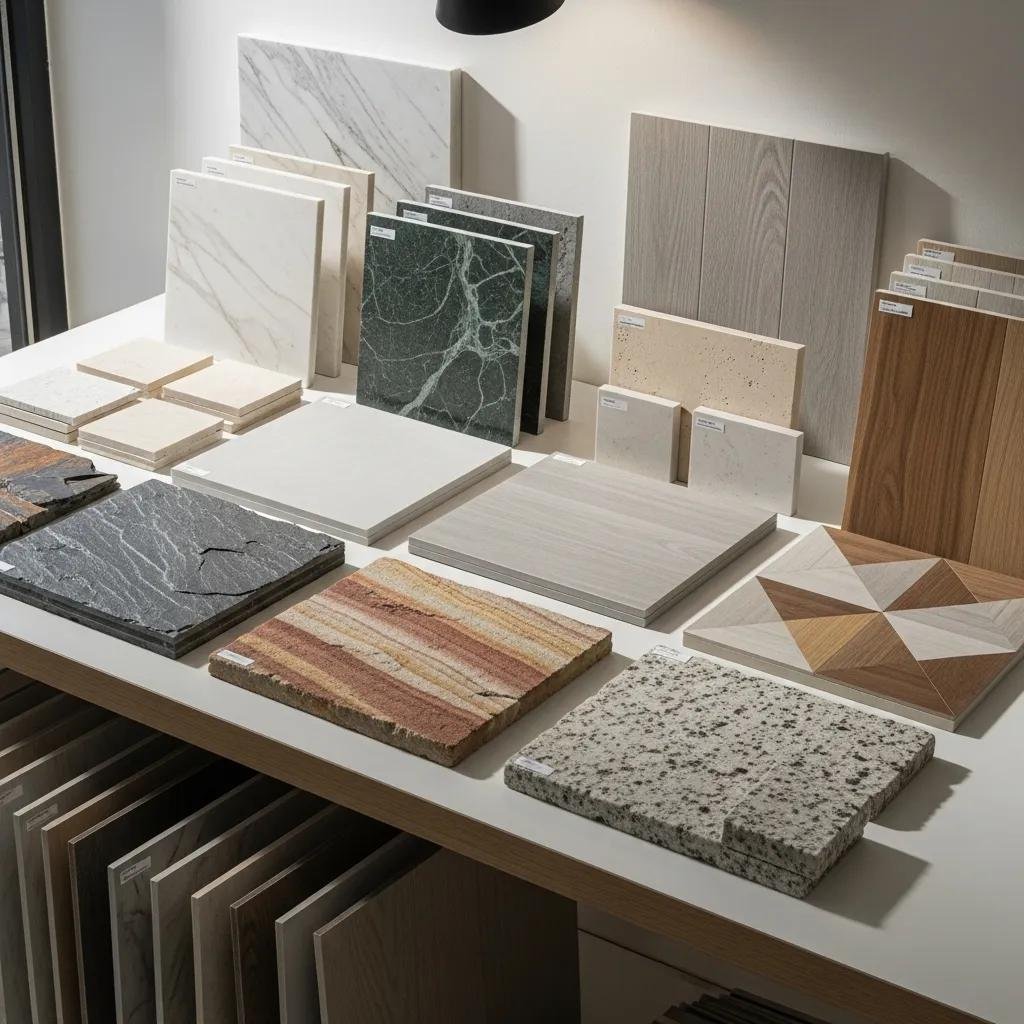
High-end materials—marble, quartz, large-format porcelain, mosaic accents, and premium metal finishes—convey luxury through texture, finish quality, and precise installation. Marble brings timeless veining for vanity tops or accent walls; engineered quartz offers similar visual weight with easier upkeep. Large-format porcelain mimics natural stone with lower porosity and fewer grout lines—ideal in compact Downtown D.C. baths where visual continuity matters. Polished brass or matte-black hardware supplies a curated contrast, but durability and maintenance needs should guide final selections based on household use.
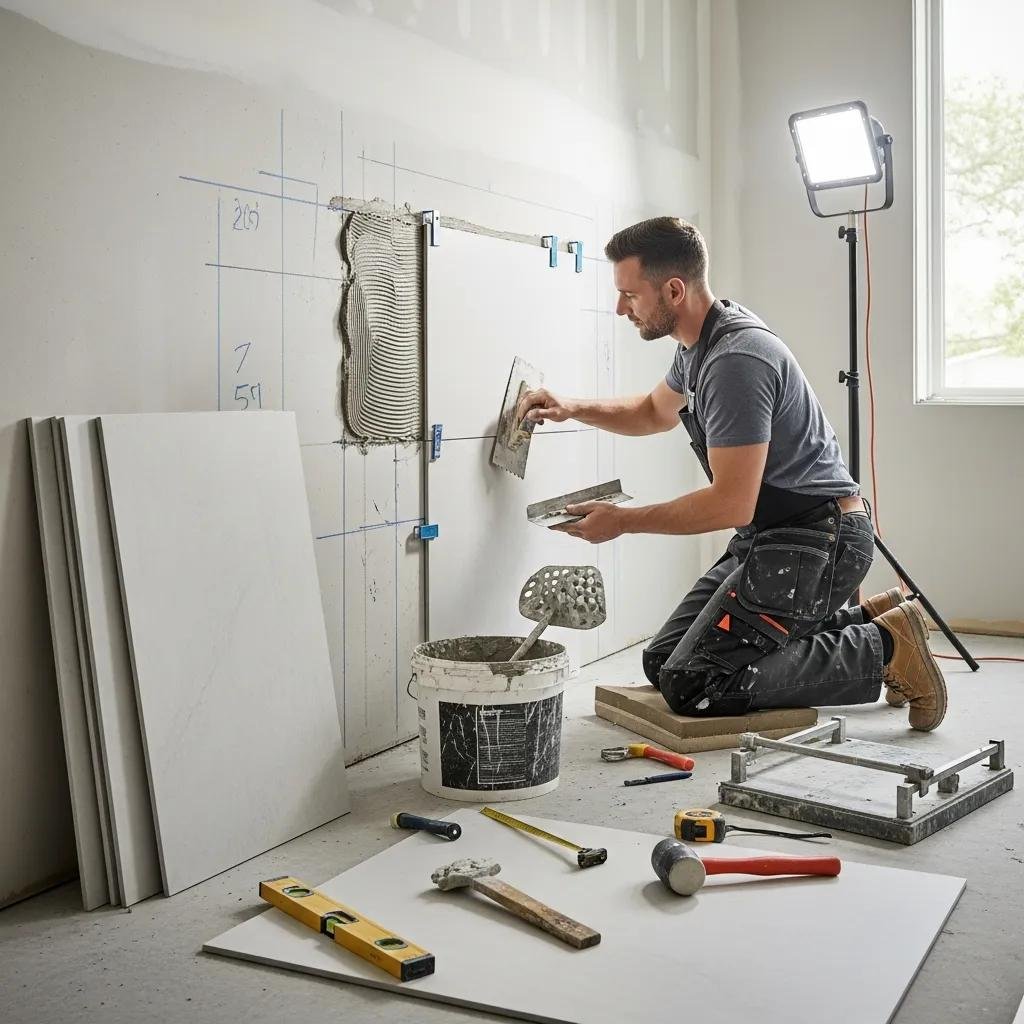
Working with experienced tile suppliers and installers up front ensures patterns, grout joints, and substrate preparation meet luxury standards and reduces the risk of costly rework.
How Does Custom Design Improve a Downtown D.C. Bathroom?
Custom design adapts layouts to the building’s constraints—stacking plumbing runs, preserving historic moldings, or reorienting circulation—to extract maximum function from small footprints. Designers integrate recessed medicine cabinets, concealed laundry niches, and tailored storage to keep the look clean while increasing utility. In one urban retrofit, converting the shower to a wet room and relocating the vanity made space for a freestanding tub without expanding the footprint—preserving flow and sightlines. A coordinated design-build workflow resolves structural, plumbing, and electrical coordination early so millwork, tile layouts, and fixtures are decided before demo, reducing change orders and schedule risk.
How Do You Choose the Right DC Bathroom Renovation Contractor?
Picking the right contractor for a luxury bathroom remodel in Downtown Washington, D.C. requires a focused vetting process that verifies credentials, relevant portfolio experience, and a reliable design-build approach. Start by confirming licenses, bonding, and insurance, then review portfolios for projects with comparable materials and finish levels. Look for clear project management, transparent warranty terms, and demonstrated local permitting experience so the team can handle inspections and historic-district requirements.
Use this checklist when interviewing contractors:
- Verify licensing and insurance: Confirm active local trade licenses and general liability coverage before signing.
- Review luxury project portfolio: Ensure past work shows stone, custom millwork, and experience with tight urban sites.
- Ask about design-build capability: Prefer single-source providers who manage design, permitting, and construction to reduce handoffs.
- Check references and local permits: Request client references and examples of permit navigation in Washington, D.C.
- Confirm warranty and post-completion support: Clarify who handles maintenance and warranty claims after closeout.
Following these steps lowers risk and helps you find contractors able to deliver high-end finishes on schedule. Scanbuild LLC, for example, operates as a licensed, bonded, and insured design-build firm—the kind of single-source accountability homeowners should expect.
What Credentials and Experience Matter for Downtown D.C. Contractors?
Look for contractors with trade licenses, general liability insurance, and bonding appropriate to the project scope, plus a portfolio showing luxury finishes—stone fabrication, detailed tile work, and custom cabinetry. Local permitting, inspection experience, and familiarity with historic-district review are essential for downtown properties where rules can differ from suburban projects.
Confirm the contractor has completed projects of similar complexity—coordinating plumbing, electrical, and structural trades for features like freestanding tubs or wet rooms. Asking for project photos, substrate-prep documentation, and references from nearby clients gives concrete proof of capability.
Why Hire a Licensed, Bonded, and Insured Contractor?
Hiring a licensed, bonded, and insured contractor protects homeowners from practical and financial risk: licenses show regulatory compliance, bonds provide recourse if a contractor fails to finish, and insurance shields the homeowner from liability for on-site injuries.
Without these protections, homeowners may face uncovered damages, fines, or permitting hurdles. In real cases, bonding or insurance claims can preserve project funds and prevent disputes from becoming expensive legal problems. Verifying credentials before you sign is a simple step that materially reduces project risk and eases permitting and inspections.
Which Trends Are Shaping High-End Bathroom Remodels in Downtown D.C.?
In 2024, luxury bathroom trends for Downtown D.C. favor open, airy layouts, tactile materials, integrated smart controls, and biophilic touches that bring calm to urban homes. Designers are using wet-room concepts with curbless transitions to expand perceived space, bold patterned tile as focal points, and nature-inspired palettes with warm metal accents. Smart features—digital shower controls, heated floors, and smart mirrors—are moving from add-ons to core specifications, so they need to be coordinated early in design.
The trends below describe practical implementations and benefits you can request during your design consultation.
- Wet-room and curbless showers: Create visual openness and improve accessibility while requiring modern drainage and waterproofing.
- Bold patterned and textured tile: Adds personality and a focal point without needing extra square footage.
- Smart integration: Digital shower controls, programmable heated floors, and app-enabled lighting for comfort and efficiency.
- Biophilic design: Natural materials and plant-friendly ventilation improve perceived air quality and wellbeing.
- Floating vanities and freestanding fixtures: Offer a contemporary aesthetic, easier cleaning, and sculptural presence.
These trends imply specific material and trade coordination; including them early in scope reduces costly retrofits during construction.
This side-by-side helps homeowners choose trends that deliver the best value given their budget and space.
How Are Smart Technologies Wired into Modern Luxury Bathrooms?
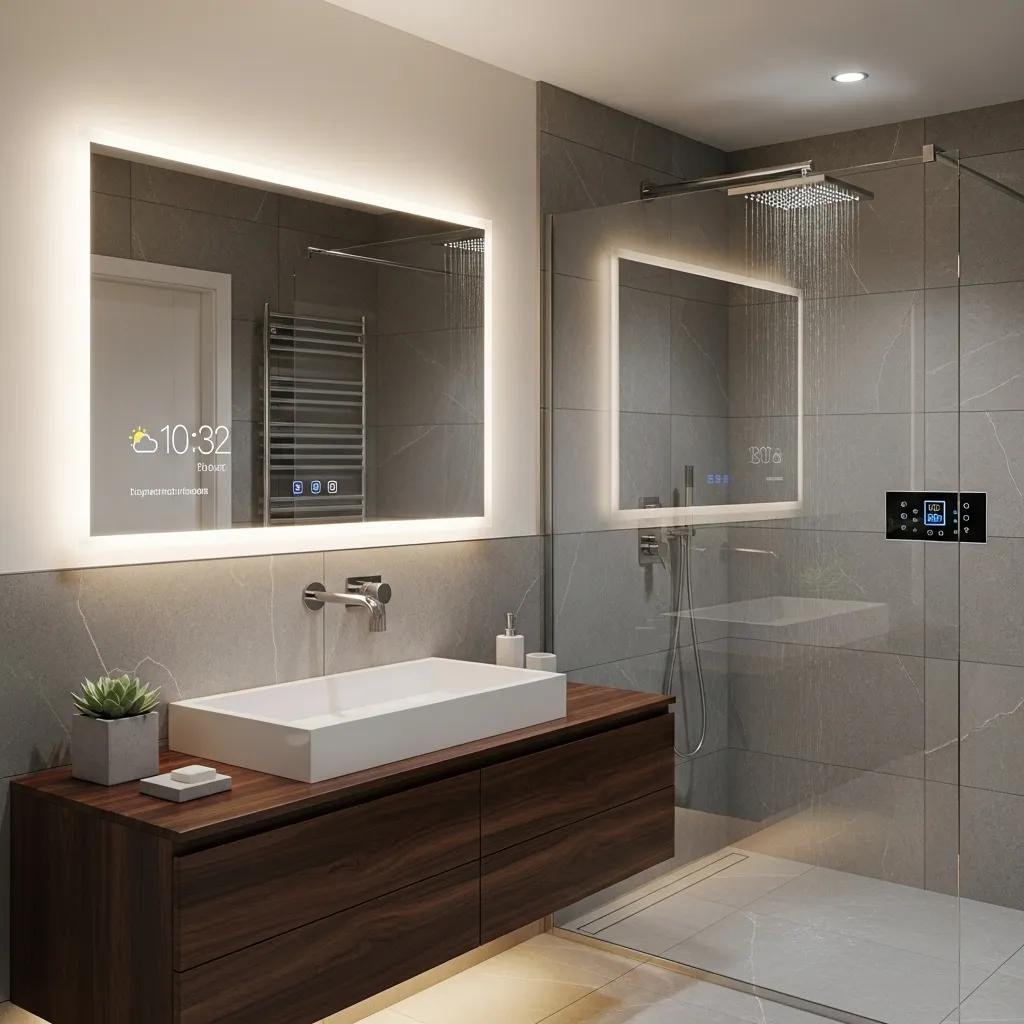
Smart bathroom tech commonly includes digital shower controls, programmable radiant floors, touchless fixtures, and smart mirrors with lighting and defogging. Effective integration requires early electrical planning and coordination with plumbing so valves, sensors, and controllers are accessible behind finished walls and have reliable network connections.
Discuss security and privacy—firmware updates, network segmentation, and device lifecycle—with your contractor and product suppliers to avoid surprises.
When incorporated during design, smart features deliver everyday convenience and can be staged across budgets without compromising long-term reliability.
Which Design Choices Create a Spa-Like Master Bathroom in D.C.?
A spa-like master bath layers lighting, natural textures, efficient ventilation, and an ergonomic layout to promote wellness and relaxation. Combining ambient, task, and accent lighting builds depth while good ventilation and humidity control protect finishes and prevent mold.
Adding steam-capable enclosures, built-in shower seating, and radiant heated floors boosts comfort; neutral palettes, tactile stone, and warm wood tones encourage a restful atmosphere. Thoughtful acoustic and sightline treatments—sound-dampening finishes and privacy glazing—further separate the space from the city outside and support a restorative experience.
How Do You Plan and Budget for a Downtown Washington, D.C. Master Bathroom Renovation?
Planning and budgeting for a master bathroom renovation in Downtown D.C. begins with a clear scope, finish selections, and realistic timelines that include permitting and trade coordination. Phased budgeting—with allowances for key finishes and a contingency—helps homeowners protect quality while absorbing unforeseen conditions common in older urban buildings. The design-build model reduces schedule risk by consolidating design, permitting, procurement, and construction under one contract, which improves cost predictability and limits change orders. Below is a concise cost/time comparison for typical luxury remodel scopes to set expectations.
These ranges reflect downtown conditions where access, permit timelines, and substrate repairs can lengthen schedules or increase costs. A 10–20% contingency for luxury finishes and unexpected structural work is prudent.
The design-build approach helps minimize surprises by aligning design intent with construction means and methods; homeowners can request consolidated estimates and timelines to compare proposals more effectively. For an accurate design-build estimate and phased project timeline for Downtown Washington, D.C. properties, schedule a consultation with Scanbuild LLC to review scope, allowances, and timing.
What Does a Luxury Bathroom Remodel Typically Cost in Downtown D.C.?
Cost ranges for luxury bathroom remodeling in Downtown D.C. start at cosmetic upgrades and extend to full master-bath overhauls. In brief: expect cosmetic refreshes around $10,000–$25,000, mid-scope renovations from $25,000–$60,000, and full luxury remodels from $60,000 to well over $150,000 depending on structural work and ultra-premium finishes. Major cost drivers include material choice (natural stone vs. engineered surfaces), plumbing or layout changes, structural reinforcement for heavy fixtures, and complexity of smart-system integration. Permitting and access in downtown buildings also affect time and cost.
How Does a Design-Build Process Improve Project Outcomes?
A design-build workflow creates single-point accountability across consultation, schematic design, permitting, construction, and closeout so budget, schedule, and quality goals are aligned from the outset.
During consultation and schematic design, priorities and allowances are set; permitting confirms code requirements; construction coordinates procurement and trades to limit change orders. This reduced handoff between designer and builder lowers miscommunication and schedule slips. Clear milestones, a single contract, and coordinated quality-control checks help deliver consistent results that meet homeowner expectations.
Final planning note and contact invitation
Thoughtful early planning, realistic allowances for premium materials, and a design-build partner familiar with Downtown Washington, D.C. permitting and installation constraints materially improve outcomes and homeowner experience.
If you’re ready to move from inspiration to a practical project plan, Scanbuild LLC offers design-build consultations to review scope, schedule, and next steps. Contact Scanbuild LLC by phone or email to request a consultation and an initial estimate.
Frequently Asked Questions
What are the benefits of using a design-build approach for bathroom remodeling?
Design-build streamlines remodeling by combining design and construction under a single contract. That structure improves communication, reduces mismatch between intent and execution, and simplifies project management. Homeowners get one point of accountability, which speeds decisions and lowers the chance of change orders. The approach also tends to deliver better cost control and a more cohesive finished space because design and construction teams collaborate from day one.
How can I ensure my luxury bathroom remodel adds value to my home?
To maximize value, choose durable, timeless materials and features that appeal to buyers—quality stone, efficient fixtures, and neutral palettes with thoughtful details. Focus on functionality, storage, and finishes that stand up to daily use. Smart technologies and energy-efficient fixtures can be selling points, but prioritize long-term durability and broad market appeal. A local real estate consult can clarify which features resonate most in your neighborhood.
What should I consider when selecting materials for my bathroom remodel?
Consider durability, maintenance, and how the material complements the overall design. Natural stone, porcelain, and premium metals offer longevity but vary in upkeep. Think about porosity, grout maintenance, and how cleaners will affect finishes. Balance visual impact with practical requirements for your household and budget to ensure the result looks great and performs well long-term.
How can I incorporate smart technology into my bathroom remodel?
Plan smart features during design so electrical and plumbing can support controllers, valves, and sensors. Popular options include digital shower controls, smart mirrors, and programmable heated floors. Work with your contractor and product vendors to ensure network reliability, firmware support, and appropriate security measures like network segmentation to protect privacy.
What are some common mistakes to avoid during a bathroom remodel?
Common mistakes include underestimating budget, skimping on storage, and overlooking flow and functionality. Build a realistic budget with a contingency, plan adequate storage, and prioritize a layout that supports daily use and accessibility. Early coordination of trades and finishes also helps avoid costly changes during construction.
How long does a luxury bathroom remodel typically take?
Timelines vary by scope. Cosmetic upgrades generally take 2–4 weeks; mid-scope remodels run 6–10 weeks; full renovations with structural work and high-end finishes commonly require 10–16 weeks. Permitting, material lead times, and project complexity can lengthen schedules, so discuss your specific plan with your contractor to set a realistic timeline.
Conclusion
Turning a bathroom into a luxurious retreat improves daily life and can increase home value. By understanding key features, finish choices, and the design-build process, you can make informed decisions that align with your goals and budget. For personalized guidance and a project plan tailored to Downtown Washington, D.C., contact Scanbuild LLC for a consultation. Let’s create a space that blends lasting craftsmanship with thoughtful design.


Recent Comments