
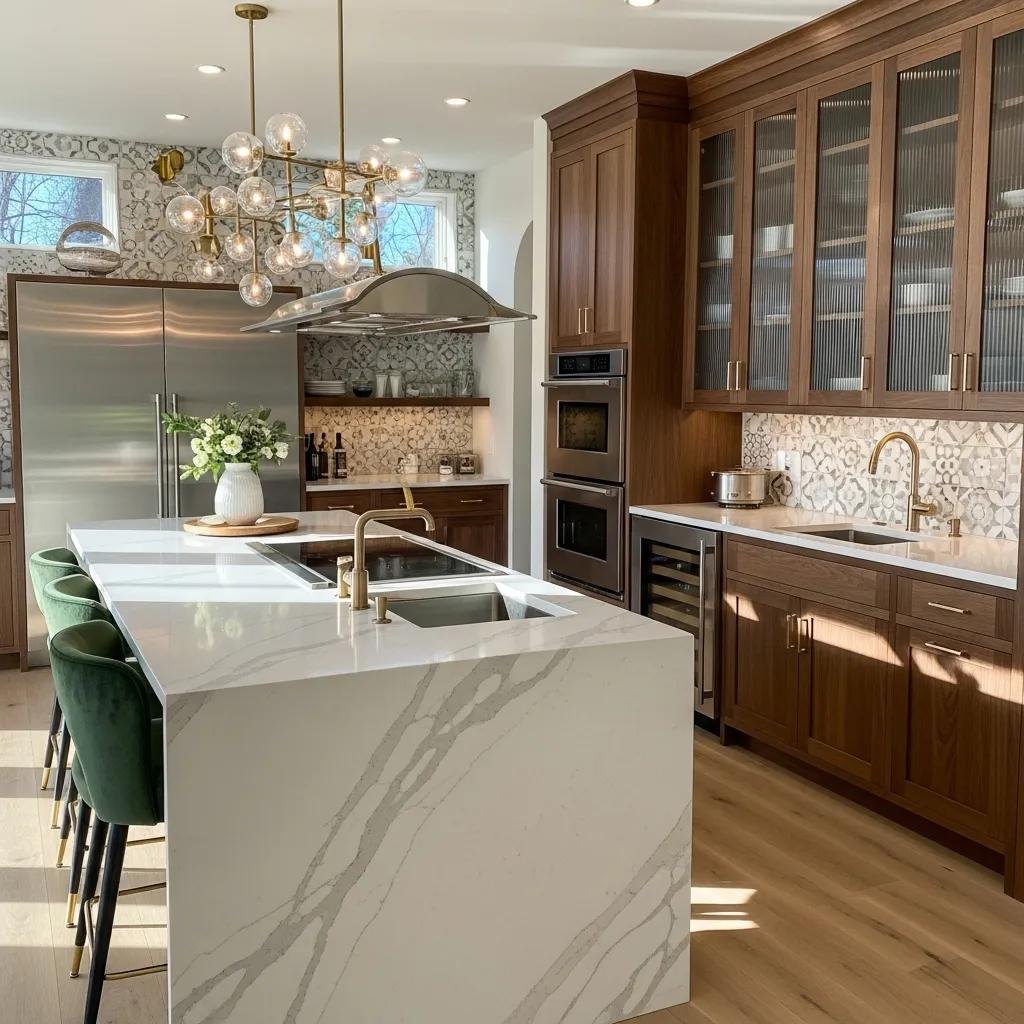
Managing Unexpected Costs in Your Renovation: Practical Budget Planning for Luxury Homeowners
Unexpected renovation costs are expenses that surface during a remodel when hidden issues, changing material prices, permit delays, or scope shifts push the budget beyond the original estimate. In high-end projects these surprises can quickly eat into design priorities and timelines. This guide shows how to anticipate and control those costs with practical contingency sizing, smarter procurement, permit planning, and financing options tailored to luxury kitchens and bathrooms. Scanbuild LLC is a local design‑build resource for the Washington, D.C. metro area — we help homeowners reduce overruns by coordinating design, permitting, and procurement early. Read on for a concise roadmap: common causes of overruns, how to size a remodel contingency, DC‑area kitchen tactics, and financing paths that limit stress while protecting your design intent.
What Are the Common Causes of Renovation Budget Overruns?
Most unexpected renovation costs come from a predictable set of drivers. Knowing these — hidden structural problems, permit and inspection delays, long lead times or price swings for premium materials, scope changes, and trade shortages — lets you prioritize inspections and build realistic allowances up front. Below is a short list of the top causes with one-line mitigations tailored for luxury remodels.
- Hidden structural issues: Perform early structural inspections to reduce the chance of late discoveries and costly corrective work.
- Permit and inspection delays: Build extra time and budget into the schedule for jurisdictional reviews to avoid schedule-driven cost increases.
- Material price fluctuations and long lead times: Lock vendor quotes and identify alternates to control finish costs and delivery risk.
- Scope creep and design changes: Use defined change-order governance and staged approvals to limit unplanned upgrades.
- Specialized labor shortages: Select contractors with vetted trade networks and strong local relationships to secure reliable crews.
The table below summarizes typical cost impacts and practical mitigations so you can convert risk awareness into a realistic plan.
This table lists common causes, the typical cost impact range, and recommended mitigation tactics for luxury renovations.
With careful mitigation, these common causes become manageable allowances. The sections that follow explain how to budget and govern contingency funds so surprises don’t derail quality.
How Do Structural Issues Impact Unexpected Home Remodel Costs?
Structural issues are often revealed during demolition — rotten joists, hidden water damage, or changes to load‑bearing elements — and they increase both cost and schedule when discovered mid‑project. Targeted exploratory demo and a structural engineer’s assessment early in the process clarify likely interventions and provide realistic cost ranges. That prevents reactive premium pricing and last‑minute design compromises. In luxury projects the stakes are higher because premium finishes and integrated appliances need precise structural support, so setting a larger structural contingency and using phased demolition with staged approvals lets owners authorize repairs with transparent pricing and keeps the work moving.
What Role Do Permit and Inspection Fees Play in Budget Overruns?
Permits and inspections are direct line items and indirect schedule drivers. Rules and review times vary across DC, Maryland, and Virginia, so timelines and rework risk differ by location. While fees themselves may be modest, delayed inspections or required plan revisions can cause contractor downtime, expedited re‑submittal costs, or temporary protection measures that add up. Mitigate this by submitting permit‑ready documents early, confirming municipal review windows, and budgeting for re‑inspections and minor revisions. Working with a team familiar with local building departments reduces repetitive corrections and gives realistic inspection expectations, protecting both budget and schedule.
How Can You Build an Effective Home Renovation Contingency Fund?

A renovation contingency is a reserved budget line for unplanned costs that protects the core scope and schedule. For luxury projects we typically recommend a contingency between 10% and 25% of the project budget, scaled to project complexity and known unknowns. Breaking the contingency into named categories — structural, finishes, allowances, and permit/regulatory buffers — helps owners and contractors approve expenditures transparently and avoids tapping owner reserves for routine decisions.
The table below shows example allocations for a typical luxury kitchen versus a standard bathroom to illustrate practical sizing and rationale.
Allocate contingency into named buckets and document approval thresholds so funds are reserved for genuine surprises rather than discretionary upgrades. The next subsections explain percentage rules and governance in more detail.
What Percentage of Your Budget Should Be Reserved for Contingencies?
Reserve 10%–25% depending on project unknowns: smaller, well‑defined scopes trend toward 10%, while major luxury remodels with structural changes or custom finishes warrant 20–25%. Use the lower end when you have thorough pre‑construction surveys, locked material pricing, and experienced local contractors; choose the higher end when there’s extensive demolition, unknowns behind walls, or rare imported materials. For example, on a $200,000 luxury kitchen, a 15% contingency equals $30,000 reserved for unforeseen structural repairs, finish adjustments, or permit‑driven changes. Define approval thresholds and signer authority up front to prevent misuse and keep funds available for true surprises.
How Does a Contingency Fund Mitigate Luxury Renovation Cost Risks?
A contingency fund provides immediate liquidity for unforeseen expenses, preventing work stoppages and costly, rushed decisions. Effective governance assigns approval limits — small on‑site fixes approved by the project manager, larger repairs requiring owner sign‑off — with transparent reporting and invoice‑backed releases. Staging contingency disbursements around project milestones ensures funds are available when discovery risk is highest. Conservative allowances and clear change‑order controls protect the contingency from being depleted by choice‑driven upgrades, preserving both budget discipline and design intent.
What Strategies Help Manage Luxury Renovation Costs in DC Kitchen Remodels?
Local strategies to prevent overruns focus on procurement timing, vendor agreements, and phased work that align with municipal processes and specialty trades. Locking prices for key finishes, securing lead‑time commitments from suppliers, and value engineering assemblies that preserve the design are all practical ways to control costs. Below is a short checklist of actionable tactics for luxury kitchen remodels in the D.C. metro area.
- Lock vendor quotes and place deposits early for custom cabinetry and stone to avoid unexpected price increases.
- Specify alternates and allowances in the contract so suppliers can offer comparable options if originals are delayed.
- Phase long‑lead items so demolition and structural work don’t outpace procurement, avoiding idle labor costs.
These tactics reduce exposure to market volatility and supplier constraints. The following paragraphs explain material controls and contractor selection in more detail.
How Can Material Price Fluctuations Be Anticipated and Controlled?
Identify long‑lead and volatile items early — imported stone, custom millwork, specialized LVT — and secure firm written quotes or purchase orders during design. Use allowance‑based specs with defined alternates so procurement can source equivalents without redesign. For luxury projects, build a buffer for price escalations and consider phased ordering to match cash flow and storage. Strong supplier relationships and clear contract terms minimize surprise upcharges and schedule slippage.
How Does Scanbuild LLC’s Design-Build Approach Prevent Budget Overruns?
Scanbuild LLC uses an integrated design‑build workflow that brings designers, contractors, and suppliers together from the outset to reduce the disconnects that create change orders. Our process emphasizes coordinated documentation, transparent allowance management, and local experience with DC‑area permitting and suppliers so we can anticipate jurisdictional requirements and lead times. Centralizing accountability and applying value engineering early produces clearer estimates and fewer surprises, helping protect luxury renovation budgets while preserving design quality. Homeowners benefit from a single point of contact that streamlines decisions and keeps the project moving.
What Financing Options Are Available for Unexpected Renovation Expenses?

If your contingency isn’t enough, several financing options can cover unexpected expenses while balancing cost and timing. Short‑term solutions include lines of credit or credit cards for immediate liquidity; longer‑term solutions use home equity or renovation loans to spread repayment. The table below compares common financing options, typical terms, and when each makes sense for luxury remodel surprises.
Which Financing Solutions Support Managing Luxury Renovation Surprises?
For larger shortfalls, tapping home equity or using a structured renovation loan spreads costs over time with lower rates than unsecured credit. For urgent needs — for example, an unexpected structural repair found during demolition — a short‑term line or credit card can bridge cash flow until a longer‑term solution is in place. Discuss financing during initial planning so lenders can pre‑approve or set limits, preventing last‑minute, high‑cost borrowing that erodes your renovation budget.
How Can Homeowners Plan for Unexpected Costs Without Financial Stress?
Practical steps include keeping a dedicated renovation reserve beyond the formal contingency, requesting phased and itemized quotes, and prioritizing long‑lead procurement early to reduce exposure. Establish clear change‑order protocols and pre‑approve alternates to avoid emotionally driven upgrades that drain contingency funds. Finally, talk to your lender during the design phase so emergency funding is a planned resource rather than a scramble. Combining disciplined contingency governance with prepared financing reduces stress and keeps the project aligned with luxury standards.
For tailored guidance on protecting your budget during a high‑end remodel in the Washington, D.C. metropolitan area, schedule a consultation with a local design‑build specialist who can review scope, procurement, and permit strategy. Scanbuild LLC serves Rockville and surrounding communities, offering coordinated design‑build insight that helps homeowners plan contingencies, align procurement, and navigate local permitting to preserve both budget and design intent.
Frequently Asked Questions
What should I do if I encounter unexpected costs during my renovation?
First, assess the issue to understand scope and likely cost. Consult your contractor and request an itemized recommendation. If the expense can’t be absorbed within the budget, tap your contingency or consider short‑term financing while you evaluate longer‑term options. Keep communication open with your team and document any change orders so decisions are clear and trackable.
How can I ensure my renovation stays on schedule despite unexpected costs?
Prioritize early inspections and realistic planning. Build buffer time into the schedule, maintain a robust contingency, and hold regular progress reviews with your contractor. Quick, documented decisions and a single point of contact reduce downtime. Proactive procurement of long‑lead items also helps prevent schedule ripple effects from unexpected costs.
What are the best practices for selecting contractors to avoid budget overruns?
Choose contractors with proven experience in luxury remodels and strong local references. Request detailed, line‑item estimates and ask about their supplier and subcontractor relationships. Look for teams that emphasize transparency in allowances and change‑order processes and who can demonstrate experience navigating local permitting and inspections.
How can I effectively communicate my budget constraints to my contractor?
Be upfront about your budget from the first meeting and share priorities so the team can recommend trade‑offs. Ask for staged estimates and written allowance ranges. Regular check‑ins and a clear change‑order approval process help keep everyone aligned and reduce costly surprises driven by miscommunication.
What role does value engineering play in managing renovation costs?
Value engineering helps retain design intent while lowering cost by identifying material or assembly alternatives that deliver similar performance and aesthetics. Engaging your contractor and designer in value engineering early can yield practical savings without compromising the look and function you want.
How can I prepare for potential financing needs during my renovation?
Assess your overall budget, identify likely pressure points, and research financing options before construction begins. Pre‑approval for a HELOC or renovation loan provides a safety net. Maintain a small cash reserve beyond the formal contingency for minor surprises so you avoid high‑cost emergency borrowing.
Conclusion
Managing unexpected costs in luxury renovations comes down to predictable planning: identify likely risks, set a disciplined contingency, control procurement, and establish clear governance for change orders. When surprises occur, a structured contingency and prepared financing keep your project on track and protect design intent. If you want hands‑on help planning a high‑end remodel in the D.C. area, reach out to a local design‑build expert to review scope, procurement, and permitting with you.
Recent Comments