
Smart Renovation Tips for D.C. Rentals: Maximize ROI with Luxury Upgrades
Smart renovation for rental properties means picking upgrades that raise rent, cut vacancy, and lower operating costs by using durable, market-appropriate luxury finishes. In the Washington D.C. metro area, renters expect modern kitchens, spa-like bathrooms, and resilient flooring that looks upscale while standing up to frequent turnover. This guide lays out which luxury renovations deliver the best ROI, why durable flooring extends lifecycle and reduces maintenance, and which targeted strategies move the needle for DC-area investment properties. You’ll get practical, feature-level guidance—what materials and fixtures to prioritize, lifecycle and maintenance trade-offs, and how to present upgrades to attract premium tenants. Below we cover top high-ROI categories, a side-by-side look at kitchen, bathroom, and flooring investments, a flooring comparison focused on LVT and premium tile, DC-specific strategies (energy efficiency, smart tech, curb appeal), and how to work with a local remodeler to align upgrades with rental ROI.
Which Luxury Renovations Offer the Best ROI for Rental Properties?
Renovations that pair perceived luxury with long-term durability produce the strongest rental ROI: they justify higher rents, shorten vacancy, and keep maintenance predictable.
Across most DC neighborhoods, the three highest-ROI projects are kitchens, bathrooms, and durable high-traffic flooring. Each addresses tenant priorities—modern appliances, low-maintenance surfaces, and water-resistant floors. Below is a concise ranking with the upside and why these categories perform well for landlords focused on rental ROI.
These top renovation types commonly translate into measurable rent uplift and lower turnover costs:
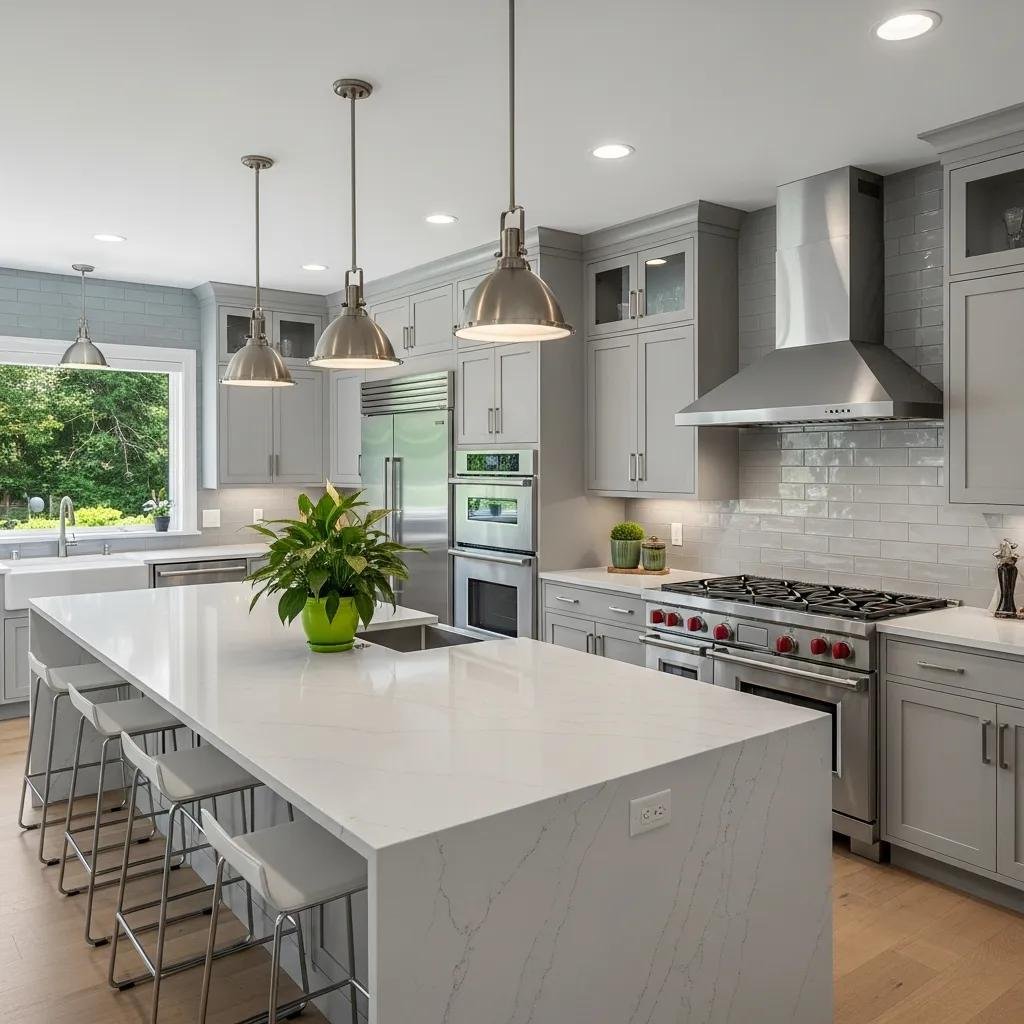
- High-end kitchen remodels: Updated layouts, durable countertops, and stainless appliances increase perceived value and attract premium renters.
- Spa-like bathroom upgrades: Walk-in showers, quality tile, and efficient fixtures reduce complaints and support higher rent brackets.
- Durable flooring replacements: Luxury vinyl and porcelain tile shorten maintenance cycles and preserve income streams.
The comparison table below shows typical cost ranges, expected ROI, tenant appeal, and maintenance level to help prioritize projects without over-improving for the neighborhood.
Use this table to weigh upfront investment against likely rent gains and lower vacancy; choosing the right scope prevents over-improvement compared with local comps.
How Do High-End Kitchen Remodels Attract Premium Tenants?
A thoughtfully executed kitchen remodel attracts higher-paying tenants by combining practical layouts, low-maintenance surfaces, and neutral, long-lasting finishes. Choices like quartz countertops, efficient workspace planning, and reliable stainless appliances reduce service calls and present as move-in ready. Small luxury touches—task lighting, soft-close drawers, and smart storage—improve daily life and limit visible wear. In competitive DC submarkets, matching the finish level to your target tenant profile is key to capturing rent premiums without overspending.
What Bathroom Upgrades Boost Rental Property Value Most Effectively?
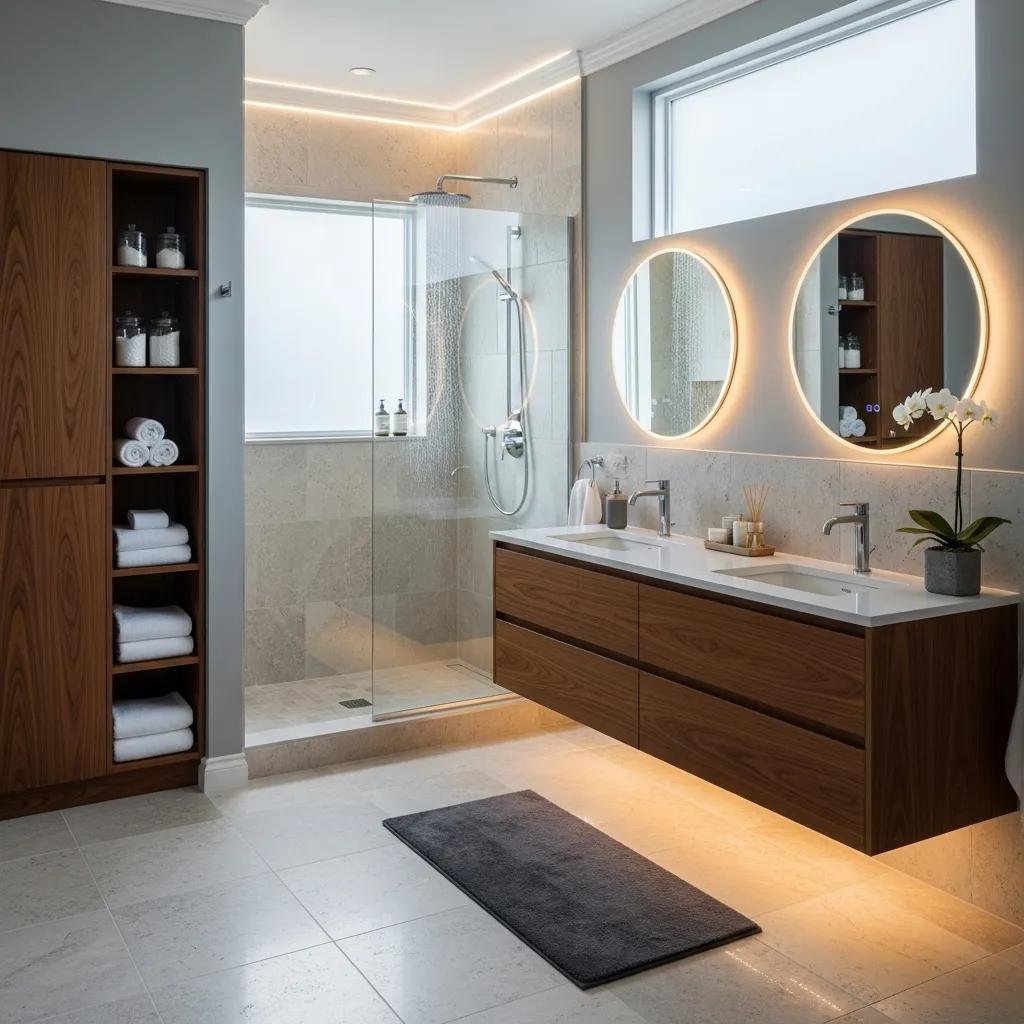
Bathroom upgrades that create a spa-like, low-maintenance environment deliver strong perceived value and tangible ROI by reducing tenant churn and enabling higher rent tiers. Priority items include walk-in showers with quality tile, durable vanities, improved lighting, and water-efficient fixtures that cut utility costs and appeal to eco-minded renters. Good storage and moisture-resistant finishes minimize repairs between tenancies. By focusing on durable tile and reliable plumbing fixtures, landlords can market bathrooms as a standout feature that supports rent increases and lowers turnover expenses.
How Can Durable Flooring Enhance Rental Property Appeal and Longevity?
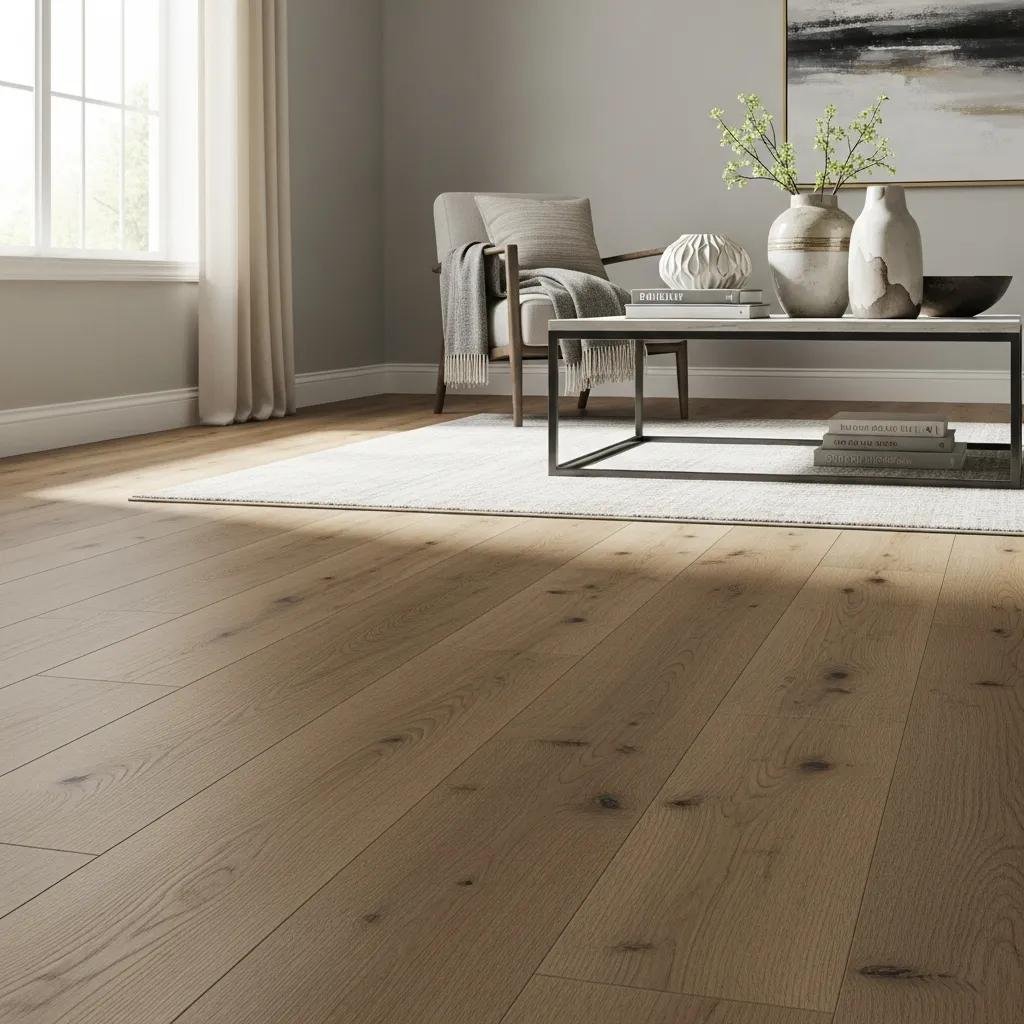
Durable flooring improves appeal and longevity by combining attractive aesthetics with resistance to wear, moisture, and frequent cleaning—lowering lifecycle costs and keeping units show-ready between tenants.
Flooring often sets first impressions: countertops and fixtures draw interest, but floors determine overall upkeep and maintenance budgets. For rentals, pick materials that balance scratch resistance, water performance, and replacement cost to maximize ROI. Below are the main benefits and a comparison table to guide material selection for landlords focused on luxury rental returns.
Durable floors deliver three direct benefits for landlords and listings:
- Better resistance to tenant wear reduces replacement frequency.
- Simpler maintenance cuts turnover cleaning and repair bills.
- A consistent, upscale look strengthens listing photos and supports premium pricing.
This side-by-side highlights trade-offs: LVT frequently wins on lifecycle cost and speed, porcelain tile excels in wet areas, and hardwood fits where aesthetic premium outweighs maintenance.
What Are the Benefits of Luxury Vinyl Flooring for Rentals?
Luxury vinyl (LVT) delivers high scratch resistance, strong water performance, and a lower total cost of ownership compared with traditional hardwood. LVT reproduces wood and stone looks while tolerating heavy foot traffic and frequent cleaning common in rental turnovers. Faster installation shortens vacancy between leases, and lower replacement costs protect long-term ROI. For landlords who want an upscale look without fragile surfaces, LVT balances tenant appeal with practical maintenance economics.
How Do High-End Tiles Compare to Hardwood for Rental Durability?
Porcelain tile and hardwood differ in maintenance, water resistance, and lifecycle cost. Tile generally outperforms hardwood in wet areas and heavy-traffic durability—resisting moisture, stains, and scratches that often damage wood in rentals. Hardwood offers warmth and resale appeal but typically needs refinishing after multiple tenancies, increasing lifecycle expense. Match material choice to room use and tenant expectations: porcelain tile where durability and water resistance matter most; hardwood where an aesthetic premium justifies ongoing care.
What Smart Renovation Strategies Maximize Rental Income in the Washington D.C. Area?
For DC-area rentals, focus on energy efficiency, practical amenity upgrades, and curb appeal to capture higher rents while meeting local tenant preferences. Energy-efficient systems and smart-home features cut operating costs and appeal to sustainability-minded renters. Small, well-targeted projects—adding in-unit laundry where possible, expanding storage, and improving lighting—often deliver bigger returns than full-scale overhauls. The list below highlights practical strategies investors should weigh when setting scope and budget.
Key strategies for maximizing rental income:
- Energy-efficient upgrades: Smart thermostats, LED lighting, and efficient appliances reduce utility costs and appeal to eco-conscious tenants.
- Smart-home features: Keyless entry, programmable thermostats, and integrated lighting increase convenience and perceived value.
- Value-add small projects: In-unit laundry, built-in storage, and better entry lighting shorten vacancy and allow higher rents.
Implementing these strategies means balancing upfront cost with tenant demand and local comps; in DC neighborhoods where renters prioritize convenience and sustainability, these upgrades can speed leasing and raise achievable monthly rates.
How Do Energy-Efficient Luxury Upgrades Reduce Costs and Attract Tenants?
Energy-efficient luxury upgrades lower landlord expenses and attract premium tenants by cutting utilities and signaling a modern, responsible property. LED lighting, water-saving fixtures, and programmable thermostats reduce ongoing costs and become marketing points that differentiate listings. Framed as comfort and savings, these features resonate in urban DC submarkets that value convenience and sustainability. Exact savings vary by unit size and usage, but landlords typically see faster leasing and better tenant retention after these investments.
Which Curb Appeal Enhancements Increase Rental Property Value?
Curb improvements boost perceived value, improve listing photos, and often shorten marketing time. Prioritize clean landscaping, good entry lighting, and a fresh front door or hardware to create a welcoming, secure arrival for renters. Small exterior investments return strong value because they signal care and safety—two major tenant concerns in metro neighborhoods. For best effect, time curb updates to coincide with interior upgrades so your listing presents a cohesive, high-quality package.
Why Choose Scanbuild LLC for Luxury Rental Property Renovations in the D.C. Metro Area?
Scanbuild LLC is a local partner for landlords who want luxury finishes that hold up in rentals across the Washington D.C. metro area. We focus on high-end kitchens, bathrooms, and flooring—specializing in premium tile and luxury vinyl (LVT)—and help property owners turn targeted upgrades into measurable rental ROI. We’re licensed, bonded, and insured, and we prioritize quality workmanship and an efficient, luxury-minded service experience so landlords can align design choices with neighborhood expectations and rental pricing strategies.
Scanbuild’s local coverage and service strengths include:
- Licensed, bonded, and insured operations that give landlords confidence in execution.
- Specialization in luxury kitchen, bathroom, and flooring work, including LVT and high-end tiling.
- Local market knowledge across the D.C. metro area to match finish levels with tenant expectations.
What Expertise Does Scanbuild Offer in Kitchen, Bathroom, and Flooring Renovations?
Our expertise centers on high-end kitchen and bathroom remodels and durable luxury flooring installs that align with rental investment goals. We handle modern layouts, quality tiling, and LVT systems designed for high-traffic units—specifying finishes that read upscale while minimizing long-term maintenance. For landlords, our value is pairing attractive design with material choices that reduce turnover costs and support rent uplift in the DC market.
How Does Scanbuild Ensure Quality Workmanship and Efficient Service?
We deliver quality workmanship and efficient service through disciplined project management and professional trade coordination, backed by licensed, bonded, and insured operations. Our focus on craftsmanship, clear timelines, and landlord coordination helps reduce vacancy during renovations. A concise consultation aligns scope with expected rental ROI so upgrades match the target neighborhood and tenant profile. These trust factors let landlords pursue luxury renovations with predictable outcomes and controlled costs.
Frequently Asked Questions
What are the key factors to consider when planning luxury renovations for rental properties?
When planning luxury renovations, prioritize tenant preferences, local market standards, and the likely ROI. Choose durable materials that need minimal upkeep, understand your target tenant demographics, and make sure upgrades don’t exceed neighborhood expectations. Balance renovation cost against anticipated rent increases and vacancy impact. Market research and advice from local pros can clarify which features will attract tenants and maximize income.
How can landlords effectively market their renovated rental properties?
Highlight upgrades in listings with professional photos and clear descriptions that emphasize modern amenities, energy efficiency, and low maintenance. Use online marketplaces, social media, and local broker networks to boost visibility. Open houses or virtual tours let prospects experience the space and reinforce the value of your upgrades—helping justify higher rents.
What are some common mistakes to avoid during rental property renovations?
Common mistakes include over-improving beyond neighborhood norms, ignoring tenant needs, and under-budgeting for surprises. Avoid low-quality materials that raise maintenance costs later. Maintain a clear plan and timeline, communicate closely with contractors, and validate renovation choices with local market research to ensure the work appeals to renters.
How do smart home features impact rental property appeal?
Smart-home features boost appeal by adding convenience, security, and energy savings—qualities increasingly sought by renters. Smart thermostats, keyless entry, and integrated lighting can differentiate your listing and support higher rents. These features also help reduce operating costs and attract sustainable-minded tenants when marketed appropriately.
What is the importance of energy efficiency in rental property renovations?
Energy efficiency lowers operating costs and improves tenant satisfaction. Upgrades like efficient appliances, LED lighting, and better insulation reduce utility bills and appeal to renters who prioritize sustainability. Investing in efficiency can increase property value, improve tenant retention, and reduce turnover expenses.
How can landlords determine the right scope of renovations for their properties?
Decide scope by analyzing the local rental market, tenant demographics, and the property’s condition. Look at comparable units to see which features are in demand and which upgrades yield the best ROI. Prioritize fixes that address maintenance and tenant comfort, and consult local renovation or real estate experts to refine choices for your specific property and market.
Conclusion
Investing in targeted luxury renovations for rental properties in Washington D.C. can meaningfully improve ROI by attracting higher-quality tenants and reducing vacancy. Focus on high-impact upgrades—modern kitchens, spa-style bathrooms, and durable flooring—that elevate tenant satisfaction and simplify maintenance. When paired with smart, market-aligned strategies, these improvements help you maximize rental income while staying aligned with local demand. Contact our team to explore upgrade options that deliver clear, measurable results for your rental portfolio.
Recent Comments