
Timeless Mid‑Century Modern Interior Design Ideas for Luxury Homes in the Washington, D.C. Metro
Mid‑Century Modern (MCM) remains a touchstone for luxury homes because it pairs sculptural restraint with human-scaled comfort and material honesty that endures. This guide lays out the style’s core principles, highlights the 2024 updates shaping contemporary MCM, and provides actionable, room‑by‑room direction for high‑end kitchen, bathroom, and flooring projects across the Washington, D.C. metro area. You’ll find a checklist for kitchen and bath remodels, a flooring comparison tuned to local conditions, and curated sources of inspiration—furniture, finishes, and sustainable material options. Throughout, we show how clear lines, organic silhouettes, and quality materials create lasting value while answering modern priorities like sustainability and livability. Each section uses concise lists and comparison tables to simplify decisions and includes practical notes on coordinating a design‑build approach for complex renovations. If you’re planning a project that melds classic MCM character with contemporary performance, this guide gives you the language and the choices to move from concept to built reality.
What defines Mid‑Century Modern interior design?
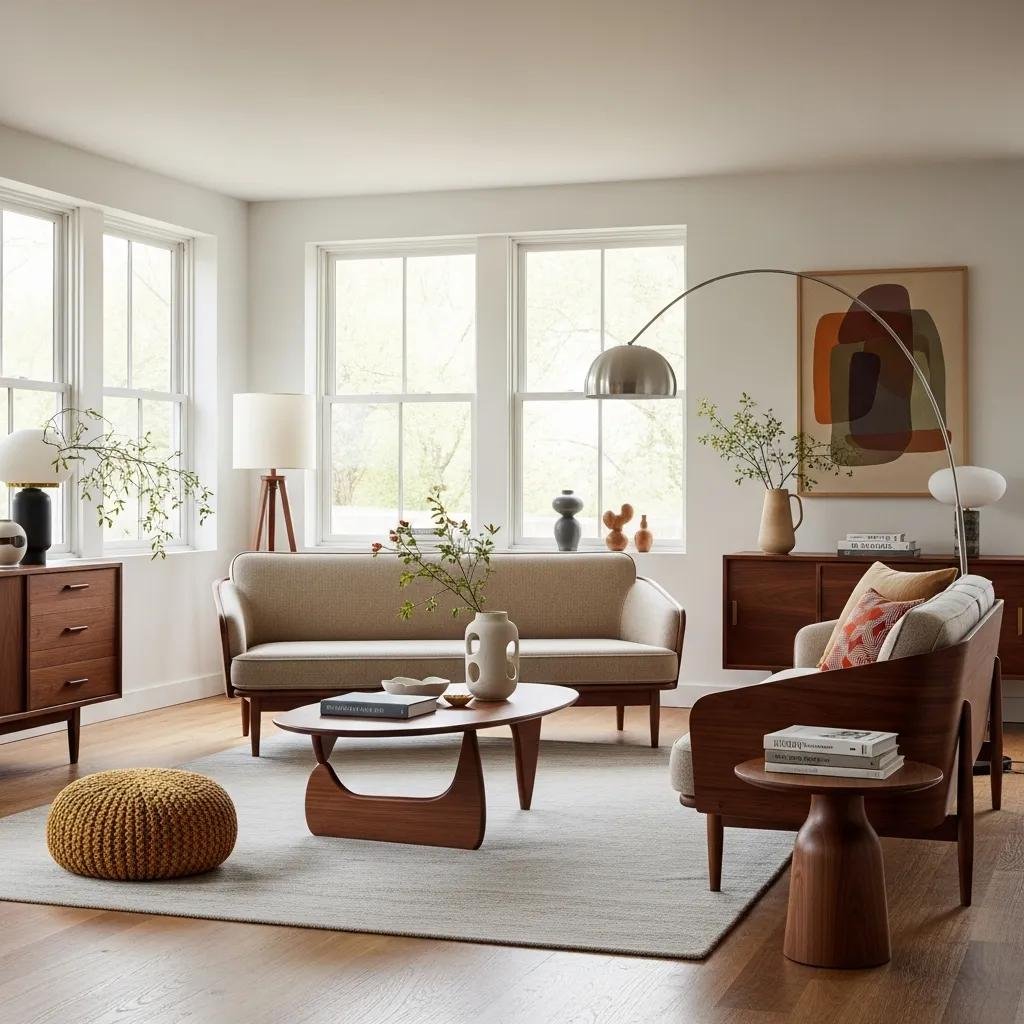
Mid‑Century Modern interior design prioritizes functional form, uncluttered geometry, and honest materials that reveal grain and texture. The aesthetic simplifies silhouettes—flat or gently curved planes, tapered legs, and open sightlines—so spaces read as both airy and purposeful. In practice, that means walnut cabinetry, teak accents, brass or chrome hardware, and terrazzo or natural stone surfaces combining to yield restrained luxury and tactile warmth. Knowing these core traits makes specifying finishes, furniture, and lighting more deliberate when renovating a luxury home.
This section outlines the primary MCM characteristics and how they inform remodeling decisions.
- Clean lines and simple silhouettes create visual calm and improve circulation in open plans.
- Organic shapes—curved sofas, rounded vanities—soften geometry and increase comfort.
- Natural materials like walnut, teak, terrazzo, and metal finishes deliver authenticity and longevity.
Those defining traits point directly to choices about form, materials, and the signature furniture that anchor a contemporary renovation.
How do clean lines and organic shapes influence Mid‑Century Modern design?
Clean lines reduce visual clutter and emphasize proportion: furniture and millwork favor flat planes, inset handles, and minimal ornament. Organic shapes—rounded sofas, arched openings, and biomorphic lighting—introduce a human softness that balances geometry and enhances comfort, making rooms feel lived‑in and approachable. Practically, this translates to streamlined cabinetry profiles, integrated appliances, and open flows that prioritize sightlines and function while retaining sculptural interest. When planning a remodel, aim for simple material transitions and avoid excessive trim to preserve the style’s characteristic restraint.
That clarity of form naturally guides material choices and the role of iconic pieces in conveying authenticity.
Which natural materials and iconic furniture define this style?
Material selection is central: walnut and teak bring warm tones and visible grain, terrazzo and honed stone add subtle pattern, and brass or chrome details offer refined accents without ostentation. Iconic pieces—Eames seating or Noguchi‑inspired tables—act as visual anchors that nod to the era while contemporary textiles and finishes keep the look current. For durability, specify sealed terrazzo or engineered stone in heavy‑use areas and low‑VOC clear coats for indoor air quality. Reproductions and modern interpretations make the look achievable with better performance and across budgets.
These material decisions flow into current trends and sustainable sourcing strategies for 2024.
What are the key Mid‑Century Modern interior design trends for 2024?
Contemporary MCM in 2024 keeps the style’s simplified language but updates color, ergonomics, and material responsibility to meet today’s needs. Muted, pastel‑inflected palettes layered over earthy neutrals soften spaces; curved furniture returns for comfort without losing sculptural logic. Sustainability and reclaimed materials are more prominent, aligning MCM’s material honesty with lower environmental impact and long‑term value. These shifts refresh the look for modern living while preserving the core principles that make MCM feel timeless.
Here are the trends and the practical benefits that shape specifications and resale expectations.
- Muted palettes anchored by walnut or teak provide warmth and restraint.
- Curved seating and softer forms increase comfort without veering into period kitsch.
- Reclaimed or responsibly sourced materials reduce carbon footprint and often add buyer appeal.
Recognizing these trends helps translate them into room‑level decisions for kitchens and bathrooms.
How are muted palettes and curved furniture reshaping modern MCM?
Muted palettes—sage, terracotta, ochre, and soft pastels—work with natural wood to make MCM read contemporary rather than retro. Curved furniture fosters conversation and comfort: rounded sofas, crescent benches, and arched mirrors pair naturally with tapered legs and simplified millwork. In kitchens, a sage or warm beige backdrop accentuates walnut cabinetry; in living rooms, curved seating creates cozy groupings while preserving sightlines. These evolutions make the style practical for family life and modern entertaining without sacrificing design integrity.
Considerations of color and form lead directly into sustainability and material sourcing priorities.
Why is sustainability important in contemporary Mid‑Century Modern design?
Sustainability matters because high‑quality materials and careful detailing extend a renovation’s lifespan and reduce long‑term environmental impact—critical for luxury projects that prioritize durability and resale value. Reclaimed walnut, FSC‑certified lumber, low‑VOC finishes, and durable surfaces like terrazzo or engineered stone echo MCM’s material honesty and add tangible longevity. Choosing sustainable upholstery and serviceable finishes simplifies maintenance and strengthens marketability in the D.C. luxury segment.
Prioritizing those sources during planning ensures aesthetics and environmental responsibility work together.
Understanding sustainability informs the choices you’ll make for kitchens, bathrooms, and flooring during a renovation.
This comparison helps prioritize trends by their primary benefits when planning a 2024 renovation.
How can you incorporate luxury Mid‑Century Modern design in your kitchen and bathroom?
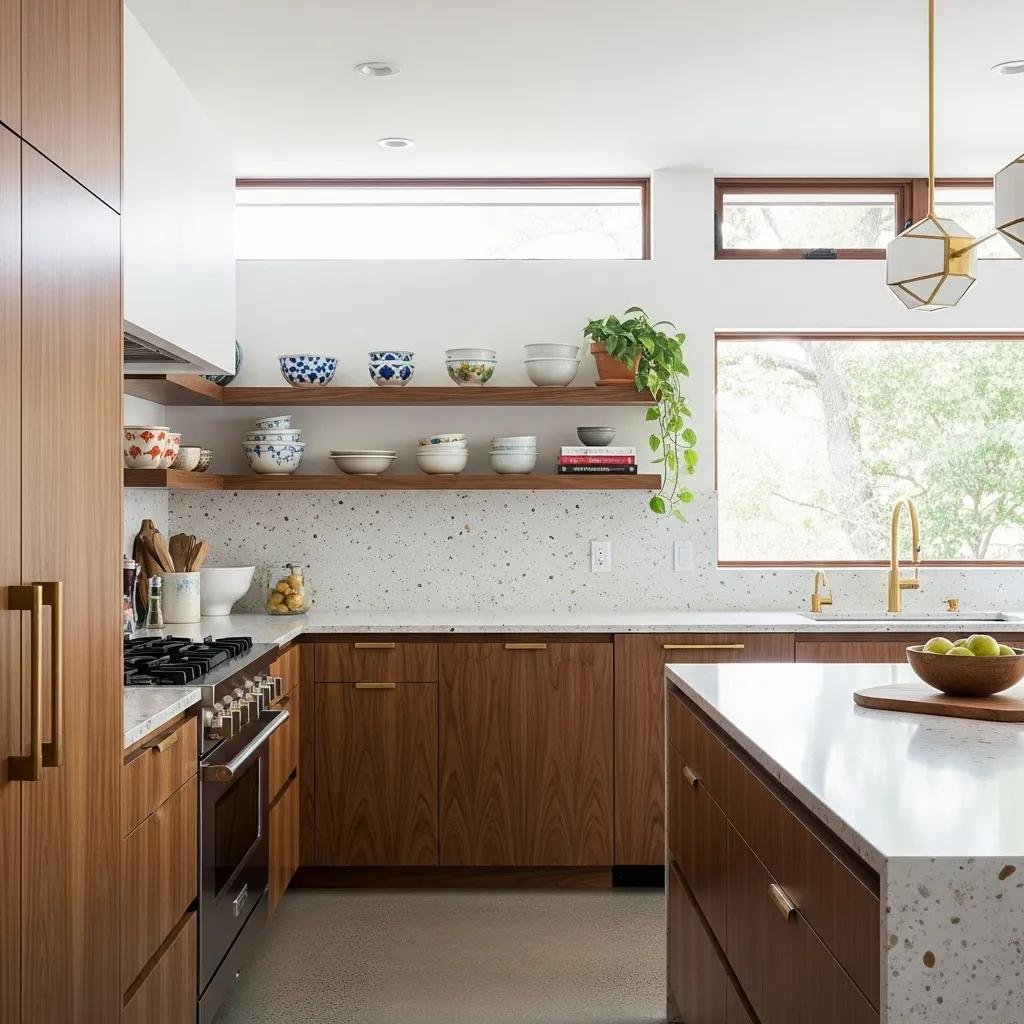
Applying MCM to kitchens and bathrooms means translating the style’s simplicity and material honesty into durable, functional assemblies: flat‑panel walnut cabinetry, integrated hardware, terrazzo or honed stone surfaces, and pared‑back lighting that balances form and task. A coordinated design‑build process that sequences cabinetry, tile, and flooring trades ensures cohesive aesthetics and predictable timelines—especially important when working with materials like terrazzo or custom walnut millwork that have long lead times. Professional coordination keeps material deliveries, trade sequencing, and installation tolerances aligned with your design intent.
Below is a compact comparison of essential elements to guide specifications.
- Walnut cabinetry with integrated pulls supports a streamlined look and conceals modern appliances.
- Terrazzo or subdued geometric tile backsplashes add tactile pattern without visual clutter.
- Task lighting and brass accents create focal points while preserving minimalist geometry.
These material choices and sequencing steps set a renovation up for efficient execution and long‑term enjoyment.
What are essential Mid‑Century Modern kitchen remodeling elements?
Key kitchen elements include flat‑front walnut cabinetry, understated integrated hardware, terrazzo or quartz countertops with subtle pattern, and lighting that emphasizes plane and form. Appliances should be integrated or discreet to maintain clean sightlines; open shelving or display niches can showcase curated objects without clutter. Flooring that complements wood tones—warm hardwood or LVT with authentic visuals—supports continuity with adjacent living areas. Thoughtful spatial planning, including classic work‑triangle logic and optimized storage, keeps the aesthetic functional and contemporary.
Those kitchen decisions lead into similar considerations for bathrooms, where water resistance and durability are critical.
Which features define sophisticated Mid‑Century Modern bathroom renovations?
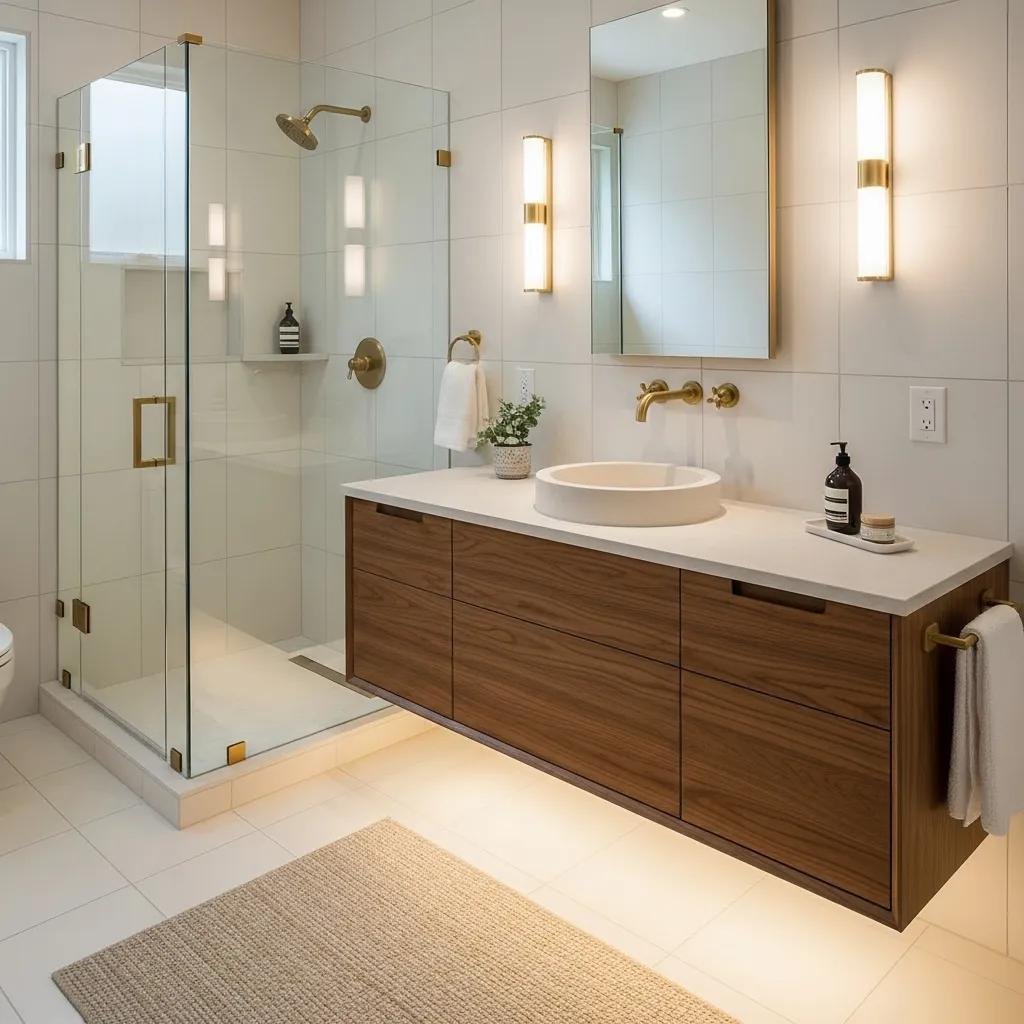
Sophisticated MCM bathrooms pair walnut or teak vanities with stone countertops and simple vessel or inset sinks to balance warmth and resilience. Terrazzo or large‑format ceramic tiles on floors and select walls introduce pattern without overt period styling, while streamlined brass or chrome fixtures provide refined accents. Floating vanities improve sightlines and allow subtle under‑vanity lighting for ambiance; frameless glass showers preserve clean geometry. Proper venting, water‑resistant finishes, and durable sealants keep performance behind the aesthetic.
These bathroom strategies feed directly into the flooring choices that support a whole‑home MCM approach.
This table helps prioritize bathroom features that balance style and longevity.
What flooring options best complement Mid‑Century Modern interiors in Washington, D.C.?
Flooring should reinforce MCM’s warmth and simplicity while meeting local performance needs. Luxury Vinyl Tile (LVT) offers realistic wood or stone visuals with high durability for heavy‑traffic households; terrazzo reads as a high‑end statement, ideal for entryways or bathrooms; solid or engineered hardwood provides authentic grain and strong resale appeal in living and dining areas. Many D.C. homes—especially older stock—require careful subfloor preparation and moisture mitigation, so a professional assessment before installation is essential for longevity and finish integrity.
Use the comparison below to choose the right material by use case.
- LVT: Durable and easy to maintain while providing convincing wood tones.
- Terrazzo: Best for high‑impact visual statements where budget and subfloor conditions allow.
- Hardwood: Delivers authentic warmth and long‑term value in main living areas.
Professional installation that understands D.C.‑area building conditions reduces risks from humidity, older subfloors, and warranty issues. Scanbuild LLC’s design‑build expertise can help homeowners select and install LVT, terrazzo, or hardwood with attention to performance and ROI, leveraging partnerships with specialty tile and kitchen trades to achieve authentic MCM results.
Why choose Luxury Vinyl Tile, terrazzo, or hardwood for MCM flooring?
LVT, terrazzo, and hardwood each balance aesthetics, durability, and cost in ways that suit MCM interiors: LVT offers resilience and realistic visuals; terrazzo provides a signature high‑end finish; hardwood delivers warmth and long‑term market value. Maintenance varies—LVT is low effort, terrazzo benefits from occasional resealing, and hardwood needs humidity control and periodic refinishing. The right selection depends on room function, traffic, and the narrative you want for the home.
How does local expertise improve Mid‑Century Modern flooring installation?
Local expertise matters because D.C.‑area homes present site‑specific factors—seasonal humidity, historic subfloors, and permitting requirements—that influence long‑term flooring performance. Experienced regional teams recommend appropriate underlayments, moisture mitigation, and sequencing that protect finishes and warranties while preserving the intended aesthetic. A coordinated design‑build approach minimizes scheduling conflicts between trades and ensures material choices align with local resale expectations and construction realities.
Partnering with a design‑build team familiar with the local market helps ensure the finished floor supports both the home’s look and its life‑cycle value.
Scanbuild LLC delivers a full design‑build approach and regional installation expertise for flooring projects across the Washington, D.C. metro area, combining knowledge of LVT, terrazzo, and hardwood with trusted tile and kitchen partners.
If you’re ready to translate these Mid‑Century Modern ideas into a luxury renovation, schedule a consultation with Scanbuild LLC to review material selections, coordinated timelines, and a design‑build plan that preserves character while delivering modern performance.
Frequently Asked Questions
What are the benefits of using sustainable materials in Mid‑Century Modern design?
Choosing sustainable materials reinforces MCM’s focus on honest, long‑lasting materials while reducing environmental impact. Options like reclaimed wood, low‑VOC finishes, and responsibly sourced products cut carbon footprint, enhance durability, and often improve indoor air quality. These choices help the design age gracefully and appeal to eco‑minded buyers.
How can I ensure my Mid‑Century Modern renovation stays within budget?
Start with a clear budget that covers materials, labor, and contingencies. Prioritize the elements that define the style—cabinetry, flooring, and key finishes—and look for cost‑effective alternatives in less visible areas. Use local suppliers to compare pricing and consider a design‑build approach to streamline decision‑making and limit surprises. Regular budget reviews during the project keep costs on track.
What role does lighting play in Mid‑Century Modern interiors?
Lighting is essential: it highlights clean lines and organic shapes while shaping mood. Choose fixtures that are simple but considered—brass or chrome finishes often complement the palette. Combine task lighting to support daily activities with ambient sources to create warmth, and maximize natural light where possible to reinforce the MCM connection between indoors and out.
How can I incorporate vintage pieces into a modern Mid‑Century design?
Vintage pieces add authenticity and narrative. Select one or two iconic items—an Eames chair or a Noguchi table—to serve as focal points, and balance them with contemporary finishes and fabrics. Mixing vintage with new keeps the space grounded and fresh without feeling museum‑like.
What are some common mistakes to avoid when designing a Mid‑Century Modern space?
Common mistakes include overcrowding, losing the clarity of clean lines, and mixing too many unrelated materials. Maintain openness, limit your palette, and choose furnishings that support both function and form. Thoughtful restraint preserves the style’s elegance.
How can I maintain the integrity of Mid‑Century Modern design during renovations?
Preserve the style’s core principles—simplicity, functionality, and material honesty—by using authentic materials like walnut or teak and selecting furniture with the era’s defining silhouettes. Work with professionals who understand MCM to ensure updates respect the home’s character, and focus on sightlines and flow so new work enhances rather than obscures the original intent.
Conclusion
Adopting Mid‑Century Modern design in a luxury home enhances both beauty and long‑term value by relying on timeless principles of simplicity and function. When you combine sustainable materials and contemporary refinements, you get spaces that feel current, durable, and thoughtfully composed. For a seamless renovation that honors MCM’s spirit, partner with local experts who know the details. Start your transformation by scheduling a consultation with us today.
Recent Comments