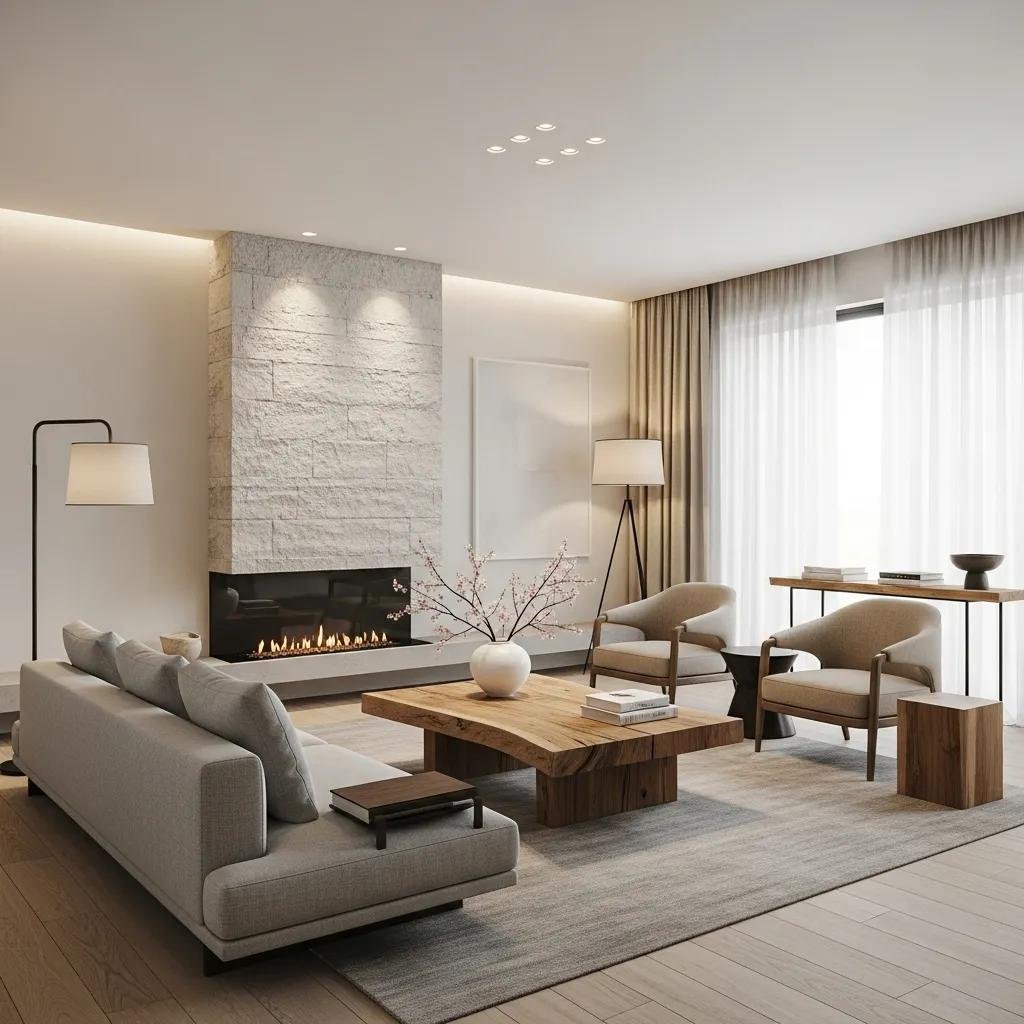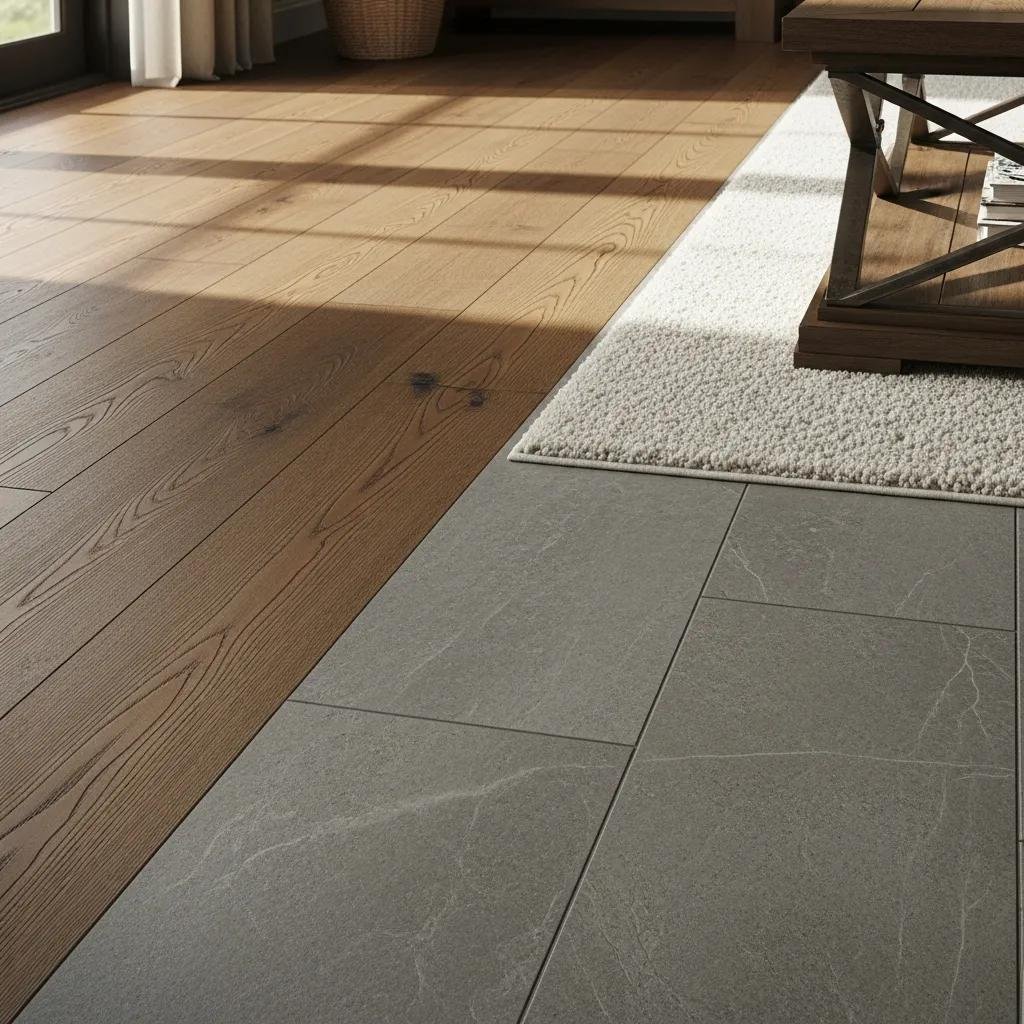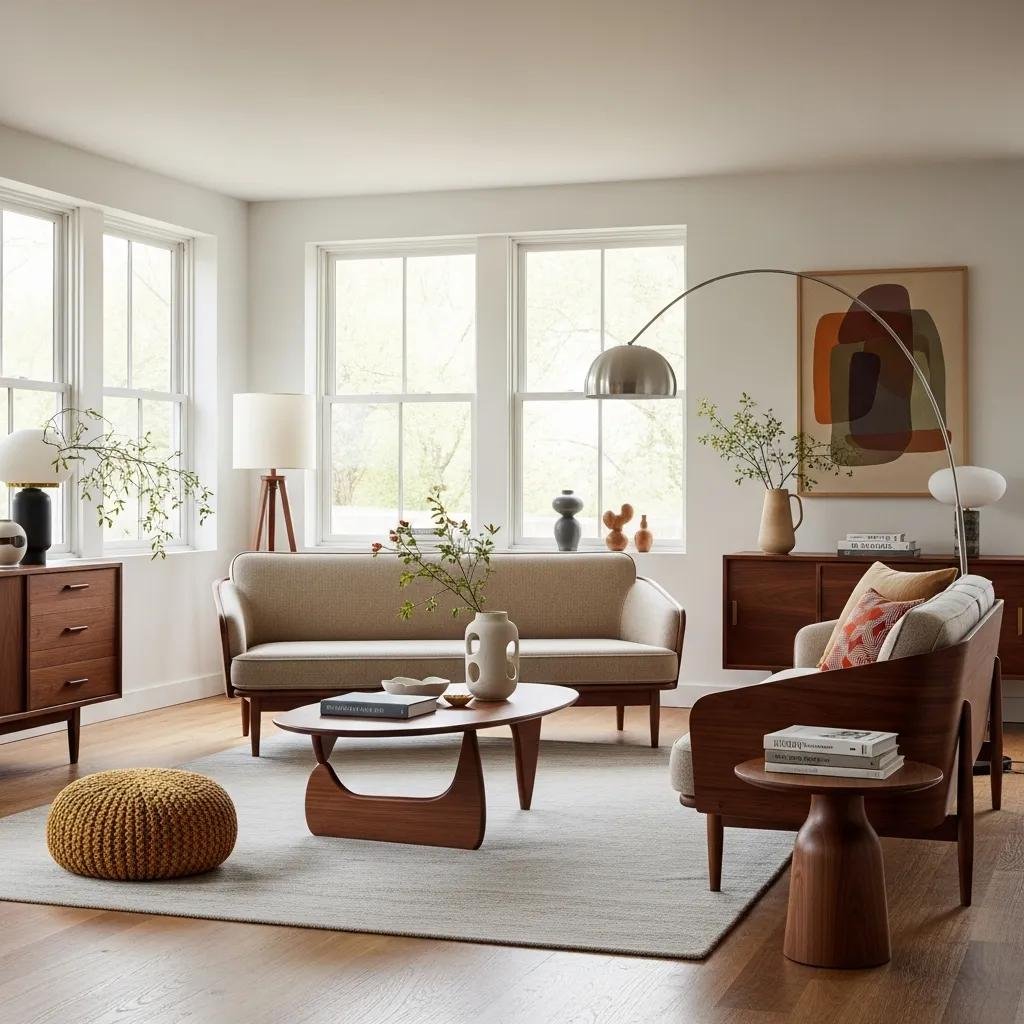
Mid-century modern living room showcasing clean lines and organic shapes with walnut furniture and natural light

Timeless Mid-Century Modern Interior Design Ideas

Timeless Mid‑Century Modern Interior Design Ideas for Luxury Homes in the Washington, D.C. Metro

Mid‑Century Modern (MCM) remains a touchstone for luxury homes because it pairs sculptural restraint with human-scaled comfort and material honesty that endures. This guide lays out the style’s core principles, highlights the 2024 updates shaping contemporary MCM, and provides actionable, room‑by‑room direction for high‑end kitchen, bathroom, and flooring projects across the Washington, D.C. metro area. You’ll find a checklist for kitchen and bath remodels, a flooring comparison tuned to local conditions, and curated sources of inspiration—furniture, finishes, and sustainable material options. Throughout, we show how clear lines, organic silhouettes, and quality materials create lasting value while answering modern priorities like sustainability and livability. Each section uses concise lists and comparison tables to simplify decisions and includes practical notes on coordinating a design‑build approach for complex renovations. If you’re planning a project that melds classic MCM character with contemporary performance, this guide gives you the language and the choices to move from concept to built reality.

What defines Mid‑Century Modern interior design?

Mid‑Century Modern interior design prioritizes functional form, uncluttered geometry, and honest materials that reveal grain and texture. The aesthetic simplifies silhouettes—flat or gently curved planes, tapered legs, and open sightlines—so spaces read as both airy and purposeful. In practice, that means walnut cabinetry, teak accents, brass or chrome hardware, and terrazzo or natural stone surfaces combining to yield restrained luxury and tactile warmth. Knowing these core traits makes specifying finishes, furniture, and lighting more deliberate when renovating a luxury home.

This section outlines the primary MCM characteristics and how they inform remodeling decisions.

  • Clean lines and simple silhouettes create visual calm and improve circulation in open plans.
  • Organic shapes—curved sofas, rounded vanities—soften geometry and increase comfort.
  • Natural materials like walnut, teak, terrazzo, and metal finishes deliver authenticity and longevity.

Those defining traits point directly to choices about form, materials, and the signature furniture that anchor a contemporary renovation.

How do clean lines and organic shapes influence Mid‑Century Modern design?

Clean lines reduce visual clutter and emphasize proportion: furniture and millwork favor flat planes, inset handles, and minimal ornament. Organic shapes—rounded sofas, arched openings, and biomorphic lighting—introduce a human softness that balances geometry and enhances comfort, making rooms feel lived‑in and approachable. Practically, this translates to streamlined cabinetry profiles, integrated appliances, and open flows that prioritize sightlines and function while retaining sculptural interest. When planning a remodel, aim for simple material transitions and avoid excessive trim to preserve the style’s characteristic restraint.

That clarity of form naturally guides material choices and the role of iconic pieces in conveying authenticity.

Which natural materials and iconic furniture define this style?

Material selection is central: walnut and teak bring warm tones and visible grain, terrazzo and honed stone add subtle pattern, and brass or chrome details offer refined accents without ostentation. Iconic pieces—Eames seating or Noguchi‑inspired tables—act as visual anchors that nod to the era while contemporary textiles and finishes keep the look current. For durability, specify sealed terrazzo or engineered stone in heavy‑use areas and low‑VOC clear coats for indoor air quality. Reproductions and modern interpretations make the look achievable with better performance and across budgets.

These material decisions flow into current trends and sustainable sourcing strategies for 2024.

What are the key Mid‑Century Modern interior design trends for 2024?

Contemporary MCM in 2024 keeps the style’s simplified language but updates color, ergonomics, and material responsibility to meet today’s needs. Muted, pastel‑inflected palettes layered over earthy neutrals soften spaces; curved furniture returns for comfort without losing sculptural logic. Sustainability and reclaimed materials are more prominent, aligning MCM’s material honesty with lower environmental impact and long‑term value. These shifts refresh the look for modern living while preserving the core principles that make MCM feel timeless.

Here are the trends and the practical benefits that shape specifications and resale expectations.

TrendBenefitPractical Effect
Curved FurnitureGreater comfort and softer silhouettesMakes living areas more inviting and adaptable
Muted & Earthy PalettesVisual calm and enduring appealEasier to layer accents and maintain resale value
Sustainable MaterialsLower environmental impact and longevityReclaimed wood and low‑VOC finishes improve lifecycle value
  1. Muted palettes anchored by walnut or teak provide warmth and restraint.
  2. Curved seating and softer forms increase comfort without veering into period kitsch.
  3. Reclaimed or responsibly sourced materials reduce carbon footprint and often add buyer appeal.

Recognizing these trends helps translate them into room‑level decisions for kitchens and bathrooms.

How are muted palettes and curved furniture reshaping modern MCM?

Muted palettes—sage, terracotta, ochre, and soft pastels—work with natural wood to make MCM read contemporary rather than retro. Curved furniture fosters conversation and comfort: rounded sofas, crescent benches, and arched mirrors pair naturally with tapered legs and simplified millwork. In kitchens, a sage or warm beige backdrop accentuates walnut cabinetry; in living rooms, curved seating creates cozy groupings while preserving sightlines. These evolutions make the style practical for family life and modern entertaining without sacrificing design integrity.

Considerations of color and form lead directly into sustainability and material sourcing priorities.

Why is sustainability important in contemporary Mid‑Century Modern design?

Sustainability matters because high‑quality materials and careful detailing extend a renovation’s lifespan and reduce long‑term environmental impact—critical for luxury projects that prioritize durability and resale value. Reclaimed walnut, FSC‑certified lumber, low‑VOC finishes, and durable surfaces like terrazzo or engineered stone echo MCM’s material honesty and add tangible longevity. Choosing sustainable upholstery and serviceable finishes simplifies maintenance and strengthens marketability in the D.C. luxury segment.

Prioritizing those sources during planning ensures aesthetics and environmental responsibility work together.

Understanding sustainability informs the choices you’ll make for kitchens, bathrooms, and flooring during a renovation.

TrendAttributeValue
Curved FurnitureComfort/AppealSofter silhouettes for living spaces
Sustainable MaterialsEnvironmental ImpactReclaimed or certified materials reduce footprint
Muted PalettesTimelessnessEasier to refresh with accessories without major work

This comparison helps prioritize trends by their primary benefits when planning a 2024 renovation.

How can you incorporate luxury Mid‑Century Modern design in your kitchen and bathroom?
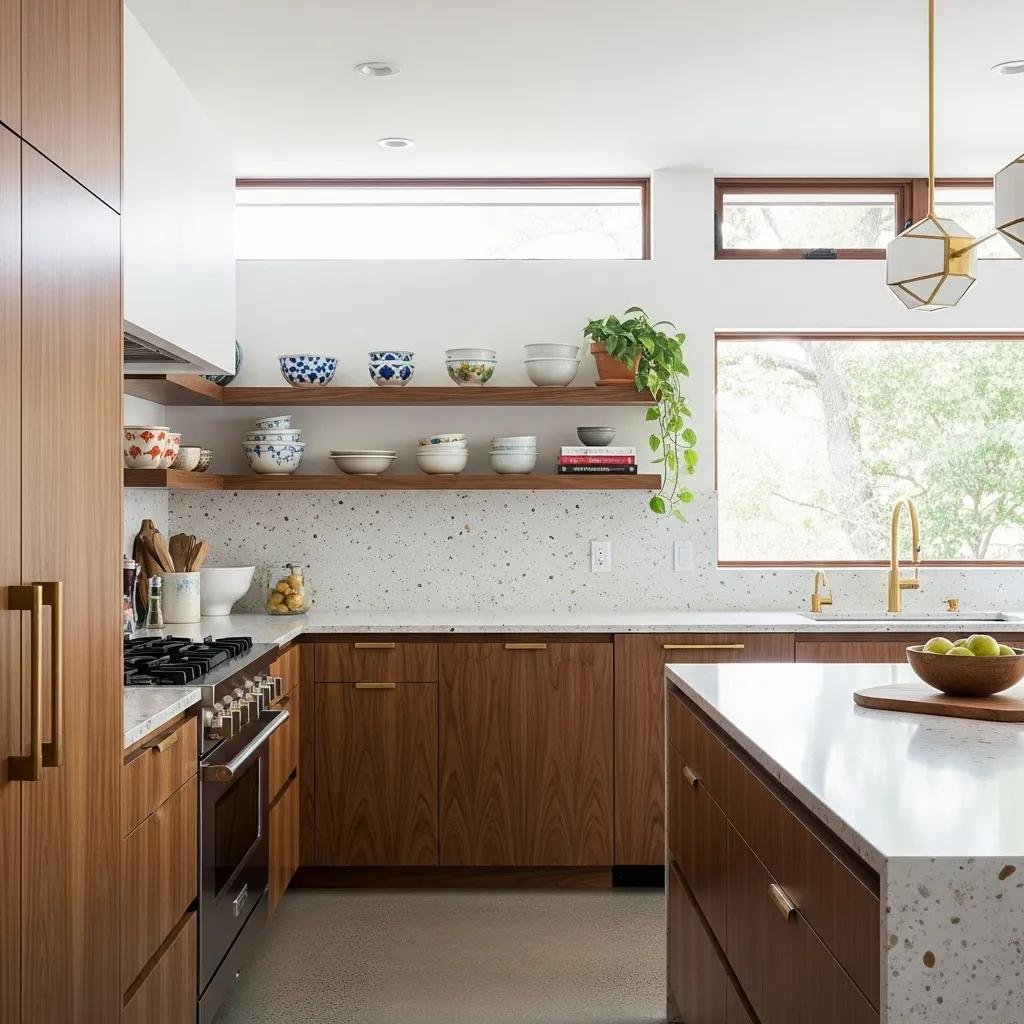
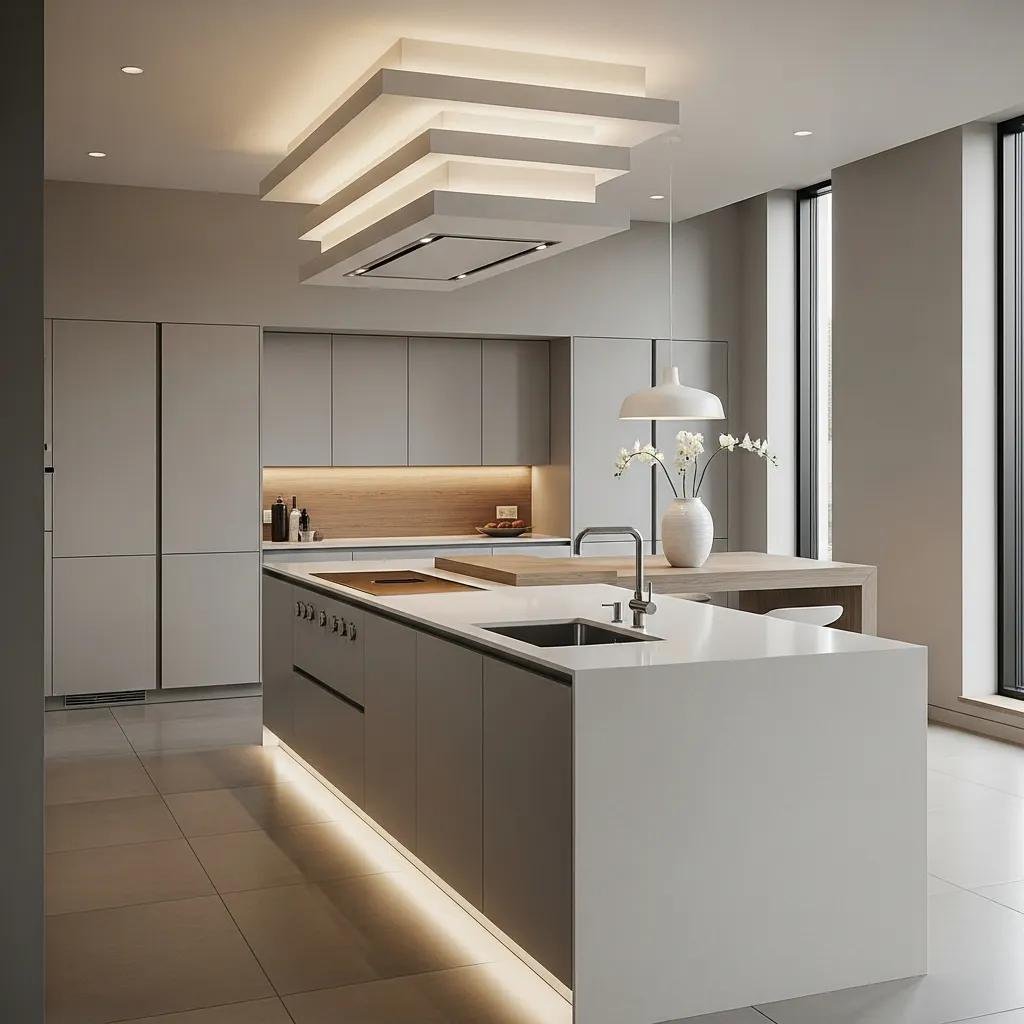
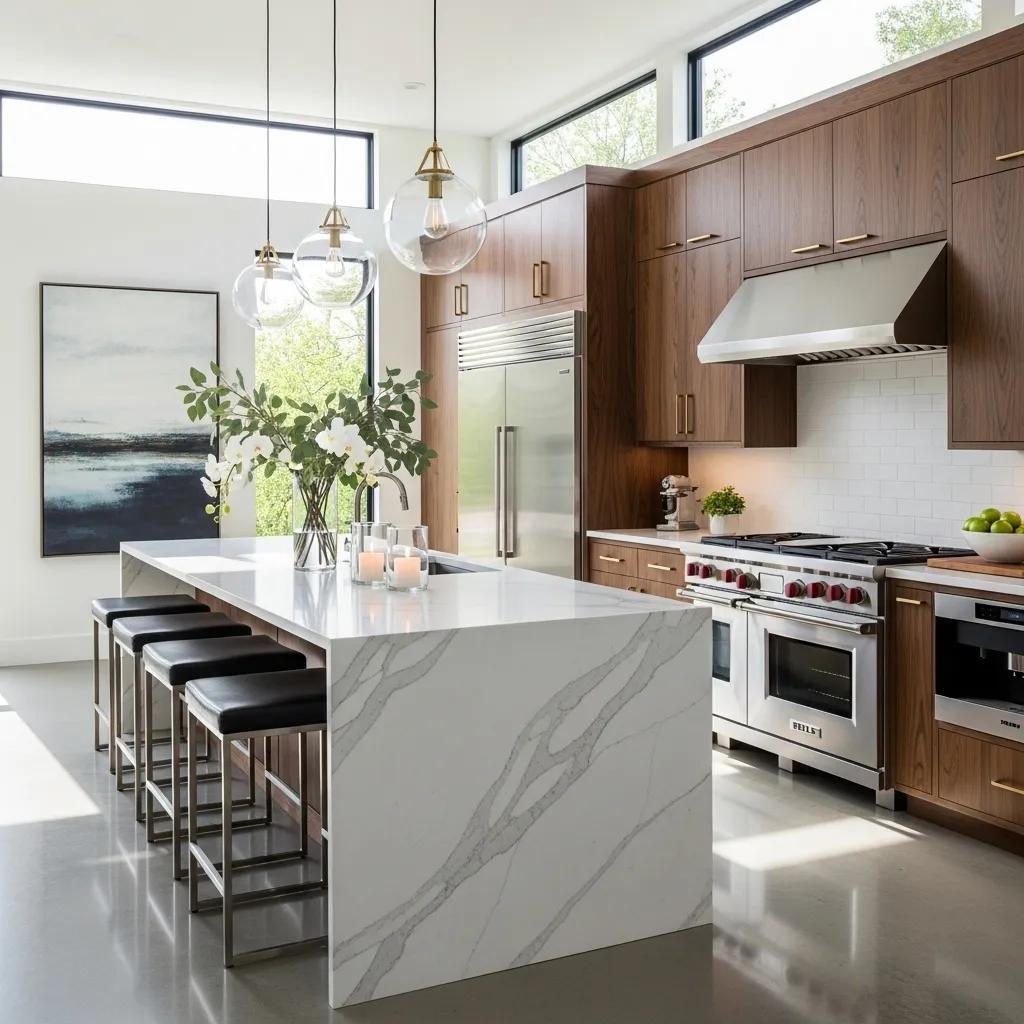
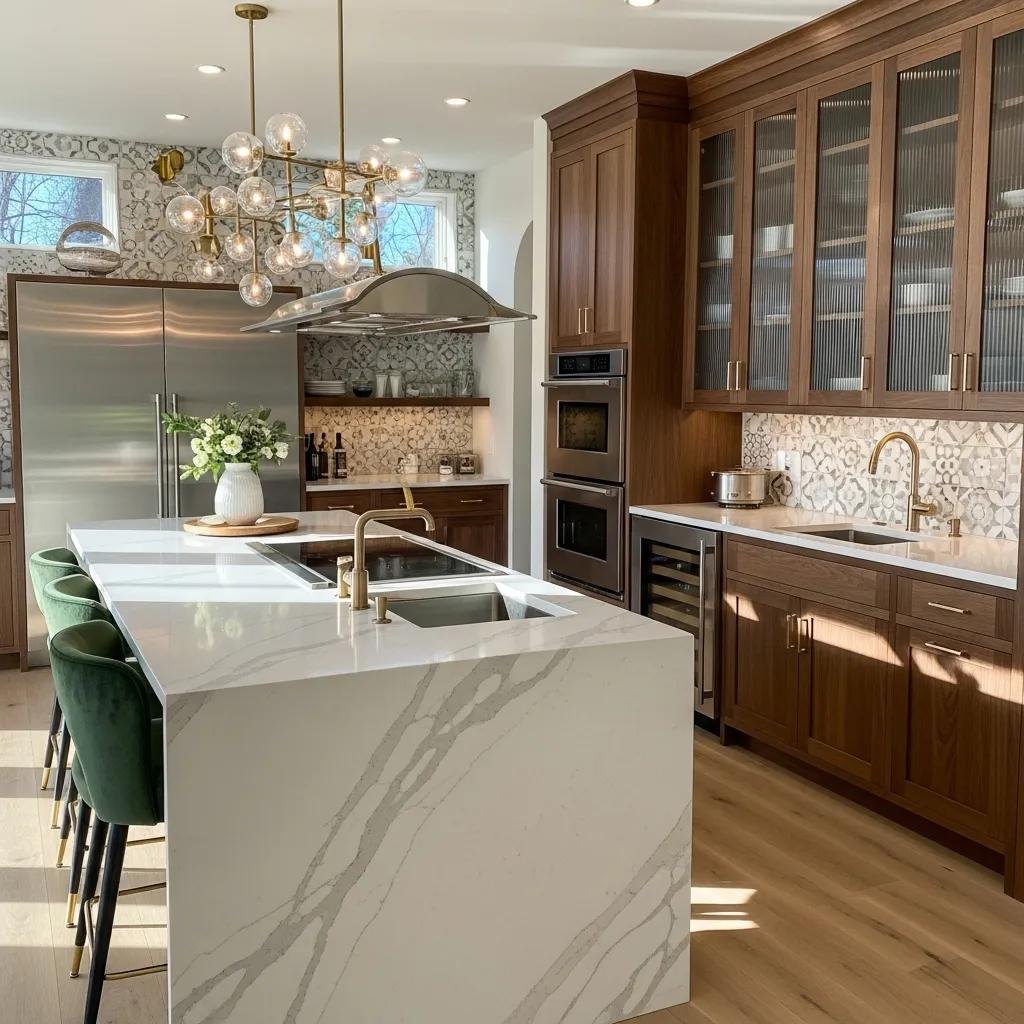
Luxurious mid‑century modern kitchen with walnut cabinetry and terrazzo countertops emphasizing simplicity and elegance

Applying MCM to kitchens and bathrooms means translating the style’s simplicity and material honesty into durable, functional assemblies: flat‑panel walnut cabinetry, integrated hardware, terrazzo or honed stone surfaces, and pared‑back lighting that balances form and task. A coordinated design‑build process that sequences cabinetry, tile, and flooring trades ensures cohesive aesthetics and predictable timelines—especially important when working with materials like terrazzo or custom walnut millwork that have long lead times. Professional coordination keeps material deliveries, trade sequencing, and installation tolerances aligned with your design intent.

Below is a compact comparison of essential elements to guide specifications.

ElementMaterialRecommended Use
CabinetryWalnut, flat‑panelMain kitchens and vanities for warmth and continuity
Countertops/SurfacesTerrazzo, quartz, honed stoneDurable, statement surfaces that read modern and refined
Hardware & FixturesBrass or polished chromeSubtle accents that unify rooms without overpowering
  • Walnut cabinetry with integrated pulls supports a streamlined look and conceals modern appliances.
  • Terrazzo or subdued geometric tile backsplashes add tactile pattern without visual clutter.
  • Task lighting and brass accents create focal points while preserving minimalist geometry.

These material choices and sequencing steps set a renovation up for efficient execution and long‑term enjoyment.

What are essential Mid‑Century Modern kitchen remodeling elements?

Key kitchen elements include flat‑front walnut cabinetry, understated integrated hardware, terrazzo or quartz countertops with subtle pattern, and lighting that emphasizes plane and form. Appliances should be integrated or discreet to maintain clean sightlines; open shelving or display niches can showcase curated objects without clutter. Flooring that complements wood tones—warm hardwood or LVT with authentic visuals—supports continuity with adjacent living areas. Thoughtful spatial planning, including classic work‑triangle logic and optimized storage, keeps the aesthetic functional and contemporary.

Those kitchen decisions lead into similar considerations for bathrooms, where water resistance and durability are critical.

Which features define sophisticated Mid‑Century Modern bathroom renovations?
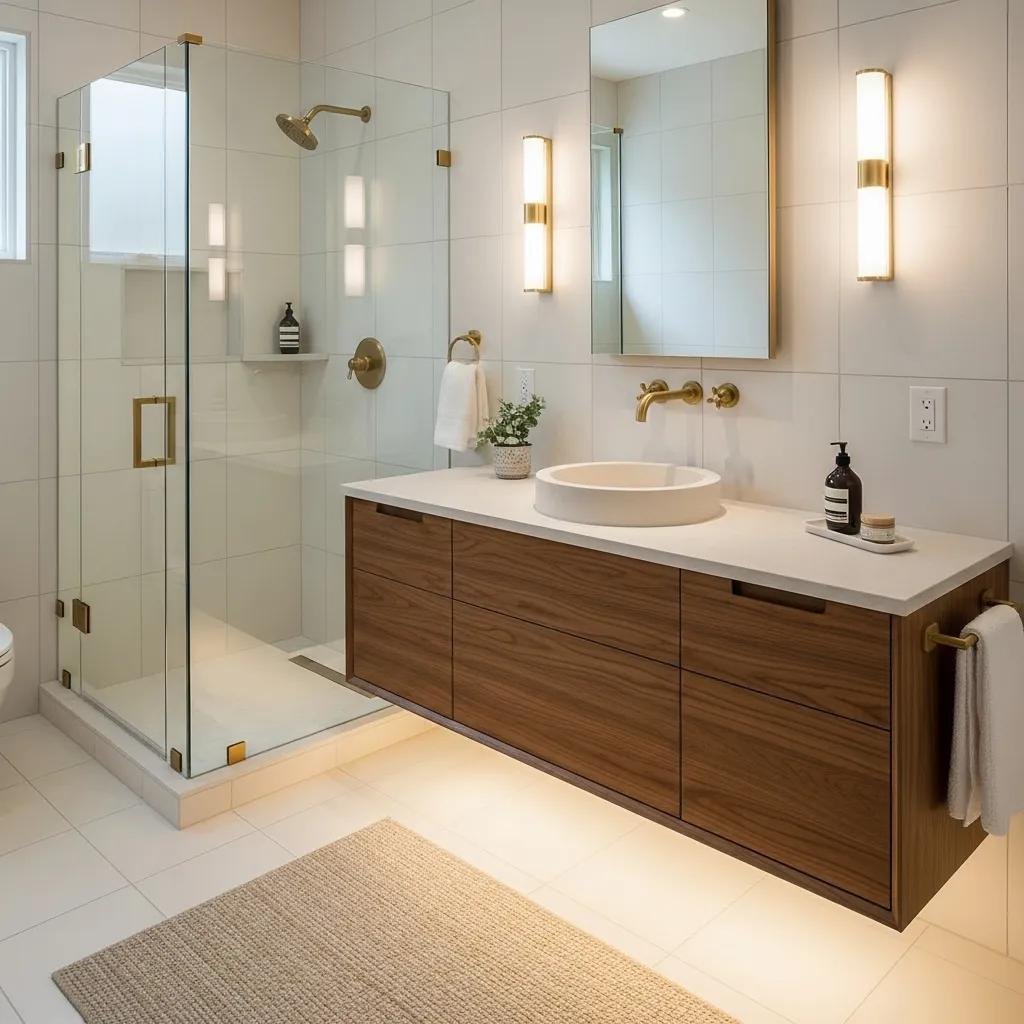
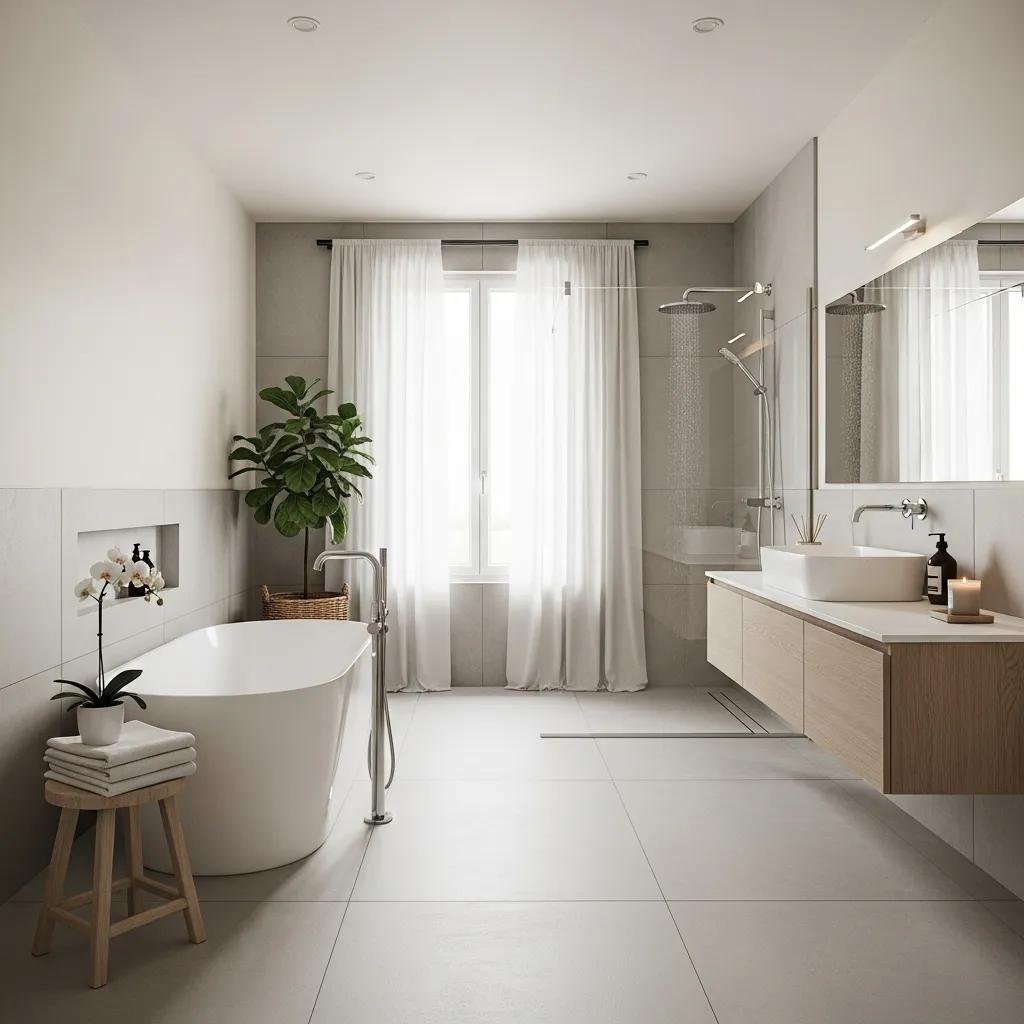
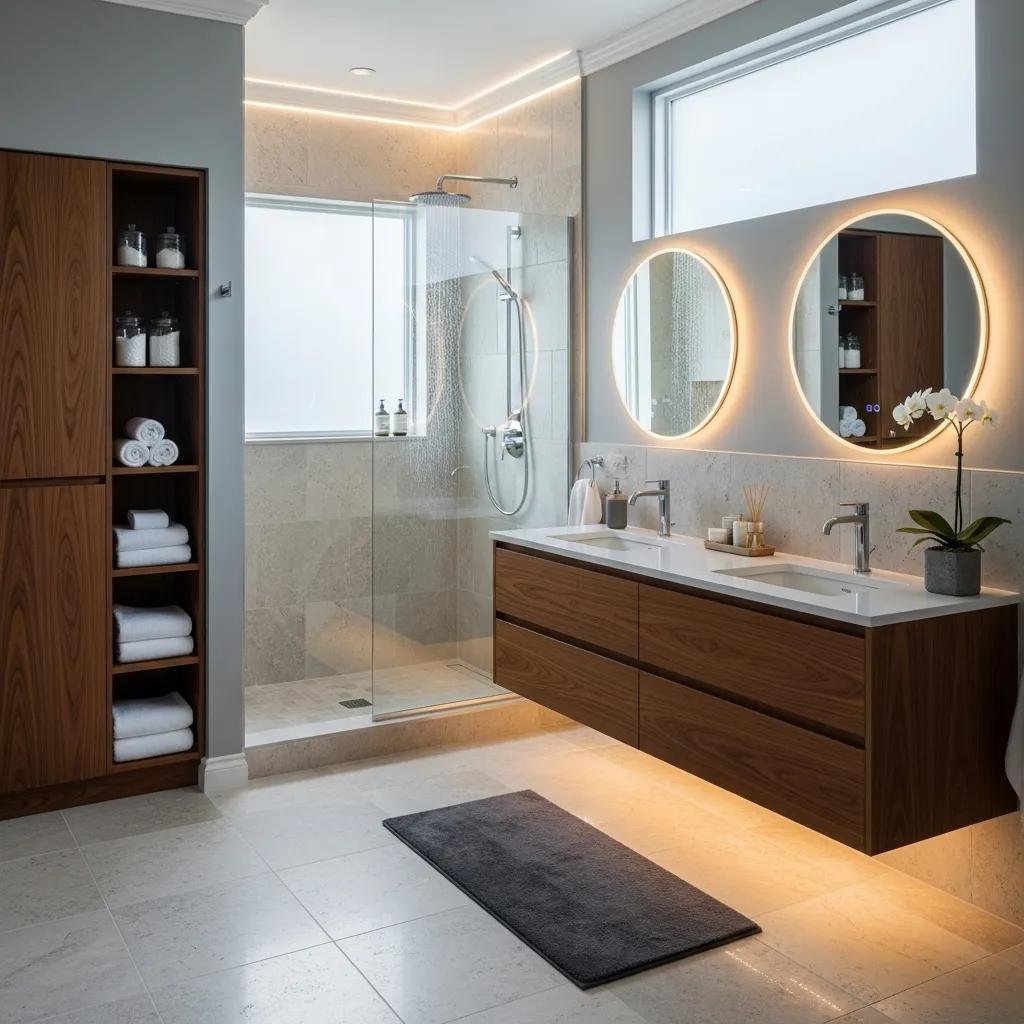
Sophisticated mid‑century modern bathroom with walnut vanity and stone countertop showcasing elegance and functionality

Sophisticated MCM bathrooms pair walnut or teak vanities with stone countertops and simple vessel or inset sinks to balance warmth and resilience. Terrazzo or large‑format ceramic tiles on floors and select walls introduce pattern without overt period styling, while streamlined brass or chrome fixtures provide refined accents. Floating vanities improve sightlines and allow subtle under‑vanity lighting for ambiance; frameless glass showers preserve clean geometry. Proper venting, water‑resistant finishes, and durable sealants keep performance behind the aesthetic.

These bathroom strategies feed directly into the flooring choices that support a whole‑home MCM approach.

ComponentAttributeValue
VanityWalnut + stoneWarmth, durability, and timeless appeal
TileTerrazzo/ceramicStatement quality with low maintenance
FixturesBrass/chromePeriod‑appropriate accents with modern reliability

This table helps prioritize bathroom features that balance style and longevity.

What flooring options best complement Mid‑Century Modern interiors in Washington, D.C.?

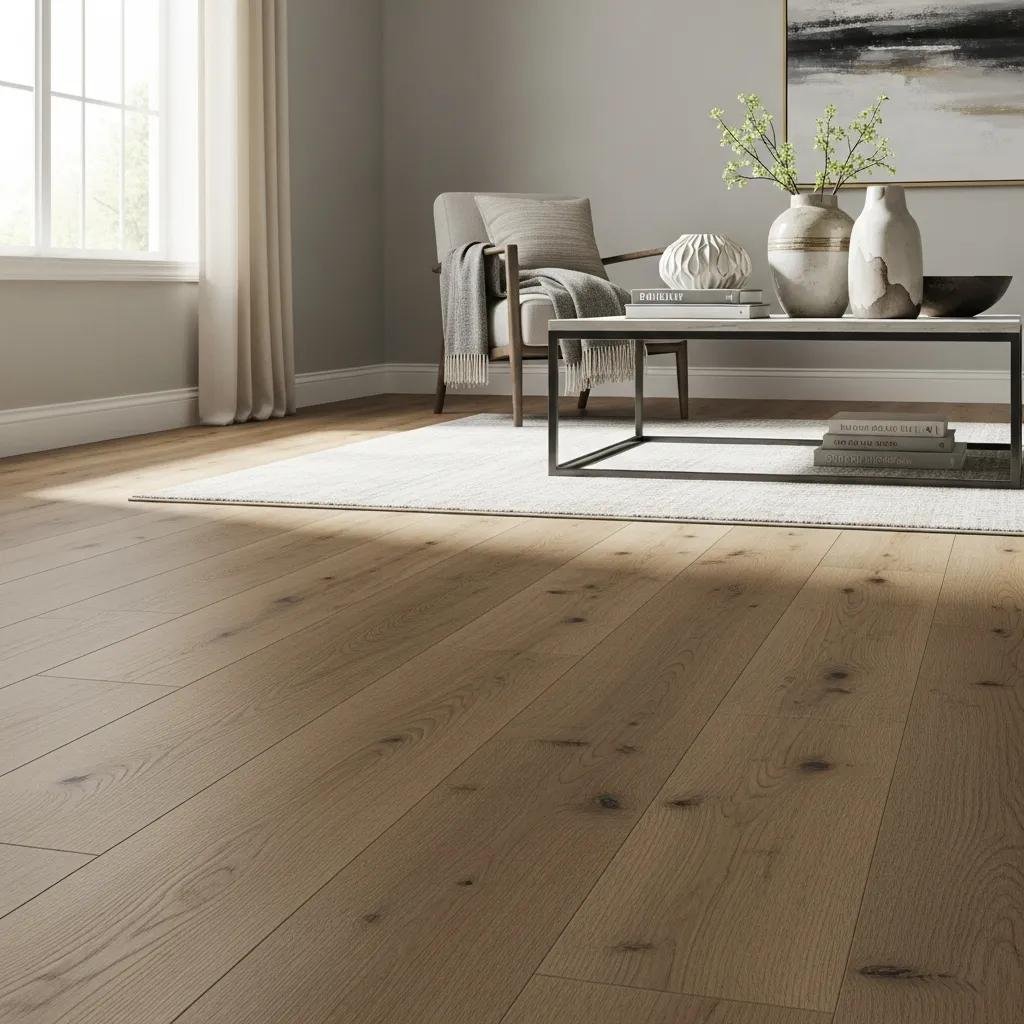
Flooring should reinforce MCM’s warmth and simplicity while meeting local performance needs. Luxury Vinyl Tile (LVT) offers realistic wood or stone visuals with high durability for heavy‑traffic households; terrazzo reads as a high‑end statement, ideal for entryways or bathrooms; solid or engineered hardwood provides authentic grain and strong resale appeal in living and dining areas. Many D.C. homes—especially older stock—require careful subfloor preparation and moisture mitigation, so a professional assessment before installation is essential for longevity and finish integrity.

Use the comparison below to choose the right material by use case.

Flooring TypeCharacteristicBest For
LVTDurable, low‑maintenanceHigh‑traffic kitchens, basements, transitional spaces
TerrazzoDistinctive, high‑endEntryways, bathrooms, statement areas
HardwoodWarmth and resale appealLiving/dining rooms and principal bedrooms
  1. LVT: Durable and easy to maintain while providing convincing wood tones.
  2. Terrazzo: Best for high‑impact visual statements where budget and subfloor conditions allow.
  3. Hardwood: Delivers authentic warmth and long‑term value in main living areas.

Professional installation that understands D.C.‑area building conditions reduces risks from humidity, older subfloors, and warranty issues. Scanbuild LLC’s design‑build expertise can help homeowners select and install LVT, terrazzo, or hardwood with attention to performance and ROI, leveraging partnerships with specialty tile and kitchen trades to achieve authentic MCM results.

Why choose Luxury Vinyl Tile, terrazzo, or hardwood for MCM flooring?

LVT, terrazzo, and hardwood each balance aesthetics, durability, and cost in ways that suit MCM interiors: LVT offers resilience and realistic visuals; terrazzo provides a signature high‑end finish; hardwood delivers warmth and long‑term market value. Maintenance varies—LVT is low effort, terrazzo benefits from occasional resealing, and hardwood needs humidity control and periodic refinishing. The right selection depends on room function, traffic, and the narrative you want for the home.

How does local expertise improve Mid‑Century Modern flooring installation?

Local expertise matters because D.C.‑area homes present site‑specific factors—seasonal humidity, historic subfloors, and permitting requirements—that influence long‑term flooring performance. Experienced regional teams recommend appropriate underlayments, moisture mitigation, and sequencing that protect finishes and warranties while preserving the intended aesthetic. A coordinated design‑build approach minimizes scheduling conflicts between trades and ensures material choices align with local resale expectations and construction realities.

Partnering with a design‑build team familiar with the local market helps ensure the finished floor supports both the home’s look and its life‑cycle value.

Scanbuild LLC delivers a full design‑build approach and regional installation expertise for flooring projects across the Washington, D.C. metro area, combining knowledge of LVT, terrazzo, and hardwood with trusted tile and kitchen partners.

If you’re ready to translate these Mid‑Century Modern ideas into a luxury renovation, schedule a consultation with Scanbuild LLC to review material selections, coordinated timelines, and a design‑build plan that preserves character while delivering modern performance.

Frequently Asked Questions

What are the benefits of using sustainable materials in Mid‑Century Modern design?

Choosing sustainable materials reinforces MCM’s focus on honest, long‑lasting materials while reducing environmental impact. Options like reclaimed wood, low‑VOC finishes, and responsibly sourced products cut carbon footprint, enhance durability, and often improve indoor air quality. These choices help the design age gracefully and appeal to eco‑minded buyers.

How can I ensure my Mid‑Century Modern renovation stays within budget?

Start with a clear budget that covers materials, labor, and contingencies. Prioritize the elements that define the style—cabinetry, flooring, and key finishes—and look for cost‑effective alternatives in less visible areas. Use local suppliers to compare pricing and consider a design‑build approach to streamline decision‑making and limit surprises. Regular budget reviews during the project keep costs on track.

What role does lighting play in Mid‑Century Modern interiors?

Lighting is essential: it highlights clean lines and organic shapes while shaping mood. Choose fixtures that are simple but considered—brass or chrome finishes often complement the palette. Combine task lighting to support daily activities with ambient sources to create warmth, and maximize natural light where possible to reinforce the MCM connection between indoors and out.

How can I incorporate vintage pieces into a modern Mid‑Century design?

Vintage pieces add authenticity and narrative. Select one or two iconic items—an Eames chair or a Noguchi table—to serve as focal points, and balance them with contemporary finishes and fabrics. Mixing vintage with new keeps the space grounded and fresh without feeling museum‑like.

What are some common mistakes to avoid when designing a Mid‑Century Modern space?

Common mistakes include overcrowding, losing the clarity of clean lines, and mixing too many unrelated materials. Maintain openness, limit your palette, and choose furnishings that support both function and form. Thoughtful restraint preserves the style’s elegance.

How can I maintain the integrity of Mid‑Century Modern design during renovations?

Preserve the style’s core principles—simplicity, functionality, and material honesty—by using authentic materials like walnut or teak and selecting furniture with the era’s defining silhouettes. Work with professionals who understand MCM to ensure updates respect the home’s character, and focus on sightlines and flow so new work enhances rather than obscures the original intent.

Conclusion

Adopting Mid‑Century Modern design in a luxury home enhances both beauty and long‑term value by relying on timeless principles of simplicity and function. When you combine sustainable materials and contemporary refinements, you get spaces that feel current, durable, and thoughtfully composed. For a seamless renovation that honors MCM’s spirit, partner with local experts who know the details. Start your transformation by scheduling a consultation with us today.
by admin 19   /   21   /   23   /   25   /   79
Luxurious kitchen renovation with high-end finishes and elegant design elements

Managing Unexpected Costs in Your Renovation

Managing Unexpected Costs in Your Renovation: Practical Budget Planning for Luxury Homeowners

Unexpected renovation costs are expenses that surface during a remodel when hidden issues, changing material prices, permit delays, or scope shifts push the budget beyond the original estimate. In high-end projects these surprises can quickly eat into design priorities and timelines. This guide shows how to anticipate and control those costs with practical contingency sizing, smarter procurement, permit planning, and financing options tailored to luxury kitchens and bathrooms. Scanbuild LLC is a local design‑build resource for the Washington, D.C. metro area — we help homeowners reduce overruns by coordinating design, permitting, and procurement early. Read on for a concise roadmap: common causes of overruns, how to size a remodel contingency, DC‑area kitchen tactics, and financing paths that limit stress while protecting your design intent.

What Are the Common Causes of Renovation Budget Overruns?

Most unexpected renovation costs come from a predictable set of drivers. Knowing these — hidden structural problems, permit and inspection delays, long lead times or price swings for premium materials, scope changes, and trade shortages — lets you prioritize inspections and build realistic allowances up front. Below is a short list of the top causes with one-line mitigations tailored for luxury remodels.

  1. Hidden structural issues: Perform early structural inspections to reduce the chance of late discoveries and costly corrective work.
  2. Permit and inspection delays: Build extra time and budget into the schedule for jurisdictional reviews to avoid schedule-driven cost increases.
  3. Material price fluctuations and long lead times: Lock vendor quotes and identify alternates to control finish costs and delivery risk.
  4. Scope creep and design changes: Use defined change-order governance and staged approvals to limit unplanned upgrades.
  5. Specialized labor shortages: Select contractors with vetted trade networks and strong local relationships to secure reliable crews.

The table below summarizes typical cost impacts and practical mitigations so you can convert risk awareness into a realistic plan.

This table lists common causes, the typical cost impact range, and recommended mitigation tactics for luxury renovations.

CauseTypical cost impactMitigation tactic / example
Structural surprises (rot, hidden framing)Moderate to high ($5k–$50k+)Pre‑demo structural inspections, early engineer reports, phased discovery allowances
Permit and inspection delaysLow to moderate (time cost, $500–$5k)Early permit submission, hire local permit expeditors, schedule around inspection lead times
Material delays / price spikesModerate (5–20% of finishes)Lock prices with deposits, specify alternates, order long‑lead items early
Scope creep / design changesVariable (depends on changes)Clear scope documents, defined change‑order authorization, staged design sign‑offs
Specialized trade shortagesModerate (premium labor rates)Use contractors with local networks and committed subcontractor agreements

With careful mitigation, these common causes become manageable allowances. The sections that follow explain how to budget and govern contingency funds so surprises don’t derail quality.

How Do Structural Issues Impact Unexpected Home Remodel Costs?

Structural issues are often revealed during demolition — rotten joists, hidden water damage, or changes to load‑bearing elements — and they increase both cost and schedule when discovered mid‑project. Targeted exploratory demo and a structural engineer’s assessment early in the process clarify likely interventions and provide realistic cost ranges. That prevents reactive premium pricing and last‑minute design compromises. In luxury projects the stakes are higher because premium finishes and integrated appliances need precise structural support, so setting a larger structural contingency and using phased demolition with staged approvals lets owners authorize repairs with transparent pricing and keeps the work moving.

What Role Do Permit and Inspection Fees Play in Budget Overruns?

Permits and inspections are direct line items and indirect schedule drivers. Rules and review times vary across DC, Maryland, and Virginia, so timelines and rework risk differ by location. While fees themselves may be modest, delayed inspections or required plan revisions can cause contractor downtime, expedited re‑submittal costs, or temporary protection measures that add up. Mitigate this by submitting permit‑ready documents early, confirming municipal review windows, and budgeting for re‑inspections and minor revisions. Working with a team familiar with local building departments reduces repetitive corrections and gives realistic inspection expectations, protecting both budget and schedule.

How Can You Build an Effective Home Renovation Contingency Fund?

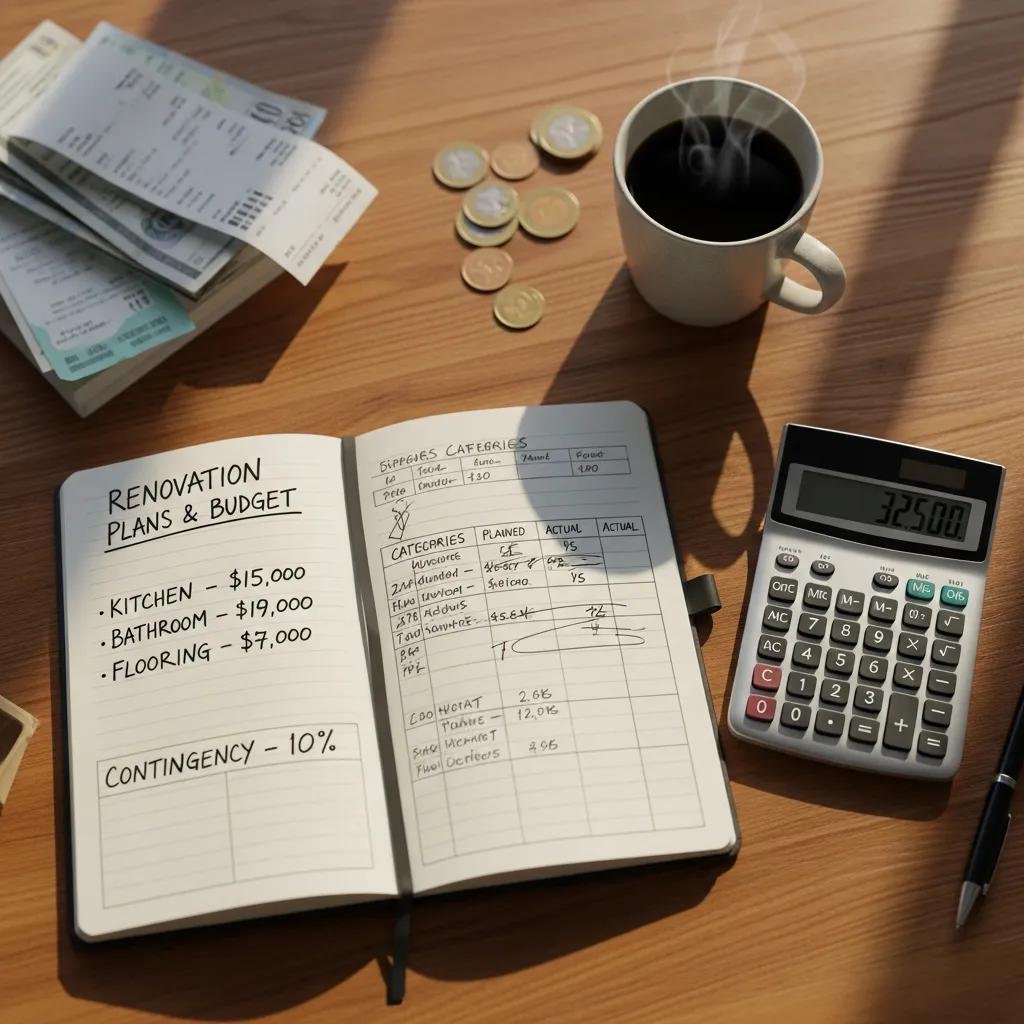
Notebook and calculator on a table, planning a renovation budget

A renovation contingency is a reserved budget line for unplanned costs that protects the core scope and schedule. For luxury projects we typically recommend a contingency between 10% and 25% of the project budget, scaled to project complexity and known unknowns. Breaking the contingency into named categories — structural, finishes, allowances, and permit/regulatory buffers — helps owners and contractors approve expenditures transparently and avoids tapping owner reserves for routine decisions.

The table below shows example allocations for a typical luxury kitchen versus a standard bathroom to illustrate practical sizing and rationale.

Project TypeRecommended contingencyTypical allocation rationale
Luxury kitchen remodel15–25%Higher risk: structural changes, custom cabinetry, appliances, premium stone; larger allowances for finishes
High-end bathroom remodel12–20%Moderate risk: plumbing relocations, tile wet‑area complexities, premium fixtures
Standard bathroom10–15%Lower risk: mostly cosmetic upgrades, limited structural work
Flooring-only (LVT or tile)8–12%Focused scope with fewer hidden conditions but material variance possible

Allocate contingency into named buckets and document approval thresholds so funds are reserved for genuine surprises rather than discretionary upgrades. The next subsections explain percentage rules and governance in more detail.

What Percentage of Your Budget Should Be Reserved for Contingencies?

Reserve 10%–25% depending on project unknowns: smaller, well‑defined scopes trend toward 10%, while major luxury remodels with structural changes or custom finishes warrant 20–25%. Use the lower end when you have thorough pre‑construction surveys, locked material pricing, and experienced local contractors; choose the higher end when there’s extensive demolition, unknowns behind walls, or rare imported materials. For example, on a $200,000 luxury kitchen, a 15% contingency equals $30,000 reserved for unforeseen structural repairs, finish adjustments, or permit‑driven changes. Define approval thresholds and signer authority up front to prevent misuse and keep funds available for true surprises.

How Does a Contingency Fund Mitigate Luxury Renovation Cost Risks?

A contingency fund provides immediate liquidity for unforeseen expenses, preventing work stoppages and costly, rushed decisions. Effective governance assigns approval limits — small on‑site fixes approved by the project manager, larger repairs requiring owner sign‑off — with transparent reporting and invoice‑backed releases. Staging contingency disbursements around project milestones ensures funds are available when discovery risk is highest. Conservative allowances and clear change‑order controls protect the contingency from being depleted by choice‑driven upgrades, preserving both budget discipline and design intent.

What Strategies Help Manage Luxury Renovation Costs in DC Kitchen Remodels?

Local strategies to prevent overruns focus on procurement timing, vendor agreements, and phased work that align with municipal processes and specialty trades. Locking prices for key finishes, securing lead‑time commitments from suppliers, and value engineering assemblies that preserve the design are all practical ways to control costs. Below is a short checklist of actionable tactics for luxury kitchen remodels in the D.C. metro area.

  • Lock vendor quotes and place deposits early for custom cabinetry and stone to avoid unexpected price increases.
  • Specify alternates and allowances in the contract so suppliers can offer comparable options if originals are delayed.
  • Phase long‑lead items so demolition and structural work don’t outpace procurement, avoiding idle labor costs.

These tactics reduce exposure to market volatility and supplier constraints. The following paragraphs explain material controls and contractor selection in more detail.

How Can Material Price Fluctuations Be Anticipated and Controlled?

Identify long‑lead and volatile items early — imported stone, custom millwork, specialized LVT — and secure firm written quotes or purchase orders during design. Use allowance‑based specs with defined alternates so procurement can source equivalents without redesign. For luxury projects, build a buffer for price escalations and consider phased ordering to match cash flow and storage. Strong supplier relationships and clear contract terms minimize surprise upcharges and schedule slippage.

How Does Scanbuild LLC’s Design-Build Approach Prevent Budget Overruns?

Scanbuild LLC uses an integrated design‑build workflow that brings designers, contractors, and suppliers together from the outset to reduce the disconnects that create change orders. Our process emphasizes coordinated documentation, transparent allowance management, and local experience with DC‑area permitting and suppliers so we can anticipate jurisdictional requirements and lead times. Centralizing accountability and applying value engineering early produces clearer estimates and fewer surprises, helping protect luxury renovation budgets while preserving design quality. Homeowners benefit from a single point of contact that streamlines decisions and keeps the project moving.

What Financing Options Are Available for Unexpected Renovation Expenses?

Homeowner meeting a financial advisor to review renovation financing

If your contingency isn’t enough, several financing options can cover unexpected expenses while balancing cost and timing. Short‑term solutions include lines of credit or credit cards for immediate liquidity; longer‑term solutions use home equity or renovation loans to spread repayment. The table below compares common financing options, typical terms, and when each makes sense for luxury remodel surprises.

Financing TypeTypical termsWhen to use / benefit
Home equity line of credit (HELOC)Variable rate, revolving creditBest for flexible access during ongoing discovery work
Renovation loan (secured)Fixed or variable, amortizedUseful for folding unexpected costs into long‑term financing
Personal line or credit cardShort-term, higher ratesEmergency liquidity for immediate repairs or deliveries
Bridge or construction short-term loanShort-term interest-onlyFor large gaps between draws or unexpected major repairs

Which Financing Solutions Support Managing Luxury Renovation Surprises?

For larger shortfalls, tapping home equity or using a structured renovation loan spreads costs over time with lower rates than unsecured credit. For urgent needs — for example, an unexpected structural repair found during demolition — a short‑term line or credit card can bridge cash flow until a longer‑term solution is in place. Discuss financing during initial planning so lenders can pre‑approve or set limits, preventing last‑minute, high‑cost borrowing that erodes your renovation budget.

How Can Homeowners Plan for Unexpected Costs Without Financial Stress?

Practical steps include keeping a dedicated renovation reserve beyond the formal contingency, requesting phased and itemized quotes, and prioritizing long‑lead procurement early to reduce exposure. Establish clear change‑order protocols and pre‑approve alternates to avoid emotionally driven upgrades that drain contingency funds. Finally, talk to your lender during the design phase so emergency funding is a planned resource rather than a scramble. Combining disciplined contingency governance with prepared financing reduces stress and keeps the project aligned with luxury standards.

For tailored guidance on protecting your budget during a high‑end remodel in the Washington, D.C. metropolitan area, schedule a consultation with a local design‑build specialist who can review scope, procurement, and permit strategy. Scanbuild LLC serves Rockville and surrounding communities, offering coordinated design‑build insight that helps homeowners plan contingencies, align procurement, and navigate local permitting to preserve both budget and design intent.

Frequently Asked Questions

What should I do if I encounter unexpected costs during my renovation?

First, assess the issue to understand scope and likely cost. Consult your contractor and request an itemized recommendation. If the expense can’t be absorbed within the budget, tap your contingency or consider short‑term financing while you evaluate longer‑term options. Keep communication open with your team and document any change orders so decisions are clear and trackable.

How can I ensure my renovation stays on schedule despite unexpected costs?

Prioritize early inspections and realistic planning. Build buffer time into the schedule, maintain a robust contingency, and hold regular progress reviews with your contractor. Quick, documented decisions and a single point of contact reduce downtime. Proactive procurement of long‑lead items also helps prevent schedule ripple effects from unexpected costs.

What are the best practices for selecting contractors to avoid budget overruns?

Choose contractors with proven experience in luxury remodels and strong local references. Request detailed, line‑item estimates and ask about their supplier and subcontractor relationships. Look for teams that emphasize transparency in allowances and change‑order processes and who can demonstrate experience navigating local permitting and inspections.

How can I effectively communicate my budget constraints to my contractor?

Be upfront about your budget from the first meeting and share priorities so the team can recommend trade‑offs. Ask for staged estimates and written allowance ranges. Regular check‑ins and a clear change‑order approval process help keep everyone aligned and reduce costly surprises driven by miscommunication.

What role does value engineering play in managing renovation costs?

Value engineering helps retain design intent while lowering cost by identifying material or assembly alternatives that deliver similar performance and aesthetics. Engaging your contractor and designer in value engineering early can yield practical savings without compromising the look and function you want.

How can I prepare for potential financing needs during my renovation?

Assess your overall budget, identify likely pressure points, and research financing options before construction begins. Pre‑approval for a HELOC or renovation loan provides a safety net. Maintain a small cash reserve beyond the formal contingency for minor surprises so you avoid high‑cost emergency borrowing.

Conclusion

Managing unexpected costs in luxury renovations comes down to predictable planning: identify likely risks, set a disciplined contingency, control procurement, and establish clear governance for change orders. When surprises occur, a structured contingency and prepared financing keep your project on track and protect design intent. If you want hands‑on help planning a high‑end remodel in the D.C. area, reach out to a local design‑build expert to review scope, procurement, and permitting with you.

by admin 19   /   21   /   23   /   25   /   79
Luxury minimalist living room with clean lines and natural materials

Achieving Minimalist Home Design for Serene Living

Luxury Minimalist Home Design for Serene Living: Create Modern Minimalist Spaces in Washington, D.C.

Luxury minimalist home design pares each room back to purposeful forms and premium finishes so your home feels calm, functional, and deliberately composed. This guide breaks down the core principles of luxury minimalism, offers room-by-room strategies for kitchen and bathroom remodels, compares high-end flooring options, and gives practical decluttering and storage techniques tuned for serene living. You’ll see how clean geometry, a neutral palette, natural materials, concealed storage, and layered lighting work together to reduce visual clutter and support daily well‑being. The advice that follows blends design thinking with hands‑on steps and material guidance for homeowners across the Washington, D.C. metro area planning a modern, tranquil renovation. Along the way we reference related approaches—soft minimalism, biophilic accents, and durable finishes—to help you design something both refined and long‑lasting.

What Are the Core Principles of Luxury Minimalist Home Design?

At its heart, luxury minimalism relies on a few deliberate rules that remove distraction and raise the standard of every surface and object. The idea is straightforward: edit relentlessly, then invest in craftsmanship and materials so each element earns its place. The outcome is spaces that feel open, ordered, and quietly luxurious—better for routines and for how you feel at home. Below is a practical list of the guiding principles you can apply room by room.

Luxury minimalist interiors rest on five essential principles:

  • Clean lines and uncluttered silhouettes keep visual complexity low and encourage mental clarity.
  • Neutral palettes with controlled accents create a calm backdrop and flexible base for decor.
  • Natural materials and layered textures add warmth without visual noise.
  • Integrated, hidden storage preserves surfaces and sustains the minimalist look.
  • Layered, intentional lighting sculpts space and supports both task and atmosphere.

These principles operate together: considered geometry with textured materials prevents sterility; concealed storage maintains calm surfaces; and integrated lighting completes the composition.

How Do Clean Lines and Neutral Palettes Create Serene Living Spaces?

Clean lines and neutral palettes act as visual filters: they simplify shapes and color contrast so rooms read as calm and steady. Geometric clarity organizes the eye while muted tones lower visual stimulation, producing an atmosphere that feels restful. In a living room, pared‑back furniture and a restrained color story let artwork and daylight take center stage; in a kitchen, continuous cabinetry and subtle countertops highlight workmanship instead of clutter. Practical moves include choosing low‑contrast trim, warm neutral paint temperatures, and matte or softly textured finishes to avoid glare and visual interruptions.

That measured base makes room for one crucial counterbalance: texture and natural materials, which keep minimal spaces inviting rather than austere.

Why Are Natural Materials and Textural Depth Essential in Minimalist Interiors?

Natural materials introduce sensory richness that replaces ornament without creating busyness. Wood, stone, and woven textiles provide tactility—grain, veining, and weave—that contributes depth while staying cohesive within a neutral palette. Texture softens sharp geometry, making rooms feel warm and lived‑in while remaining visually uncluttered. For example, pair a large‑format stone floor with linen upholstery and a finely grained wood cabinet to achieve layered minimalism that looks refined and wears well over time.

Choose sustainable sourcing and durable finishes wherever possible: high‑quality materials age gracefully and reward the minimalist principle of fewer, better items.

How Can You Achieve Minimalist Kitchen and Bathroom Renovations in the DC Metro Area?

Sleek minimalist kitchen with integrated storage and streamlined cabinetry

A clear, step‑by‑step renovation process produces kitchens and bathrooms that emphasize calm, functionality, and enduring value. Begin with spatial planning, select finishes that reduce visual clutter, and specify integrated storage and considered lighting to support daily life. In the Washington, D.C. metro area, high‑end remodels also need to balance aesthetics with durable materials and efficient project execution. Use the checklist below to guide a renovation from concept through completion.

Follow this stepwise checklist for minimalist renovations:

  1. Plan the layout: Favor open sightlines and efficient circulation to minimize visual barriers.
  2. Select finishes: Specify neutral, durable surfaces—large‑format tile, engineered wood, or quality LVT—that read as continuous planes.
  3. Integrate storage and appliances: Choose handle‑free cabinetry, appliance garages, and built‑in pantries to keep counters clear.
  4. Layer lighting: Combine ambient, task, and accent lighting to build a calm, adaptable atmosphere.

To clarify how features translate into benefits, the table below summarizes common minimalist renovation elements and their practical impacts for homeowners.

FeatureDesign BenefitImpact on serenity / maintenance / ROI
Hidden storage (appliance garages, pull‑outs)Clears sightlines and reduces visual clutterHigh serenity; easier cleaning; increases perceived value
Handle‑free cabinetrySeamless surfaces and simplified silhouettesLow maintenance; contemporary appeal; long‑term hardware value
Frameless glass showerOpenness and continuity in bathroomsVisually expands space; requires regular glass care
Large‑format tileFewer grout lines for a seamless lookEasier upkeep; sleek aesthetic; strong long‑term value

This mapping helps homeowners prioritize upgrades that deliver calm, practical advantages and sustained return.

Scanbuild LLC brings regional experience to homeowners across the Washington, D.C. metro area who prefer a design‑build path that pairs these principles with luxury craftsmanship. As a resource for high‑end kitchen and bathroom remodeling, we focus on creative design, quality workmanship, and end‑to‑end project management—from initial sketches through construction. If you want an integrated, minimal renovation, consult with Scanbuild LLC to align design goals and build logistics.

What Features Define a Spa-Like Minimalist Bathroom Renovation?

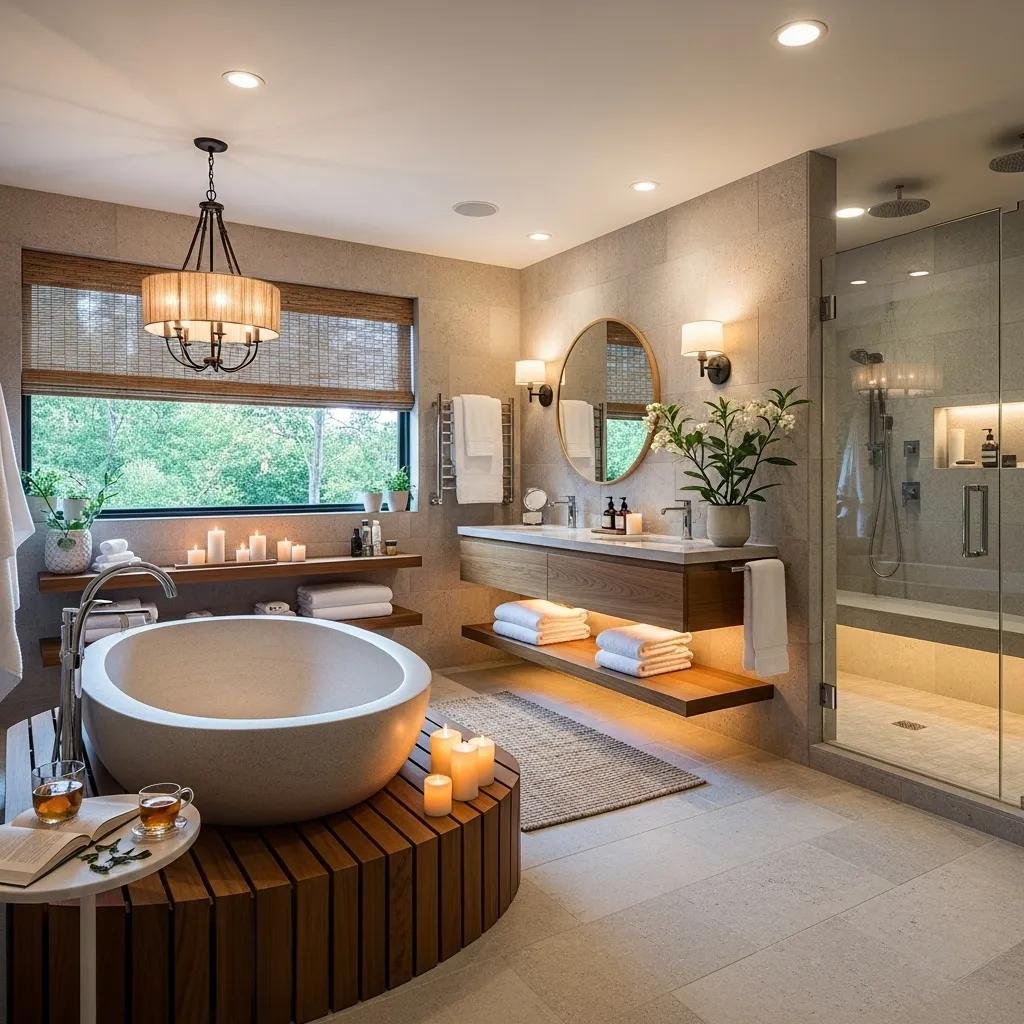
Spa‑like minimalist bathroom with freestanding tub and frameless shower

Spa‑like minimalist bathrooms prioritize openness, tactile materials, and understated fixtures that support relaxation and simple upkeep. Key elements include freestanding tubs, frameless glass showers, large‑format tiles for visual continuity, and layered lighting that balances ambient warmth with task clarity. These choices minimize visual barriers and use texture to create a sensory retreat, reinforcing the room’s restful quality. Maintenance and ROI tip: choose water‑resistant, low‑porosity finishes and reputable plumbing fixtures to protect longevity and value.

A spa‑inspired bathroom naturally dovetails with minimalist kitchen principles—continuity, texture, and concealed storage remain central.

How Do Hidden Storage and Sleek Cabinetry Enhance Luxury Minimalist Kitchens?

Hidden storage and streamlined cabinetry keep counters clear and clarify kitchen workflows, making minimalist living practical for everyday use. Solutions like integrated pantries, soft‑close drawers, pull‑out organizers, and appliance garages keep essentials accessible yet out of sight, reducing visual noise and speeding cleanup. Layouts that locate prep zones next to concealed storage boost efficiency and make minimalism sustainable for busy households. Thoughtful hardware choices and durable finishes extend lifespan and preserve the refined look central to luxury minimalist kitchens.

These cabinetry strategies pair naturally with floor selections that tie minimalist interiors together.

Which High-End Flooring Options Best Complement Minimalist Home Design?

Flooring anchors a minimalist interior by setting base color, texture, reflectance, and acoustic character—so the right surface is essential for a serene room. Large‑format porcelain and natural stone create continuous visual flow and a quiet, refined look; engineered wood adds warmth and subtle grain that complements neutral palettes; luxury vinyl tile (LVT) delivers durability and convincing textures that stand up to moisture. The brief comparison below highlights each option’s strengths so homeowners can weigh aesthetics against performance.

Brief pros for each flooring type:

  • Large‑format porcelain: Seamless visual field, low maintenance, excellent continuity across zones.
  • Natural stone: Tactile luxury and longevity; requires sealing and periodic care.
  • Engineered wood: Real‑wood character with improved dimensional stability.
  • Luxury vinyl tile (LVT): Very durable, water‑resistant, and available in realistic wood or stone looks.

The table below compares these flooring types on durability, look, maintenance, and cost to help guide your selection.

Flooring TypeDurabilityLookMaintenanceCost
LVTHighRealistic wood or stoneEasy; water‑resistantMid–High
Large‑format porcelainVery highSeamless, modernLow; minimal groutHigh
Natural stoneHighUnique, tactileSealing and periodic care requiredHigh
Engineered woodModerate–HighWarm, authentic grainModerate; dimensionally stableMid–High

Choosing flooring that supports visual continuity and acoustic comfort helps establish a serene baseline for minimalist interiors.

What Are the Benefits of Luxury Vinyl Tile and High-End Tiling for Minimalist Spaces?

Luxury vinyl tile and high‑end, large‑format tiling both support minimalist schemes through durability, water resistance, and the ability to create near‑seamless surfaces. LVT offers realistic texture and low upkeep, making it ideal for active households and wet zones where continuity matters. Large‑format tile minimizes grout lines and, with careful grout color selection, preserves a clean plane. Working with reputable suppliers and skilled installers protects the material’s visual integrity and long‑term performance in a luxury minimalist interior.

Scanbuild LLC specifies high‑end tiling and LVT as part of our material palette and partners with trusted suppliers for precision installation—so clients get options that balance look, durability, and maintenance.

How Does Flooring Choice Influence the Serene Atmosphere in Modern Minimalist Homes?

Flooring shapes perception through reflectance, texture, and acoustics—each of which can calm or energize a room. Light‑reflective surfaces brighten and open spaces; matte, textured floors absorb sound and add tactile warmth. Visual continuity across adjacent rooms reduces perceptual breaks and helps the eye move unimpeded, reinforcing minimalist intent. Acoustic underlays and softer finishes improve comfort and reduce echo, supporting the restorative quality of a serene interior.

Careful floor‑to‑wall continuity and acoustic planning lead naturally into the ongoing practice of decluttering and organization that sustains minimalism.

How Does Decluttering and Organization Support Serene Minimalist Home Decor?

Decluttering and smart storage are the operational backbone of lasting minimalist design: they stop visual noise from creeping back in. The behavior change is simple—when systems make it easy to put things away, people keep surfaces clear. Practical strategies combined with integrated design create habits that preserve calm and reduce decision fatigue. Below are effective decluttering methods you can start using right away.

Three effective decluttering strategies homeowners can apply immediately:

  1. Three‑bin edit: Sort items into keep, donate, and discard to make quick, decisive progress.
  2. Function‑first editing: Prioritize items by frequency of use rather than sentiment to keep daily life efficient.
  3. Scheduled small sessions: Use short, regular intervals (for example, 15 minutes weekly) to prevent buildup and maintain calm.

To help you choose, the table below compares each strategy by implementation and impact.

StrategyImplementationTime to complete / Impact on serenity
Three‑bin editRoom‑by‑room sorting1–3 hours / High immediate impact
Function‑first editPrioritize daily‑use items30–90 minutes / Moderate–high upkeep
Scheduled small sessions15‑minute weekly routinesOngoing / High long‑term maintenance

Integrating organizational features during a renovation—built‑in drawers, zoned storage, and custom cabinetry—makes these habits effortless. Scanbuild LLC designs storage systems into our projects for DC area homeowners who want solutions that sustain minimalist living and simplify daily routines.

Frequently Asked Questions

What are the key benefits of adopting a luxury minimalist design in my home?

Luxury minimalism creates a calmer, more intentional home by emphasizing quality, function, and clarity. You get a living space that reduces visual stress, simplifies maintenance, and supports routine—so daily life feels easier and more pleasant. Thoughtful storage and considered finishes also protect long‑term value.

How can I incorporate biophilic design elements into my minimalist home?

Bring nature in with well‑placed plants, generous daylight, and materials like wood and stone to reinforce a soothing connection to the outdoors. Simple touches—a planting nook, a textured stone surface, or a water element—add sensory depth without disrupting a minimalist composition. These choices improve atmosphere and, often, air quality.

What are some common mistakes to avoid when designing a minimalist space?

Common missteps include overfilling the space with furniture, ignoring layered lighting, and failing to plan for storage. Minimalism isn’t about emptiness—it’s about selectivity. Prioritize pieces that earn their place, design flexible lighting, and build storage into the architecture so the look is maintainable.

How can I maintain a minimalist aesthetic in a family home?

Make minimalism family‑friendly with clear organizational systems, multifunctional furniture, and routines that involve the whole household. Hidden storage, easy‑to‑use bins, and short weekly tidy sessions keep clutter from accumulating. Turn decluttering into a simple habit rather than a sporadic chore.

What role does color play in luxury minimalist design?

Color sets mood. A neutral base—soft whites, warm grays, and earth tones—creates calm and flexibility for accents. Small, controlled color moments can add character without breaking the serenity. The goal is harmony: use color to enhance tranquility, not to compete with it.

How can I effectively declutter my home to align with minimalist principles?

Start with a deliberate system: try the three‑bin edit, apply function‑first decisions, and schedule short, regular sessions to maintain progress. Pair behavioral changes with built‑in storage so the home supports tidy habits and the minimalist look endures.

Conclusion

Embracing luxury minimalist design is a practical route to a more serene home—one that values quality, clarity, and thoughtful function. By applying core principles like clean lines, natural materials, and integrated storage, you can create interiors that feel both restorative and enduring. For homeowners in the Washington, D.C. area, partnering with Scanbuild LLC brings local expertise and a design‑build approach that keeps your vision cohesive from concept through construction. Learn how our tailored solutions can turn your home into a calm, confident sanctuary.

by admin 19   /   21   /   23   /   25   /   79
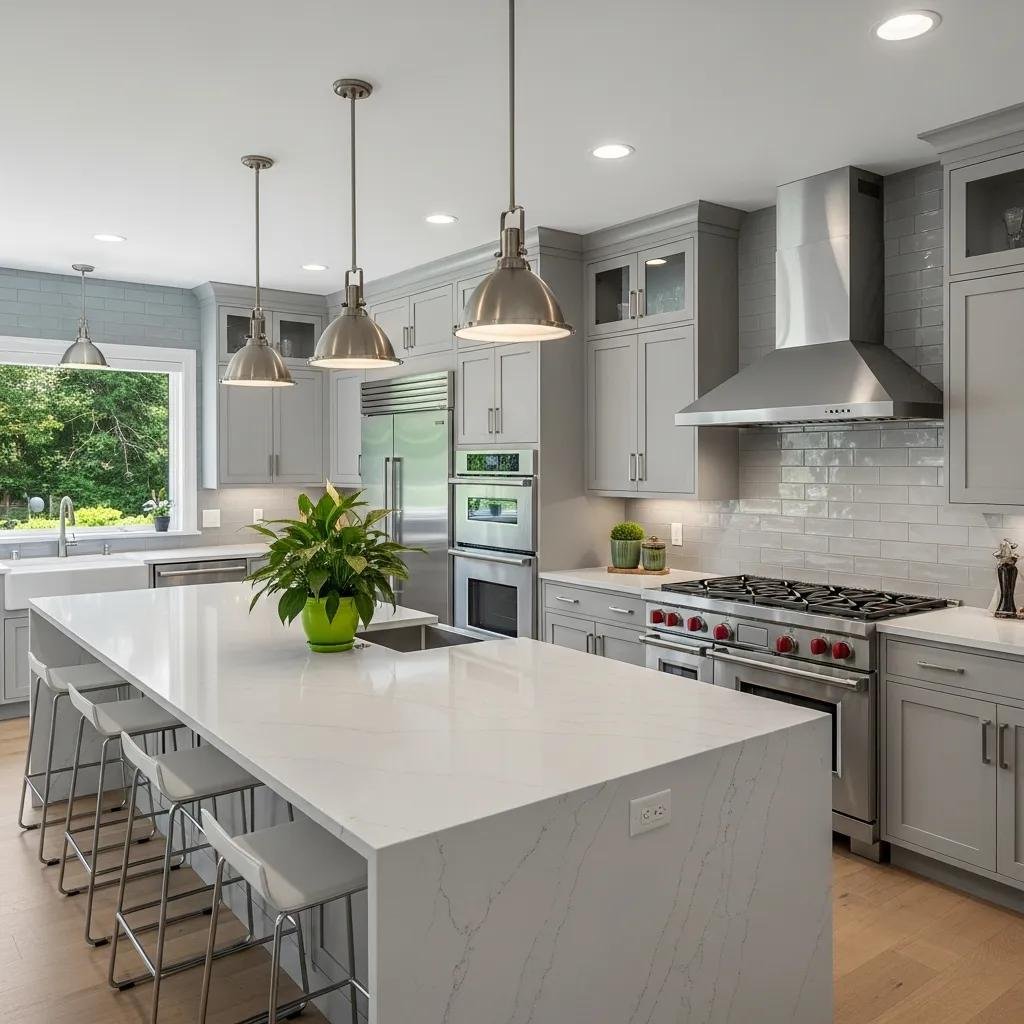
Luxury kitchen with quartz countertops and stainless steel appliances, representing high-end rental property renovations

Smart Renovation Tips for Rental Properties

Smart Renovation Tips for D.C. Rentals: Maximize ROI with Luxury Upgrades

Smart renovation for rental properties means picking upgrades that raise rent, cut vacancy, and lower operating costs by using durable, market-appropriate luxury finishes. In the Washington D.C. metro area, renters expect modern kitchens, spa-like bathrooms, and resilient flooring that looks upscale while standing up to frequent turnover. This guide lays out which luxury renovations deliver the best ROI, why durable flooring extends lifecycle and reduces maintenance, and which targeted strategies move the needle for DC-area investment properties. You’ll get practical, feature-level guidance—what materials and fixtures to prioritize, lifecycle and maintenance trade-offs, and how to present upgrades to attract premium tenants. Below we cover top high-ROI categories, a side-by-side look at kitchen, bathroom, and flooring investments, a flooring comparison focused on LVT and premium tile, DC-specific strategies (energy efficiency, smart tech, curb appeal), and how to work with a local remodeler to align upgrades with rental ROI.

Which Luxury Renovations Offer the Best ROI for Rental Properties?

Renovations that pair perceived luxury with long-term durability produce the strongest rental ROI: they justify higher rents, shorten vacancy, and keep maintenance predictable.

Across most DC neighborhoods, the three highest-ROI projects are kitchens, bathrooms, and durable high-traffic flooring. Each addresses tenant priorities—modern appliances, low-maintenance surfaces, and water-resistant floors. Below is a concise ranking with the upside and why these categories perform well for landlords focused on rental ROI.

These top renovation types commonly translate into measurable rent uplift and lower turnover costs:

  1. High-end kitchen remodels: Updated layouts, durable countertops, and stainless appliances increase perceived value and attract premium renters.
  2. Spa-like bathroom upgrades: Walk-in showers, quality tile, and efficient fixtures reduce complaints and support higher rent brackets.
  3. Durable flooring replacements: Luxury vinyl and porcelain tile shorten maintenance cycles and preserve income streams.

The comparison table below shows typical cost ranges, expected ROI, tenant appeal, and maintenance level to help prioritize projects without over-improving for the neighborhood.

Renovation TypeTypical Cost RangeExpected ROI RangeTenant Appeal
Kitchen remodelModerate–High60–120% (rent uplift + demand)High — signals modern living
Bathroom upgradeLow–Moderate50–90%High — comfort and hygiene
Flooring replacementLow–Moderate40–80% (longer life reduces costs)High — looks premium and holds up

Use this table to weigh upfront investment against likely rent gains and lower vacancy; choosing the right scope prevents over-improvement compared with local comps.

How Do High-End Kitchen Remodels Attract Premium Tenants?

A thoughtfully executed kitchen remodel attracts higher-paying tenants by combining practical layouts, low-maintenance surfaces, and neutral, long-lasting finishes. Choices like quartz countertops, efficient workspace planning, and reliable stainless appliances reduce service calls and present as move-in ready. Small luxury touches—task lighting, soft-close drawers, and smart storage—improve daily life and limit visible wear. In competitive DC submarkets, matching the finish level to your target tenant profile is key to capturing rent premiums without overspending.

What Bathroom Upgrades Boost Rental Property Value Most Effectively?

Spa-style bathroom with walk-in shower and modern fixtures — effective upgrades for rental properties

Bathroom upgrades that create a spa-like, low-maintenance environment deliver strong perceived value and tangible ROI by reducing tenant churn and enabling higher rent tiers. Priority items include walk-in showers with quality tile, durable vanities, improved lighting, and water-efficient fixtures that cut utility costs and appeal to eco-minded renters. Good storage and moisture-resistant finishes minimize repairs between tenancies. By focusing on durable tile and reliable plumbing fixtures, landlords can market bathrooms as a standout feature that supports rent increases and lowers turnover expenses.

How Can Durable Flooring Enhance Rental Property Appeal and Longevity?

Luxury vinyl flooring in a well-styled rental unit — durable and visually appealing for landlords

Durable flooring improves appeal and longevity by combining attractive aesthetics with resistance to wear, moisture, and frequent cleaning—lowering lifecycle costs and keeping units show-ready between tenants.

Flooring often sets first impressions: countertops and fixtures draw interest, but floors determine overall upkeep and maintenance budgets. For rentals, pick materials that balance scratch resistance, water performance, and replacement cost to maximize ROI. Below are the main benefits and a comparison table to guide material selection for landlords focused on luxury rental returns.

Durable floors deliver three direct benefits for landlords and listings:

  • Better resistance to tenant wear reduces replacement frequency.
  • Simpler maintenance cuts turnover cleaning and repair bills.
  • A consistent, upscale look strengthens listing photos and supports premium pricing.
Flooring MaterialDurabilityInstallation TimeMaintenanceSuitability for Rentals
Luxury Vinyl (LVT)Very highShort–ModerateLowExcellent — water-resistant, cost-effective
Porcelain TileVery highModerate–LongModerateExcellent — ideal for wet zones and entryways
HardwoodModerateModerateHigher (refinishing)Good — best in dry, lower-traffic units

This side-by-side highlights trade-offs: LVT frequently wins on lifecycle cost and speed, porcelain tile excels in wet areas, and hardwood fits where aesthetic premium outweighs maintenance.

What Are the Benefits of Luxury Vinyl Flooring for Rentals?

Luxury vinyl (LVT) delivers high scratch resistance, strong water performance, and a lower total cost of ownership compared with traditional hardwood. LVT reproduces wood and stone looks while tolerating heavy foot traffic and frequent cleaning common in rental turnovers. Faster installation shortens vacancy between leases, and lower replacement costs protect long-term ROI. For landlords who want an upscale look without fragile surfaces, LVT balances tenant appeal with practical maintenance economics.

How Do High-End Tiles Compare to Hardwood for Rental Durability?

Porcelain tile and hardwood differ in maintenance, water resistance, and lifecycle cost. Tile generally outperforms hardwood in wet areas and heavy-traffic durability—resisting moisture, stains, and scratches that often damage wood in rentals. Hardwood offers warmth and resale appeal but typically needs refinishing after multiple tenancies, increasing lifecycle expense. Match material choice to room use and tenant expectations: porcelain tile where durability and water resistance matter most; hardwood where an aesthetic premium justifies ongoing care.

What Smart Renovation Strategies Maximize Rental Income in the Washington D.C. Area?

For DC-area rentals, focus on energy efficiency, practical amenity upgrades, and curb appeal to capture higher rents while meeting local tenant preferences. Energy-efficient systems and smart-home features cut operating costs and appeal to sustainability-minded renters. Small, well-targeted projects—adding in-unit laundry where possible, expanding storage, and improving lighting—often deliver bigger returns than full-scale overhauls. The list below highlights practical strategies investors should weigh when setting scope and budget.

Key strategies for maximizing rental income:

  1. Energy-efficient upgrades: Smart thermostats, LED lighting, and efficient appliances reduce utility costs and appeal to eco-conscious tenants.
  2. Smart-home features: Keyless entry, programmable thermostats, and integrated lighting increase convenience and perceived value.
  3. Value-add small projects: In-unit laundry, built-in storage, and better entry lighting shorten vacancy and allow higher rents.

Implementing these strategies means balancing upfront cost with tenant demand and local comps; in DC neighborhoods where renters prioritize convenience and sustainability, these upgrades can speed leasing and raise achievable monthly rates.

How Do Energy-Efficient Luxury Upgrades Reduce Costs and Attract Tenants?

Energy-efficient luxury upgrades lower landlord expenses and attract premium tenants by cutting utilities and signaling a modern, responsible property. LED lighting, water-saving fixtures, and programmable thermostats reduce ongoing costs and become marketing points that differentiate listings. Framed as comfort and savings, these features resonate in urban DC submarkets that value convenience and sustainability. Exact savings vary by unit size and usage, but landlords typically see faster leasing and better tenant retention after these investments.

Which Curb Appeal Enhancements Increase Rental Property Value?

Curb improvements boost perceived value, improve listing photos, and often shorten marketing time. Prioritize clean landscaping, good entry lighting, and a fresh front door or hardware to create a welcoming, secure arrival for renters. Small exterior investments return strong value because they signal care and safety—two major tenant concerns in metro neighborhoods. For best effect, time curb updates to coincide with interior upgrades so your listing presents a cohesive, high-quality package.

Why Choose Scanbuild LLC for Luxury Rental Property Renovations in the D.C. Metro Area?

Scanbuild LLC is a local partner for landlords who want luxury finishes that hold up in rentals across the Washington D.C. metro area. We focus on high-end kitchens, bathrooms, and flooring—specializing in premium tile and luxury vinyl (LVT)—and help property owners turn targeted upgrades into measurable rental ROI. We’re licensed, bonded, and insured, and we prioritize quality workmanship and an efficient, luxury-minded service experience so landlords can align design choices with neighborhood expectations and rental pricing strategies.

Scanbuild’s local coverage and service strengths include:

  • Licensed, bonded, and insured operations that give landlords confidence in execution.
  • Specialization in luxury kitchen, bathroom, and flooring work, including LVT and high-end tiling.
  • Local market knowledge across the D.C. metro area to match finish levels with tenant expectations.

What Expertise Does Scanbuild Offer in Kitchen, Bathroom, and Flooring Renovations?

Our expertise centers on high-end kitchen and bathroom remodels and durable luxury flooring installs that align with rental investment goals. We handle modern layouts, quality tiling, and LVT systems designed for high-traffic units—specifying finishes that read upscale while minimizing long-term maintenance. For landlords, our value is pairing attractive design with material choices that reduce turnover costs and support rent uplift in the DC market.

How Does Scanbuild Ensure Quality Workmanship and Efficient Service?

We deliver quality workmanship and efficient service through disciplined project management and professional trade coordination, backed by licensed, bonded, and insured operations. Our focus on craftsmanship, clear timelines, and landlord coordination helps reduce vacancy during renovations. A concise consultation aligns scope with expected rental ROI so upgrades match the target neighborhood and tenant profile. These trust factors let landlords pursue luxury renovations with predictable outcomes and controlled costs.

Frequently Asked Questions

What are the key factors to consider when planning luxury renovations for rental properties?

When planning luxury renovations, prioritize tenant preferences, local market standards, and the likely ROI. Choose durable materials that need minimal upkeep, understand your target tenant demographics, and make sure upgrades don’t exceed neighborhood expectations. Balance renovation cost against anticipated rent increases and vacancy impact. Market research and advice from local pros can clarify which features will attract tenants and maximize income.

How can landlords effectively market their renovated rental properties?

Highlight upgrades in listings with professional photos and clear descriptions that emphasize modern amenities, energy efficiency, and low maintenance. Use online marketplaces, social media, and local broker networks to boost visibility. Open houses or virtual tours let prospects experience the space and reinforce the value of your upgrades—helping justify higher rents.

What are some common mistakes to avoid during rental property renovations?

Common mistakes include over-improving beyond neighborhood norms, ignoring tenant needs, and under-budgeting for surprises. Avoid low-quality materials that raise maintenance costs later. Maintain a clear plan and timeline, communicate closely with contractors, and validate renovation choices with local market research to ensure the work appeals to renters.

How do smart home features impact rental property appeal?

Smart-home features boost appeal by adding convenience, security, and energy savings—qualities increasingly sought by renters. Smart thermostats, keyless entry, and integrated lighting can differentiate your listing and support higher rents. These features also help reduce operating costs and attract sustainable-minded tenants when marketed appropriately.

What is the importance of energy efficiency in rental property renovations?

Energy efficiency lowers operating costs and improves tenant satisfaction. Upgrades like efficient appliances, LED lighting, and better insulation reduce utility bills and appeal to renters who prioritize sustainability. Investing in efficiency can increase property value, improve tenant retention, and reduce turnover expenses.

How can landlords determine the right scope of renovations for their properties?

Decide scope by analyzing the local rental market, tenant demographics, and the property’s condition. Look at comparable units to see which features are in demand and which upgrades yield the best ROI. Prioritize fixes that address maintenance and tenant comfort, and consult local renovation or real estate experts to refine choices for your specific property and market.

Conclusion

Investing in targeted luxury renovations for rental properties in Washington D.C. can meaningfully improve ROI by attracting higher-quality tenants and reducing vacancy. Focus on high-impact upgrades—modern kitchens, spa-style bathrooms, and durable flooring—that elevate tenant satisfaction and simplify maintenance. When paired with smart, market-aligned strategies, these improvements help you maximize rental income while staying aligned with local demand. Contact our team to explore upgrade options that deliver clear, measurable results for your rental portfolio.

by admin 19   /   21   /   23   /   25   /   79
Luxurious kitchen interior with high-end finishes and custom cabinetry

General Home Improvement Services in Your Area

Luxury Home Improvements in Washington, D.C. — A Practical Guide to Premium Renovations

Luxury home improvement in the Washington, D.C. metro area goes beyond upscale finishes. It’s thoughtful design, local code expertise, and materials that stand up to urban living. This guide walks homeowners through luxury kitchen renovations, high-end bathroom remodels, premium flooring options, and locally focused design‑build services that deliver comfort, durability, and measurable resale value across D.C., Maryland, and Virginia. You’ll find clear takes on the benefits of custom kitchens, the impact of spa-style bathrooms, which flooring performs best in our climate and traffic patterns, and how a local design‑build approach smooths permits and construction. We also map practical tradeoffs—materials, maintenance, and current trends—so you can plan upgrades that balance lifestyle and long-term ROI.

Benefits of a Luxury Kitchen Renovation in Washington, D.C.

A luxury kitchen remodel improves everyday function, sharpens aesthetic appeal, and can increase resale value in competitive D.C. neighborhoods. High-end projects improve workflow, specify durable finishes, and integrate smart appliances that simplify daily life and reduce energy use. When kitchens feature custom cabinetry, premium surfaces, and layouts calibrated to urban floor plans, homeowners usually see stronger marketability and better appraisal comparables. Below is a concise comparison of common luxury countertop and surface choices to illustrate the benefits and tradeoffs before you pick finishes.

Different countertop and surface choices influence cost, upkeep, and visual character in distinct ways.

SurfaceCharacteristicBenefit
Carrara marbleClassic veining — naturally porousTimeless, elegant appearance; requires sealing and careful maintenance
Engineered quartzNon‑porous, low maintenanceDurable, stain‑resistant, consistent look
Honed graniteHard‑wearing with unique patternsLong lifespan with periodic sealing; heat resistant

This comparison shows how homeowners balance visual goals with lifecycle costs when planning a luxury kitchen remodel.

How Custom Kitchen Design Raises Home Value

Custom kitchen design increases both perceived and realized value by improving spatial flow, expanding usable storage, and integrating appliances that appeal to discerning buyers. Thoughtful layouts reposition work zones—prep, cook, clean—to reduce wasted motion and support social cooking, a key selling point in open‑plan condos and townhouses. Built‑in cabinetry and fitted storage solve city space constraints and boost usable square footage without structural additions, creating measurable resale appeal. High‑value features to prioritize include full‑extension drawers, integrated appliances, durable surfaces, and task lighting that enhances daily use and listing photography.

High‑End Kitchen Design Trends for 2025

Top kitchen trends blend natural materials, concealed tech, and restrained palettes that fit the refined D.C. market. Designers are mixing materials—wood, stone, metal—on islands to create tactile, bespoke focal points. Smart, integrated appliances and touchless fixtures add convenience while keeping clean sightlines; large‑format, textured backsplashes add depth without busyness. Accent mixed metals and soft, nature‑based colorways extend the lifespan of the design and appeal to a broad buyer pool.

If you’re planning a remodel, prioritize durable, photogenic choices that work for daily life and photograph well for resale.

When you’re ready to translate ROI‑driven priorities into a buildable plan, Scanbuild LLC offers design‑build consultations across the Washington, D.C. metro area. We streamline workflows, reduce coordination friction, and connect homeowners with vetted partners for luxury finishes and fixtures.

How High‑End Bathroom Remodeling Can Transform Your D.C. Home

Spa‑inspired bathroom with freestanding tub and steam shower

A high‑end bathroom remodel elevates daily wellness and long‑term durability by adding spa‑inspired amenities, improved waterproofing, and materials chosen for humid conditions. Luxury bathroom strategies focus on multi‑sensory comfort—layered lighting, improved acoustics, and steam or multi‑function showers—that raise everyday comfort and market appeal while addressing maintenance and moisture risk. Properly specified fixtures and waterproof assemblies reduce the likelihood of costly repairs in city homes. Remodels also enhance accessibility, introduce higher material standards, and offer sustainable choices that resonate with eco‑conscious buyers.

Key spa‑inspired upgrades that boost daily comfort and property perception:

  • Steam or multi‑function showers: Daily wellness features with adjustable modes.
  • Freestanding soaking tubs: A sculptural focal point that reads as luxury.
  • Layered lighting and heated floors: Comfort and usability in cooler months.

Together, these elements provide lifestyle improvements and durable resale benefits for D.C. homeowners.

Fixture TypeFeatureBest Use
Steam showerBuilt‑in steam with digital controlsWellness‑focused primary bathrooms
Freestanding tubSculptural centerpiecePrimary baths with ample floor space
Underfloor heatingElectric or hydronic systemsCold‑climate comfort and luxury feel

The table clarifies which fixtures align with common lifestyle priorities in luxury bathroom projects.

What Defines a Spa‑Inspired Bathroom Remodel?

Spa‑inspired bathrooms prioritize sensory control, durable finishes, and low‑maintenance systems that sustain a calm, clean atmosphere. Core elements include steam‑capable showers, rain and handheld shower combos, layered ambient and task lighting, and natural accents like honed stone or large‑format tile. High‑performance waterproofing and correct ventilation protect finishes and hidden assemblies from moisture damage, lowering lifecycle risk. Combined thoughtfully, these components create a consistent retreat‑like environment at home.

How Sustainable Material Choices Affect Luxury Bathrooms

Choosing sustainable materials for a luxury bathroom balances aesthetics, cost, and environmental impact—examples include recycled‑content tile, low‑VOC finishes, and water‑efficient fixtures. When specified for durability and serviceability, sustainable options meet high‑end expectations while reducing embodied carbon and operating waste. Lifecycle benefits often include less frequent replacement and stronger appeal to eco‑minded buyers; tradeoffs can include higher upfront cost and limited availability for some artisanal finishes.

Scanbuild LLC showcases spa‑bath expertise and supplier partnerships to help homeowners evaluate sustainable selections or schedule a consultation tailored to spa‑style design.

Premium Flooring Installation Tips for the D.C. Metropolitan Area

Close‑up of premium flooring options in a stylish living space

Premium flooring in D.C. homes must account for heavy foot traffic, seasonal humidity shifts, and moisture exposure near entries and kitchens. Choose the right floor—luxury vinyl tile (LVT), porcelain/ceramic tile, natural stone, or hardwood—based on room use, maintenance tolerance, and desired look. Proper subfloor prep, acclimation, and professional installation reduce risks like cupping, grout failure, or adhesive breakdown. Below is a focused comparison to help weigh durability, water resistance, and cost quickly.

Compare popular premium flooring options for urban homes.

FlooringDurabilityIdeal Rooms
Luxury Vinyl Tile (LVT)High — waterproofKitchens, mudrooms, basements
Porcelain tileVery durable — low maintenanceBathrooms, kitchens
HardwoodWarmth — refinishableLiving areas, bedrooms

This quick comparison highlights where each material performs best in metropolitan homes.

Advantages of Luxury Vinyl Tile and Premium Tile Flooring

Luxury Vinyl Tile offers waterproof performance, realistic visuals, and relatively fast installation, making it a practical choice for high‑traffic or moisture‑prone areas. Premium porcelain or natural stone tile provides exceptional longevity and a high‑end aesthetic when installed over a correctly prepared substrate. Cost, installation time, and maintenance vary: LVT is generally less expensive and faster to install; premium tile requires higher installation skill and longer timelines but can outlast other surfaces. In D.C., pay attention to transitions and sound control when choosing between LVT and tile.

Maintaining Hardwood and Stone Floors in Luxury Homes

Care for hardwood and stone flooring with regular cleaning, humidity management, and scheduled professional maintenance like refinishing or resealing. Hardwood benefits from controlled indoor humidity, soft‑bristle vacuuming, and prompt spill cleanup to avoid surface wear and moisture damage. Stone floors need appropriate cleaners, periodic sealing, and grout upkeep to resist stains. Preventive steps—entry rugs, felt pads on furniture, and periodic professional inspections—extend lifespan and protect your investment.

Service note: Scanbuild LLC connects homeowners with specialists in LVT and premium tile installation and provides guidance on selecting systems and scheduling professional installs through a simple contact process.

How Custom Renovation Services in Washington, D.C. Meet Local Needs

Local custom renovation teams understand D.C. constraints—historic district reviews, tight lot footprints, and varying permit requirements—and combine design and construction in a single workflow to reduce delays. A local design‑build firm coordinates design, documentation, permit submission, and construction management to keep schedules predictable and provide single‑point accountability. Knowing common permit types, review timelines, and code triggers helps avoid costly rework and timeline overruns. The list below outlines local considerations to plan for before you start a luxury renovation.

Common local renovation considerations for D.C. projects:

  1. Permitting timelines and reviews: Account for multi‑week agency reviews for structural or facade changes.
  2. Historic‑district constraints: Expect design reviews and possible material restrictions.
  3. Neighbor/HOA coordination: Communicate about noisy or visible construction phases in advance.

These steps help homeowners set realistic timelines and budgets for premium renovations in the metro area.

The Design‑Build Process for Seamless Luxury Renovations

Design‑build streamlines luxury renovations through coordinated phases: discovery, schematic design, permitting, construction, and final handover under a single contract. Early collaboration between designers and builders reduces costly change orders by aligning specifications with constructability and budget. Regular client reviews at key milestones keep design intent intact and timelines transparent. This single‑point accountability typically yields fewer surprises and clearer cost control than fragmented delivery models.

Permitting and Local Regulations: What to Expect

Permitting and local regulations shape scope, schedule, and allowable materials—especially in historic neighborhoods or when structural changes are proposed. Typical permits include building, electrical, and plumbing approvals, each with its own review timeline and documentation needs; early engagement with permitting authorities shortens approval cycles. You may need specialist drawings or engineering reports for structural work, so build buffer time into schedules. Proactive permit planning addresses the most common roadblocks that delay high‑end projects.

Homeowners seeking expert guidance on design‑build coordination and permit navigation can contact Scanbuild LLC by phone at +1-240-374-8844 to schedule a consultation and learn how local expertise reduces renovation friction while preserving design ambition.

Frequently Asked Questions

What should I consider when selecting materials for luxury home renovations?

Focus on durability, maintenance, and how materials perform in specific conditions—humidity for bathrooms, heavy traffic for kitchens. High‑quality materials enhance appearance and longevity; sustainable options (recycled tile, low‑VOC finishes, water‑efficient fixtures) can also increase appeal to buyers. Consult local experts to balance aesthetics, budget, and lifecycle costs.

How can homeowners ensure their luxury renovations comply with local building codes?

Engage an experienced design‑build firm early. Professionals familiar with Washington, D.C. regulations can identify required permits, zoning issues, and historic‑district restrictions before construction starts. Regular communication with permitting authorities and incorporating code needs into the design phase reduces the risk of costly rework and delays.

What are the benefits of choosing a design‑build approach?

Design‑build centralizes responsibility under one contract, improving communication, speeding decision‑making, and reducing change orders. The collaborative model aligns design intent with construction realities and budget limits, simplifying the renovation and lowering stress for homeowners.

Which luxury upgrades are most attractive to buyers in the D.C. market?

Buyers in D.C. respond well to high‑end kitchen and bathroom remodels, energy‑efficient appliances, and smart home features. Custom cabinetry, spa‑style master baths with steam options, premium flooring, and functional outdoor living spaces consistently increase marketability.

How do I balance luxury upgrades with a limited budget?

Prioritize high‑impact areas—typically kitchens and bathrooms—and allocate budget toward durable finishes that offer the best ROI. Include a contingency for unexpected costs and work with a design‑build team to identify cost‑effective materials and staging strategies that preserve a luxury feel without overspending.

What role does technology play in luxury renovations?

Technology improves convenience and efficiency—smart lighting, HVAC controls, integrated appliances, and advanced design software for visualization. Thoughtful tech integration enhances daily living, energy performance, and resale appeal without compromising the aesthetic.

Conclusion

Investing in luxury home improvements in Washington, D.C. enhances daily living and can materially increase your property’s market value. Focus on high‑impact kitchen and bathroom renovations and choose premium flooring that suits urban life. Working with local experts ensures your project follows current design trends and local regulations, keeping the process efficient and predictable. Contact Scanbuild LLC today to discuss your vision and start planning a luxury renovation that balances lifestyle and long‑term return.

by admin 19   /   21   /   23   /   25   /   79